
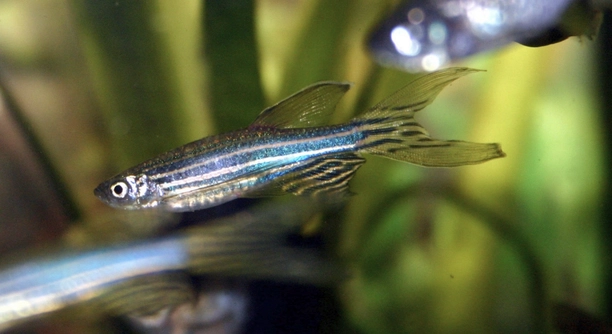
Have you ever noticed your zebra danios swimming closely together and wondered what’s behind their constant side-by-side motion throughout the day?
Zebra danios often swim in pairs due to their strong schooling instinct, which helps them feel secure, reduce stress, and maintain social bonds. This behavior mimics how they would interact in the wild, promoting overall well-being.
There’s more to this behavior than just companionship, and understanding it can help you create a healthier environment for your fish.
Understanding Pair Swimming in Zebra Danios
Zebra danios are naturally social fish that rely on group behavior to feel safe. In their native habitat, they form schools to protect themselves from predators and to navigate their surroundings more efficiently. When kept in home aquariums, danios often replicate this behavior by swimming closely with others. This is not only a sign of a healthy fish, but it also indicates that their environment is meeting their social needs. Pair swimming, especially in smaller groups, is a form of schooling behavior and is often seen when there are limited numbers of fish. The more they interact, the more relaxed and active they tend to be. It is part of their natural instinct to move together and stay connected with those around them. These interactions can be subtle but are important for the mental stimulation and stability of the fish.
This behavior becomes even more common when there are only two or three danios in the tank.
Although zebra danios do well in pairs, keeping them in larger groups of five or more often brings out even more natural activity. This allows the fish to form looser schools, interact in shifting group patterns, and feel more secure. When zebra danios swim in pairs all day, it can sometimes indicate they are the only two in the tank. In this case, they might form a tighter bond out of necessity. While this may seem endearing, it is worth noting that they thrive better in larger numbers. Pair swimming is a clear reflection of their need to socialize and connect with others of their kind. So while two danios might appear content, expanding the group can create a more stimulating and enriched environment for them.
What It Says About Their Environment
Pair swimming is a strong indicator that your zebra danios feel safe and comfortable in their surroundings.
When their tank setup mimics their natural needs—like steady water flow, consistent lighting, and proper hiding spots—danios are more likely to engage in social behaviors like swimming in pairs. If the tank lacks these elements, danios can become withdrawn or aggressive. A tank with clear structure and moderate current gives them direction and purpose when swimming. Tankmates also matter. If danios are housed with aggressive or much larger fish, they may huddle closely for safety. On the other hand, a peaceful, spacious tank allows their social instincts to flourish. Always make sure the water quality is stable and feeding times are consistent. This reinforces routine, which is comforting to zebra danios. Providing room to explore, soft plants to swim through, and other danios to interact with gives them exactly what they need to express healthy pair swimming behavior.
The Role of Tank Size and Layout
A small or overcrowded tank can limit movement, leading zebra danios to swim in tight pairs out of habit or necessity.
A well-sized tank allows zebra danios to swim freely and naturally school with others. When space is restricted, they may stay paired to avoid stress. At least 10 gallons is ideal for a small group, but larger tanks promote healthier behavior. The layout also matters—plants, rocks, and open swimming areas help simulate their natural environment. A balanced setup encourages both solo and social swimming, giving the fish more behavioral freedom. If your danios seem glued to each other’s side, it might be due to a lack of options. Open space paired with hiding spots gives them more choice in how they interact. Their behavior often changes quickly once tank conditions are improved.
Swim patterns often shift depending on where cover and swimming lanes are placed. Too many decorations can restrict space, while too few offer little stimulation. A tank that mixes structure with open areas gives danios a sense of control over their movements. This reduces any stress-driven pair swimming and supports more dynamic activity. Strong lighting and filter currents can also influence how and where they swim. For example, danios might pair near plants to shield themselves from intense light or current. Observing these small preferences helps create a more balanced environment. When tank layout meets their needs, danios will begin forming more fluid group patterns, rather than constantly sticking to just one companion.
Social Behavior and Group Dynamics
Zebra danios are active and social by nature, and their interactions are guided by both comfort and hierarchy within their group.
Pair swimming often reflects their need for familiarity and social connection, especially when they are kept in small numbers. In larger groups, danios display more complex behavior like chasing, synchronized swimming, and establishing loose hierarchies. These actions are not aggressive but serve to reinforce social roles. When danios are limited to one or two tankmates, they may form a stronger, simpler bond. Although this keeps them active, it also limits their natural range of social expression. Adding more danios usually reduces stress and leads to more balanced social behavior. It can also reduce pairing caused by anxiety or boredom. Group size plays a key role in how freely they interact.
Even though pair swimming can be normal, it’s often a sign your danios could use more companions. A group of five or six allows each fish to shift between interactions, reducing dependency on just one partner. In these groups, danios often show more exploratory behavior and reduced stress. They chase each other gently, mimic movements, and school loosely in response to changes in the tank. These dynamics encourage healthy competition and social balance, giving each fish more control over its space and pace. When danios are engaged in varied social interactions, they are less likely to exhibit repetitive or anxious behaviors. Watching how they respond to each other provides insight into their overall comfort and well-being in the tank.
Signs of Stress or Comfort
When zebra danios swim in pairs constantly, it can mean they feel safe with each other but also that they are avoiding stress triggers.
If they’re not darting, hiding, or losing color, it’s often a sign they feel comfortable in their space and with their tankmate.
How Feeding Habits Affect Social Behavior
Feeding time is a key moment for social interaction among zebra danios. If food is spread out across the tank, danios will often separate to feed, then regroup. This movement pattern helps reduce tension and competition. If food is dropped in just one spot, they may cluster and compete, which can create short-term stress. Regular feeding routines also encourage predictable behavior. When danios know when and where food arrives, they tend to be more relaxed throughout the day. A peaceful tank during feeding times usually means the danios are well-adjusted, which supports natural behaviors like loose schooling and balanced pair interactions.
When to Consider Adding More Danios
If your zebra danios seem too focused on one another or show signs of boredom, it might be time to increase their group size.
FAQ
Why do my zebra danios only swim in pairs and not in a group?
This usually happens when the group size is too small or the tank setup limits free movement. Zebra danios prefer to be in schools of at least five or six. When kept in smaller numbers, they may form close bonds with one tankmate for comfort and predictability. Tank layout can also influence this behavior—if there are too many decorations or limited open swimming areas, the fish might pair up and stay in certain zones instead of swimming freely as a group. Increasing both space and numbers often changes this pattern.
Can swimming in pairs mean my zebra danios are mating?
Yes, it’s possible. Zebra danios often chase each other as part of mating behavior. If you notice one fish chasing another near plants or the bottom of the tank in short bursts, it could be related to spawning. However, this behavior usually doesn’t last all day. If two danios swim closely for long periods without signs of chasing, it’s more likely they are bonded due to comfort rather than mating. Mating behavior also tends to be more active in the early morning hours when light first enters the tank.
Are zebra danios happier in pairs or groups?
They are much more comfortable in groups. Zebra danios are social schooling fish that rely on group dynamics for mental stimulation and a sense of safety. While they may form temporary pairs, this is not a long-term substitute for a proper school. When kept in pairs only, danios may become anxious or show repetitive behavior. A group of five or more allows them to form shifting bonds, spread out their energy, and display natural patterns like synchronized swimming. Larger groups also reduce stress-related illnesses and aggression.
Will adding more zebra danios change their swimming behavior?
Yes, in most cases, it will. When more danios are added, the schooling instinct usually kicks in. This causes them to spread out, move in larger circles, and explore different areas of the tank together. You may notice the original pair separating and interacting with others. These new dynamics help reduce the pressure on one specific bond and encourage healthier behavior. Make sure the tank is large enough to support the added fish comfortably. A crowded space can undo the benefits of a larger group by increasing stress levels.
Is constant pair swimming a sign of stress?
It depends on other signs. If the fish are active, eating well, and not hiding or showing signs of illness, the pairing might just be a comfort habit. But if the behavior is paired with darting, rapid breathing, or pale coloration, stress could be a factor. Stress might come from poor water quality, tank mates, or even too much noise near the tank. Observing how the fish interact with the rest of the environment helps determine whether the behavior is natural or triggered by discomfort.
Do zebra danios ever form long-term pair bonds?
Not in the way some species do. Zebra danios are not monogamous or territorial about relationships. They may spend more time with one fish over another for a while, especially in small tanks, but these bonds are not fixed. In larger groups, their social interactions shift often. They respond more to movement and group flow than to specific individuals. So, while it may look like a pair has bonded for life, the behavior usually changes with tank conditions and group size.
What if one fish chases the other all the time?
This could be playful or a sign of dominance. If both fish are healthy and show no signs of stress, the chasing might be part of their normal activity. But if one fish is hiding constantly or has nipped fins, the chasing could be excessive. Adding more danios can help by breaking up the attention of the dominant one. You should also check for stress triggers like lack of hiding spaces or poor water conditions. A well-balanced tank usually reduces aggressive behavior naturally.
Can lighting or current affect pair swimming?
Yes. Zebra danios respond to light and current by adjusting their movement. Strong lighting may cause them to stick together in shadowed areas, while a strong filter current might push them to swim as a pair in calmer zones. Adjusting light intensity or the direction of the filter flow can change how they move around the tank. Soft lighting and consistent current often encourage them to swim in loose schools rather than pairs. Observing where they settle can tell you if adjustments are needed.
Final Thoughts
Zebra danios are active fish with social needs that shape how they move and interact. When kept in small numbers, they may swim in pairs out of habit or comfort. This behavior is not always a concern, but it does suggest that the environment might be limiting their natural schooling instincts. In many cases, small groups or tight tank spaces encourage pairing rather than schooling. These conditions can make two fish stick close together because they feel more secure that way. While this can look cute or friendly, it may not reflect the full behavior zebra danios are known for.
In larger groups with enough room, zebra danios tend to act differently. They become more social, spread out, and swim in loose formations. Their energy is shared across the group, and no single pair stands out. This shift in behavior is important to notice because it shows that the fish are more relaxed and stimulated by their surroundings. A balanced setup with the right number of tankmates, open swimming space, and gentle current often brings out their best traits. It helps reduce stress and makes their daily activity more natural. When you understand how environment influences behavior, it becomes easier to support your fish in healthy ways.
Not every pair of danios swimming together means there’s a problem. Some fish simply enjoy staying near one another more often. But if this pairing is constant and other signs appear—like hiding, chasing, or a lack of interest in food—it’s worth reviewing their care. Look at your tank’s size, how many danios you have, and what features are available for swimming and hiding. Simple changes, such as increasing the group size or moving decorations, can improve their quality of life. It’s about giving them a setting where they can act as they would in nature. With a bit of attention to their needs, zebra danios can thrive, showing off their energy and forming ever-changing patterns that bring life and motion to any aquarium.

Hello,
If you enjoy the content that we create, please consider saying a "Thank You!" by leaving a tip.
Every little bit helps us continue crafting quality advice that supports the health, happiness, and well-being of pets around the world, for pets of all shapes, sizes, and species.
We really appreciate the kindness and support that you show us!