
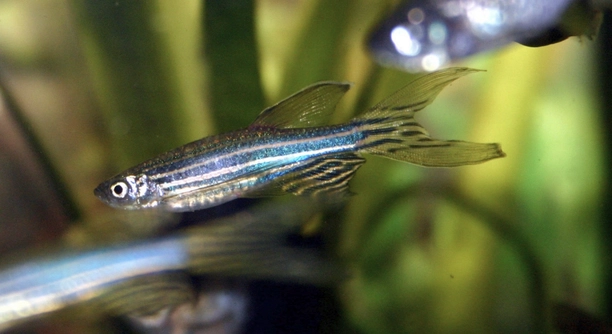
Have you ever noticed your zebra danios acting differently, suddenly scattering and forming smaller groups instead of swimming as one? This change in behavior might seem subtle, but it can reveal important details about their environment and interactions.
Zebra danios often split into smaller groups due to social hierarchy, environmental stress, or incompatible tank mates. These factors can influence their natural schooling behavior, prompting them to separate for safety, comfort, or to reduce conflict within the tank.
Understanding these group dynamics can help create a more stable, peaceful environment for your zebra danios and support their natural social behavior.
What Causes Zebra Danios to Separate?
Zebra danios are known for their active, social nature, often swimming in synchronized groups. However, changes in behavior can cause them to split into smaller groups. One of the most common reasons is tank stress. Overcrowding, improper water parameters, or a tank setup that lacks hiding spots can all trigger avoidance behavior. These environmental changes affect how secure danios feel and may lead them to form smaller groups. Another factor is social interaction. Danios naturally establish hierarchies, and sometimes this leads to chasing or bullying. In these cases, less dominant fish may swim away to avoid confrontation. If new fish are introduced or if the tank dynamic shifts, it can also influence group behavior. Sudden changes in light, temperature, or water flow may contribute. All of these factors play a role in how comfortable and secure your danios feel, which directly affects their schooling habits.
Group changes often begin with small behavioral shifts that go unnoticed until patterns become consistent.
Monitoring tank conditions, behavior, and feeding routines helps you understand what might be influencing their social changes. Keep things stable and consistent. A balanced setup with proper hiding spaces can encourage zebra danios to regroup and swim more peacefully together.
Recognizing Behavioral Shifts
If your zebra danios start to scatter, take note of when it happens and what’s changed. Time of day, recent tank cleanings, or new fish may all be relevant.
Some danios may show early signs of discomfort before separating. These signs include jittery swimming, darting around, or hiding more frequently. Watch how the group interacts during feeding time or when you approach the tank. If a few fish hang back or dart away from the group, it’s often a response to stress or fear. Environmental triggers such as sudden water temperature fluctuations, increased noise around the tank, or a lack of space can all impact behavior. Pay attention to body language as well. Faded coloring, clamped fins, or frantic swimming can signal unease. Identifying patterns over time helps isolate the issue. Addressing the cause early can prevent more serious problems from developing. Once stability is restored, danios often return to their regular social behavior.
Improving Group Stability
Creating a calm, well-balanced tank environment is the most effective way to support zebra danio group stability. Start by checking water temperature, pH, and ammonia levels regularly. Stable, healthy water encourages natural schooling behavior and helps reduce unnecessary stress.
Keep tank size in mind. A group of zebra danios needs ample swimming space to move freely and avoid territorial tension. Tanks under 20 gallons may cause overcrowding and lead to separation. Include plants, rocks, or decorations that offer hiding spots while still allowing open areas for group movement. Stick to a consistent light and feeding schedule, as sudden changes can trigger stress responses. Introducing new fish should be done gradually. Monitor reactions during this time and make sure the newcomers are peaceful and compatible. Avoid aggressive species that might disrupt the group’s rhythm or provoke anxiety in more passive danios.
Maintain a group of at least five zebra danios to encourage social interaction and reduce individual stress. Smaller numbers can lead to isolation and insecurity, making them more likely to separate or hide. Balanced group sizes help build confidence and promote natural schooling. A consistent routine, combined with the right tank conditions, will support overall harmony and reduce group fragmentation.
Adjusting the Tank Setup
Tank layout can affect how danios interact. A tank that’s too bare might make them feel exposed, while too much clutter can block visibility and movement. Striking a balance helps them stay active and social.
Use a layout that blends open swimming space with dense plant coverage. Natural plants like Java fern, Anubias, or floating options such as duckweed offer comfort without crowding the tank. These help reduce anxiety and give fish a sense of safety, especially for the more timid ones. Use decorations to define spaces without completely separating the tank into sections. This setup helps danios retreat when they feel threatened but still return to the group easily. Consider a gentle filter that doesn’t create strong currents, as too much water flow can scatter the group. Also, ensure lighting is not too bright—moderate, consistent lighting helps maintain a calm mood across the tank.
Observing Individual Behavior
Sometimes, specific zebra danios may act more aggressively or more timid than the rest. These individual traits can influence how the group interacts. Identifying standout behavior helps you understand why certain fish separate or cause tension.
Track how each fish acts during feeding and resting times. Look for chasing, hiding, or hesitation.
When to Consider Separation
If one danio becomes too aggressive or another is constantly hiding and not eating, separation might help restore balance. Use a divider or a temporary holding tank to observe if their behavior improves away from the group. This can ease stress for both the isolated fish and the remaining group.
Avoiding Overcrowding
Too many fish in a small tank leads to stress, competition, and broken group behavior. Stick to the right stocking levels for your tank size and always consider swimming space when adding new fish.
FAQ
Why do my zebra danios suddenly stop schooling together?
Sudden separation in zebra danios is often caused by stress, environmental changes, or illness. A shift in water temperature, poor water quality, or the presence of aggressive tankmates can all cause them to break away from the group. Schooling is a natural behavior, and when something disrupts their sense of safety, they may start isolating themselves. Check the tank conditions first, then observe interactions. If the tank has recently been cleaned, rearranged, or new fish added, the change may be making them uneasy.
How many zebra danios should be kept together to prevent separation?
Zebra danios should be kept in groups of at least five, but six or more is ideal. Keeping them in small groups helps reduce stress and supports their natural schooling behavior. In groups smaller than five, danios may become skittish or aggressive. With a proper-sized group, they feel safer and more confident swimming together. The tank should also be large enough to allow free movement and have some hiding spots to give them space when needed.
Can a single zebra danio live alone without issues?
Zebra danios are social fish and do not do well when kept alone. A single danio often shows signs of stress such as hiding, swimming frantically, or refusing food. They rely on the presence of others to feel secure. Without companionship, their health can decline over time. If one dies and leaves another alone, it’s best to add more danios soon. Keeping them in a group ensures emotional and physical well-being. A lone danio should only be a temporary situation.
What role does lighting play in their behavior?
Lighting affects zebra danios more than some may think. Too much light can make them feel exposed, especially if the tank lacks plants or cover. They may scatter, stay near the bottom, or hide. Too little light may cause them to become less active and reduce group movement. A moderate, consistent lighting schedule—ideally 8 to 10 hours a day—can support stable behavior. Adding floating plants helps filter the light and gives them shaded areas, making them feel more comfortable in the tank.
Do zebra danios bully each other?
Yes, zebra danios can sometimes show signs of bullying, especially in small groups or overcrowded tanks. This behavior often looks like chasing, nipping, or forcing another fish to hide. Bullying may occur when there’s not enough space or when one fish is weaker or slower than the rest. A larger, well-planted tank and a balanced group size help reduce this behavior. If bullying becomes constant, try rearranging the tank to break territories or consider removing the aggressive fish temporarily.
Is it normal for some zebra danios to rest alone?
It can be normal at times, especially during quiet periods or at night. Danios don’t always school 24/7, and individual rest is part of their natural behavior. However, if a fish is separating constantly, hiding, or not eating, that might be a concern. Watch how it behaves over time. Occasional breaks from the group are fine, but ongoing isolation often means something is wrong—either with tank conditions, social stress, or the fish’s health.
Can tank decorations really help with group bonding?
Yes, the right decorations can help reduce stress and support natural behavior. Plants, driftwood, and caves offer hiding spaces without cutting off swim space. When fish feel secure, they’re more likely to rejoin the group and act normally. Decorations also break up lines of sight, which reduces chasing or aggressive interactions. The goal is to make the fish feel safe but not boxed in. A thoughtful layout encourages active, confident swimming and supports group stability.
What if separation continues even after fixing tank issues?
If separation continues, there may be a health issue involved. Look for symptoms like white spots, labored breathing, or color changes. Quarantine the affected fish if necessary and consult a vet or fish expert. Sometimes, behavioral habits develop over time and may take a while to improve, even after fixing the tank. Continue to observe, provide consistent care, and ensure the tank remains stable. Patience is key, and most danios return to schooling once they feel secure again.
Final Thoughts
Zebra danios are active, social fish that often prefer to swim in groups. When they start to separate, it usually means something in their environment has changed. Stress, illness, or poor water quality can all cause this behavior. These fish rely on the safety of a group to feel secure, so watching their movements closely helps you catch early signs of a problem. Even small issues like sudden lighting changes or slight overcrowding can lead to separation. Keeping their tank conditions clean, stable, and well-balanced is one of the best ways to prevent this shift in behavior.
Group size also plays a big role in their behavior. A small number of danios can lead to problems like bullying or stress. On the other hand, too many fish in a small tank may make them feel crowded and lead to separation. Maintaining a proper group size, providing enough space, and including plants or decorations for hiding spots helps them feel safe. When they feel secure, they are more likely to stay together. Sometimes, one fish may act differently due to its personality, but this is often temporary and improves with time and stable conditions.
Every fish has its own habits, but zebra danios tend to return to group behavior once their needs are met. If separation continues even after changes are made, it might take time for the group to adjust. Be patient and continue monitoring their behavior. Offering a calm, structured environment helps support their health and natural instincts. Understanding their social needs, providing enough space, and avoiding sudden changes can keep them happy and active. These small steps not only prevent long-term issues but also allow you to enjoy the calm, energetic movement that zebra danios are known for.

Hello,
If you enjoy the content that we create, please consider saying a "Thank You!" by leaving a tip.
Every little bit helps us continue crafting quality advice that supports the health, happiness, and well-being of pets around the world, for pets of all shapes, sizes, and species.
We really appreciate the kindness and support that you show us!