
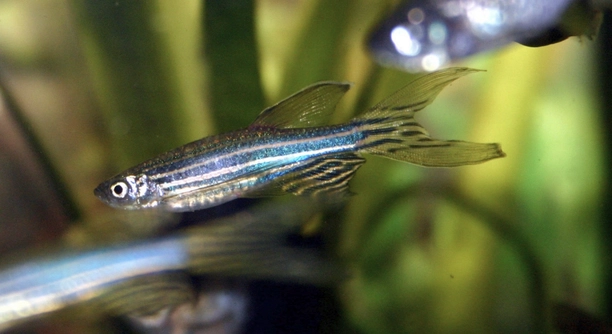
Have you ever noticed your zebra danios resting in an unusual upright position and wondered if it’s something to worry about? This behavior can seem odd, especially for fish that are typically active and quick-moving.
Zebra danios might sleep in a vertical position due to reduced muscle control and lowered awareness during rest. This posture helps them stay in place within the water column and is usually a normal, harmless behavior for the species.
Learning more about this unique behavior can help you better care for your fish and recognize any signs of potential health issues.
What Makes Zebra Danios Sleep Upright
Zebra danios are known for their active swimming during the day, but when it’s time to rest, their behavior can change. Sleeping upright or in a vertical position is not always a sign of illness. It’s often a natural resting posture for some fish. During sleep, zebra danios lower their activity levels, and their bodies may relax into a vertical drift. They tend to seek low-traffic areas or calm parts of the tank when doing this. Reduced muscle tension and slower movement can make them float slightly upright without fully tipping over. It can look strange, especially if you’re used to seeing your fish darting around quickly. However, as long as your zebra danio returns to normal swimming patterns during the day, this sleeping style is nothing to worry about. It’s just part of how they rest, and it often reflects a peaceful and stable tank environment.
This vertical sleeping position doesn’t mean they’re stuck or unhealthy.
Make sure the tank conditions are stable—steady water temperature, good oxygen levels, and low stress levels support natural sleeping behaviors. If multiple fish show signs of unusual posture while also losing appetite or acting lethargic during the day, it may be worth checking for water issues or illness. But if they simply float upright and return to their regular activity later, you can rest easy. Sometimes, fish just sleep differently. Each fish has a slightly unique rhythm and resting habit, even among the same species. Zebra danios are especially energetic during their waking hours, so it makes sense that they might appear more relaxed and still when resting. Just be sure to observe their overall health and activity rather than focusing on their posture during sleep. Understanding their daily cycle will help you feel more confident about their well-being.
Other Factors That Influence Danio Sleep
Lighting and tank setup can affect how and where your zebra danios choose to rest.
Danios thrive in tanks with a consistent light cycle. Aim for 10 to 12 hours of light each day, followed by darkness. This routine helps them know when to rest. Without regular lighting, their internal clock can become disrupted, affecting their sleep. Hiding spots like plants, driftwood, or decor pieces can also encourage them to settle down. These features provide shelter and a sense of safety. Fish in well-decorated tanks tend to have less stress, and they’re more likely to develop consistent resting patterns. If your zebra danios don’t have enough cover, they might sleep in awkward or exposed positions, which could include floating upright. Another thing to consider is tank mates. Peaceful companions allow zebra danios to relax, while aggressive or fast-swimming fish can keep them on edge. That stress can change their rest behaviors. Creating a quiet, balanced tank helps your zebra danios sleep better—no matter what position they choose.
How Tank Conditions Affect Sleep Posture
Stable tank conditions play a big role in how zebra danios sleep. Clean water, proper filtration, and steady temperatures help reduce stress and support natural rest behaviors, including vertical sleeping when they feel safe and calm.
Water temperature should stay between 72°F and 78°F. Anything colder or warmer can stress zebra danios, making it harder for them to rest properly. Ammonia and nitrite levels should always be at zero, while nitrates should remain low. A sudden spike in any of these can disrupt their sleep and change their posture. Strong filters should be adjusted to avoid harsh currents, as zebra danios prefer calmer areas when they’re ready to rest. Adding gentle hiding spots or floating plants can also help create an environment where your fish feel comfortable enough to sleep upright or in other relaxed positions without getting disturbed by movement or bright lights.
Make sure your tank isn’t overcrowded. When too many fish share a small space, zebra danios may become restless and less likely to rest peacefully. Overcrowding can increase stress, which often shows up in odd sleep postures or irregular behavior during the day. Oxygen levels also matter. Good aeration and surface agitation can help ensure they’re getting enough oxygen while they sleep. Dim lighting during nighttime hours makes it easier for your fish to relax and settle into restful states. If your lighting stays bright all the time, it could disrupt their natural rhythm and make resting difficult. Test water conditions weekly to stay ahead of any sudden changes. When your zebra danios are resting upright in a well-maintained tank, it’s usually just a sign that they feel safe and settled in their environment. Small adjustments often go a long way in supporting their comfort.
What to Watch for If Something Seems Off
Some signs could suggest your zebra danio isn’t just sleeping upright but may be dealing with a health issue. If your fish stays vertical for long periods, breathes heavily, or stops eating, it’s time to take a closer look.
Check for clamped fins, faded colors, or odd marks on the body. These may point to stress or illness, especially if paired with strange swimming patterns or isolation from the group. If you notice one fish acting off while the rest seem fine, it might be an individual issue—such as an infection or injury. But if several fish show the same symptoms, the problem may be tank-wide, like poor water quality. Start by testing the water parameters and adjusting as needed. Look into changes you’ve made recently, such as a new decoration, different food, or a sudden shift in lighting. These small things can lead to unexpected behavior if your zebra danios aren’t adjusting well.
How Behavior Changes with Age
Younger zebra danios are usually more active and sleep less deeply. As they get older, you might notice them sleeping more often or for longer periods, sometimes in vertical positions that seem unusual but are still normal for them.
Older fish may not react as quickly to movement in the tank. This slower response time doesn’t always signal illness—it can simply reflect aging. These shifts in behavior can include resting upright more often, especially when they feel secure and undisturbed in their environment.
When Vertical Sleep Isn’t Normal
If your zebra danio seems stuck in place or can’t swim horizontally during the day, there could be a swim bladder issue. These problems may be linked to diet, constipation, or infection. Try feeding a blanched, peeled pea to help digestion. If symptoms don’t improve, isolate the fish and monitor it closely. Swim bladder problems can also result from rapid gulping at the surface or poor-quality flakes. In more serious cases, medication or veterinary help might be needed. Don’t wait too long if the fish looks distressed or struggles to move comfortably in the tank.
Final Thoughts on Zebra Danio Resting Habits
A vertical sleep position isn’t always something to worry about. When your fish seems relaxed, active during the day, and has good color, it’s likely just resting in a comfortable way.
FAQ
Why do zebra danios sleep upright?
Zebra danios sleep upright to stay in place within the water column while resting. This vertical position helps them remain stable without using too much energy. Their muscles relax, which causes them to drift upright. It’s a normal behavior that occurs when they are comfortable and undisturbed in their environment.
Is it normal for my zebra danio to sleep this way every night?
Yes, it is completely normal for zebra danios to sleep upright every night. If they are healthy and active during the day, their sleep posture should not be a concern. Fish, like zebra danios, have different sleep patterns from mammals. They rest more lightly and don’t enter deep sleep like humans. Their upright position is just part of their natural rhythm.
Should I be worried if my zebra danio sleeps upright for long periods?
If your zebra danio sleeps upright for long periods but shows no signs of distress, such as difficulty swimming, loss of appetite, or clamped fins, then there’s likely no need to worry. However, if it remains upright and looks unresponsive, it may be a sign of illness, such as swim bladder disorder or poor water quality. In that case, you should monitor the fish more closely.
Can zebra danios sleep on their sides or stomachs?
Zebra danios typically don’t sleep on their sides or stomachs. They are more likely to rest vertically or in a slightly tilted position. Sleeping on their sides or stomach could be a sign of health issues, particularly if the fish struggles to regain an upright position. If you notice this, check for signs of illness like bloating or lack of movement.
How can I tell if my zebra danio is stressed?
Signs of stress in zebra danios include erratic swimming, loss of appetite, faded colors, and hiding for long periods. If your zebra danio is sleeping upright frequently but is also showing signs of stress, this could indicate an underlying issue like water quality problems, overcrowding, or aggressive tank mates. Stress can cause them to rest more than usual and may affect their sleep posture.
What water conditions should I maintain for my zebra danios?
Zebra danios thrive in stable water conditions with temperatures between 72°F and 78°F. pH should be between 6.5 and 7.5, and ammonia and nitrite levels should be at zero. Nitrate levels should stay under 20 ppm. Regular water changes, proper filtration, and water testing can help maintain a healthy environment. Poor water quality can cause stress and lead to abnormal behavior, including unusual sleep postures.
Can zebra danios sleep in a vertical position if the water is too cold?
Cold water can stress zebra danios and affect their natural sleep patterns. If the water temperature falls below 70°F, zebra danios may become lethargic and may not sleep as they usually do. Ensure that the tank stays within the ideal temperature range of 72°F to 78°F. If the water is too cold, you may notice changes in their behavior, including resting too much or showing signs of sluggishness.
What should I do if my zebra danio is sleeping upright but seems lethargic?
If your zebra danio is sleeping upright but appears lethargic, check for any signs of illness or environmental stressors. Look for symptoms like clamped fins, difficulty swimming, or changes in color. You should also test the water quality for ammonia, nitrites, and temperature. If everything checks out but the lethargy persists, consider isolating the fish to observe it more closely and possibly consult a veterinarian if needed.
Is it okay to have zebra danios sleep upright in a tank with strong currents?
Zebra danios typically prefer calm water when they rest. Strong currents can make them feel stressed, and this may affect their ability to sleep comfortably. If your tank has strong currents, consider adjusting the filter flow or adding plants and decorations that can break up the water flow and create calmer areas for your zebra danios to sleep. A quieter environment will support better rest and help them feel secure.
How do I know if my zebra danio is sleeping or just resting?
Zebra danios sleep lightly compared to mammals. They may appear stationary and upright for long periods but are still alert to their surroundings. If your fish is resting but quickly responds to movement or feeding, it’s likely in a light sleep. If the fish doesn’t move or react at all, it may be unwell. Regular observation of their behavior can help you distinguish between normal rest and potential health issues.
Should I be concerned if my zebra danio sleeps upright while being chased by other fish?
If your zebra danio sleeps upright while being chased or harassed by other fish, this is a sign of stress. Zebra danios may sleep vertically as a way of staying out of sight or reducing activity, but they should not feel threatened regularly. Make sure the tank mates are compatible. If aggression is an issue, it might be time to separate the fish or add more hiding spots to create a more peaceful environment for the zebra danio.
Final Thoughts
Zebra danios are resilient fish that adapt to various conditions in the tank, including how they rest and sleep. Their ability to sleep upright is just one example of how they adjust to their environment. While this behavior may seem unusual at first, it is entirely natural for them. In fact, it can be a sign that your zebra danio feels secure and comfortable. When everything is in balance—like water quality, tank mates, and temperature—your zebra danios will naturally follow their instinctual patterns of rest, which may include sleeping upright.
However, as with any pet, it’s essential to monitor your zebra danios closely for any changes in behavior. If they seem lethargic, are sleeping too much, or appear stressed, it’s worth checking their environment. Water quality is often the first thing to examine, as poor water conditions can lead to stress, which might cause them to rest more than usual or in odd positions. Additionally, an unbalanced diet, overcrowding, or aggression from tank mates can also contribute to abnormal behavior. Keeping a close eye on their activity levels will help you spot any potential issues early.
Overall, zebra danios sleeping in a vertical position is not a cause for concern, as long as they are active during the day and showing no signs of illness. It’s just part of their natural sleep cycle. Regular care, such as maintaining good water quality, providing proper nutrition, and ensuring the tank is peaceful, will help keep your zebra danios happy and healthy. By paying attention to their behavior, you can ensure that your fish thrive and enjoy their time in the tank.

Hello,
If you enjoy the content that we create, please consider saying a "Thank You!" by leaving a tip.
Every little bit helps us continue crafting quality advice that supports the health, happiness, and well-being of pets around the world, for pets of all shapes, sizes, and species.
We really appreciate the kindness and support that you show us!