
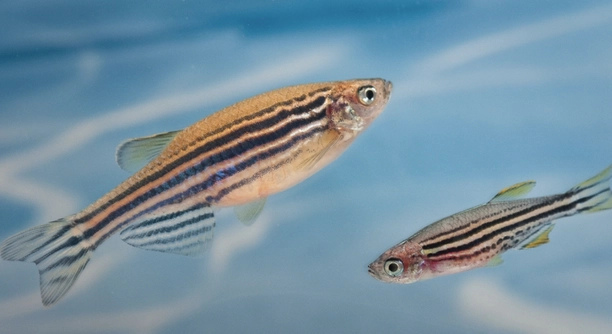
Zebra Danios are popular fish among aquarists, known for their playful nature and distinct stripes. However, there may be times when you notice these fish resting at the bottom of the tank in groups.
Zebra Danios may rest at the bottom in groups as a natural behavior related to their social dynamics and environmental factors. They often rest together for comfort or protection, particularly in the presence of stressors like poor water quality or tank mates.
Understanding the reasons behind this behavior can help you ensure the well-being of your zebra danios. Addressing environmental and social factors can support their health and improve their overall activity levels in the tank.
The Role of Social Behavior in Zebra Danios
Zebra Danios are naturally social fish, and they prefer to stay in groups, known as schools. When they rest at the bottom together, it can often be attributed to their instinct to remain close to one another. Being a schooling species, they feel safer when surrounded by their group. This behavior is a sign that they may be seeking comfort or security, especially when they feel threatened or stressed. If they find themselves alone, they may not feel as confident or comfortable, which could cause them to retreat to the bottom of the tank.
They’re not necessarily unwell but are displaying a behavior that allows them to feel secure. This can happen in both stressful environments and peaceful ones where they feel safe but choose to rest as a group.
In tanks with other species or when there’s a perceived danger in the environment, zebra danios may gather at the bottom to avoid potential threats. They might also rest here because of low light levels, as these fish are more active when they feel secure in a dim environment.
Environmental Factors Impacting Zebra Danios
Water quality plays a major role in how zebra danios behave. Poor water conditions, such as low oxygen levels or improper temperature, may cause them to stay near the bottom of the tank. These fish thrive in well-maintained environments and need consistent water conditions to stay healthy.
If water quality is not optimal, zebra danios may appear lethargic and less active, spending more time resting at the bottom. This behavior is often a response to discomfort or an inability to stay active in unfavorable conditions. Ensuring clean water, proper filtration, and correct water temperature can alleviate this behavior.
Zebra Danios are known to be hardy, but even they are sensitive to changes in their environment. Sudden temperature fluctuations, dirty water, or high levels of ammonia can cause them to rest at the bottom. These factors are often noticeable in a tank that hasn’t been maintained properly. If they seem sluggish or frequently rest at the bottom, it’s worth checking the water parameters.
Stress and Zebra Danios
Stress can significantly impact the behavior of zebra danios. When they feel threatened, whether by aggressive tank mates, sudden movements, or loud noises, they might retreat to the bottom. This is a way to feel protected from potential harm.
Fish that are stressed often display a change in behavior. Zebra Danios may huddle at the tank’s bottom, hiding from perceived threats. This is a typical response to stress, and it’s important to observe if other signs of distress are present. Overcrowding can also increase stress levels, leading them to feel cramped and anxious. Proper space for each fish can help reduce this.
If there are consistent signs of stress, adjusting tank conditions can help. Ensuring there is enough room, reducing sudden changes, and even rearranging the tank to provide hiding spots can improve their comfort. The calmer and more secure their environment, the less likely they are to rest at the bottom.
Tank Mates and Zebra Danios
The choice of tank mates can impact zebra danios’ behavior. Aggressive or overly active fish can create an environment where zebra danios feel the need to retreat. They prefer peaceful surroundings with fish of similar activity levels.
Adding overly territorial or aggressive fish can disturb zebra danios, causing them to seek shelter. When tank mates are more passive, zebra danios feel comfortable exploring the tank and swimming freely. It’s essential to avoid placing fish that are known for aggressive behavior or large predators in the same tank. This helps maintain a peaceful environment for the danios.
It’s also important to introduce new fish gradually. If zebra danios are confronted with new tank mates too suddenly, they may feel threatened. Slowly acclimating new fish can help reduce the stress levels, allowing zebra danios to adjust to the presence of other fish without retreating to the bottom. Properly chosen tank mates can significantly improve their overall behavior and reduce the need for them to rest in groups at the tank’s bottom.
Water Temperature and Zebra Danios
Water temperature directly affects the behavior of zebra danios. If the temperature is too low or too high, they may become sluggish and rest at the bottom. They thrive in temperatures between 65°F and 75°F.
Zebra danios are sensitive to temperature changes. Sudden fluctuations can cause stress, and they may retreat to the bottom to conserve energy. A steady, warm temperature ensures they remain active and healthy. It’s important to monitor the water temperature and use a reliable heater to keep it within the ideal range for their well-being.
Oxygen Levels and Zebra Danios
Oxygen levels are crucial for zebra danios to remain active. If the water is poorly aerated or if oxygen levels drop too low, these fish might rest at the bottom. They may seek oxygen-rich areas where they feel more comfortable.
Inadequate oxygen can cause zebra danios to slow down or become lethargic. They prefer a well-oxygenated environment, so ensure the tank has proper filtration and aeration. Adding a sponge filter or air stone can help increase oxygen levels, preventing them from resting at the bottom due to lack of oxygen.
Tank Size and Zebra Danios
The size of the tank can affect zebra danios’ behavior. If the tank is too small, the fish may feel restricted, leading to stress and a preference for resting at the bottom. A larger tank offers more swimming space and reduces stress.
A small tank can make zebra danios feel overcrowded, especially if there are other fish present. This feeling of confinement can cause them to rest at the bottom rather than exploring the tank. A spacious environment encourages more active behavior and promotes healthier, happier fish. Always ensure the tank is large enough to accommodate the number of fish.
FAQ
Why do zebra danios sometimes rest at the bottom of the tank?
Zebra danios may rest at the bottom due to a variety of factors. Social behavior plays a role, as they are naturally schooling fish and feel more comfortable when gathered in groups. If they feel secure with other fish around, they may prefer to rest together at the bottom. Additionally, environmental factors such as poor water quality, low oxygen levels, or extreme temperatures can cause them to become lethargic and retreat to the bottom of the tank. Stress from aggressive tank mates or sudden changes in the environment can also contribute to this behavior.
Is it normal for zebra danios to stay at the bottom of the tank for long periods?
While it is normal for zebra danios to occasionally rest at the bottom, it should not be a regular or prolonged behavior. If they are resting at the bottom for extended periods, it could be a sign that something is wrong with their environment or health. It’s essential to check water quality, temperature, and oxygen levels to ensure everything is within the ideal range. If these factors are all in order, observe their interactions with tank mates to rule out stressors. Prolonged resting may also be a sign of illness or injury.
Can poor water quality cause zebra danios to rest at the bottom?
Yes, poor water quality is one of the most common reasons why zebra danios might rest at the bottom. If the water contains high levels of toxins like ammonia or nitrites, or if the pH is outside the ideal range, zebra danios may become stressed and lethargic. Low oxygen levels in the water can also cause them to seek the bottom, where they may feel more comfortable. Regular water changes, proper filtration, and monitoring of water parameters are essential to keep the tank environment healthy and reduce the likelihood of this behavior.
How can I improve the water quality for my zebra danios?
Improving water quality involves maintaining a clean tank with proper filtration and regular water changes. Test the water frequently to check for ammonia, nitrite, and nitrate levels. If levels are too high, perform a water change to dilute the toxins. Keep the tank well-oxygenated with an air stone or sponge filter. Be sure the tank has proper circulation, as stagnant water can lower oxygen levels and promote the buildup of harmful substances. Regularly cleaning the substrate and decorations can help reduce waste buildup, further improving the tank’s water quality.
Can stress cause zebra danios to rest at the bottom of the tank?
Stress is a significant factor in zebra danios resting at the bottom of the tank. These fish can become stressed from various factors, including poor water conditions, aggressive tank mates, or sudden changes in their environment. They may seek refuge at the bottom when they feel threatened or uneasy. Overcrowding in the tank can also increase stress levels, leading to a decrease in their activity and a tendency to rest at the bottom. Maintaining a peaceful tank environment with compatible tank mates and regular water maintenance can help reduce stress.
What tank mates are best for zebra danios?
Zebra danios are peaceful, active fish that do well with other non-aggressive species. Suitable tank mates include other small, peaceful fish such as tetras, guppies, and barbs. Avoid keeping zebra danios with larger or more aggressive fish, as they may feel threatened and retreat to the bottom of the tank. It’s also important to ensure that all tank mates have similar environmental needs in terms of temperature, pH, and water conditions. By choosing compatible tank mates, you can create a harmonious environment that helps keep your zebra danios active and healthy.
Can zebra danios rest at the bottom due to low oxygen levels?
Yes, low oxygen levels in the tank can cause zebra danios to rest at the bottom. When oxygen levels drop, fish may seek areas with higher oxygen concentrations, which often happen near the bottom or in areas with better water movement. If the tank is not well-oxygenated or if the water is stagnant, zebra danios may become sluggish and less active. To avoid this, ensure proper aeration by adding an air stone, sponge filter, or increasing the water movement. Proper filtration also helps maintain healthy oxygen levels in the tank.
How often should I feed zebra danios?
Zebra danios should be fed small amounts two to three times a day. Overfeeding can lead to poor water quality and health issues, so it’s essential to provide only as much food as they can consume within a few minutes. Offering a balanced diet of flakes, pellets, and occasional live or frozen food such as brine shrimp or daphnia is beneficial for their health. Keep an eye on their behavior to ensure they are eating well and not leaving uneaten food that could pollute the water.
Do zebra danios need a lot of space to swim?
While zebra danios are small, they are active swimmers that require ample space to move around. A tank of at least 10 gallons is recommended for a small group of zebra danios, with additional space for each fish you add. Inadequate space can lead to overcrowding, stress, and behavioral issues such as resting at the bottom. Providing plenty of swimming room, along with hiding spots like plants and decorations, allows them to feel secure and encourages natural behavior.
Can water temperature fluctuations make zebra danios rest at the bottom?
Yes, sudden temperature fluctuations can make zebra danios feel stressed and cause them to rest at the bottom. They are sensitive to rapid changes in temperature, which can lead to lethargy or even illness. Maintaining a stable water temperature within the ideal range of 65°F to 75°F is important for their health. Using a reliable heater and thermometer can help regulate temperature and prevent fluctuations that may cause stress or discomfort for your zebra danios. If you notice them resting at the bottom after a temperature change, adjust the heater or move the tank to a more stable location.
How can I tell if my zebra danios are sick?
Sick zebra danios may exhibit a variety of symptoms, including lethargy, loss of appetite, abnormal swimming behavior, or changes in their appearance, such as discoloration, bloating, or fin damage. If your zebra danios are frequently resting at the bottom and not responding to environmental adjustments, it may be time to examine their health closely. Check for any signs of injury, infection, or parasitic infestations. If you suspect an illness, isolate the affected fish and seek advice from a veterinarian or experienced aquarist for proper diagnosis and treatment.
Final Thoughts
Zebra danios are generally active fish that enjoy swimming and interacting with their environment. However, there are times when they may rest at the bottom of the tank. Understanding the reasons behind this behavior is important for their overall health and well-being. Several factors can contribute to this, such as water quality, temperature, oxygen levels, and stress. If your zebra danios are consistently resting at the bottom, it’s crucial to evaluate their environment and ensure it meets their needs.
Proper water conditions are vital for zebra danios to thrive. Regularly check the water temperature, pH, and oxygen levels to make sure they are within the ideal ranges for these fish. Any fluctuations or poor water quality can cause stress, which may lead to them resting at the bottom of the tank. Ensuring proper filtration, aeration, and maintaining a stable temperature will help keep your zebra danios active and healthy. Additionally, regular water changes are essential to remove toxins and maintain a clean environment.
In addition to water quality, tank mates and space can influence your zebra danios’ behavior. These fish prefer to be in groups and may feel stressed or anxious if kept alone. Providing a suitable tank size with enough space for swimming can help reduce stress and encourage them to stay active. Be mindful of tank mates, as aggressive or incompatible fish can make zebra danios retreat to the bottom. By monitoring their environment and making necessary adjustments, you can help ensure that your zebra danios lead a happy and healthy life.

Hello,
If you enjoy the content that we create, please consider saying a "Thank You!" by leaving a tip.
Every little bit helps us continue crafting quality advice that supports the health, happiness, and well-being of pets around the world, for pets of all shapes, sizes, and species.
We really appreciate the kindness and support that you show us!