
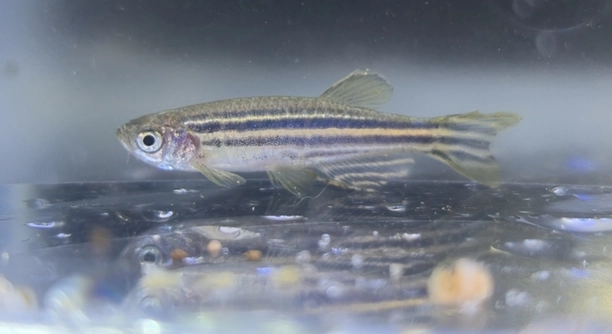
Have you ever noticed your zebra danios acting strangely still—only to start darting around the moment you walk up to their tank? This sudden change can seem odd if you’re not sure what’s behind it.
Zebra danios may appear to only move when observed due to a combination of environmental awareness and light sensitivity. Their movement patterns often change in response to visual cues and vibrations, which are triggered by human presence.
This behavior connects to their natural instincts and environment, offering insights into how they interact with the world around them.
What Makes Zebra Danios React to You
Zebra danios are alert, fast-moving fish that pay close attention to their surroundings. In home aquariums, they often recognize patterns, including when someone approaches the tank. This reaction isn’t about playfulness—it’s more about instinct. In nature, zebra danios need to be ready to dart away from predators. That survival instinct doesn’t disappear just because they’re in a tank. When the room is quiet and still, they may pause their movement to avoid drawing attention. Once they sense footsteps or shifting shadows, they respond. To an outside observer, it might look like the fish only move when watched, but really, they’re responding to slight environmental changes. Light, sound, and vibration can all trigger their activity. It’s their way of staying aware and safe.
This change in behavior is especially common in quiet spaces, where even small movements can feel amplified to a fish.
In some cases, they may even associate people with feeding time. So, when they see you near, they might become more active. They’ve learned that movement by the tank can mean food is coming, even if you’re just passing by. This connection between people and food encourages more noticeable swimming.
Why the Environment Plays a Role
Zebra danios thrive in stable environments, and even small disruptions can influence their behavior.
Lighting changes, noise levels, and water conditions can all affect how active they are. For example, if the lighting in the room suddenly shifts, they might pause or dart around until they feel safe again. Aquarium placement can also influence how often they are disturbed. Tanks near high-traffic areas may lead to more skittish or reactive fish. The more movement around them, the more often they’ll go still and then startle. Temperature and water clarity are also important—if something feels off, they may become less active or overly jittery. They’re not just reacting to people, but to any shift in their surroundings. That’s why keeping a stable setup can help reduce sudden, dramatic changes in their behavior. Consistency helps them feel secure. If you notice they’re only moving when watched, it might be time to look at how calm and steady their environment is overall.
How Your Presence Triggers Movement
Zebra danios are sensitive to motion and vibration. When you walk near their tank, even small movements or shadows can make them react quickly. They’ve adapted to notice changes fast, which helps them stay alert and ready.
If your zebra danios seem still when you’re not around and active when you are, it’s because they’ve become used to your presence as a trigger. Your footsteps, your voice, or even your shadow can cause them to become more alert. It may look like they’re choosing to move only when you’re nearby, but they’re simply reacting to your presence. This kind of behavior shows how attuned they are to their environment. They might even begin to anticipate food or interaction based on your habits. Once they recognize you, they associate your movements with potential feeding, which naturally increases their activity whenever you’re in sight.
This behavior isn’t unusual. Over time, your fish can begin to form loose patterns of recognition. Though they don’t bond like dogs or cats, they can still connect certain people with certain actions. If you feed them regularly, they’ll come to expect food when you show up. This learned association creates a habit where their movement becomes more noticeable when you’re nearby.
When Stillness Becomes a Sign of Stress
Zebra danios staying too still for long periods may point to stress. Changes in water temperature, sudden noise, or poor lighting can unsettle them and lead to more hiding or freezing behavior.
Stress can also come from overcrowding, tank mates that chase them, or not enough hiding spaces. While zebra danios are social and active by nature, too much activity or competition in their environment can cause them to retreat and stay still more often. It’s important to check if the water conditions are balanced and if the tank setup gives them enough room to swim freely. If you notice them going still more frequently, don’t ignore it. It could mean something in their environment is making them uncomfortable. Watch for changes in appetite or signs of illness too. A calm and well-structured tank is key to keeping them active, comfortable, and healthy.
Why Routine Matters to Danios
Zebra danios do best when their daily routine stays the same. Sudden changes in feeding times, lighting, or tank activity can cause stress. A stable routine helps them feel secure and encourages consistent swimming behavior.
Try to feed them at the same time each day. Use a timer for lighting and avoid moving things around in their tank too often. These small steps help them feel more relaxed and predictable in their environment.
What to Watch for in Their Behavior
If your zebra danios start hiding more often or seem to freeze in place, it may signal a problem. Watch how they react to light, movement, and feeding. Normal behavior includes active swimming, chasing each other, and quick darting movements. If that changes, it’s worth checking the tank setup. Make sure water levels are stable, the filter is clean, and they’re getting enough space and light. Keep track of patterns. If their stillness only happens at certain times, it might be linked to specific triggers. The more attention you give to their daily habits, the easier it is to spot when something’s off.
When Movement Means Curiosity
Sometimes, your zebra danios aren’t just reacting—they’re curious. Your presence might signal something interesting, like food or a change in routine. They’re quick learners and often notice patterns, especially when it comes to feeding or new activity nearby.
FAQ
Why do my zebra danios freeze when I approach the tank?
Zebra danios may freeze when you approach because they are sensitive to movement and vibrations. This behavior comes from their instinct to stay alert to potential dangers. In the wild, they need to be ready to dart away from predators, so even slight changes in their environment can trigger a pause. When they notice your presence, they may momentarily stop moving to assess if there’s a threat. Once they determine it’s safe, they continue swimming again.
Is it normal for zebra danios to only swim when I’m around?
Yes, it’s normal for zebra danios to seem more active when you’re near. Over time, they can associate your presence with feeding or attention. When they see you, they might expect food or a change in the tank, which can increase their activity. They may have learned that movement near the tank means something is about to happen, like feeding time. This is especially true if they are trained to expect food at specific times.
Can my zebra danios stop moving due to stress?
Yes, zebra danios can become still when stressed. Stress can arise from changes in their environment, like fluctuations in water temperature, sudden loud noises, or changes in lighting. Stress can also come from overcrowding or aggressive tank mates. If you notice your fish are consistently still or hiding, it might be worth checking their environment for potential stressors.
How can I tell if my zebra danios are stressed?
Stressed zebra danios often show signs like decreased activity, hiding more often, or staying still. They may also stop eating, which is a clear indicator of stress. If you see them swimming erratically or bumping into objects, they might feel disoriented or unsafe. Check their tank conditions, including water temperature, cleanliness, and the presence of aggressive tank mates. Any sudden changes in behavior should be a clue that something isn’t quite right in their environment.
Do zebra danios need a lot of space to swim?
Yes, zebra danios are active fish and need plenty of room to swim. They are small, but they love to move around in schools. A tank that’s too small or overcrowded can cause stress and limit their ability to swim freely. The recommended tank size for zebra danios is at least 10 gallons for a small group, with space to move around. Providing plenty of open space in the tank also ensures they have enough room to escape from other fish if needed.
Do zebra danios interact with other fish?
Zebra danios are generally peaceful and do well with other non-aggressive fish. They are social animals and thrive in groups, so adding a few more to their tank can help them feel more comfortable. However, they can be nippy with very slow-moving or long-finned fish. It’s best to avoid keeping them with more passive species that may not be able to keep up with their energy levels.
Can zebra danios recognize their owner?
While zebra danios do not form bonds the way some other pets do, they can recognize their owner over time. They can learn to associate you with feeding times or other activities. If you feed them regularly at certain times, they may start to expect food when they see you near the tank. Though they don’t have memory like mammals, they respond to patterns and routines.
What can I do if my zebra danios are too still?
If your zebra danios are too still, the first thing to check is their environment. Ensure the water quality is good, and that there are no changes in temperature, pH levels, or filtration. It’s also a good idea to check for any signs of illness, such as faded colors or unusual behavior. If the tank is overcrowded, reducing the number of fish can help. Consider adding more hiding spots or decorations if your fish seem stressed by the open space.
Are zebra danios easy to care for?
Zebra danios are relatively easy to care for, making them a good choice for beginners. They adapt well to a variety of water conditions and are hardy fish. They don’t require complex setups and can thrive in a simple, well-maintained aquarium. Regular water changes, proper filtration, and consistent feeding are all that’s needed to keep them healthy. However, like all fish, they still need attention to their tank environment to prevent stress and illness.
How often should I feed my zebra danios?
Zebra danios should be fed once or twice a day, with small amounts of food they can eat in a couple of minutes. Overfeeding can lead to water quality issues, so it’s important to only provide what they can consume. You can offer a variety of foods, like flakes or pellets, to give them a balanced diet. Avoid feeding them too much at once, as they will eat quickly and may not be able to digest large amounts properly.
Final Thoughts
Zebra danios are fascinating little fish with unique behaviors that often make them seem mysterious. Their tendency to freeze or become more active when they sense your presence can be surprising, but it’s simply their natural instinct at play. In the wild, zebra danios are constantly aware of their surroundings, always ready to react to possible threats. This survival instinct is still present in aquarium settings, even though they are safe from predators. Understanding this behavior helps us appreciate how sensitive and alert these small fish can be.
Their reactions to movement, light, and vibrations are a reminder of how connected they are to their environment. The way zebra danios freeze or become more active when observed reflects their instinctual drive to stay alert and safe. It’s also a sign of how much they rely on routine. Once they get used to certain behaviors or routines—like feeding time—they learn to associate them with movement, making their activity more noticeable. Keeping their environment stable and predictable can help reduce stress and encourage them to feel more comfortable swimming around.
If you notice your zebra danios staying still for long periods, it could be a sign of stress or discomfort. Water quality, temperature, and even their tank mates can all play a role in how they behave. It’s important to monitor these factors closely and adjust if needed. In most cases, if you provide them with a calm, well-maintained tank and stick to a consistent feeding routine, your zebra danios should be active and healthy. These little fish are not only entertaining to watch, but they also show us the importance of creating a safe and stable environment for any pet.

Hello,
If you enjoy the content that we create, please consider saying a "Thank You!" by leaving a tip.
Every little bit helps us continue crafting quality advice that supports the health, happiness, and well-being of pets around the world, for pets of all shapes, sizes, and species.
We really appreciate the kindness and support that you show us!