
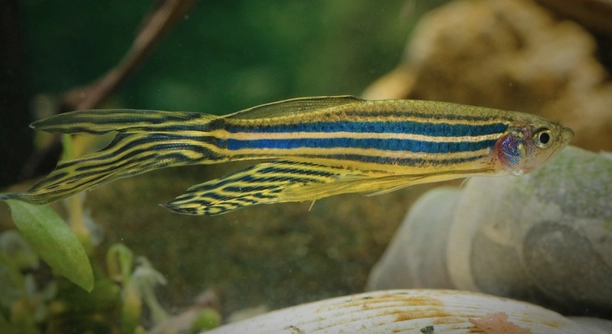
Do you ever find yourself watching your zebra danios swim in perfect unison and wonder if there’s a reason behind it?
Zebra danios often swim side by side as a natural schooling behavior that helps them stay safe, communicate, and coordinate movement in their environment. This behavior also reduces stress and supports their social nature.
Understanding how schooling impacts their health and daily activity can help you create a more comfortable and stimulating tank environment.
Why Do Zebra Danios Swim Together So Closely?
Zebra danios are small freshwater fish that naturally form tight groups. This behavior is called schooling, and it helps them survive in the wild. Swimming close together makes it harder for predators to target just one fish. It also helps the group move more smoothly through their environment. Even in a home aquarium, these fish rely on each other for comfort and safety. Their schooling behavior lowers stress levels and keeps them active. If a zebra danio is alone or in too small a group, it can become anxious or hide often. Keeping them in groups of at least five can help them feel more secure. Their swimming patterns may also show how well they are getting along or adapting to their surroundings. Watching their interactions is a simple way to check their well-being.
Swimming side by side is more than a habit—it’s part of how they survive, connect, and feel safe.
When zebra danios are placed in a new tank or feel unsure, they often swim tighter together. As they become more comfortable, their formation may loosen a little, but they usually stay close. It’s a reflection of their natural behavior. This shows how important it is to keep their environment steady and calm.
What It Means for Your Tank Setup
Zebra danios need space to school properly. If their tank is too small, they can become stressed or aggressive. A longer tank works better than a tall one because it allows more horizontal swimming room. Plants and decorations can be helpful, but too many obstacles may disrupt their flow. Choose soft plants or smooth décor to keep them from injury while darting in and out of the group. Keep the water current moderate—too strong and they’ll get tired, too weak and they may lose interest in swimming as a group. A peaceful tank with stable water conditions encourages healthy, synchronized behavior. If you see them chasing each other or breaking away from the group often, it may be a sign of overcrowding or stress.
Providing the right setup can support their natural behavior and improve their overall well-being. Schooling is not just about movement—it reflects how balanced and safe they feel in your tank.
How Their Senses Play a Role
Zebra danios use their senses to stay connected while swimming. Their lateral line system helps them feel movement and pressure changes in the water, allowing them to match speed and direction with the group. This keeps them together even without directly looking at each other.
This built-in sensory tool helps zebra danios detect the movement of nearby fish. When one fish shifts direction or speed, others respond almost instantly. Their lateral line picks up on water vibrations, helping them adjust without bumping into one another. This keeps their schooling pattern smooth and coordinated. Light changes and water flow also guide their movement. They follow small cues to stay aligned, even in dim lighting. These subtle adjustments are continuous and automatic. It’s a key reason why they rarely break formation unless startled or disturbed. This system supports both their social habits and their safety within a group.
Hearing and vision also play a small part. They can see motion in the water and respond to the shadows or light changes caused by other fish. Their hearing helps them pick up on noises and vibrations, especially when something unusual is happening around them. Combined with the lateral line system, these senses keep them alert and in sync. This is especially helpful in tanks with mild water movement, where visual and vibration cues are easier to detect. These sensory systems work together constantly, giving zebra danios the tools they need to follow the group smoothly and avoid collisions or separation.
Behavior That Signals Discomfort
When zebra danios don’t school or begin chasing each other constantly, it can point to stress or a problem in the tank. This shift in behavior usually signals poor water quality, overcrowding, or illness. Isolation from the group may also mean the fish is sick or injured.
If the tank environment isn’t right, danios may break away from their usual schooling pattern. Loud noises, sudden light changes, or temperature shifts can cause them to dart or scatter. They may hide behind decorations or swim alone near the bottom. These are signs that something in the tank setup needs to be checked. Ammonia spikes, low oxygen levels, or a filter issue can lead to these reactions. Regular tank maintenance and a calm, stable environment help prevent these stress-related behaviors. Danios rely on routine, so keeping things steady supports their natural instincts to stay together and swim peacefully.
Zebra danios are social, and healthy fish usually prefer the company of others. If one fish is consistently avoiding the group or hiding more than usual, it may be facing health issues. This is a sign to look closer at its physical condition or how it’s eating. Faded colors, torn fins, or erratic movement can be additional signs of distress. In some cases, fish that used to school tightly may start fighting or chasing others. This can mean the tank is too small or there’s a shift in the group dynamic. Keeping a close eye on changes in their behavior helps spot problems early and keeps the group happy and active.
Group Size Matters
Keeping zebra danios in small numbers can lead to stress and unwanted behavior. A group of at least five is recommended, though six or more is ideal. Larger groups help spread out attention and reduce aggression between individual fish.
When housed alone or in pairs, zebra danios may become nervous and show signs of discomfort. They often feel more secure when surrounded by others of their kind. A properly sized group encourages natural schooling and more relaxed behavior throughout the day.
Feeding Can Influence Schooling
Feeding time can affect how zebra danios interact. When food is added to the tank, they may temporarily break from their school to chase flakes or pellets. This is normal and doesn’t mean something is wrong. However, if one fish always eats alone or avoids the group during feeding, it might be stressed or unwell. Spread food evenly across the tank so every fish has access. Floating food works best, as zebra danios usually stay near the top. Avoid overfeeding, since excess food can lead to poor water quality, which may affect their schooling behavior and health.
Water Flow Impacts Movement
Moderate water movement helps zebra danios stay active and school naturally. If the current is too strong, they may become tired or swim unevenly. A gentle, steady flow keeps them engaged without causing stress.
FAQ
Why do zebra danios swim in schools?
Zebra danios swim in schools as a survival mechanism. In the wild, swimming in groups makes it harder for predators to single out one fish. Schooling also allows for better communication, so they can coordinate movements and adjust speed in response to environmental changes. Their schooling behavior is a way to keep safe, socialize, and support each other in finding food or avoiding danger.
Can zebra danios live alone?
Zebra danios can technically live alone, but they are social fish that thrive in groups. Keeping them in isolation can lead to stress, which may cause them to hide or become less active. It’s better to keep at least five zebra danios together, as this allows them to engage in their natural schooling behavior, which promotes better overall health and happiness.
What should I do if my zebra danios are not swimming together?
If your zebra danios are not schooling, it could be a sign that something is wrong with their environment. Common causes include poor water quality, overcrowding, or stress due to sudden changes in temperature, light, or noise. Check your water parameters, ensure the tank is large enough, and provide them with plenty of hiding places. If their behavior doesn’t improve, you may need to reevaluate their living conditions or consult a vet.
How can I tell if my zebra danios are stressed?
Signs of stress in zebra danios include erratic swimming, hiding frequently, clamped fins, or faded colors. They may also stop schooling and swim alone. Poor water quality, overcrowding, sudden temperature changes, or aggressive tank mates can all contribute to stress. Regular water changes and proper tank setup can reduce stress levels and improve their overall well-being.
Can zebra danios live with other fish?
Yes, zebra danios are peaceful and can live with a variety of other fish, especially other small, non-aggressive species. They do well in community tanks, but it’s essential to avoid housing them with overly territorial or aggressive fish that may disrupt their schooling behavior. Ideal tank mates include guppies, tetras, and other calm freshwater species.
What is the best tank size for zebra danios?
For a small group of zebra danios, a 20-gallon tank is usually sufficient. A larger tank allows for more space to swim and for the group to establish a comfortable swimming pattern. The key is ensuring enough room for the fish to school without feeling cramped. Larger tanks also make it easier to maintain water quality, which is important for their health.
How often should I feed zebra danios?
Zebra danios should be fed small amounts two to three times a day. Their small size and active nature mean they burn through energy quickly, so regular feeding helps keep them healthy and energetic. Offer a variety of foods such as high-quality flakes, pellets, and occasional live or frozen food like brine shrimp or daphnia. Be careful not to overfeed, as this can lead to poor water quality.
Do zebra danios need a filter?
Yes, zebra danios need a filter to keep their water clean and oxygenated. A filter helps maintain stable water parameters by removing waste and excess food. However, it’s important to choose a filter with a gentle current, as zebra danios prefer moderate water movement. Too strong of a current can cause them to swim erratically and stress them out.
How long do zebra danios live?
Zebra danios typically live for about 3 to 5 years in a well-maintained tank. Their lifespan can be influenced by factors like water quality, diet, and tank conditions. Regular maintenance, proper feeding, and providing a stable, stress-free environment can help them live longer, healthier lives.
Can zebra danios breed in a tank?
Yes, zebra danios can breed in a tank, and they are relatively easy to breed in captivity. They are egg scatterers, meaning they release eggs into the water for fertilization. To breed them successfully, it’s best to set up a breeding tank with soft plants or mesh for the eggs to stick to. After breeding, remove the adults to prevent them from eating the eggs. The eggs will hatch in about 2 to 3 days, and the fry will need special care to ensure they grow strong.
Why are my zebra danios fighting each other?
While zebra danios are generally peaceful, occasional chasing or nipping can happen, especially if the tank is overcrowded or there’s a lack of resources like hiding spots. It’s usually more common when there are fewer danios in the tank. Adding more fish or increasing the tank’s size can help reduce aggression. If the fighting persists, check for other issues like water quality or compatibility with other species.
Do zebra danios need plants in their tank?
While zebra danios don’t need plants to survive, having some plants in their tank helps mimic their natural environment and provides hiding spots, which makes them feel safer. Plants also improve water quality by absorbing nitrates and providing oxygen. Be sure to choose non-toxic plants that won’t harm the fish if they nibble on them.
What temperature is best for zebra danios?
Zebra danios prefer water temperatures between 65°F and 75°F (18°C to 24°C). They can tolerate a range of temperatures but thrive in this moderate range. Keeping the water temperature stable is important for their overall health, as fluctuations can lead to stress or even illness. Using a reliable aquarium heater will help maintain the right temperature in the tank.
How can I tell if my zebra danio is male or female?
Male zebra danios are generally slimmer and more colorful, with vibrant blue stripes that stand out more. Females tend to be larger, rounder, and less colorful, with a more subdued body. During breeding, males may chase the females around the tank to encourage spawning. If you’re looking to breed, having a mix of males and females is ideal.
Can zebra danios get diseases?
Yes, zebra danios can be affected by common fish diseases such as ich, fin rot, and velvet disease. Keeping the tank clean, maintaining good water quality, and avoiding overcrowding are key to preventing illness. If you notice unusual behavior like scratching against objects, clamped fins, or white spots on their body, it could be a sign of a disease that requires treatment.
Final Thoughts
Zebra danios are fascinating fish that thrive in groups and display unique schooling behaviors. Watching them swim together in harmony is a clear sign of their social nature and well-being. Keeping them in groups of five or more is essential for their comfort and happiness. When housed in an environment that meets their needs, zebra danios are active, vibrant, and a joy to watch. They provide a calming presence in your tank, making them a popular choice for beginners and experienced fishkeepers alike.
Maintaining a healthy environment is key to ensuring your zebra danios stay happy and healthy. Regular water changes, proper filtration, and monitoring of water temperature and pH are important. Also, keeping a close eye on their behavior can help you identify stress early. If your fish start to swim erratically, break away from the group, or show signs of illness, it’s essential to address the issue right away. Whether it’s adjusting the water flow, adding more fish, or checking for tank problems, staying proactive will help your zebra danios live a long, healthy life.
Ultimately, zebra danios are resilient and adaptable fish that make great additions to any aquarium. With the right care, they can bring life to your tank and offer a glimpse into the natural world of schooling fish. Their friendly behavior and ease of care make them an excellent choice for fish keepers at any level. So, by ensuring they have a comfortable, spacious environment and meeting their social needs, you can enjoy their graceful, coordinated swimming for years to come.

Hello,
If you enjoy the content that we create, please consider saying a "Thank You!" by leaving a tip.
Every little bit helps us continue crafting quality advice that supports the health, happiness, and well-being of pets around the world, for pets of all shapes, sizes, and species.
We really appreciate the kindness and support that you show us!