
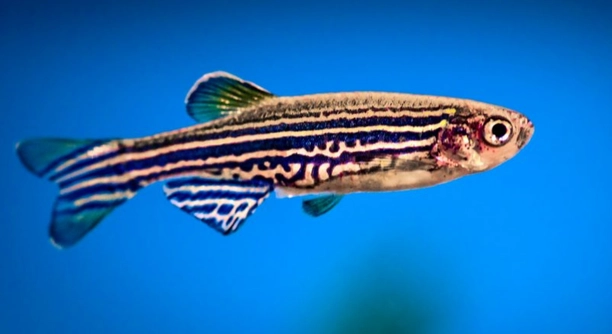
Have you ever walked past your aquarium at night and noticed your zebra danios hovering near the heater instead of swimming around?
Zebra danios often hover over the heater at night due to a drop in tank temperature. This behavior helps them regulate their body temperature, especially if the surrounding water becomes cooler than their preferred comfort range.
Understanding their nighttime behavior can help you maintain a more stable environment and ensure your zebra danios stay comfortable and healthy.
Why Warmer Spots Attract Zebra Danios at Night
Zebra danios are tropical fish, and they prefer stable, warm temperatures to stay active and healthy. At night, aquarium temperatures can drop slightly, especially in rooms that cool down after sunset. The heater creates a warm zone that feels more comfortable to them, and hovering near it helps them regulate their body temperature. This behavior is especially common in smaller tanks or those with inconsistent heating. It’s not always a sign of stress, but it’s something to monitor. If they’re consistently staying by the heater even during the day, it might be time to check your tank’s setup.
This nighttime behavior is a natural way for zebra danios to adapt to slight changes in their environment.
Make sure your heater is strong enough for your tank size. A weak or old heater may not keep the water temperature stable at night. Consistency helps reduce stress and maintain healthy activity levels.
What You Can Do to Help
Avoid sudden changes in water temperature, especially during colder months or when using air conditioning.
If you notice your zebra danios hovering near the heater at night but swimming normally during the day, your setup might be fine. However, if they begin showing signs of sluggishness, hiding, or crowding the heater even during daytime, it’s time to reassess. Start by checking the wattage of your heater—it should match the size of your tank. A 10-gallon tank usually needs a 50-watt heater, for example. You can also add a thermometer on the opposite side of the heater to check how well heat is being distributed. If there’s a big temperature gap across the tank, consider adding a second small heater or improving water circulation. These changes help keep your fish comfortable, especially during cooler nights.
Monitoring Temperature Fluctuations
Sudden temperature drops can make zebra danios uncomfortable, especially at night. A drop of just a few degrees may cause them to move closer to the heater. Regular monitoring can help keep the water consistent and safe for your fish.
Use a reliable aquarium thermometer to track temperature changes throughout the day and night. Stick-on thermometers are easy to use but might not be as accurate as digital or submersible options. Record temperatures at different times—morning, afternoon, and late evening—to catch fluctuations. If you notice drops at night, consider adjusting your room’s climate or using an aquarium cover to help trap heat. These small steps can reduce the need for zebra danios to hover over the heater and create a more comfortable environment for all your fish. Avoid placing the tank near windows or vents, as this can make the water harder to keep stable.
Make adjustments gradually to avoid shocking the fish. Give them time to respond before changing anything else. Observe their behavior for a few nights in a row. If they stop hovering over the heater after temperature stabilizes, that’s a good sign. Even small tweaks, like repositioning a heater or adjusting your room’s thermostat, can make a big difference in their comfort. Keep notes to track what helps.
When Hovering Signals a Bigger Problem
If your zebra danios are always near the heater and show no interest in swimming elsewhere, something might be wrong. It could be poor water circulation, a malfunctioning heater, or other stress factors that need to be checked immediately.
Start with the basics—test the water parameters, including ammonia, nitrites, nitrates, and pH levels. Poor water quality often causes stress, making fish seek comfort near warmer spots. Check your filter to ensure it’s working well and that water is circulating evenly throughout the tank. If the heater is old or inconsistent, replace it with a trusted brand that offers stable performance. Also, consider adding a small sponge filter or a gentle air stone to help spread warmth more evenly. Keep an eye on their behavior after adjustments—healthy zebra danios will explore all parts of the tank and swim actively. When in doubt, consult a reliable aquarium care guide or ask an experienced aquarist for input.
Improving Water Circulation
Poor circulation can lead to uneven temperatures, especially in larger tanks. Zebra danios may hover near the heater if the rest of the tank feels too cold. Using a small internal filter or air stone can help distribute warmth better.
Try adjusting the filter output to gently move water across the tank. Avoid strong currents that might stress your zebra danios. Smooth circulation helps keep all areas of the tank at a consistent temperature, reducing the need for fish to crowd around warm spots like the heater.
Adjusting Heater Placement
Placing the heater near the filter intake helps spread warm water evenly. This setup allows heat to circulate better, reaching all corners of the tank. If heat stays trapped in one area, fish will naturally gather there more often.
Watching for Stress Behaviors
Hovering alone may be harmless, but if paired with hiding, pale color, or loss of appetite, stress could be involved. Watching how often and when it happens can help you figure out what your zebra danios really need.
FAQ
Why do zebra danios hover over the heater at night?
Zebra danios hover over the heater at night to maintain a comfortable body temperature. As tropical fish, they thrive in warm water, and cooler temperatures in the tank at night might prompt them to gather near the heater to stay warm. This is especially noticeable if the water temperature drops by just a few degrees. It’s their way of adjusting to a shift in their environment. While this is normal behavior, consistent hovering could signal an issue with water temperature regulation.
Can zebra danios survive without a heater?
Zebra danios are tropical fish and generally require a heater to thrive in most home aquariums, especially if the room temperature fluctuates. They prefer water temperatures around 70-78°F (21-26°C). Without a heater, the water could become too cold, leading to a weakened immune system or even illness. However, in warmer climates where the room stays consistently warm, they may survive without a heater, though it’s still better to provide one to maintain their ideal environment.
How can I tell if my zebra danios are stressed?
Stress in zebra danios is often marked by a lack of activity, faded colors, loss of appetite, or unusual hiding behavior. If they are constantly near the heater or clinging to one area, it could be a sign of discomfort. A stressed fish might also swim erratically, avoid schooling, or appear to be breathing heavily. Stress factors include poor water quality, sudden changes in temperature, inadequate tank size, or even aggressive tank mates. Monitoring their behavior and adjusting the tank conditions can help ease their stress.
What should I do if my zebra danios won’t leave the heater?
If zebra danios are constantly hovering by the heater, it might mean the water temperature is not stable or is too cold in other areas of the tank. Check the temperature throughout the tank and adjust the heater or improve water circulation. Make sure the heater is appropriate for the tank size and working properly. If the water temperature is fine and the fish still hover, check for other stressors like poor water quality or aggressive tank mates.
Is it safe to adjust the heater temperature frequently?
It’s not advisable to adjust the heater temperature too frequently, as sudden temperature changes can stress your zebra danios. Fish prefer a stable environment, so it’s best to set the heater to the desired temperature and leave it. If you need to adjust it, do so gradually, and always ensure that the tank water is evenly heated. Using a thermometer to track the temperature can help ensure consistency and avoid drastic fluctuations.
Why do zebra danios swim in circles around the heater?
If zebra danios are swimming in circles around the heater, it could be a sign that they’re trying to stay in the warmer water zone, especially if the temperature elsewhere in the tank is too cold. They may also be exhibiting a behavior called “thermal seeking,” which means they’re actively looking for a spot that helps them regulate their body temperature. If this behavior is constant, it may indicate a problem with water circulation or heater placement that needs adjustment.
Can zebra danios live with other fish in the same tank?
Yes, zebra danios are generally peaceful and can live with other fish, especially those that are non-aggressive and prefer similar water conditions. They tend to get along with species like tetras, guppies, and other small, peaceful fish. However, it’s important to ensure that the tank is not overcrowded and that there is enough space for all fish to swim freely. Aggressive fish can cause stress and might lead to behavior changes like hovering near the heater.
How often should I clean my zebra danios’ tank?
Cleaning your zebra danios’ tank regularly is important to maintain healthy water conditions. A partial water change of 25-30% is recommended every 1-2 weeks. In addition to water changes, you should vacuum the substrate to remove uneaten food, fish waste, and debris. The filter should also be cleaned monthly, but avoid doing it all at once to avoid disrupting the beneficial bacteria in the tank. Keeping the tank clean helps prevent poor water quality, which could contribute to stress and excessive hovering.
Do zebra danios need a specific type of heater?
Zebra danios don’t need a special type of heater, but it’s essential to use a reliable and efficient aquarium heater that suits your tank size. Choose a heater with a thermostat to maintain a stable temperature. Submersible heaters are popular and work well because they can be placed completely underwater. Make sure the heater is appropriate for the size of your tank, as an undersized heater won’t be able to maintain the right temperature. Always check the heater’s functionality regularly to ensure it’s working correctly.
What temperature is best for zebra danios?
Zebra danios thrive in water temperatures between 70°F and 78°F (21°C to 26°C). They are sensitive to sudden temperature changes, so it’s important to maintain a consistent temperature in this range. If the temperature drops too low, zebra danios may become sluggish, stressed, or more susceptible to disease. On the other hand, temperatures above 80°F (27°C) can also stress them out. Use a thermometer to monitor the tank and a reliable heater to keep the water temperature stable.
Why do zebra danios swim in schools?
Zebra danios are schooling fish, which means they naturally swim in groups. This behavior is instinctual and helps protect them from predators in the wild. In an aquarium, it’s best to keep at least six zebra danios together to encourage natural behaviors and reduce stress. Schools of fish often swim together in a coordinated pattern, making them feel safer and more comfortable in their environment. If your zebra danios aren’t schooling, it might be due to stress, poor tank conditions, or incompatible tank mates.
How do I know if my zebra danios are comfortable in their tank?
Comfortable zebra danios are active, swim in schools, and explore all areas of the tank. Their colors should be bright, and they should have a good appetite. If your zebra danios are swimming erratically, hiding, or constantly near the heater, it could indicate stress. Keep an eye on their behavior and adjust the tank conditions if necessary. Ensuring stable water temperature, good water quality, and proper tank mates can help create a comfortable environment for your zebra danios.
Can zebra danios survive in low-light conditions?
Zebra danios can survive in low-light conditions, but they prefer moderate lighting. Too much light can stress them, while too little can affect their natural behavior and reduce their activity levels. Providing a day-night cycle with about 10-12 hours of light and 12-14 hours of darkness can mimic their natural environment. You can use a simple aquarium light that provides soft, diffused light. It’s important to avoid direct sunlight, as it can cause temperature fluctuations and algae growth.
Final Thoughts
Zebra danios are fascinating little fish that display unique behaviors, especially when they hover near the heater. Understanding why they do this helps aquarium owners provide a better environment for their fish. Whether it’s the temperature, water circulation, or a sign of stress, the key is observing and making small adjustments to the tank. Keeping the water at the right temperature, ensuring the tank isn’t overcrowded, and maintaining clean water conditions can go a long way in making sure your zebra danios thrive.
While it’s natural for zebra danios to seek out warmth, excessive time spent near the heater could indicate an issue. It might not always be something to worry about, but it’s important to monitor their behavior regularly. If hovering becomes frequent or is paired with other signs of stress, such as lack of activity or faded colors, it may be time to check the water quality or even adjust the heater placement. Taking a few moments each day to observe your fish can help you detect any underlying problems before they become serious.
In the end, zebra danios are resilient fish that can live happily in a well-maintained tank. By keeping a close eye on their needs, you can provide them with the ideal conditions. Whether it’s adjusting the heater, improving circulation, or simply ensuring they have enough space to swim, small steps can make a big difference. A healthy environment not only helps your zebra danios thrive but also enhances the enjoyment of watching these lively fish move around the tank.

Hello,
If you enjoy the content that we create, please consider saying a "Thank You!" by leaving a tip.
Every little bit helps us continue crafting quality advice that supports the health, happiness, and well-being of pets around the world, for pets of all shapes, sizes, and species.
We really appreciate the kindness and support that you show us!