
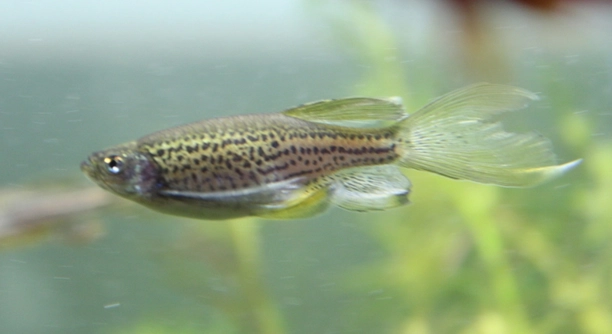
Are your zebra danios suddenly grouping together more tightly than usual, swimming in close, synchronized patterns around the tank?
Zebra danios often begin schooling tightly due to environmental stress, perceived threats, or changes in water conditions. This behavior is a natural survival response, helping the fish feel safer and more secure in their surroundings.
Exploring what causes this shift can help you create a better, more peaceful space for your fish to thrive in.
What Triggers Tighter Schooling in Zebra Danios
Zebra danios are known for their active and social nature, but when they start schooling more tightly, it’s often their way of coping with change. One of the most common reasons is stress, which can come from a variety of sources like poor water quality, sudden changes in temperature, or overcrowding in the tank. They may also react this way when they sense danger, such as a new fish being introduced or increased movement outside their tank. Tighter schooling gives them a sense of safety. It mimics how they behave in the wild when faced with predators. This instinct helps them stay organized and ready to move as one. Even something as simple as inconsistent lighting or a loud noise nearby can influence their behavior. Watching closely for these changes in their schooling pattern can help you notice signs of discomfort before other symptoms show up.
Zebra danios also school tightly when they are unsure of their surroundings, especially in a new or recently cleaned tank.
To help them feel more relaxed, maintain stable water conditions and reduce sudden disruptions. Giving them a calm, predictable space can ease their need to stay grouped so tightly.
How You Can Support Their Natural Behavior
Creating a stable and peaceful tank setup can prevent sudden shifts in your danios’ schooling habits.
It’s important to start by checking your tank’s water quality regularly. Even a slight change in ammonia or nitrate levels can affect how comfortable your fish feel. Use a test kit to stay on top of any chemical imbalances. Keep the water temperature steady and avoid placing the tank near noisy or high-traffic areas. Adding plants or hiding spaces can give them more control over their environment, reducing anxiety. If you’ve recently added new fish, make sure they are compatible and not aggressive. Danios do well in groups of at least six, so having the right number can also affect their schooling behavior. A small group may feel exposed, while a larger group provides security. Stick to a regular feeding schedule and try not to rearrange tank decorations too often. Small efforts like these can go a long way in making your fish feel at ease.
Common Mistakes That May Increase Stress
Changing too many things at once in the tank can overwhelm your danios. Sudden shifts in lighting, decor, or tankmates may confuse them and trigger tight schooling behavior as a response to feeling unsure or unsafe.
Using strong filters that create fast-moving currents may also make your danios feel stressed, especially if they don’t have calmer areas to rest. They prefer some water movement, but too much can lead to exhaustion. Feeding inconsistently or switching foods without easing into the change may also disturb their routines. Noise and vibrations near the tank—like tapping the glass or placing it near speakers—can create an uncomfortable environment. Cleaning the tank too aggressively, such as removing all decorations or changing large amounts of water at once, may also disrupt their sense of stability. It’s better to keep routines gentle and predictable for them to stay relaxed and feel secure.
Not having enough companions is another mistake. Zebra danios are naturally social, and being kept in a small group or alone can leave them feeling unsafe. This often leads them to school tightly as a way to manage that sense of insecurity. Keeping at least six danios together can reduce this behavior.
Signs to Watch for Beyond Schooling
While tight schooling is a strong sign of stress, it’s not the only one you may notice. Keep an eye out for fast gill movement, sudden darting, or hiding more than usual. These often go hand in hand with schooling changes.
If your zebra danios seem dull in color, lose interest in food, or hover near the surface or bottom for long periods, those are clear signs something is off. Flicking or rubbing against tank surfaces could indicate irritation from poor water quality. Stress can also make them more prone to illness, so changes in fin condition or the appearance of white spots may follow if the problem isn’t addressed. Some fish may isolate themselves or even show aggressive bursts if they’re uncomfortable. Catching these early signs makes it easier to fix the issue before it affects the entire tank. Watching your fish closely each day helps you learn what’s normal and what isn’t.
Tank Setup Tips for Calmer Schooling
Keep the tank size appropriate—at least 10 gallons for a small group of zebra danios. A larger tank allows more swimming space and helps reduce crowding, which can lower the chances of tight schooling from stress.
Use gentle filters, steady lighting, and provide live plants or rocks as hiding spots. These additions make your danios feel safer and give them more control over their space.
When to Consider Rehoming or Adding Fish
If you only have two or three danios, adding a few more might help. They feel more secure in larger groups and are less likely to school tightly from stress. Aim for six or more of the same species. When choosing tankmates, avoid aggressive or much larger fish, as they can intimidate your danios. Peaceful community fish like tetras or rasboras usually make good companions. If you notice ongoing aggression or your danios never seem to settle, it might be best to rehome the fish causing tension. Pay close attention to how they interact after changes. A calm tank dynamic makes a big difference in their behavior.
Helpful Routine Checks
Test water quality weekly and keep a log. This helps catch issues before they affect your fish. Watch for temperature drops or spikes, and check that all equipment is working as expected.
FAQ
Why are my zebra danios suddenly schooling tightly at the top of the tank?
When danios school tightly at the surface, it often means they are stressed and possibly gasping for air. Poor oxygen levels, high ammonia, or low water quality can lead to this. Check your water parameters immediately. A lack of aeration or a broken filter could also cause this shift in behavior. Sometimes, the temperature may be too warm, which reduces the oxygen level in the water. A thermometer and air stone can help you fix this issue. Also, make sure you’re not overcrowding the tank, as that can make oxygen drop quickly.
Is tight schooling always caused by stress?
Not always, but it’s a strong indicator. Sometimes danios school tightly when they are excited or exploring a new environment, but if it lasts more than a day or two, it usually signals discomfort. Stress can come from poor water quality, temperature swings, or loud sounds near the tank. Make sure nothing in the tank has changed recently. If the schooling is constant and combined with other signs like hiding or loss of color, stress is the likely cause. It’s important to observe them closely and rule out physical health issues as well.
How many zebra danios should I keep together?
A group of at least six is best. Zebra danios are social fish and feel safer in larger groups. When kept in smaller numbers, they can become anxious and display more nervous behaviors like tight schooling. In larger groups, they distribute stress more evenly and tend to swim more freely. They will also be more playful and less likely to nip at each other. Always make sure your tank size is appropriate for the group. A bigger tank lets them spread out and reduces conflict. The more space they have, the more comfortable they’ll be.
Do danios school tightly at night?
Danios are less active at night, and while they may rest together, they don’t usually school tightly in the dark unless something is disturbing them. If they are grouped and moving a lot during nighttime hours, it may mean the tank is too bright or noisy. Make sure the lights are turned off at night and the environment stays quiet. A timer for the lights can help create a steady day-night cycle. It’s also a good idea to check if something near the tank—like a TV or speaker—is causing vibrations or sudden noises.
Should I be worried if only one danio is schooling tightly?
Yes, if just one danio is acting this way, it could be sick or feeling threatened by other fish. This behavior stands out because danios are normally group-oriented. Isolated schooling might be a sign of internal parasites, infections, or injury. Observe the fish closely for any spots, redness, or changes in how it swims. Also, check if other fish are picking on it. If the issue continues, you may want to separate the fish in a hospital tank and treat it accordingly. It’s better to act early before any problem spreads to the rest of the tank.
Can tank decorations affect schooling behavior?
Yes, too many open spaces or a lack of cover can make your danios feel unsafe. When they don’t have anywhere to retreat, they may respond by schooling tightly. Add live plants, rocks, or caves to help break up the line of sight and give them spots to explore. On the other hand, if the tank is too cluttered, they may become nervous and unable to swim freely. Try to strike a balance. Open swimming areas are important, but so are small hiding places that help them feel secure when needed.
How long does it take for schooling behavior to go back to normal?
It depends on the cause. If you fix the issue quickly—like adjusting water quality or calming the environment—they may return to their usual behavior within a day or two. But if the stress has been ongoing or if illness is involved, it could take a week or more. Be patient and consistent with care. Avoid making too many changes at once while they’re still adjusting. If things don’t improve, revisit each aspect of their care—tank size, water conditions, group size—to make sure nothing has been overlooked.
Can other fish cause danios to school tightly?
Definitely. If you’ve recently introduced new fish and your danios are suddenly schooling more tightly, they may feel threatened. Larger or faster fish can intimidate danios even if they aren’t aggressive. Keep a close eye on how the new fish interact with the danios. If there’s chasing, nipping, or territorial behavior, it’s worth considering separating them. Stick to peaceful tankmates that match their energy and size. The goal is to make sure everyone feels comfortable and not pushed into hiding or panic. Reducing stress in shared tanks often means rethinking which fish live together.
Final Thoughts
Zebra danios are active, social fish that usually enjoy swimming freely in their tank. When they suddenly start schooling tightly, it’s often their way of saying something feels off. This behavior can be caused by many things, including stress, poor water quality, or not enough companions. By noticing this shift early, you can take steps to help your danios feel more secure again. Watching how they swim, where they stay in the tank, and how they interact with each other gives you clues about their comfort. Paying attention to these small changes makes a big difference in keeping them healthy.
A few small changes to your care routine can quickly improve things. Keeping the water clean and at a steady temperature, using gentle filters, and providing a calm environment are all important. It also helps to keep a group of at least six danios, since they rely on each other for safety. Too few fish or an aggressive tankmate can make them anxious. Decorations, plants, and hiding spots can reduce stress and give your fish options. Just as important, avoid making too many changes at once. Sudden shifts in light, feeding, or layout can unsettle them. A consistent and steady routine helps them feel safe.
There’s no single fix that works in every situation, but being observant and patient goes a long way. When you understand what’s normal for your fish, it becomes easier to notice when something is wrong. Whether it’s tight schooling, hiding, or changes in appetite, these signs help you act quickly and prevent bigger issues. While it can be worrying to see unusual behavior, it’s also a chance to make your tank better and more balanced. Zebra danios are hardy and often bounce back once the problem is fixed. Taking the time to adjust their environment, even in small ways, helps create a peaceful space for them to thrive. Keeping a calm, stable tank not only supports your danios but also makes fishkeeping more enjoyable overall.

Hello,
If you enjoy the content that we create, please consider saying a "Thank You!" by leaving a tip.
Every little bit helps us continue crafting quality advice that supports the health, happiness, and well-being of pets around the world, for pets of all shapes, sizes, and species.
We really appreciate the kindness and support that you show us!