
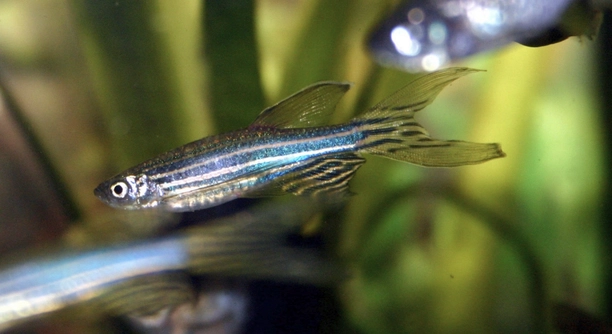
Have you ever noticed your zebra danio swimming with its mouth constantly open and wondered if something might be wrong?
Zebra danios often swim with their mouths open due to low oxygen levels, gill disease, or stress. This behavior may also occur in response to poor water quality or overcrowding, which can affect their ability to breathe normally.
Knowing what triggers this behavior can help you make changes to improve your fish’s comfort, health, and environment.
Common Causes Behind Open-Mouth Swimming
Zebra danios may swim with their mouths open for several reasons, often linked to environmental stress or health concerns. One common reason is poor water quality, especially when ammonia or nitrite levels rise. These toxins affect gill function, making it harder for the fish to breathe. Insufficient oxygen in the tank can also force them to swim near the surface with open mouths. High temperatures and overcrowded tanks reduce oxygen levels further. Another cause may be gill parasites or infections, which damage the gills and impair breathing. Sudden behavior changes often signal discomfort or stress, and it’s important to observe their overall activity level, appetite, and swimming pattern. Fish showing frequent gasping or erratic swimming need prompt attention. When symptoms persist, removing the source of stress or seeking veterinary advice may be necessary. Taking action early can help protect their health and keep the tank balanced and calm.
Mouth-open swimming should not be ignored, as it usually signals an issue with breathing, water quality, or health.
Pay close attention to tank conditions and perform routine checks. Clean water and proper filtration reduce many risks, especially those linked to stress or oxygen deficiency. Keeping the tank stocked within limits also supports healthy breathing.
How to Improve Breathing Conditions
Open-mouth behavior can often be improved by adjusting the tank’s oxygen and cleanliness levels. Test the water weekly using strips or liquid kits to monitor ammonia, nitrite, nitrate, and pH. Maintain stable temperature levels, ideally around 74–78°F. Increase aeration by adding an air stone or adjusting the filter output to increase surface movement. Avoid overfeeding, as uneaten food can decay and affect water quality. Replace 20–30% of the tank water weekly with clean, dechlorinated water. Keep the tank lightly stocked and avoid overcrowding, as too many fish reduce available oxygen and raise waste levels. If multiple fish are showing signs of distress, consider temporarily reducing feeding and increasing water changes. If you suspect illness, isolate the affected fish and monitor closely. Signs like inflamed gills or mucus buildup may indicate a parasite or infection that needs treatment. Prioritizing clean, oxygen-rich water makes a noticeable difference in fish behavior.
Small changes in care can often stop open-mouth swimming before it becomes a bigger concern.
If water quality is consistently good and the issue continues, it may point to a deeper health problem. In such cases, a vet who specializes in aquatic animals can guide further testing or treatment.
Recognizing Signs of Distress
Watch for signs like rapid gill movement, hovering near the surface, reduced appetite, or sudden isolation from other fish. These behaviors often mean the fish is uncomfortable or having trouble breathing properly due to poor water conditions or illness.
Zebra danios are active swimmers, so any drop in energy or changes in their behavior should be taken seriously. Gasping at the surface is one of the first signs of oxygen shortage. Clamped fins, discolored gills, or rubbing against tank surfaces may also point to irritation or gill disease. When several fish show these signs, it usually indicates a tank-wide issue. Even subtle shifts in swimming patterns, like floating near the filter outlet or refusing food, are signs of stress. Monitoring their daily routine helps you spot problems early. Acting quickly can often prevent long-term damage and restore their normal activity levels with only minor adjustments.
Staying consistent with tank care helps avoid most common problems. If you start seeing repeated signs of distress, test the water right away and review your maintenance routine. Clean filters, stable temperatures, and controlled feeding all play a role. Making these small checks part of your routine helps keep zebra danios active and responsive in their environment.
When to Consider Medical Help
If your zebra danio shows signs of distress after you’ve addressed water quality and oxygen levels, illness may be the cause. Parasites, bacterial infections, or gill damage from earlier stress can keep symptoms going. Medication may be necessary.
Watch for visible signs like swollen gills, labored breathing even in clean water, or mucus around the mouth and gills. If symptoms continue for more than a few days, isolate the fish in a separate tank to prevent spreading illness. Use aquarium salt or over-the-counter treatments only after identifying the issue. Some conditions, like flukes or bacterial gill disease, need targeted medications. A vet with aquatic experience can guide testing or recommend prescription options. If other fish are affected, treat the main tank as well. Avoid changing too much at once, as this can increase stress. Follow treatment directions carefully, and continue monitoring water conditions throughout the recovery period.
Preventing Future Issues
Keep your zebra danio’s tank clean and stable. Test the water weekly, perform regular partial water changes, and avoid overcrowding. Use a quality filter and make sure the temperature stays within the ideal range for your fish.
Feed a balanced diet and remove leftover food quickly. Uneaten food breaks down and affects water quality. Avoid sudden changes in water chemistry, and always use dechlorinated water for tank maintenance.
Understanding Zebra Danio Behavior
Zebra danios are fast, social fish that thrive in groups. They naturally swim near the surface and may gulp air occasionally, especially during active moments. Brief open-mouth swimming isn’t always a sign of distress, but ongoing behavior should be checked. Tank conditions, diet, and environment play a large role in how they behave. Staying familiar with your fish’s routine helps you spot when something feels off. If one fish acts differently for more than a day or two, investigate possible causes. A stable, low-stress setup supports healthy behavior and reduces the chances of illness or breathing trouble.
Safe Tank Setup Tips
Use a spacious tank with a secure lid, as zebra danios are known to jump. Include plants and open areas to let them swim freely and feel safe.
FAQ
Why is my zebra danio swimming with its mouth open?
Zebra danios may swim with their mouths open due to poor water quality, low oxygen levels, or illness. If the water contains high levels of ammonia, nitrites, or nitrates, fish may struggle to breathe. Another common cause is overcrowding, which reduces oxygen availability. Stress, infection, or gill parasites can also make it harder for the fish to breathe. Check the water parameters regularly and consider adding an air stone to increase oxygen levels. If the behavior persists, consider isolating the fish to monitor for other signs of illness.
How do I improve oxygen levels in my tank?
To improve oxygen levels, increase water movement using an air pump or an air stone. A sponge filter can also help circulate water and add oxygen without creating too much current. Ensure the tank’s surface has good movement, which helps oxygen exchange. Regular water changes also support oxygen levels by reducing toxins in the water. Keeping the temperature within an optimal range (74–78°F for zebra danios) is crucial, as warmer water holds less oxygen.
Is it normal for zebra danios to swim near the surface with their mouth open?
Occasionally, zebra danios may swim near the surface with their mouths slightly open, especially when they are active or excited. However, if this behavior becomes constant, it could signal poor water quality, oxygen depletion, or stress. If the fish also shows signs of gasping, reduced energy, or erratic swimming, it’s time to check the tank’s conditions. Test for high ammonia or nitrite levels and ensure proper aeration.
How often should I change the water in my zebra danio’s tank?
Perform partial water changes of 20–30% every week to keep the tank clean and remove accumulated toxins. Regular water changes also replenish essential minerals and prevent harmful bacteria from growing. If your tank is heavily stocked or has high waste levels, you may need to change the water more frequently. Always use dechlorinated water and match the temperature of the new water to that of the tank to avoid stressing your fish.
Can poor tank conditions cause zebra danios to stop eating?
Yes, poor water conditions are a common reason why zebra danios may stop eating. Elevated ammonia, nitrites, or nitrates, along with low oxygen levels, can cause stress and reduce their appetite. Check water quality regularly and ensure the tank is not overcrowded. If the fish continues to refuse food, look for signs of illness or parasites, as this could also cause a loss of appetite.
Are zebra danios prone to any specific diseases?
Zebra danios can be affected by various diseases, including gill flukes, ich, and velvet. Gill flukes are a common issue that can cause open-mouth swimming, labored breathing, and rubbing against objects. Ich is a parasitic infection that causes white spots on the skin and fins, while velvet presents as a golden or rusty dusting. Regular water changes, proper filtration, and avoiding overcrowding can help prevent these issues. If you notice any signs of illness, quarantine the affected fish and treat it immediately.
What should I do if my zebra danio has swollen gills?
Swollen gills can indicate a gill infection or parasite. Infected gills may also appear discolored, red, or covered in mucus. To treat swollen gills, consider using an anti-parasitic or anti-bacterial treatment, depending on the cause. Isolate the fish in a quarantine tank to reduce stress and monitor its condition closely. Clean the main tank thoroughly and improve water quality to prevent the spread of infection. If symptoms persist, consult a vet experienced with aquatic animals for a proper diagnosis.
Can overcrowding cause zebra danios to swim with their mouths open?
Yes, overcrowding can significantly stress zebra danios and lead to open-mouth swimming. When there are too many fish in the tank, the oxygen levels decrease, and waste builds up, making it harder for the fish to breathe. To prevent overcrowding, ensure the tank provides enough space for each fish. A general rule is 1 inch of fish per gallon of water, though zebra danios may need more space depending on other tank conditions. Regular water changes can help reduce the impact of overcrowding.
Why are my zebra danios swimming erratically?
Erratic swimming can be caused by several factors, including poor water quality, high temperatures, or stress. If the water is polluted, the fish may have trouble swimming normally. Additionally, if the temperature fluctuates too much or is too high, it can cause discomfort and erratic behavior. Check the tank conditions, perform a water change, and monitor the temperature. If the behavior continues, it may indicate a health problem, such as parasites or infection, and treatment may be needed.
Do zebra danios need a filter?
Yes, zebra danios need a filter to maintain water quality. A filter helps remove waste, excess food, and harmful chemicals from the water. It also keeps oxygen levels stable by promoting water movement. Make sure to choose a filter that is suitable for the size of your tank. Regular maintenance, such as cleaning the filter every few weeks, is essential to ensure it continues to function properly. A good filter is one of the easiest ways to maintain a healthy tank and prevent issues like open-mouth swimming.
Final Thoughts
Zebra danios are resilient fish, but they rely heavily on stable and clean tank conditions to thrive. If your zebra danio is swimming with its mouth open, it’s often a sign that something in the tank needs attention. Poor water quality, low oxygen levels, or overcrowding can all contribute to this behavior. Regular water changes, proper filtration, and maintaining optimal water parameters are essential steps to ensure your fish stays healthy. Keeping the environment clean and stress-free goes a long way in preventing unnecessary health problems for your zebra danios.
Monitoring your fish regularly is crucial for spotting early signs of trouble. Pay close attention to any changes in behavior, such as erratic swimming, a loss of appetite, or abnormal gill movement. These can be signs of stress or illness, often caused by factors like water conditions, temperature, or infection. Addressing issues promptly, whether it’s improving water quality or isolating sick fish, helps prevent more serious complications. A good rule of thumb is to test your water at least once a week to stay ahead of any potential problems. If issues persist, it may be worth consulting with an experienced aquatic veterinarian to ensure the health of your fish.
The health of your zebra danios is closely linked to the care they receive. With proper attention to their environment, diet, and social needs, zebra danios can thrive and display their vibrant personalities. They are generally hardy fish, but a few simple steps can help you maintain their well-being for years to come. Ensure that your tank is properly sized, that water parameters are regularly checked, and that your fish are not overcrowded. Providing a stable, low-stress environment will allow your zebra danios to flourish, making them a wonderful addition to your aquarium.

Hello,
If you enjoy the content that we create, please consider saying a "Thank You!" by leaving a tip.
Every little bit helps us continue crafting quality advice that supports the health, happiness, and well-being of pets around the world, for pets of all shapes, sizes, and species.
We really appreciate the kindness and support that you show us!