
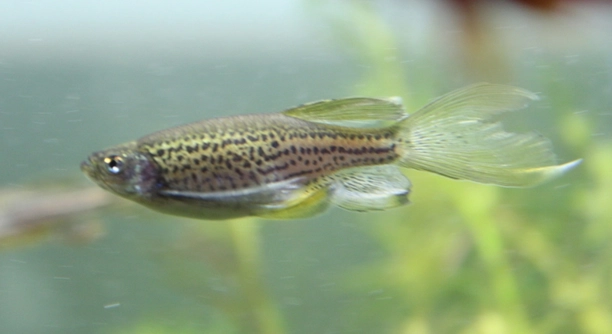
Zebra Danios are popular aquarium fish, known for their playful behavior and lively swimming. However, some owners notice their fish swimming upside down. If you’ve observed this unusual behavior in your zebra danio, you’re not alone.
Zebra Danios swimming upside down is often a sign of a swim bladder issue. This condition affects the fish’s ability to control its buoyancy and can be caused by stress, poor water conditions, or infection.
Understanding the causes behind this behavior can help you address it and improve your fish’s health. Knowing what might be affecting your zebra danio’s swimming habits is key to ensuring it thrives in your aquarium.
Common Causes of Upside-Down Swimming
One of the most common reasons zebra danios swim upside down is a swim bladder disorder. The swim bladder is a small organ that helps fish maintain their buoyancy. When it is damaged or malfunctioning, the fish can struggle to stay balanced in the water. In some cases, the fish may end up swimming upside down or leaning to one side. Stress and sudden changes in the water environment, like temperature fluctuations or poor water quality, can contribute to this issue. Improper feeding, such as overfeeding or feeding inappropriate foods, can also cause swim bladder problems.
Over time, these problems may worsen if not addressed. Watching your fish for signs of stress, like erratic swimming or reduced appetite, can help you catch issues early. Additionally, maintaining a consistent and clean tank environment is essential for preventing swim bladder disorders.
Regular water changes, monitoring the tank temperature, and providing a balanced diet will help minimize the risk of swim bladder issues. A stable environment can significantly reduce the likelihood of this condition happening.
Treatment for Swim Bladder Issues
Once you identify that your zebra danio is experiencing swim bladder problems, it’s important to take steps to help. The first step is to improve the water quality. Regular water changes and making sure the temperature is stable will provide a more comfortable environment for your fish.
If your zebra danio’s condition doesn’t improve, you may need to isolate the fish in a hospital tank for treatment. In this tank, you can better control the water quality and reduce the stress from other tank mates. Offering a fasting period of 24 to 48 hours can also give the swim bladder time to recover. After this period, you can reintroduce food, but make sure to feed smaller, easily digestible portions to avoid further stress on the swim bladder.
In some cases, your zebra danio might need medication if an infection is present. It’s always a good idea to consult a veterinarian who specializes in fish health for guidance.
Stress and Its Impact on Zebra Danios
Stress is one of the leading causes of upside-down swimming in zebra danios. Stress can be triggered by various factors, such as sudden changes in water temperature, overcrowding, or the presence of aggressive tank mates. Even too much handling or too much noise around the tank can upset your fish.
If stress is the cause, the fish may swim erratically or even upside down as a result. Creating a calm and quiet environment can help ease your zebra danio’s stress. Ensuring the tank is appropriately sized for the number of fish can reduce overcrowding. Also, placing the tank in a quieter part of your home can help minimize disruptions.
It’s important to observe your fish closely to see if stress is the main issue. Sometimes, adding plants or decorations to create hiding spots will help your zebra danio feel safer. A more relaxed environment may allow your fish to recover naturally from the effects of stress, including abnormal swimming.
Improving Water Quality
Water quality plays a huge role in keeping your zebra danio healthy. Dirty or improperly maintained water can cause swim bladder issues and other health problems. Poor filtration, high levels of ammonia or nitrites, and low oxygen levels can stress your fish. Regular water testing will help ensure your tank conditions are optimal.
If your zebra danio is swimming upside down, begin by checking the water quality. Perform a partial water change and clean the tank to remove any debris or excess waste. Make sure the water is clear and free of harmful chemicals. Monitoring the pH, hardness, and temperature will also help keep your fish in a balanced environment.
Proper filtration is another key factor. A good filter will ensure the water is constantly circulating, which will help maintain healthy oxygen levels for your zebra danios. Clean water promotes healthy fish and reduces the chance of swim bladder disorders or stress-related issues. Regular maintenance is key to keeping your aquarium in top shape.
Overfeeding and Its Effects
Overfeeding can lead to swim bladder problems in zebra danios. When fish consume too much food, it can lead to digestive issues that affect their buoyancy. Undigested food may cause gas to build up in the swim bladder, preventing the fish from swimming properly.
It’s important to feed your zebra danio the right amount of food. A good rule is to feed them small portions twice a day, only as much as they can eat in a few minutes. Leftover food can decay and pollute the tank, further impacting water quality. Monitoring feeding habits is essential.
Infection and Disease
Swim bladder issues can sometimes be caused by bacterial or parasitic infections. These infections may cause inflammation or physical damage to the swim bladder, making it difficult for your zebra danio to swim normally. If you suspect an infection, isolating the affected fish can help prevent the spread.
If your zebra danio shows signs of illness, such as swimming upside down, discolored patches, or a loss of appetite, consider seeking treatment. The right medication can treat infections and help your fish recover. It’s always better to act quickly when dealing with potential diseases to ensure your fish’s well-being.
FAQ
Why is my zebra danio swimming upside down?
A zebra danio swimming upside down is typically a sign of a swim bladder problem. The swim bladder is an organ that helps the fish control its buoyancy. When this organ malfunctions due to factors like stress, poor water quality, or overfeeding, it can cause the fish to lose its ability to swim upright. Additionally, infections, parasites, and injury can also affect the swim bladder. Identifying the root cause, such as water conditions or feeding habits, can help resolve the issue.
What can I do to fix my zebra danio’s swim bladder problem?
To help a zebra danio with swim bladder issues, begin by improving the water quality. Perform regular water changes to ensure the tank is clean, with proper filtration and stable temperature. If overfeeding is suspected, fast your fish for 24-48 hours to give its digestive system time to recover. Offering smaller, easily digestible foods can also help. If the problem persists, consider isolating the affected fish in a hospital tank and consulting a veterinarian for specific treatment, especially if an infection is suspected.
How can I prevent swim bladder issues in the future?
Prevention starts with maintaining good water quality and avoiding overfeeding. Ensure that your tank is the right size for your zebra danios and that the water is filtered correctly. Regularly test the water for ammonia, nitrites, and pH levels to keep the conditions stable. Feeding your zebra danios only what they can eat in a few minutes helps prevent digestive problems. Lastly, reduce stress by placing the tank in a quiet area and providing hiding spots for your fish.
Can swim bladder issues be cured?
In many cases, swim bladder issues in zebra danios can be treated with proper care. Correcting water quality, adjusting feeding habits, and providing a stress-free environment can allow the fish to recover naturally. If an infection or parasite is the cause, medication may be required. It’s important to catch the problem early to improve the chances of recovery. In severe cases, where the swim bladder is permanently damaged, it may be more challenging to fully restore normal swimming behavior.
Is my zebra danio going to die from this?
It’s possible for a zebra danio to recover from swim bladder problems with the right care, especially if it’s addressed early. However, if the condition is left untreated or if it’s caused by a severe infection or injury, there is a risk that the fish could become weaker and eventually die. Providing immediate attention to water quality, feeding habits, and stress reduction can significantly improve your fish’s chances of recovery. Consulting a fish vet if the issue persists is a good step.
How long does it take for a zebra danio to recover from swim bladder issues?
The recovery time for a zebra danio with swim bladder issues depends on the severity of the condition and the underlying cause. In cases of mild digestive upset or overfeeding, the fish may recover in just a few days with proper care. If the issue is due to an infection or other health concerns, recovery could take longer, and ongoing treatment may be necessary. Patience and consistent care are key during the recovery process.
Can swim bladder problems be genetic?
While swim bladder problems are most often caused by environmental factors like poor water quality or stress, there could be a genetic predisposition in some zebra danios. Overbreeding or the use of fish with weakened genetics can sometimes lead to issues with buoyancy control. To minimize the risk, it’s a good idea to source zebra danios from reputable breeders who prioritize the health and genetic diversity of their fish.
What foods should I avoid feeding my zebra danio?
Avoid feeding your zebra danio foods that are too large, fatty, or difficult to digest. Overfeeding with dry foods, like flakes, can lead to digestive issues and contribute to swim bladder problems. Instead, opt for high-quality pellets or live food, such as brine shrimp or daphnia, which are easier for the fish to digest. Offering smaller, more frequent meals is a good way to prevent overfeeding and improve digestion.
Is it safe to add new fish to the tank if one has swim bladder issues?
If one of your zebra danios is experiencing swim bladder issues, it’s best to avoid adding new fish to the tank until the situation is resolved. Adding new fish can stress out the affected fish and may make the problem worse. Additionally, if the swim bladder issue is caused by an infection, introducing new fish could spread the illness. It’s better to wait until your zebra danio has recovered and the water conditions are optimal before adding new tank mates.
Can water temperature affect swim bladder function?
Yes, water temperature can significantly affect swim bladder function. If the water is too warm or too cold, it can stress the fish and disrupt their buoyancy control. Zebra danios prefer a stable temperature range of 64°F to 75°F (18°C to 24°C). Sudden changes in temperature can lead to swim bladder issues, as well as other health problems. Using a reliable aquarium heater and thermometer will help maintain a consistent temperature.
How do I know if my zebra danio is stressed?
Signs of stress in zebra danios include erratic swimming, rubbing against objects, reduced appetite, or hiding. Stressed fish may also have difficulty swimming properly, which could include swimming upside down or leaning to one side. Stress can be caused by poor water quality, overcrowding, aggressive tank mates, or sudden changes in the tank environment. Identifying and reducing stress factors quickly can help your zebra danio recover and maintain good health.
Can I treat swim bladder problems with salt?
In some cases, aquarium salt can be used to treat swim bladder problems, especially if the issue is related to an infection or minor irritation. However, it’s important to be cautious with salt treatments, as excessive salt can harm the fish, particularly in freshwater species like zebra danios. If using salt, dilute it in the water and follow recommended guidelines. Always monitor your fish closely during the treatment process and consult a fish health expert if unsure.
Final Thoughts
Swim bladder issues in zebra danios are common, but they are often treatable if caught early. The main causes of this problem include poor water quality, stress, overfeeding, or infections. If your zebra danio is swimming upside down, it’s important to assess its environment and health carefully. Start by checking the water conditions to ensure everything is stable, from temperature to pH levels. Clean water and a properly functioning filter are crucial for your fish’s health. Additionally, managing feeding habits and reducing stress can go a long way in preventing these issues.
While swim bladder problems can be concerning, most zebra danios recover with the right care. It’s important to avoid panicking and instead focus on providing a calm, stable environment. If overfeeding is suspected, fasting your fish for a short period, followed by offering smaller portions, can help. You should also look for signs of infections or parasites and consider isolating your fish in a separate tank if needed. Medication might be necessary if your zebra danio’s condition does not improve, but it’s always best to seek professional advice before treating the fish with any chemicals.
Lastly, prevention is key when it comes to swim bladder issues. Regular water changes, proper filtration, and monitoring water quality are essential steps to ensure a healthy aquarium environment. Keep an eye on your fish’s behavior, and avoid overcrowding the tank. By maintaining these basic habits, you can minimize the likelihood of swim bladder problems in the future and help your zebra danio thrive. If the problem persists, seeking help from a vet or an aquarium expert can offer additional solutions. In most cases, with proper care and attention, your zebra danio will return to its usual playful and healthy self.

Hello,
If you enjoy the content that we create, please consider saying a "Thank You!" by leaving a tip.
Every little bit helps us continue crafting quality advice that supports the health, happiness, and well-being of pets around the world, for pets of all shapes, sizes, and species.
We really appreciate the kindness and support that you show us!