
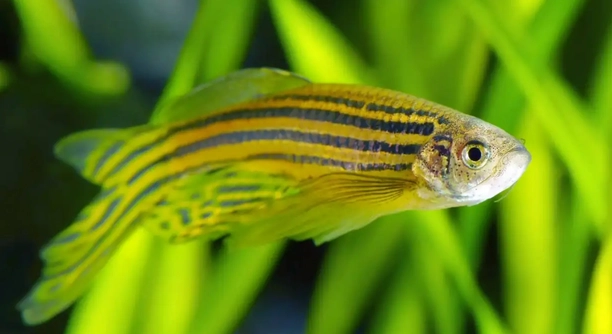
Zebra Danios are active and lively fish, but when they swim upside down, it can be a cause for concern. This behavior is not typical, and understanding the reasons behind it can help improve their well-being.
The main reason for your zebra danio swimming upside down is likely due to swim bladder issues. This organ helps control buoyancy, and when it malfunctions, it causes the fish to lose its balance. Poor water quality, overfeeding, or infections can all contribute to this condition.
Understanding the causes behind this behavior is essential in ensuring your zebra danio’s health and preventing further complications.
Understanding Swim Bladder Issues
Swim bladder problems are one of the most common reasons for zebra danios to swim upside down. This small, gas-filled organ helps the fish maintain its buoyancy. When it’s not functioning properly, the fish loses its ability to control its position in the water. Swim bladder disorders can result from several factors, such as bacterial infections, physical injury, or poor water conditions. If the water temperature is too high or the tank is overcrowded, it can stress the fish and lead to such issues. Additionally, overfeeding can cause the fish to develop gas build-up, further affecting its balance.
This issue often requires prompt attention to prevent further harm to your zebra danio. Regular water changes and maintaining a consistent temperature can reduce the risk. Additionally, adjusting the fish’s diet can help alleviate some of the symptoms, especially if overfeeding is the issue.
It’s essential to act quickly to address swim bladder problems. Left untreated, these issues can worsen, causing your zebra danio to become more lethargic and prone to other health complications. Keeping the water clean and providing a balanced diet are key steps to restoring their health.
Poor Water Quality
Water quality is one of the most important factors in maintaining the health of any aquarium fish. If your zebra danio is swimming upside down, poor water conditions could be a factor. Ammonia, nitrites, or nitrates can build up in the tank, creating an unhealthy environment for the fish. Regular water testing and proper filtration are necessary to keep levels in check.
The best way to ensure the water is safe for your fish is to perform regular water changes, at least once a week. Testing the water for harmful chemicals like ammonia, nitrites, and nitrates should be part of your routine. If levels are high, immediate action is required.
To address poor water quality, start by testing the water and adjusting it accordingly. Proper filtration and water changes can resolve many issues. Avoid overcrowding the tank to reduce stress on the fish and keep the water quality balanced.
Overfeeding and Digestive Issues
Overfeeding is a common cause of swim bladder problems in zebra danios. When they consume too much food, the excess can cause bloating, leading to buoyancy issues. This creates an imbalance, causing the fish to swim upside down. To avoid this, ensure you’re feeding them an appropriate amount.
Reducing the frequency and quantity of feeding will help maintain their digestive health. It’s important to only give your zebra danio as much food as it can eat in a few minutes. Any uneaten food should be removed from the tank to prevent it from decomposing and affecting water quality. Keep the feeding schedule consistent to avoid overloading their system.
If overfeeding has been an issue, you might notice that the zebra danio is also less active than usual. This can be a sign that the fish is struggling to digest the food properly. In such cases, it’s essential to adjust the diet immediately and observe the fish for improvements.
Infection or Injury
Infections or physical injury can also lead to abnormal swimming behavior in zebra danios. Bacterial or fungal infections can affect their internal organs, including the swim bladder. Injury to the body can cause inflammation, leading to difficulty in maintaining buoyancy. Proper diagnosis is necessary to treat these issues.
If you suspect an infection or injury, separate the affected fish from the rest of the tank to prevent spreading any potential diseases. Consulting a veterinarian who specializes in aquatic animals can help confirm the issue. They may recommend specific treatments like antibiotics or antifungal medications to address the problem.
To prevent future infections, maintain optimal water conditions, and monitor the health of all fish regularly. Promptly address any signs of injury or illness to avoid complications. Fish that are stressed or weakened are more susceptible to infections, so providing a stable, healthy environment is crucial for their recovery.
Tank Temperature
The temperature of the tank plays a vital role in the health of zebra danios. If the water is too warm or too cold, it can cause stress and lead to swim bladder issues. Ensure that the water temperature remains stable, ideally between 64–75°F (18–24°C).
Fluctuating water temperatures cause stress and can weaken a zebra danio’s immune system. Using a reliable aquarium heater helps maintain a consistent temperature. Too cold or too hot water can lead to problems with their internal organs, including the swim bladder, resulting in abnormal swimming behavior.
Water Flow
Strong water currents can stress zebra danios and cause them to swim erratically. Excessive water flow can also aggravate swim bladder problems, especially if the fish is struggling to maintain its balance. Adjusting the flow rate is important to ensure a comfortable environment for the fish.
A gentle water flow is best for zebra danios, as it allows them to swim without resistance. This will help reduce any additional stress on their body, allowing them to focus on maintaining buoyancy. Make sure the tank’s filter is appropriately sized and adjusted to create a suitable flow rate for your fish.
FAQ
Why is my zebra danio swimming upside down?
A zebra danio swimming upside down is often a sign of swim bladder issues, which can be caused by several factors like poor water quality, overfeeding, or infections. When the swim bladder is not functioning properly, the fish loses its ability to control buoyancy, which results in the abnormal swimming behavior. If you notice this, check the water parameters and ensure the fish is not being overfed.
How can I fix swim bladder problems in my zebra danio?
The first step in treating swim bladder issues is to ensure the water conditions are optimal. Perform regular water changes and monitor for ammonia or nitrite spikes. Reducing overfeeding is crucial—offer only as much food as the fish can eat in a few minutes. If the problem persists, fasting the fish for a few days may help. If there is a suspected infection or injury, consult a veterinarian for proper treatment.
Can swim bladder problems in zebra danios heal on their own?
In many cases, swim bladder issues can resolve on their own with proper care. If caused by overfeeding, adjusting the fish’s diet and ensuring clean water will usually help. However, if the cause is a more serious infection or injury, professional treatment may be required. Monitor the fish closely and keep the water quality in check.
How long can a zebra danio survive with swim bladder issues?
The survival of a zebra danio with swim bladder problems largely depends on the severity of the issue and how quickly it is addressed. If the issue is minor, such as from overfeeding or slight water quality problems, the fish can recover within a few days to a week. However, if an infection or injury is involved, the recovery time may be longer, and the fish may require treatment to survive.
What should I do if my zebra danio is not eating?
If your zebra danio is not eating, it could be a sign of stress, poor water quality, or a health issue like an infection. Check the water parameters and ensure they are within the appropriate range. If the water quality is fine, try offering different types of food to entice the fish. If the lack of appetite continues, observe the fish closely for other symptoms and consider consulting a vet.
How often should I feed my zebra danio?
Zebra danios should be fed once or twice a day, with the amount of food they can consume in a few minutes. Overfeeding can lead to digestive problems and poor water quality. Remove any uneaten food to prevent it from decomposing. A varied diet of high-quality flake food, live or frozen food can help keep your fish healthy.
What can cause a zebra danio to become lethargic?
Lethargy in zebra danios is often a sign of poor water quality, a disease, or injury. Stress caused by temperature fluctuations, overcrowding, or poor water conditions can weaken the fish and make it more susceptible to illness. Make sure to check the water quality regularly, ensure the tank is not overcrowded, and monitor for signs of disease. If lethargy persists, consider seeking veterinary advice.
Are zebra danios sensitive to water temperature?
Yes, zebra danios are sensitive to extreme fluctuations in water temperature. Temperatures outside the range of 64–75°F (18–24°C) can cause stress and lead to health issues, including swim bladder problems. A reliable heater and thermometer are essential to maintain stable water conditions, as sudden changes can make them more prone to illness.
What are the best water conditions for zebra danios?
Zebra danios thrive in clean water with a pH of 6.5–7.5, and a hardness of 5–12 dGH. Ammonia and nitrites should always be at zero, while nitrates should be kept below 20 ppm. Regular water changes are necessary to maintain these conditions. Proper filtration also helps in keeping the water clean and clear for your fish.
Can zebra danios live with other fish?
Zebra danios are peaceful and social fish that generally do well in community tanks. They can be kept with other peaceful species like tetras, mollies, and guppies. However, avoid keeping them with aggressive species that may cause stress or harm. Always ensure that the tank is large enough to provide enough space for all the fish.
Final Thoughts
Zebra danios are generally hardy fish, but they can experience swim bladder issues for various reasons. Overfeeding, poor water quality, infections, and tank conditions are some of the common factors that contribute to these problems. While it may seem concerning when your zebra danio starts swimming upside down, it’s important to remember that many of these issues can be resolved with proper care. By adjusting their diet, ensuring stable water conditions, and providing a stress-free environment, your zebra danio can often recover and return to its normal behavior.
Addressing swim bladder issues requires patience and attention to detail. If overfeeding is suspected, reduce the amount of food offered and monitor how much your fish consumes. Regular water changes and maintaining proper temperature and pH levels are essential for the health of all your aquarium fish. In some cases, fasting your zebra danio for a few days might help, but if the issue persists, it’s crucial to consult a veterinarian who specializes in aquatic animals. Treatment for infections or injuries may require specific medications, and a professional can guide you in the right direction.
Ultimately, prevention is key when it comes to keeping your zebra danio healthy. Regular monitoring of water parameters, feeding the right amount, and ensuring the tank environment is suitable will go a long way in avoiding issues like swim bladder problems. Keeping a watchful eye on your fish’s behavior will help you spot early signs of trouble, allowing you to take quick action. With proper care, zebra danios can live a long, healthy life, swimming happily in your aquarium.

Hello,
If you enjoy the content that we create, please consider saying a "Thank You!" by leaving a tip.
Every little bit helps us continue crafting quality advice that supports the health, happiness, and well-being of pets around the world, for pets of all shapes, sizes, and species.
We really appreciate the kindness and support that you show us!