
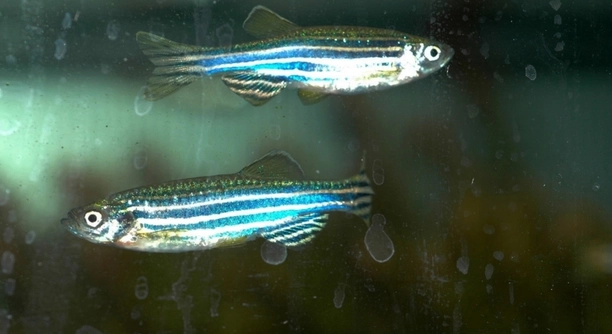
Zebra Danios are popular aquarium fish, known for their vibrant colors and active personalities. However, many fishkeepers face the challenge of getting their Danios to eat pellets. Understanding why they might refuse food can improve their care.
Zebra Danios might refuse pellets due to several factors, including water quality, stress, or even food preferences. They can be picky eaters, particularly if the pellets are too large, too dry, or not suitable for their diet.
The reasons behind this behavior are important to recognize, as addressing them can help ensure your Danio’s health and proper feeding habits.
Water Quality Matters
Water quality plays a crucial role in the feeding habits of Zebra Danios. Poor water conditions can make them feel stressed and reduce their appetite. Ammonia, nitrites, and high levels of nitrates in the tank can cause discomfort. Fish tend to avoid eating when the water isn’t ideal.
Maintaining stable water parameters is key to encouraging proper feeding. Regular water changes and filtration help eliminate harmful substances. Test the water frequently to ensure ammonia and nitrite levels are at zero.
If your Danio refuses pellets, check the temperature and pH level as well. Danios thrive in slightly acidic to neutral water (pH 6.5-7.5) with a temperature of 70-78°F. Any fluctuations can affect their appetite. In addition, ensure your tank has proper circulation, as Zebra Danios are active swimmers. An ideal tank environment promotes health and encourages feeding.
Stress Can Lead to Appetite Loss
Stress is another significant factor that can lead to your Zebra Danio refusing pellets.
Stress in Zebra Danios often arises from aggressive tankmates, overcrowding, or sudden changes in the tank environment. A stressed fish is less likely to eat. Managing tank conditions and keeping the fish calm can encourage better feeding behavior.
Fish are sensitive to changes. Overcrowding in a tank can lead to territorial disputes, and this aggression can make Danios feel unsafe. Tankmates should be peaceful and compatible. Avoid housing aggressive species that may stress out your Danio, and ensure there is enough space to reduce tension. You may also want to avoid making frequent changes to the tank’s layout, as sudden shifts can cause distress. Fish are creatures of habit, and too much change can trigger anxiety.
Food Preferences
Zebra Danios can be picky eaters. Some may simply prefer other types of food over pellets, such as live or frozen options. If your Danio refuses pellets, consider offering alternatives to see if they show more interest.
Danios often find live food like brine shrimp or daphnia more appealing, as it mimics their natural diet. When trying different foods, introduce them slowly and observe their reaction. Live food can stimulate their feeding behavior.
If you notice that your Danio is more active or eager when live food is offered, it might be a sign that pellets just aren’t their preferred option. You can try soaking pellets in water to soften them, but if your Danio consistently refuses, it’s worth switching up their diet.
Pellet Size and Type
Sometimes, the problem might be as simple as the size or type of pellets you’re offering. If the pellets are too large for their small mouths, they might not be able to eat them comfortably.
Try smaller pellets designed specifically for smaller fish. Pellets that are too hard or dry can also make it difficult for your Danio to eat, so try soaking them for a few minutes before feeding. The texture of the pellet can impact how easily they consume it.
If size or texture seems to be an issue, consider offering a combination of food types. This way, your Danio has options and may become more willing to try something new. Adjusting the food’s presentation might make a big difference in getting them to eat.
Tank Environment
The overall tank environment affects your Danio’s feeding habits. Factors like lighting, water movement, and even the decor can influence whether your fish is comfortable enough to eat.
If the tank is too bright or the current is too strong, your Danio might feel uneasy, impacting its willingness to feed. Try adjusting the light levels or adding plants to reduce water movement.
Health Issues
Health problems may also play a role in your Danio’s refusal to eat. If your fish seems lethargic or has visible signs of illness, it could be an indicator of stress or a more serious issue.
A common cause could be parasites or internal infections. These conditions might cause your Danio to lose interest in food, affecting its overall health. Seek veterinary advice if symptoms persist.
Other Fish Competition
In tanks with multiple fish, competition for food can discourage your Danio from eating pellets. Larger or more dominant fish may eat the food before your Danio has a chance.
Try feeding your Danio separately in a smaller container to ensure it gets its share. This can help avoid competition and allow it to focus on eating.
FAQ
Why is my Zebra Danio not eating pellets?
Zebra Danios may refuse pellets due to various factors, including poor water quality, stress, or food preferences. Water that isn’t properly maintained can cause discomfort and reduce their appetite. Stress, caused by overcrowding, aggression from tankmates, or sudden changes in their environment, can also make them hesitant to eat. Finally, some Danios simply prefer live or frozen food over pellets. If your fish is refusing pellets, it’s worth considering these possibilities.
What kind of food should I feed my Zebra Danio?
Zebra Danios are omnivores and can eat a variety of foods, including high-quality pellets, flake food, and live or frozen options like brine shrimp or daphnia. Offering a mix of food types is ideal for keeping them healthy and stimulated. However, you should ensure that the food is appropriate for their size and needs. High-protein options like live food can be offered occasionally, but pellets should still form the core of their diet for balanced nutrition.
Can my Zebra Danio live on just pellets?
While pellets can be a staple in your Zebra Danio’s diet, it is best to supplement their meals with live or frozen food to provide variety. Pellets alone may not offer all the essential nutrients your fish requires. A diverse diet can prevent nutritional deficiencies and make feeding more enjoyable for your fish.
How can I encourage my Zebra Danio to eat pellets?
If your Danio refuses to eat pellets, try soaking them in water to soften the texture. Smaller pellets designed for small fish may also help. Some fishkeepers also mix pellets with live food or use a pellet feeder to entice them. Additionally, ensure the tank environment is calm, and that the water quality is optimal, as these factors can influence feeding behavior.
Is my Zebra Danio sick if it’s not eating?
A Zebra Danio that refuses to eat could be showing signs of illness, but not always. Stress, water quality issues, or changes in its environment can affect feeding. However, if your Danio is lethargic, has discoloration, or shows other signs of illness like clamped fins or bloating, it may be a sign of a health problem. In such cases, it’s essential to monitor the fish closely and consult a vet if necessary.
How often should I feed my Zebra Danio?
Zebra Danios should be fed small meals twice a day. It’s essential to avoid overfeeding, as uneaten food can pollute the water. Offer just enough food that your Danio can consume in a couple of minutes. If you notice leftover food regularly, reduce the portion size accordingly. Feeding smaller, more frequent meals helps maintain their energy levels without causing water quality issues.
Can I feed my Zebra Danio a vegetarian diet?
Zebra Danios are omnivores and thrive on a diet that includes both plant and animal-based foods. While they can eat plant-based food, such as algae wafers or vegetable matter, a diet composed solely of vegetables is not recommended. They need protein from live or frozen food to maintain their health. A balanced diet is essential for their overall well-being.
What’s the best way to introduce new food to my Zebra Danio?
When introducing new food, it’s best to start slowly. Offer small portions alongside their regular food to allow them to get used to the new texture and taste. This gradual introduction prevents overfeeding and reduces the chances of your fish rejecting the new food. Be patient and observe their response. If they seem to enjoy the new food, you can gradually increase its portion over time.
Why is my Zebra Danio always hungry?
Zebra Danios are active fish that require a lot of energy, and they tend to be curious about food. However, if your fish is constantly begging for food or seems to be eating excessively, it could be a sign of overfeeding or poor water quality. Ensure that you’re feeding appropriate portions and monitor your tank’s water conditions. Excessive hunger can also be a sign of a health issue, so keep an eye out for any unusual behavior.
How can I tell if my Zebra Danio is eating enough?
A healthy Zebra Danio should have a slightly rounded belly, but it should not appear bloated or overweight. If your Danio is eating regularly and its belly is neither sunken nor overly distended, it’s likely eating the right amount. If you’re unsure, consider adjusting the feeding schedule or the type of food to better suit their needs. Keeping track of their eating habits will help you determine if any changes are necessary.
Should I worry if my Zebra Danio spits out food?
Spitting out food can be normal behavior for Zebra Danios, especially if they don’t find the food appealing or if the pellets are too large. Sometimes, they may spit out food to break it down into smaller pieces. However, if the behavior continues and the fish seems to be avoiding food altogether, it could indicate a health problem or an issue with the food itself. Make sure the food is properly sized and suitable for their diet.
Can I feed my Zebra Danio human food?
It’s best not to feed Zebra Danios human food. While small amounts of fruits or vegetables may be safe in moderation, many human foods contain additives, salt, or other ingredients that could harm your fish. Stick to food specifically designed for aquarium fish to ensure they get the right nutrients without the risk of harmful effects. Always research food options before introducing them to your tank.
Final Thoughts
If your Zebra Danio refuses to eat pellets, there are several factors to consider. First, it’s important to ensure the water quality is optimal. Poor water conditions can cause stress and make your fish hesitant to eat. Regular water changes and proper filtration are essential for maintaining a healthy environment. If the water parameters aren’t ideal, your Danio might refuse to feed. Testing the water for ammonia, nitrate, nitrite, and pH levels can help you identify any issues. If necessary, make adjustments to improve the water quality, as this will often encourage your Danio to start eating again.
Food preferences are another common reason why a Danio might avoid pellets. Danios are known to enjoy live or frozen food, such as brine shrimp or daphnia. If your Danio consistently refuses pellets, try offering alternatives. Sometimes, soaking pellets in water can make them more appealing by softening their texture. It’s also worth experimenting with different pellet brands or sizes to see what your fish prefers. If your Danio still refuses pellets, incorporating other types of food, such as flake food or vegetable matter, can help provide a balanced diet while meeting your fish’s nutritional needs.
Lastly, patience is key. Zebra Danios can be picky eaters, and it may take some time to figure out what works best for them. Try offering food at different times of day and in smaller portions to avoid overfeeding. If your Danio continues to refuse food, consider separating it from other fish to ensure it gets a chance to eat without competition. In some cases, persistent feeding issues might signal health problems, so it’s important to monitor your Danio’s behavior and consult a vet if you notice signs of illness. Overall, addressing feeding concerns requires a combination of observation, care, and adjustments to your tank and feeding routine.

Hello,
If you enjoy the content that we create, please consider saying a "Thank You!" by leaving a tip.
Every little bit helps us continue crafting quality advice that supports the health, happiness, and well-being of pets around the world, for pets of all shapes, sizes, and species.
We really appreciate the kindness and support that you show us!