
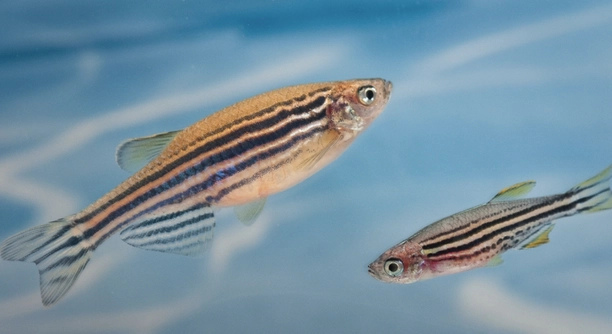
Is your zebra danio darting around or hiding every time food hits the water? You’re not alone in noticing this behavior.
Zebra danios often become skittish at feeding time due to stress from tank mates, sudden movements, or improper tank conditions. These factors can trigger a flight response, especially in smaller or more sensitive fish.
Creating a calm environment and observing their behavior closely can make feeding less stressful and more effective for your zebra danios.
Common Reasons for Skittish Behavior at Feeding Time
Zebra danios are naturally active, but sudden bursts of darting or hiding when food appears can be a sign of stress or discomfort. Poor tank conditions, like inconsistent lighting or high ammonia levels, can make them uneasy. Incompatible tank mates also contribute—larger or aggressive fish might cause them to act defensively. Sudden hand movements or loud noises near the tank during feeding can heighten their skittishness. These fish thrive on routine, so changes in feeding time or environment may cause anxiety. Skittish behavior may also indicate that they don’t feel secure in their surroundings. Lack of hiding spots, overcrowding, or being placed in a high-traffic room are all potential stressors. A peaceful, stable environment with consistent routines helps reduce their stress. Once you identify and fix these triggers, feeding time becomes calmer, and your fish will feel more comfortable coming out to eat in a relaxed way.
Sometimes, even minor tank changes can startle zebra danios, causing them to react nervously during feeding sessions.
Make sure the tank includes live or artificial plants and quiet zones to help them feel secure. It’s also helpful to feed them when the room is calm, with low activity and stable lighting.
How to Help Your Zebra Danio Feel More Comfortable
Consistency is key. Feeding your zebra danios at the same time each day builds a predictable routine that helps them relax. Limit movements near the tank during feeding and avoid tapping the glass, as this can startle them. If you have other fish in the tank, make sure they’re not outcompeting the zebra danios for food. Using a food that sinks slowly can give them time to eat at their own pace without panic. You can also try feeding in smaller portions more frequently so they feel less overwhelmed. Tank setup also plays a big role. Provide hiding spaces and plants to mimic a more natural habitat. Dim lighting slightly during feeding to create a calmer atmosphere. Lastly, check water parameters regularly to ensure everything stays balanced. A stable, stress-free tank helps your zebra danios stay healthy and feel safe enough to eat without darting away or hiding.
Tank Mates and Environmental Triggers
Zebra danios feel safer when surrounded by peaceful fish that share their energy level. Aggressive or overly large species can intimidate them, especially during feeding time when quick movements can seem threatening.
If your danios live with fast, food-aggressive fish, they may hold back during meals or dart away out of fear. It’s better to keep them with other small, calm community fish that won’t compete aggressively for food. Avoid adding species that chase or nip, even if it’s only playful. The tank setup also affects their behavior. Tanks placed near speakers, high-traffic areas, or direct sunlight often cause stress due to constant motion and sound. Always place your aquarium somewhere quiet and stable, away from sudden disturbances. This helps them feel secure. A peaceful setting, combined with compatible tank mates, creates a more relaxed environment and encourages your danios to eat without hesitation or panic during feeding time.
A good balance of tank mates and environment helps reduce stress overall. You can also try rearranging decorations to break up direct sightlines between fish. More visual barriers mean fewer perceived threats. Keep lighting soft and avoid overly bright bulbs that can make them feel exposed. Simple adjustments make a big difference in their feeding behavior.
Feeding Strategies That Reduce Stress
Offer food in small amounts to prevent crowding at the surface. When food is scattered too heavily, more aggressive fish often take over. This can make zebra danios anxious and push them to the back of the tank.
Try feeding at the same time every day, when the room is quiet. Use floating flakes or slow-sinking pellets, which allow more time for each fish to eat without rushing. Breaking up feeding into two smaller sessions can ease their nerves and make the experience more manageable. If you’re feeding a mixed community tank, try using two different feeding spots to spread out competition. This allows zebra danios to eat at their own pace, without being pushed aside. You can even try distracting other fish with one food type while offering something gentler in a different corner. Keeping things calm during meals helps your danios feel less pressure and develop a more relaxed routine.
Signs Your Zebra Danio Is Too Stressed to Eat
If your zebra danio swims frantically away from food or hides in a corner during feeding time, stress may be the reason. Skipping meals regularly or only eating when the tank is completely quiet are also common signs.
Look for clamped fins, pale coloring, or hovering near the bottom. These behaviors often point to ongoing stress. Even if food is present, a stressed danio will avoid it, especially if it feels threatened or uncomfortable in its environment.
How Water Conditions Affect Feeding Behavior
Water quality has a direct effect on feeding behavior. High ammonia, nitrites, or sudden shifts in temperature can all stress your zebra danios. If the water is even slightly off, they may stop eating or behave anxiously during mealtimes. Use a test kit to regularly check parameters like pH, ammonia, nitrite, and nitrate levels. Make small, steady water changes weekly to keep conditions stable. Keep the temperature consistent between 72°F and 78°F. A reliable heater and filter can help with this. Poor water conditions don’t just affect appetite—they also increase disease risk. A clean, well-maintained tank supports calm, consistent feeding behavior.
When to Adjust Your Feeding Routine
If your zebra danio stays skittish despite ideal conditions, consider switching food types, feeding at a different time, or reducing tank activity during meals. Even small changes can ease their tension.
FAQ
Why is my zebra danio swimming in circles at feeding time?
Zebra danios that swim in circles may be stressed or frustrated, especially if they feel the food is out of reach. This can happen if there are other fish in the tank that are more dominant or if there is too much competition for food. It can also indicate a lack of proper space or hiding places. Try adding more visual barriers, like plants, to break up sightlines and reduce tension. Make sure you’re offering food in small amounts so it’s easier for everyone to get their share without overcrowding.
Can zebra danios get too stressed to eat?
Yes, zebra danios can get too stressed to eat. If the environment is constantly changing, if they’re exposed to sudden movements or loud noises, or if their tank mates are too aggressive, they may stop eating. A stressed zebra danio might avoid food, hide, or exhibit other signs of distress like rapid fin movement, faded colors, or darting around. A calm, consistent environment and appropriate tank mates are key to reducing stress and encouraging proper feeding behavior.
What is the best way to feed zebra danios?
Feeding zebra danios involves offering food in smaller portions throughout the day to reduce stress during meals. You can provide a variety of food like flakes, pellets, or live foods, but make sure the portion sizes are manageable so no fish feels overwhelmed. Feed them at the same time each day in a quiet environment to help them build a feeding routine. Avoid making quick movements or tapping the glass, as it can startle them. Try to scatter the food or use sinking pellets, so the food is accessible for everyone in the tank.
How often should I feed my zebra danio?
Zebra danios typically need to be fed once or twice a day. It’s important not to overfeed them, as uneaten food can lead to water quality problems. A small amount of food that they can consume within a few minutes is ideal. If you feed them twice a day, make sure to give smaller portions. A varied diet with a balance of flakes, pellets, and live or frozen foods will ensure they get the nutrients they need. Be mindful of their size and activity level—active fish need more food than less active ones.
Can I feed my zebra danio at night?
It’s best to feed your zebra danio during daylight hours, as they are diurnal creatures. Feeding at night can disturb their natural routines and may cause them to feel disoriented or stressed. In the wild, zebra danios feed during the day, so sticking to this schedule will help them feel more comfortable and keep their feeding habits consistent. However, if you have nocturnal fish in the same tank, offering food at night may be necessary. Just make sure not to disrupt the zebra danios’ feeding schedule too much.
What can I do if my zebra danio is not eating?
If your zebra danio isn’t eating, check for common stressors like poor water quality, overcrowding, or aggressive tank mates. Stress is the most common reason for a loss of appetite. A water change or rearranging decorations can help reduce tension. Ensure that the water temperature and pH are appropriate, and check for any signs of illness. If everything seems normal and your danio still isn’t eating, try offering a different food type to see if they’re more interested in something new. If the problem persists, consult a vet to rule out any health issues.
How can I reduce stress for my zebra danio?
To reduce stress for your zebra danio, focus on providing a calm, stable environment. Make sure the water conditions are optimal, with regular maintenance and proper filtration. Keep the tank in a quiet spot away from heavy traffic or loud noises. Add hiding spots like plants or rocks to give them security. If they are kept with other fish, make sure their tank mates are compatible and not overly aggressive. A routine feeding schedule and minimal disturbances will help them feel safe and secure.
Can zebra danios live with other species?
Yes, zebra danios can live peacefully with many other species, especially other small, non-aggressive fish. They do well in community tanks with fish like guppies, tetras, and peaceful barbs. However, avoid housing them with aggressive fish or large species that may outcompete them for food. Zebra danios are social and thrive best in schools of at least six, so it’s important to keep their social needs in mind when selecting tank mates. They also prefer a tank with plenty of swimming space and hiding areas.
How do I know if my zebra danio is sick?
Sick zebra danios will show visible signs like faded colors, clamped fins, erratic swimming, or abnormal behavior like hiding more often than usual. They may also lose interest in food or have trouble swimming. Pay attention to any lesions, swelling, or visible wounds on their body. If your zebra danio seems lethargic or has trouble swimming, it’s important to check the water quality and monitor for other symptoms. If the condition worsens or doesn’t improve, consult a vet who specializes in fish for a proper diagnosis.
Is it normal for zebra danios to be shy around food?
It can be normal for zebra danios to be shy, especially in a new environment or if they are in a tank with more dominant fish. However, if they consistently hide during feeding time or show no interest in food, it could indicate stress or health problems. Over time, with proper care and a secure environment, they should become more comfortable and less hesitant around food. Try feeding them during quieter times of the day and in smaller amounts to help them feel more at ease.
Final Thoughts
Zebra danios are generally hardy fish, but they can become skittish at feeding time due to various factors. Stress, poor water quality, aggressive tank mates, or sudden changes in their environment are common causes for this behavior. When your danio feels threatened, it may avoid food altogether. Maintaining a stable tank environment is essential for reducing stress and encouraging regular feeding habits. Keeping the water clean and ensuring the tank conditions are ideal can go a long way in making your zebra danio feel more at ease during meals.
If you notice that your zebra danio becomes anxious around feeding time, it’s important to assess its environment. Consider factors such as tank size, water quality, lighting, and tank mates. Adding plants, decorations, or hiding spots can provide a sense of security. It’s also helpful to feed smaller portions multiple times a day instead of one large meal to reduce competition and stress. Additionally, try to feed your zebra danio in a quiet environment where they can focus on their meal without distractions. These small changes can help your fish feel more comfortable and less skittish during feeding.
Lastly, if your zebra danio continues to struggle with eating despite improvements to its environment, it might be time to consult a professional. A vet experienced with fish can provide insight into any underlying health issues that might be affecting their appetite. While most zebra danios will adapt to their feeding routine, patience and observation are key. With the right care and attention, you can help your zebra danio overcome its skittishness and enjoy a healthy, balanced diet.

Hello,
If you enjoy the content that we create, please consider saying a "Thank You!" by leaving a tip.
Every little bit helps us continue crafting quality advice that supports the health, happiness, and well-being of pets around the world, for pets of all shapes, sizes, and species.
We really appreciate the kindness and support that you show us!