
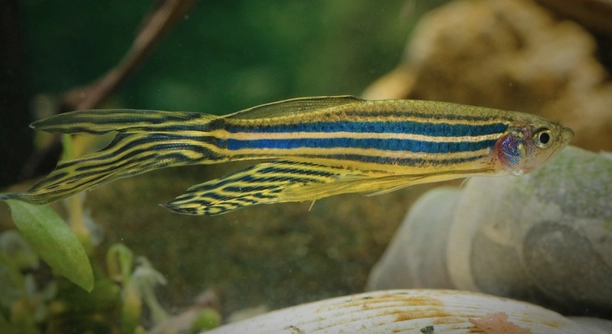
Zebra Danios are known for their lively and social behavior, but sometimes, you might find them sitting alone in the corner of the tank. This unusual behavior can be concerning, especially for those new to keeping these fish.
The most common reason a zebra danio may isolate itself is stress or illness. Stress can be triggered by water quality issues, poor tank mates, or lack of stimulation, while health problems like parasites can also cause behavior changes.
Understanding why your zebra danio is acting this way can help address the problem and keep your fish healthy. We’ll explore some possible causes and solutions to help bring your fish back to its active self.
Common Stressors for Zebra Danios
Zebra Danios are active and social fish, but they can become stressed when their environment is not ideal. Stress can make them retreat to corners of the tank, acting out of character. Poor water quality is often the top reason for this behavior, especially when ammonia or nitrate levels are too high. They are sensitive to changes in temperature, pH, and salinity, so even small fluctuations can make them feel uncomfortable.
Other stress factors include overcrowding or aggressive tank mates. Zebra Danios thrive in schools of six or more, and being alone or having too few companions can lead to isolation. Tank mates that are too large or aggressive can also push them to the corners for safety.
To reduce stress, maintain stable water parameters and avoid overstocking the tank. Providing plants, hiding spots, and maintaining good water filtration can all help create a calmer environment. Fish that feel safe are more likely to swim freely and interact with others.
Illnesses Affecting Zebra Danios
Sometimes, illness can be the reason your zebra danio is isolated.
When sick, fish often hide to conserve energy and avoid predators. Common conditions, like ich or parasites, can cause lethargy, loss of appetite, and abnormal swimming patterns. Infected fish may not feel comfortable being around others, leading them to retreat.
If you suspect illness, it’s essential to quarantine the affected fish and treat the problem immediately. Using aquarium salt, adjusting water temperature, or specific medications can help with common fish diseases. Always read the instructions carefully and monitor the fish closely for signs of improvement.
Water Quality and Its Impact
The water in your aquarium can easily become the source of stress for your zebra danio. Poor water quality is a common cause of illness and discomfort. Make sure to check the ammonia, nitrite, and nitrate levels regularly, as high levels can be toxic. Also, pay attention to the water’s temperature and pH, as extreme fluctuations can stress your fish.
A good filtration system is crucial to keep the water clean and oxygenated. Perform regular water changes to ensure the tank remains free from harmful waste. Using a water test kit can help you track the changes in water chemistry, allowing you to make adjustments when needed. A stable, clean environment is essential for keeping your zebra danio healthy and happy.
Tankmates and Social Behavior
Zebra Danios are social creatures and prefer living in groups of six or more. If they are isolated or kept with fish that are too aggressive, they may retreat to the corners of the tank. Aggressive tankmates can cause stress and even physical harm, making the zebra danio feel vulnerable.
It’s important to choose compatible tankmates for zebra danios. Peaceful species like tetras, guppies, and small catfish usually get along well with them. Avoid keeping them with fin-nippers or larger, more territorial fish. If aggression becomes an issue, consider rearranging the tank’s layout to disrupt territories or adding more hiding spots. Maintaining a harmonious tank environment encourages your zebra danio to remain active and comfortable.
Temperature and Environment
Zebra Danios prefer temperatures between 64-75°F (18-24°C). Keeping the water too warm or cold can cause them to become lethargic and stressed. Consistent temperature control is key to their health. Using a reliable aquarium heater can help regulate the temperature.
In addition to temperature, make sure your tank is not placed in a location with excessive sunlight or temperature changes. A stable, calm environment helps keep your zebra danio feeling safe and secure. If the tank is placed near a window or air conditioning, it may cause fluctuations that lead to stress. A quiet, controlled space will allow your fish to thrive.
Overcrowding and Space
Overcrowding can create stress for zebra danios, making them hide in the corners. Too many fish in a small space lead to competition for food, territory, and oxygen, which causes anxiety. It’s important to follow the recommended tank size for the number of fish you have.
Zebra Danios are small but active swimmers. A tank that’s too small doesn’t provide enough room for them to move freely, making them feel confined. A spacious tank with plenty of hiding spots allows them to behave naturally and feel more secure. If overcrowding is an issue, consider upgrading to a larger tank.
Tank Setup and Hiding Spots
Zebra Danios enjoy plants, rocks, and decorations where they can hide when feeling threatened or stressed. Offering hiding spots can reduce anxiety and encourage them to explore the tank. It’s also helpful to create different zones in the tank, so they feel they have space to roam.
When designing your tank, consider placing decorations that don’t block swimming paths. This gives your zebra danios room to swim without feeling trapped. The presence of plants and rocks mimics their natural environment, which can reduce stress and encourage natural behaviors.
Illness Signs and Immediate Action
If your zebra danio is isolated due to illness, it may show signs like faded colors, clamped fins, or abnormal swimming patterns. These signs indicate discomfort, and you should act quickly to prevent the issue from worsening.
Isolate the sick fish and assess water quality. Look for any visible parasites, wounds, or changes in behavior. Once identified, treat the illness with the proper medications and adjust the water conditions to help recovery. Monitoring the fish closely ensures a swift response.
FAQ
Why is my zebra danio always hiding?
Zebra Danios are usually social and active, but if they’re hiding, it might be due to stress, illness, or poor water quality. Stress can stem from overcrowding, aggressive tankmates, or sudden changes in the tank environment, like water temperature or pH. Illness can also cause them to retreat to a corner. Always check the water conditions and look for any signs of disease, such as faded colors or abnormal swimming behavior. If everything seems fine with the tank and other fish, it might just be the zebra danio’s way of coping with stress.
How do I know if my zebra danio is sick?
When sick, a zebra danio may exhibit signs like swimming erratically, staying at the bottom or top of the tank, clamped fins, or faded colors. You might also notice a lack of appetite or abnormal behavior. These are clear signs that something is wrong. Some common diseases include ich, fin rot, or external parasites. To confirm illness, observe the fish carefully for these signs and isolate it from others to prevent the potential spread of disease.
Can zebra danios live alone?
Zebra Danios are schooling fish, meaning they prefer the company of others of their kind. Keeping a single zebra danio may lead to loneliness, stress, and inactivity. For optimal health, keep them in groups of at least six. If they are alone, they may hide in the corner and become more anxious. A group helps them feel safe and encourages natural social behaviors.
What temperature is best for zebra danios?
Zebra Danios thrive in water temperatures between 64-75°F (18-24°C). Keeping the temperature stable within this range is crucial to their health. If the temperature is too high or too low, it can cause stress and even make them more susceptible to illness. You can use an aquarium heater to maintain a consistent temperature and make sure the tank is in a spot where temperature fluctuations are minimized.
What tank mates are best for zebra danios?
Zebra Danios are peaceful, active fish that do well with other non-aggressive species. Good tank mates include peaceful tetras, guppies, and small catfish. Avoid keeping them with aggressive fish that may chase or nip at them, such as bettas or larger predatory fish. Always ensure the tank is large enough to support multiple species and avoid overcrowding. The key is to have peaceful, active fish that enjoy similar water conditions.
How do I improve my zebra danio’s environment?
To make your zebra danio feel at home, it’s important to provide a stable and enriched environment. Keep the water clean and well-filtered, with a stable temperature and pH level. Add plants, rocks, or decorations to create hiding spots, but avoid overcrowding the tank. Zebra Danios also enjoy swimming in open spaces, so make sure they have plenty of room to move around. Regular water changes and maintaining a consistent environment are key to their happiness.
Why is my zebra danio staying near the surface?
Zebra Danios may spend time near the surface if they’re struggling to breathe or are stressed. This can be due to poor water quality, low oxygen levels, or illness. If you notice this behavior, check the oxygenation in the tank by using an air pump or increasing surface agitation. Also, test the water for any ammonia or nitrate buildup, which can reduce oxygen levels and cause stress. If the water is fine and the issue persists, the fish might be unwell and should be monitored closely.
How often should I feed my zebra danio?
Zebra Danios are not picky eaters and enjoy a varied diet, but overfeeding can lead to water quality issues. Feed them small amounts twice a day, only what they can consume in 2-3 minutes. Offer a balanced diet, including high-quality flakes, pellets, and occasional live or frozen foods like brine shrimp or daphnia. Be sure to remove any uneaten food after feeding to prevent it from decaying in the water, which could harm your fish.
Why are my zebra danios not eating?
If your zebra danios aren’t eating, it could be due to stress, poor water quality, or illness. If the tank water isn’t clean or there are high levels of toxins like ammonia, they may lose their appetite. Illness can also cause a lack of interest in food. Stress from overcrowding or aggressive tankmates can also lead to reduced feeding. Try testing the water quality and observing the fish for signs of illness. If the problem continues, consult a vet or aquarium specialist.
How can I tell if my zebra danio is stressed?
Stress in zebra danios can manifest in several ways. They may swim erratically, isolate themselves, or hover near the surface or in a corner of the tank. Their colors might become dull, and they may lose their appetite. Stress can be caused by poor water quality, tankmate aggression, or environmental changes. Reducing stress factors, like improving water conditions and ensuring the tank has enough hiding spots, will help your zebra danio feel more comfortable.
Final Thoughts
Zebra Danios are generally hardy and active fish, but when they act differently, such as staying in a corner, it’s often a sign that something is wrong. It’s important to pay attention to their behavior, as it can be an indicator of stress, illness, or environmental issues. If your zebra danio is isolated and seems off, start by checking the water quality. Poor water conditions can cause a lot of stress, and fixing these problems can often lead to an improvement in their behavior. Make sure the temperature, pH, and ammonia levels are stable and within the range that is safe for zebra danios.
Another key factor in their well-being is their social environment. Zebra Danios are schooling fish, and they tend to do best when kept in groups. If you have only one or two, they might feel isolated and stressed. This can cause them to retreat to a corner of the tank. Ensuring they are not surrounded by aggressive tankmates is equally important, as these fish can easily become stressed or frightened by larger, more dominant fish. Consider adding more zebra danios to your tank or choosing tankmates that are peaceful and compatible.
Lastly, it’s important to recognize when your fish may be sick. If your zebra danio’s behavior does not improve with changes to its environment, illness could be the cause. Common signs of illness in zebra danios include faded colors, clamped fins, or irregular swimming patterns. If you suspect illness, take action by quarantining the affected fish and treating them for common fish diseases. Monitoring their condition closely and adjusting the tank environment will help ensure a quick recovery. Taking these steps to maintain their health and comfort will help your zebra danios stay active and happy in their home.

Hello,
If you enjoy the content that we create, please consider saying a "Thank You!" by leaving a tip.
Every little bit helps us continue crafting quality advice that supports the health, happiness, and well-being of pets around the world, for pets of all shapes, sizes, and species.
We really appreciate the kindness and support that you show us!