
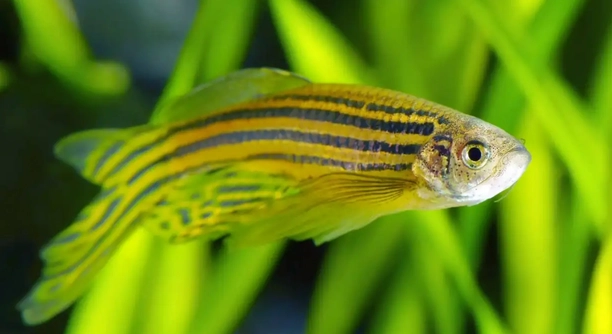
Zebra Danios are often seen flashing their sides at other fish, leaving many wondering about this behavior. It might seem unusual, but it actually serves a purpose in their social interactions. Understanding why they do this can help improve fish care.
Zebra Danios typically flash their sides as a form of communication with other fish, signaling dominance, aggression, or courtship. This flashing behavior is often seen during territorial disputes or when a fish is trying to attract a mate.
This behavior is fascinating and highlights the complex social interactions of your zebra danios. Understanding it can improve how you care for them and create a healthier environment for all your fish.
Reasons for Flashing Behavior in Zebra Danios
Zebra Danios flash their sides for several reasons. One common cause is social interaction with other fish in their tank. They may use this behavior to assert dominance, especially in confined spaces where territorial boundaries are important. Flashing also occurs when fish are courting, signaling their interest in potential mates. In these cases, the act is less aggressive and more of a display to attract attention. This behavior can also serve as a warning or a sign of stress when the fish feels threatened by others in the tank. If there’s a lack of space or hiding spots, flashing can be more frequent, indicating the fish’s discomfort in its environment.
Flashy behavior is also linked to breeding patterns. Male zebra danios often use these displays to impress females during the mating season. The physical flashing demonstrates their fitness and readiness to mate.
Understanding these triggers can help create a more comfortable and healthy environment for your zebra danios, allowing them to express their natural behaviors without stress.
How to Prevent Excessive Flashing
If flashing seems excessive or signs of aggression are frequent, adjustments may be needed. Ensure that your zebra danios have plenty of space to swim freely and establish their territories. Too many fish in a small tank can increase competition, causing stress and more flashing. Adding more hiding spots, such as plants or decorations, can help.
Keep in mind that zebra danios are active and playful. Providing enough room to swim in different areas of the tank can help reduce territorial disputes. Also, avoid overcrowding as it contributes to tension between fish. A calm, well-spaced tank setup encourages peaceful behavior.
Make sure to monitor water quality regularly, as poor conditions can also trigger stress, leading to more flashing behavior. Healthy water promotes well-being and reduces the chances of aggressive displays.
Flashing Due to Tank Conditions
Tank conditions play a big role in how zebra danios behave. Poor water quality, overcrowding, and lack of proper filtration can all contribute to stressful environments. When the water quality is low, fish tend to flash more, trying to escape the discomfort. Zebra danios, like many fish, are sensitive to changes in their environment, especially when the water becomes acidic or polluted. Frequent water changes and maintaining a good filtration system can help reduce stress and, in turn, reduce flashing.
Keeping the tank clean and ensuring the water temperature is stable will also help calm your fish. Danios thrive in temperatures between 65-75°F. If the water fluctuates too much, they may exhibit erratic behavior like flashing or rapid swimming. A thermometer can help monitor and maintain optimal conditions. A proper filtration system ensures the water remains clear, removing excess waste that can make the tank environment unhealthy. This reduces stress and can limit flashing.
A tank with good water circulation is ideal, as stagnant water leads to debris buildup and oxygen depletion. Proper filtration ensures that your zebra danios remain healthy and comfortable, decreasing the chances of excessive flashing.
Tank Mates and Flashing Behavior
Zebra danios are social, but they do best in a peaceful tank environment with compatible tank mates. If the other fish are too aggressive, the danios may feel threatened and flash to assert their dominance. It’s important to pair them with other peaceful species that won’t invade their space or cause stress. Zebra danios tend to get along with other non-aggressive fish, like guppies or tetras. However, they should be kept away from more aggressive species, such as cichlids or large predatory fish.
Introducing new fish gradually into the tank can help avoid territorial disputes. If you add a new fish, it’s better to rearrange the decorations or plants, which can help break up established territories. This way, no fish feels like they are losing their space to a newcomer. When all fish feel secure, there’s less need for flashing, and the overall environment will be more relaxed. It’s essential to monitor interactions closely, especially when adding new tank mates, to ensure there are no signs of aggression.
By choosing appropriate tank mates and creating a balanced ecosystem, your zebra danios will feel safe, reducing unnecessary flashing and making for a more peaceful tank environment.
Flashing as a Sign of Health Issues
Flashing can sometimes signal that your zebra danios are unwell. If they’re rubbing against rocks or the substrate, it may indicate parasites or skin irritations. These issues can cause discomfort and make your fish act in unusual ways. Inspecting your fish for visible signs of disease, such as lesions or white spots, is important for early detection.
Stress and improper water conditions can weaken your zebra danios’ immune system, making them more susceptible to infections. If flashing is accompanied by other symptoms like lethargy or loss of appetite, it’s important to test the water for any imbalances.
A vet or an aquarium expert can help diagnose potential issues if flashing behavior persists. Treatment may include medicated baths or changing the tank water to restore balance. Proper care can prevent health problems, ensuring your zebra danios remain active and healthy.
Flashing During Mating Season
Flashing can also be linked to the mating season. Male zebra danios often display this behavior to attract females. They use rapid side flashes to demonstrate their vitality and readiness to mate. During this time, flashing may increase, especially in a well-maintained tank where fish feel secure. The males’ bright, shimmering sides are part of their courtship ritual, signaling to females that they are suitable mates.
If there are both males and females in your tank, flashing may occur regularly. It’s a natural part of the breeding cycle and typically resolves once the mating period passes. You might notice the males becoming more active, often moving in front of females to grab their attention. Flashing in this context is not aggressive but rather a way for the males to show off their health and stamina.
The Impact of Overcrowding
Overcrowding can contribute to flashing as zebra danios feel their space is being invaded. With too many fish in a small area, they may become stressed, leading to territorial behavior. Providing enough room for your fish to swim freely reduces this stress, resulting in less flashing.
FAQ
Why do zebra danios flash at each other?
Zebra danios flash at each other mainly to communicate. They may be asserting dominance, especially if there’s competition for territory or mates. Flashing is also a sign of courtship, where males display their sides to attract females. This behavior can also signal stress when a fish feels threatened. Understanding these different causes helps in managing your tank setup.
Is flashing harmful to zebra danios?
Flashing itself is not harmful, but it may be an indicator of underlying issues. If it’s caused by stress, poor water quality, or aggressive tank mates, it can lead to health problems over time. It’s important to address the root cause to prevent long-term harm. Keeping the tank clean, well-filtered, and ensuring your fish are comfortable is key to reducing stress-related flashing.
Can flashing indicate a health issue in zebra danios?
Yes, flashing can be a sign of health issues. If your zebra danio is rubbing against objects, it may have external parasites or skin irritations. These conditions cause discomfort, leading the fish to flash. Regularly inspecting your fish and maintaining clean, stable water conditions can prevent and detect health problems early.
How can I reduce flashing in my zebra danios?
Reducing flashing involves improving the tank environment. Ensure proper water quality, correct temperature, and adequate filtration. Avoid overcrowding and provide enough space for your fish. Adding hiding spots can help reduce stress. Also, be mindful of the tank mates; aggressive fish can increase flashing. By making these changes, you can create a more peaceful environment for your zebra danios.
Do zebra danios flash when they are happy?
Flashing is not always a sign of happiness, though it can be part of courtship. During mating season, males flash to attract females, which is a natural, non-aggressive behavior. However, flashing can also be a sign of discomfort, so it’s important to consider the overall tank conditions to determine if the flashing is healthy or stress-related.
How do I know if flashing is a sign of stress in zebra danios?
If flashing is frequent and accompanied by signs like erratic swimming, loss of appetite, or hiding, it’s likely a sign of stress. Poor water quality, overcrowding, or the presence of aggressive tank mates can all contribute to stress. Addressing these issues promptly will help reduce the flashing and improve your fish’s well-being.
Is flashing in zebra danios related to breeding?
Yes, flashing is often related to breeding. During mating season, male zebra danios increase their flashing behavior to attract females. They use rapid side flashes to show off their health and vitality. This is a natural behavior and is typically harmless. If flashing occurs more often during this time, it’s usually a sign that the fish are attempting to mate.
Can flashing happen if there are too many zebra danios in the tank?
Yes, overcrowding can lead to increased flashing. When too many fish share the same space, they compete for territory, causing stress. The fish may flash to assert dominance or defend their space. Ensuring that your tank is properly sized for the number of fish will help reduce stress and prevent excessive flashing.
What should I do if my zebra danio’s flashing seems excessive?
If flashing seems excessive, it’s important to first assess the tank conditions. Check the water quality, temperature, and filtration system. Make sure there are enough hiding spots for the fish to retreat to when they feel threatened. If the flashing continues, you may need to rearrange the tank or reduce the number of fish to alleviate stress.
Can flashing in zebra danios be a sign of territorial disputes?
Yes, flashing can be a sign of territorial disputes. Zebra danios are territorial by nature, and if there is not enough space in the tank, they may use flashing to assert dominance. This is especially true when new fish are introduced. Providing ample space and hiding spots can help minimize these territorial conflicts and reduce flashing.
How often should I check the water conditions in my zebra danio tank?
It’s best to check the water conditions regularly, at least once a week. Testing for pH, ammonia, nitrites, and nitrates will ensure that the water is safe and balanced. Regular water changes, about 20-25% weekly, can help maintain a healthy environment and reduce stress, which may cause flashing.
Can flashing in zebra danios be a sign of aggression?
Yes, flashing can be a sign of aggression. When zebra danios are confronted with other fish that they view as a threat, they may flash their sides to intimidate or ward off the intruder. This can be especially common in males during breeding season or in tanks with limited space.
Do zebra danios flash to communicate with humans?
Zebra danios do not specifically flash to communicate with humans, but they may become more active or display flashing behavior when they feel secure or excited. They might do this when they see you approaching, especially if they associate you with feeding time. However, their flashing is primarily a social or territorial behavior directed at other fish, not humans.
How can I tell if my zebra danio is stressed or just displaying normal behavior?
Pay attention to the frequency and context of the flashing. If it happens occasionally and is followed by calm behavior, it’s likely a natural part of social interaction or courtship. However, if the flashing is frequent, combined with signs of lethargy, loss of appetite, or hiding, it may be a sign of stress. In these cases, check the tank conditions and make adjustments as needed.
Should I worry if my zebra danio flashes at the glass?
Flashing at the glass is common behavior, especially if your zebra danio sees its reflection. They may flash at their reflection to assert dominance, or they might be confused by the image. It’s typically not a cause for concern, but if it becomes excessive, you might consider adding more decorations or plants to the tank to reduce the exposure to their reflection.
Can flashing be prevented completely in zebra danios?
It’s difficult to prevent flashing completely since it’s a natural behavior, especially related to mating or territorial disputes. However, by maintaining a clean tank, avoiding overcrowding, and choosing compatible tank mates, you can reduce excessive flashing. Proper care ensures your zebra danios can engage in normal behaviors without unnecessary stress.
Final Thoughts
Flashing in zebra danios is a common behavior that can be caused by several factors, including social interactions, mating rituals, stress, or health issues. While flashing is usually harmless, it is important to understand the context in which it occurs. It could be a sign of the fish feeling excited or threatened, or simply part of their natural behavior during mating season. Observing your zebra danios closely will help you determine whether the flashing is a normal part of their routine or if it signals something more serious.
Maintaining a stable environment is key to reducing excessive flashing. The water quality, temperature, and tank conditions all play an important role in the health and behavior of your zebra danios. If flashing is accompanied by other signs of illness or distress, such as loss of appetite or lethargy, it is crucial to address the issue as soon as possible. Proper care, including regular water changes, adequate space, and good tank mates, will ensure that your zebra danios feel secure and comfortable in their environment. If health problems persist, consulting an aquarium expert or veterinarian can help resolve any underlying issues.
In general, flashing should not be a cause for alarm unless it is persistent or accompanied by other concerning symptoms. Understanding the reasons behind this behavior will help you provide the best possible care for your zebra danios. By ensuring a clean, well-maintained tank and monitoring your fish closely, you can enjoy the lively and beautiful nature of these small fish without unnecessary worry.

Hello,
If you enjoy the content that we create, please consider saying a "Thank You!" by leaving a tip.
Every little bit helps us continue crafting quality advice that supports the health, happiness, and well-being of pets around the world, for pets of all shapes, sizes, and species.
We really appreciate the kindness and support that you show us!