
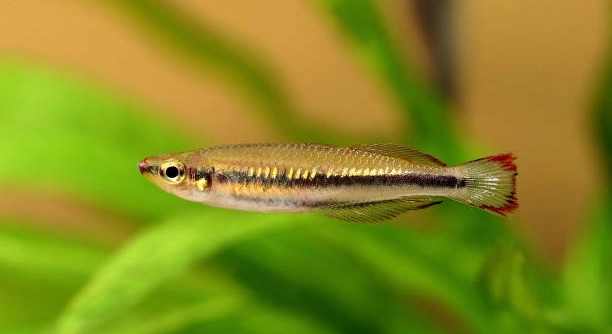
Have you ever noticed how your rainbowfish sometimes seem to fade into the background, blending with plants and shadows around them? This behavior can leave you wondering why they choose hiding spots in their tank.
Rainbowfish often hide because specific environmental conditions reduce their comfort in the tank. Limited shelter, bright lighting, aggressive tank mates, or unstable water parameters can encourage retreating. These influences shape protective behaviors that help them maintain stability within aquatic environment.
As you explore these factors, you will gain a clearer understanding that supports a peaceful, balanced experience for your fish.
Understanding Their Natural Instincts
Rainbowfish rely on natural instincts that shape how they react to changes around them. When these instincts activate, they may settle into quiet corners or shaded spaces, especially if something in the tank feels slightly overwhelming. I have noticed this behavior when the layout shifts too suddenly or when new tank mates arrive without enough room for everyone to adjust comfortably. Even minor adjustments can influence their sense of stability, guiding them to stay close to areas that feel secure. Their behavior is sensitive to lighting, movement, and the structure of decorations, so any change can influence how confidently they swim in open areas. When something seems unfamiliar, rainbowfish may choose to remain hidden rather than explore. This reaction is not unusual, because their instincts prioritize safety before curiosity. Seeing these patterns clearly can help you understand why hiding becomes a common behavior when their surroundings feel unpredictable at times.
They respond strongly to anything that alters their comfort, and this reaction shapes their daily habits in the tank. When their surroundings feel balanced and steady, rainbowfish show brighter colors and stronger activity, but when something feels off, they instinctively pull back and rely on safer spaces in their routine.
Small shifts in their environment often explain why rainbowfish behave in ways that seem unusual at first glance. When you recognize these patterns early, it becomes easier to support a tank that feels steady and safe. I always find that keeping changes slow and gentle helps them adjust without hiding. Their behavior reveals how much they depend on structure, predictable lighting, and calm movement around them. By paying attention to these details, you can create a space that encourages confident swimming and brighter coloration. A stable setup gives them room to settle comfortably without slipping back into protective hiding habits.
Common Environmental Triggers
Many hiding behaviors develop from conditions that shift too quickly for rainbowfish to handle comfortably. Sudden lighting changes, noisy surroundings, or new objects introduced without preparation can influence how safe they feel. When these shifts happen, they respond by seeking sheltered areas that offer quiet and stability in their tank.
Creating a stable environment is one of the most effective ways to reduce hiding in rainbowfish. When the tank remains consistent, they show more confidence and settle into open swimming patterns with ease. I have noticed that they respond best when lighting is soft, decorations are arranged thoughtfully, and water parameters stay within a steady range. Strong currents, sudden sounds, or frequent rearranging can unsettle them, influencing how they move throughout the space. Providing several hiding spots may seem counterproductive, but these spaces actually help them feel secure enough to explore the rest of the tank freely. Balanced feeding routines and calm surroundings also support their sense of stability. If you introduce new fish, choosing peaceful species prevents stress that could push them back into sheltering behaviors. When everything in the tank feels predictable and gentle, rainbowfish tend to remain visible, showing their colors fully. This steady atmosphere encourages them to swim with ease, interact naturally, and reduce their reliance on hidden areas. With these elements in place, their activity becomes smoother and more expressive, allowing you to observe natural patterns that reflect both comfort and confidence over time, giving the entire tank a calm rhythm that remains steady.
Adjusting Tank Conditions
Stable conditions help rainbowfish feel secure enough to remain visible. Soft lighting, steady temperatures, and quiet surroundings reduce tension. I try to keep changes small because quick shifts often make them pull back into shaded areas until they feel calm again.
Maintaining gentle lighting and predictable water movement helps them settle in without withdrawing. I have learned that even slight disruptions, like tapping on the glass or adjusting the filter too often, can influence their comfort. When everything stays balanced, they swim more confidently. Consistency supports brighter coloration, smoother movement, and less time spent hiding in corners or behind plants.
Water quality also plays a major role in how they behave. When parameters fluctuate, rainbowfish respond by searching for safer spaces that feel stable. I do regular checks to keep nitrate and ammonia levels low, and I avoid overfeeding because leftovers can shift the water quickly. When the environment stays clean and steady, their activity becomes much more open and relaxed.
Managing Social Stress
Social tension can push rainbowfish to search for shelter when they feel overwhelmed. If tank mates show aggressive behavior or crowd their space, rainbowfish rely on hiding spots to ease the pressure and regain a sense of calm.
A peaceful community setup helps them stay visible and active. I choose tank mates that move gently and interact without chasing or nipping. When each species has enough room, the entire tank feels more balanced. I also keep decorations arranged in a way that breaks sightlines, so no fish can dominate the space. This simple structure gives rainbowfish the confidence to swim freely. Providing a mix of open areas and safe spots lets them move naturally without feeling cornered. When they sense that the environment remains calm, they rely less on hidden areas and show more steady patterns throughout the day.
Setting Up Safe Spaces
Creating sheltered areas helps rainbowfish feel supported when something in the tank feels too strong. I like using tall plants and gentle decorations because they offer quiet spots without blocking movement. These spaces give them a chance to recover and return to open swimming when they feel ready.
Adding a few shaded corners also helps them adjust to brighter lighting. I arrange decor in a way that keeps the tank open but still provides protection. When they know these spots are available, they settle more easily and rely less on constant hiding during the day.
Feeding Habits That Support Confidence
Feeding routines influence how relaxed rainbowfish feel in their environment. I try to feed them small portions at consistent times so they never need to compete or rush. When the space stays calm during feeding, they come forward more often and learn that the open areas feel safe. A predictable schedule reduces stress, encourages brighter colors, and helps them stay visible. I also avoid overfeeding because leftover food affects the water quickly, which can change their behavior. Keeping meals simple and steady allows them to swim more confidently throughout their tank.
Recognizing Early Signs of Stress
Watching their patterns closely helps you notice when something shifts. If they begin slipping into hidden spaces more often, it usually means the environment needs a small adjustment. Early awareness makes it easier to support their comfort before the behavior becomes consistent.
FAQ
Why do my rainbowfish hide even when the tank seems fine?
Rainbowfish sometimes hide even when everything looks normal because their reactions are tied to subtle changes that may not be easy to see. I often notice that slight shifts in movement around the tank or tiny variations in lighting can influence their behavior. They respond strongly to anything that interrupts their comfort, and these reactions can appear without clear signals. Even stable tanks can feel overwhelming to them if something changes too quickly or if their surroundings lose predictability. Keeping an eye on small details usually helps reveal what might be affecting their confidence.
How long is it normal for rainbowfish to hide after being introduced to a new tank?
It is common for them to hide for several days while adjusting to new surroundings. I find that each fish adapts at a different pace, so some may settle quickly while others take longer. During this time, they study their environment quietly, choosing spots that feel safe while they get used to lighting, movement, and water flow. As they gain confidence, they begin exploring open areas more often. Keeping the environment calm helps them feel supported while they adjust.
Can tank mates cause rainbowfish to hide more than usual?
Yes, certain tank mates can influence their behavior. Fast swimmers or fish that crowd their space make rainbowfish feel pressured, and this often leads them to retreat into hidden spots. I try to pair them with peaceful species that leave them enough room to explore. Balanced communities reduce stress, encourage natural swimming, and keep them visible. When each fish has space to move without tension, the entire tank feels more stable.
Do lighting levels affect how often they hide?
Lighting plays a major role in their comfort. Bright lights can feel too sharp, especially if they lack shaded areas to settle in. I prefer softer lighting because it keeps them relaxed and more willing to swim openly. Gradual adjustments help them adapt without pulling back into hiding. When the lighting stays gentle and consistent, their colors show better and their activity feels smoother.
Is hiding a sign of illness in rainbowfish?
Hiding can sometimes indicate illness, but it is not always the case. I usually look for additional signs before assuming something is wrong. Loss of appetite, dull coloration, fast breathing, or clamped fins often point to health concerns that need attention. If hiding appears alongside these symptoms, checking water quality and observing their behavior more closely helps determine the cause. Addressing issues early makes recovery easier.
What environmental changes can cause sudden hiding?
Sudden noises, new decorations, water parameter shifts, or rearranged plants can all influence their comfort. Rainbowfish react strongly to anything that interrupts smooth patterns in their surroundings. I have learned to make changes slowly because even positive improvements feel overwhelming when they happen too fast. When the tank stays steady, they rely less on hiding.
Should I add more hiding spots if they already hide too much?
It may feel counterproductive, but adding more sheltered areas can actually help them come out more often. When they know safe spaces are available, they build confidence to explore open areas without fear. I arrange decor so the tank remains open but still offers gentle protection. This balance encourages stable, visible behavior.
How can I encourage rainbowfish to feel more confident in the open?
Keeping their environment calm, predictable, and clean supports their confidence. Consistent feeding times, gentle lighting, and peaceful tank mates make a big difference. Slow changes allow them to adjust without stress. When everything feels steady, they brighten in color, swim more freely, and spend far less time hiding.
Final Thoughts
Caring for rainbowfish becomes easier when you start noticing the small patterns that influence how they behave each day. Their hiding habits are often tied to details that seem minor at first, yet these details shape the way they respond to their surroundings. When the tank feels steady and balanced, they show brighter colors, smoother swimming, and a calm rhythm that makes them feel secure. When the environment shifts too quickly, even in ways that might seem harmless, they may pull back into sheltered areas until they regain their confidence. Understanding these patterns helps you adjust the tank in ways that keep their stress low and their comfort high. Over time, this awareness becomes second nature, and you begin to see how each change in the tank affects their behavior. You also start noticing how much they rely on structure, quiet spaces, and gentle movement to feel safe enough to remain visible. Once these needs are met consistently, rainbowfish tend to show more active and open behavior, giving you a chance to appreciate their natural beauty more fully.
The key to supporting them lies in maintaining a stable environment that stays predictable from day to day. Clean water, soft lighting, and peaceful tank mates all play important roles in how secure they feel. When you approach their care with patience, you begin to see that rainbowfish respond best to gentle adjustments. Quick shifts in temperature, lighting, or layout can unsettle them, but slow changes allow them to adapt without becoming overwhelmed. I have found that even small steps, like adjusting lights gradually or avoiding unnecessary noise near the tank, create a calmer atmosphere that encourages them to swim freely. Their habits reflect the structure you create around them, and when the tank feels safe, they reward you with steady activity and visible comfort. Paying attention to these elements also helps prevent long-term stress, which can lead to hiding, dull colors, and irregular behavior. A well balanced tank supports their health, reduces sudden shifts in behavior, and keeps them active throughout the day.
As you continue caring for rainbowfish, observing their behavior closely becomes one of the most helpful tools you can rely on. Their movements, hiding patterns, and responses to changes all provide clear information about how they feel. Over time, you become better at recognizing early signs that something may need adjusting, whether it is lighting that feels too bright or tank mates that move a little too quickly. These observations help you maintain a tank that feels safe and predictable for them. Once their environment supports their natural instincts, rainbowfish tend to settle comfortably into routines that highlight their vibrant colors and gentle movement. Creating this sense of stability allows them to thrive, and it also makes your experience caring for them more peaceful. With consistent attention to their needs and steady care, you can maintain a space where rainbowfish remain confident and visible, bringing calm energy and subtle beauty to your home.

Hello,
If you enjoy the content that we create, please consider saying a "Thank You!" by leaving a tip.
Every little bit helps us continue crafting quality advice that supports the health, happiness, and well-being of pets around the world, for pets of all shapes, sizes, and species.
We really appreciate the kindness and support that you show us!