
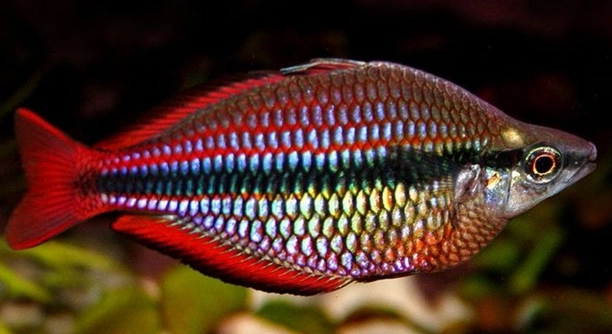
Rainbow fish are popular pets known for their vibrant colors and active nature. However, you may notice that your fish seem less social than usual. If you’re concerned about this behavior, it’s important to understand the potential causes.
A lack of social interaction in rainbow fish can be attributed to factors like water quality, tank conditions, or stress. Poor environmental conditions, inadequate space, or incompatible tank mates may contribute to the fish’s decreased sociability.
Understanding what’s affecting your fish’s behavior can help you improve their well-being. With a little attention to their environment, you can encourage more interaction and ensure they thrive in their aquatic home.
Common Environmental Stressors for Rainbow Fish
Rainbow fish thrive in clean, well-maintained tanks, and even slight changes in their environment can affect their social behavior. Poor water quality, fluctuating temperatures, or high levels of toxins like ammonia can stress them out. These fish are particularly sensitive to their surroundings and often retreat when conditions aren’t ideal.
Water temperature is one of the main factors that influences your rainbow fish’s behavior. They prefer a consistent range of 74-78°F (23-26°C), so sudden drops or spikes in temperature can stress them out. Similarly, pH levels need to stay within the 6.5-7.5 range for your fish to stay comfortable and active.
If you notice a change in your fish’s sociability, checking the water quality should be your first step. A simple water test can reveal the cause of the problem. Additionally, regular tank maintenance, like partial water changes, can help prevent issues before they affect your fish. Keeping the water clean will help your rainbow fish feel more at ease and reduce their stress.
Tank Space and Social Structure
Sometimes, the problem is simply that your rainbow fish don’t have enough space to move around comfortably. These fish are active swimmers and need plenty of room to explore and interact. A cramped tank can make them feel trapped and more likely to hide.
Overcrowding is another factor that can reduce their sociability. If there are too many fish in a tank, the rainbow fish may become territorial or stressed, which can lead to them withdrawing from their companions. It’s important to follow the recommended stocking guidelines for your tank size.
A general rule is to have at least 10 gallons of water for every 3-4 rainbow fish. More space allows them to spread out, swim freely, and interact with each other. It’s essential to ensure your tank is not overcrowded and provides enough space for each fish to establish its own territory. With proper space, your rainbow fish will feel more comfortable and social.
Incompatible Tank Mates
If your rainbow fish seem less social, it could be due to their tank mates. Aggressive or overly territorial fish can make them feel stressed and unsafe. Fish like cichlids or large, dominant species may bully your rainbow fish, causing them to retreat into hiding.
You need to carefully consider the temperament of your fish when selecting tank mates. Peaceful species like tetras, other rainbow fish, or small catfish are ideal companions. These fish tend to get along well without competing for space or resources. If you notice bullying behavior, it’s best to separate the aggressive fish.
When choosing tank mates, look for fish with similar water requirements and calm personalities. Avoid introducing species that are too large or aggressive, as they may disrupt the harmony in your tank. Ensuring your rainbow fish have compatible companions will make them feel more secure, leading to more social interactions.
Feeding Habits and Hunger
Another reason your rainbow fish might be less social is a lack of proper feeding. If they are not getting enough food or if the food is not suitable, they may become less active and more withdrawn. A proper diet plays a big role in their health and behavior.
Rainbow fish require a varied diet to stay healthy and energetic. They thrive on a mix of high-quality flakes, pellets, and live or frozen foods like brine shrimp and bloodworms. If they’re underfed or their diet lacks variety, they may become lethargic and less likely to interact with each other. A well-fed fish is usually a more social fish.
Make sure you feed your fish at least once or twice a day, offering small amounts they can consume in a few minutes. Overfeeding can lead to water quality issues, so monitor the quantity closely. By maintaining a balanced diet, your rainbow fish will stay active and engaged with their surroundings, which includes socializing with each other.
Stress from Sudden Changes
Rainbow fish can be sensitive to sudden changes in their environment. Moving to a new tank, rearranging decorations, or adding new fish can cause them stress, leading to decreased social behavior. It’s important to minimize disruptions and allow your fish time to adjust.
Any drastic changes, like adjusting the water temperature or changing the lighting schedule, can also contribute to stress. Over time, consistent tank conditions will help your rainbow fish feel more comfortable. If you’ve recently altered something in the tank, it may take a few days for the fish to feel secure again.
Water Filtration Issues
Good filtration is essential for maintaining a healthy tank, and without it, your rainbow fish may feel uneasy. Poor filtration can lead to an accumulation of toxins, which stresses the fish and impacts their sociability. It can also result in dirty water, which may cause diseases.
If you’re noticing behavioral changes in your rainbow fish, check the filtration system. Ensure the filter is appropriate for your tank size and capable of maintaining good water quality. Regular maintenance of the filter will help ensure your fish thrive and stay active. Clean, healthy water promotes a comfortable environment for social interactions.
Lighting Effects
Lighting can also affect your rainbow fish’s behavior. Too much light or too little light can cause stress and disrupt their natural cycle. They need a consistent light-dark cycle to feel at ease, as it helps regulate their sleep and activity levels.
If the lighting in your tank is too harsh or unpredictable, it may cause your fish to hide or become less active. Aim for 10-12 hours of light during the day and keep the tank dim at night. A good balance of light will encourage your rainbow fish to be more social.
FAQ
Why is my rainbow fish staying in one spot?
If your rainbow fish is staying in one spot and not swimming around, it might be stressed or unwell. Poor water quality, incorrect temperature, or disease can cause your fish to remain stationary. Check the water parameters, ensure the temperature is between 74-78°F (23-26°C), and look for signs of illness like unusual behavior or visible marks. Sometimes, fish become lethargic when they are recovering from stress, so give them time to settle down. If the issue persists, consider testing the water again and watching for any signs of discomfort.
Can rainbow fish become antisocial?
Yes, rainbow fish can become antisocial if they’re feeling stressed, unwell, or if the environment isn’t right for them. Social creatures by nature, they usually enjoy interacting with other fish, but they may withdraw if their tank mates are aggressive or the conditions are poor. If you notice your rainbow fish becoming antisocial, check the water quality, tank mates, and space available for them to swim. Ensuring that these factors are in balance can encourage more interaction and help them feel comfortable enough to socialize again.
How can I tell if my rainbow fish is stressed?
Stressed rainbow fish may exhibit behaviors such as hiding, staying at the bottom of the tank, or acting lethargic. They might also show signs of physical stress, like faded colors or erratic swimming patterns. Additionally, if you notice your fish are aggressive toward each other or other tank mates, stress may be at play. To help reduce stress, check the water quality, temperature, and overall tank environment. Make sure the tank is not overcrowded and that your fish have adequate hiding spots and enough space to swim.
Is it normal for rainbow fish to fight?
While rainbow fish are generally peaceful, some aggression may occur, especially if they are kept in too small of a tank or in groups that are not properly balanced. Male rainbow fish can sometimes be territorial, especially during breeding times. If fighting becomes frequent or intense, it’s best to separate the aggressive fish or add more plants and decorations to provide hiding places. Ensuring a proper fish-to-tank ratio and monitoring their interactions can prevent constant fighting.
Can water temperature affect my rainbow fish’s social behavior?
Yes, water temperature can significantly impact your rainbow fish’s social behavior. If the temperature is too cold or fluctuates drastically, your fish may become less active and more reclusive. Rainbow fish thrive in water temperatures between 74-78°F (23-26°C). When the temperature is within this range, they are more likely to swim and interact with each other. Make sure to maintain a stable temperature using a reliable heater to create a comfortable environment for your fish to feel at ease.
How often should I feed my rainbow fish?
Rainbow fish should be fed once or twice a day with food that they can consume in a few minutes. Overfeeding can lead to water quality problems, so it’s important to avoid excess food. Offer a variety of foods, including flakes, pellets, and occasional live or frozen food like brine shrimp or bloodworms, to ensure a balanced diet. Proper feeding helps keep your rainbow fish active and healthy, which in turn supports their social behavior. If you notice your fish are not eating, it may indicate stress or health issues that need addressing.
What should I do if my rainbow fish isn’t eating?
If your rainbow fish isn’t eating, it could be a sign of stress, poor water quality, or an underlying illness. Start by checking the water parameters, including pH, ammonia, and nitrites. Make sure the temperature is within the correct range. If the conditions are ideal and your fish still isn’t eating, consider observing their behavior for signs of illness, such as unusual swimming patterns or faded colors. In some cases, they might simply be adjusting to a new tank or new environment, so give them time. If the issue continues, seek advice from a fish expert or vet.
Can I keep multiple types of rainbow fish together?
Yes, rainbow fish are generally peaceful and can live together in the same tank. However, it’s important to ensure that the tank is large enough and that you provide enough space for each fish. Mixing different species of rainbow fish can create a beautiful and dynamic aquarium, but you should consider their size, behavior, and water needs. Avoid keeping overly aggressive species or those that might compete for the same territory. Ensuring that your rainbow fish have enough space to establish territories and socialize will promote a harmonious environment.
How do I create a stress-free environment for my rainbow fish?
To create a stress-free environment for your rainbow fish, ensure that the water is clean, filtered, and at the correct temperature (74-78°F or 23-26°C). Provide a spacious tank with plenty of plants, rocks, and hiding spots where your fish can feel secure. Keep the lighting at a natural level, avoiding bright or erratic lighting. Make sure the fish tank is not overcrowded, and ensure compatible tank mates that won’t cause aggression. Regular maintenance, such as water changes and filter cleaning, will help maintain a healthy environment for your fish.
Do rainbow fish need a lot of plants in their tank?
Rainbow fish do enjoy having plants in their tank, but they do not need a heavily planted tank to thrive. Plants provide shelter and natural food sources, and they can help create a more natural environment for your fish. A few live or artificial plants are enough to give your rainbow fish places to hide and swim through, which will help reduce stress. Plants also improve water quality by absorbing excess nutrients and providing oxygen. Just make sure that the plants don’t overcrowd the tank, allowing your fish plenty of space to move around.
Final Thoughts
Rainbow fish are generally active and social creatures, but sometimes they may seem less engaged or withdrawn. If your rainbow fish are not as social as usual, it could be due to several factors, such as poor water quality, tank stressors, or even incompatible tank mates. Addressing the environment and overall care can help bring back their usual vibrant and social behavior. Ensuring that the water temperature is stable, the tank is properly filtered, and there’s enough space for them to swim freely can make a noticeable difference. These simple adjustments can help your fish feel more comfortable and confident, encouraging them to interact with each other and their surroundings.
Another important aspect to keep in mind is their social needs. Rainbow fish enjoy the company of others, so keeping them in groups of at least six or more will encourage social behavior. However, it’s essential to make sure that there aren’t too many fish in the tank, as overcrowding can cause stress. Fish need space to establish their territories and avoid constant competition. When choosing tank mates, select peaceful fish that won’t disrupt the rainbow fish’s natural behavior. By creating a peaceful and spacious environment, you’ll encourage your rainbow fish to engage more with each other and their surroundings.
Lastly, feeding habits and lighting also play a role in your rainbow fish’s behavior. Providing a balanced diet, including a mix of flakes, pellets, and occasional live or frozen foods, helps keep them active and healthy. Overfeeding should be avoided to maintain water quality, as it can lead to a range of issues. Likewise, ensuring the lighting is consistent, not too bright or too dim, will help regulate their natural cycle and prevent unnecessary stress. A well-maintained tank with proper food, lighting, and space is key to encouraging your rainbow fish to be as social and active as they can be.

Hello,
If you enjoy the content that we create, please consider saying a "Thank You!" by leaving a tip.
Every little bit helps us continue crafting quality advice that supports the health, happiness, and well-being of pets around the world, for pets of all shapes, sizes, and species.
We really appreciate the kindness and support that you show us!