
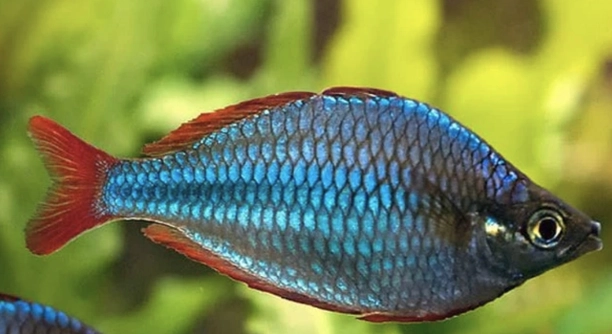
Do you ever find yourself wondering why your rainbow fish only becomes active and eats once the lights go out each night?
The main reason your rainbow fish only eats at night is stress or discomfort during the day. Bright lighting, lack of hiding spaces, or tankmate aggression can lead to nocturnal behavior and disrupted feeding patterns.
Understanding this behavior can help you adjust your tank setup and improve your fish’s comfort, making daytime feeding more successful.
Common Reasons Your Rainbow Fish Only Eats at Night
Rainbow fish may avoid eating during the day if they feel stressed or unsafe in their environment. Bright lighting can make them feel exposed, especially if the tank lacks enough plants or hiding spots. Overly active or aggressive tankmates can also cause them to stay hidden during feeding times. These factors contribute to a sense of insecurity, making the fish more comfortable eating only when the tank is quiet and dark. Even sudden changes in routine, such as rearranging the tank or changing feeding schedules, can influence this behavior. Ensuring the tank feels stable and calm can encourage more daytime activity.
Nocturnal feeding may also be linked to learned behavior. If they’ve only been fed at night, they may simply continue following that pattern.
Lighting that’s too harsh or inconsistent can confuse their natural rhythm. Try using a dimmer setting or adding floating plants to soften the brightness.
How to Encourage Daytime Feeding
Create a calm and consistent environment. Keep lighting gentle and tank décor natural to help reduce stress during feeding.
Feed your rainbow fish at the same time every day and offer food when the room is quiet. Use high-quality, slow-sinking flakes or small pellets to give them time to respond. If your tank has faster eaters, consider feeding in multiple spots to reduce competition. Avoid sudden changes in light or loud noises during feeding time. Rainbow fish thrive in groups, so keeping them in small shoals can improve their confidence. Also, make sure water parameters stay stable, as poor quality can make them less interested in food. Once your fish associates feeding time with calm and safety, they may start eating during the day more often. Adjustments take time, but with consistency, their schedule often improves naturally.
Environmental Factors That Influence Feeding Habits
Bright lighting can make rainbow fish feel exposed and uncomfortable, especially without enough plants or decorations to provide cover. A harsh environment discourages them from eating during the day when they feel more vulnerable.
Tank mates also play a role. If your rainbow fish are housed with aggressive or fast-swimming species, they may stay hidden and wait for night to feel safe. Water movement, noise, and activity outside the tank during the day can also make them anxious. Consider placing the tank in a quieter spot and using a background to reduce distractions. Dim the lights slightly or use floating plants to create shaded areas. These simple changes can help make the environment feel more secure, encouraging daytime activity and feeding.
Another factor to consider is water quality. Fluctuations in temperature, pH, or ammonia levels can lead to discomfort, reducing appetite. Test the water regularly to maintain stable conditions. A stable tank encourages regular feeding.
Feeding Strategies That Can Help
Feeding at a consistent time each day trains your fish to expect food and helps create a routine that builds confidence and security.
Try offering food in smaller portions and in multiple areas of the tank to ensure rainbow fish get a fair chance. If they’re competing with other species, you may need to distract faster eaters with food on one side while placing food near hiding spots on the other. You can also use sinking or slow-sinking food options that stay in the water longer, giving timid fish more time to respond. Avoid overfeeding, as uneaten food affects water quality and makes the fish less likely to eat later. If your fish continue to eat only at night, use a low light setting during feeding time to ease the transition. Gradually increase brightness over several days to help them feel more comfortable eating in daytime conditions. Consistency and patience make a difference.
Behavioral Patterns You Might Notice
Some rainbow fish become more active only after the tank lights go off. They may swim more freely and start exploring areas they avoided during the day.
You might also notice them hiding behind plants or decorations when the lights are on, only emerging once the room becomes quieter and darker.
When to Be Concerned
If your rainbow fish refuses to eat completely or starts losing weight, it may be more than just a lighting or comfort issue. Look for signs like clamped fins, unusual swimming, or changes in color. These can point to underlying health problems such as internal parasites, poor water quality, or infections. Also, sudden changes in behavior that don’t improve after environmental adjustments may require a closer look. Quarantining the fish and observing them more closely can help rule out illness. If nothing improves, consider consulting an aquatic vet for advice or treatment options.
Night Feeding Isn’t Always a Problem
As long as your rainbow fish is eating well, maintaining energy, and showing no signs of illness, nighttime feeding may simply suit them best.
FAQ
Why does my rainbow fish only eat at night?
Rainbow fish typically eat at night due to feeling safer in a quieter, darker environment. Bright lights during the day may cause stress, making them less inclined to feed. If your tank doesn’t have enough hiding spaces or if tank mates are too aggressive, your fish may avoid eating during the day. Creating a calm and stable environment, along with dimming the lights, can help encourage daytime feeding. Once they feel secure, their eating patterns should improve.
Can stress cause rainbow fish to stop eating?
Yes, stress is a major factor in a rainbow fish’s feeding habits. Stress can be caused by bright lighting, aggressive tank mates, water quality issues, or inconsistent feeding times. Stress makes rainbow fish feel vulnerable, and they may only feel comfortable eating when it’s dark and quiet. To reduce stress, ensure the tank has plenty of hiding spaces and that the water parameters are stable. Avoid sudden changes to the environment and keep feeding times consistent.
How can I reduce the stress of my rainbow fish?
To reduce stress, ensure your rainbow fish has a safe and stable environment. Start by checking the water quality regularly—rainbow fish thrive in stable conditions with the right temperature, pH, and ammonia levels. Use gentle lighting, and provide enough plants or rocks for hiding. Avoid overcrowding and aggressive tank mates. If possible, place your tank in a quiet area away from loud noises or excessive movement. Gradually acclimate your fish to changes instead of making sudden adjustments to their environment.
What kind of tank mates are best for rainbow fish?
Rainbow fish do well with peaceful species that won’t compete for food or harass them. Consider tank mates like other peaceful fish such as tetras, Corydoras catfish, or gouramis. Avoid aggressive species like cichlids or fast-swimming fish that may intimidate or outcompete the rainbow fish for food. It’s essential to ensure that all species are compatible in terms of size and temperament.
Do rainbow fish need to be in schools?
Yes, rainbow fish prefer to live in small groups or schools. While they can survive alone, they thrive and feel more secure in the company of their own kind. A group of at least five or six rainbow fish can help them feel more comfortable, reducing stress and promoting natural behaviors. Keeping them in groups encourages social interaction and can even increase their chances of eating during the day as they feel more confident.
What should I feed my rainbow fish?
Rainbow fish eat a variety of foods, including flakes, pellets, frozen food, and live food. A balanced diet is important for their health and well-being. Feed them high-quality flakes or pellets that sink slowly, allowing them time to eat without feeling rushed. You can supplement with occasional treats like brine shrimp, daphnia, or bloodworms. Always avoid overfeeding, as uneaten food can affect water quality and discourage them from eating later.
Can water temperature affect their eating habits?
Yes, water temperature plays a significant role in a rainbow fish’s overall health and feeding habits. Rainbow fish prefer temperatures between 74°F and 80°F (23°C–27°C). If the water is too cold, they may become lethargic and lose their appetite. If the temperature is too high, it could stress them out and decrease their appetite. Keeping the water temperature within their preferred range promotes healthy feeding behavior and overall well-being.
Why are my rainbow fish not eating despite the changes I made?
If your rainbow fish is still not eating after you’ve adjusted the lighting, tank décor, and feeding schedule, it may be experiencing other issues. Look for signs of illness, such as clamped fins, discoloration, or abnormal swimming patterns. Health problems like parasites or infections can cause a loss of appetite. Additionally, poor water quality can affect their willingness to eat. It’s important to regularly test the water and address any imbalances. If nothing improves, consider quarantining the fish and seeking advice from an aquatic veterinarian.
Can rainbow fish go without food for a few days?
Rainbow fish can survive without food for a few days, but it is not ideal. Extended periods without food can weaken their immune system and reduce their overall health. A short fasting period, such as one or two days, is typically fine for healthy fish, especially if they are just adjusting to a new feeding schedule. However, if the fish refuses to eat for an extended period, it’s important to investigate potential issues with water quality, tank conditions, or health problems.
What should I do if my rainbow fish continues to eat only at night?
If your rainbow fish continues to eat only at night, it may just be their natural behavior, especially if they feel safe in the dark. However, if this becomes a problem or if you want to encourage daytime feeding, continue making adjustments to the environment. Provide more hiding spots, use a dimmer light setting, and establish a consistent feeding schedule. With time and consistency, your rainbow fish should become more comfortable eating during the day. If they remain nocturnal feeders and are healthy, this behavior may not be a cause for concern.
Final Thoughts
Rainbow fish may seem like they only eat at night, but this behavior is often linked to their need for a calm and secure environment. During the day, bright lights or the presence of active tank mates can make them feel exposed and stressed. As a result, they might wait for nightfall, when the tank is quieter, and the lights are dimmer, to feel more comfortable eating. Understanding this natural behavior can help aquarium owners make simple changes to their tanks, such as providing more hiding places or adjusting the lighting, so that their fish feel more secure.
However, it is important to monitor the overall health of your rainbow fish. If they continue to refuse food or show signs of stress, it may indicate a deeper issue. It could be related to water quality, temperature, or even an undiagnosed illness. Testing the water regularly and ensuring it is within the ideal range for rainbow fish is crucial. Ensuring that tank mates are peaceful and that the environment remains stable will help reduce stress and encourage normal feeding habits. If the problem persists, consulting with an aquatic veterinarian can provide additional insights into any health concerns your fish may have.
Ultimately, while it’s common for rainbow fish to prefer nighttime feeding, creating an environment that supports their natural behavior and reduces stress can help them become more comfortable eating during the day. Patience and consistency are key in making these changes, and observing how your fish respond will guide you in creating a healthier, more enjoyable habitat. As long as they are eating and healthy, nighttime feeding doesn’t pose a serious problem. However, adjusting their tank conditions can help your fish feel more at ease, leading to a more balanced feeding schedule.

Hello,
If you enjoy the content that we create, please consider saying a "Thank You!" by leaving a tip.
Every little bit helps us continue crafting quality advice that supports the health, happiness, and well-being of pets around the world, for pets of all shapes, sizes, and species.
We really appreciate the kindness and support that you show us!