
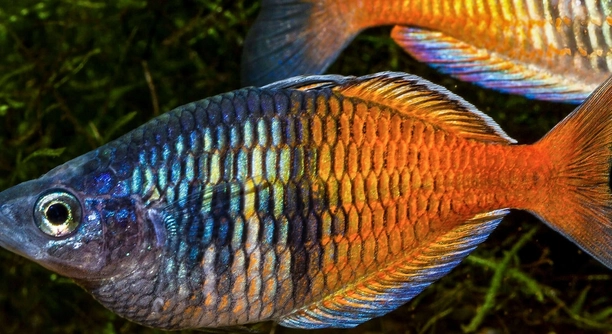
Rainbow fish are a popular choice for aquariums, but sometimes they can seem to swim in circles. This behavior can be puzzling for their owners, especially when it becomes repetitive. There may be various reasons for this behavior.
The primary reason your rainbow fish may swim in circles is stress. Environmental factors such as poor water quality, inadequate space, or incompatible tank mates can cause your fish to feel anxious and exhibit this repetitive motion.
Addressing these issues will not only improve your fish’s well-being but also enhance your aquarium’s overall balance.
Why Stress Can Make Your Rainbow Fish Swim in Circles
Stress is one of the most common reasons your rainbow fish may swim in circles. When a fish feels stressed, it can display unusual swimming patterns. Poor water quality, a lack of hiding spots, or overcrowding in the tank can trigger this behavior. It’s essential to check the water parameters regularly, as high levels of ammonia, nitrites, or nitrates can make your fish uncomfortable. Additionally, if the tank is too small or there are too many fish, your rainbow fish may feel cornered and swim in repetitive circles to find relief.
One of the best ways to reduce stress is by ensuring the tank has plenty of space for your fish to move around freely. Adding plants or rocks for hiding can help make your fish feel safer. This helps them explore their environment without feeling overwhelmed by their surroundings.
Maintaining a clean, well-balanced environment is key to keeping your rainbow fish healthy. Regular water changes, monitoring tank temperature, and providing compatible tank mates can create a more peaceful atmosphere. Over time, with the right care, your rainbow fish will feel more comfortable and stop swimming in circles.
Poor Tank Conditions Can Aggravate the Behavior
Water temperature is another factor that contributes to stress in fish.
Keeping the water temperature within the recommended range for rainbow fish (around 72–78°F) ensures they remain healthy. Extreme fluctuations in temperature can lead to stress and even illness. Additionally, improper filtration or infrequent water changes can lead to the accumulation of toxins, causing further distress.
Overcrowding Can Lead to Stressful Conditions
When too many fish share a tank, it creates a stressful environment for each one. Overcrowding reduces the available space for swimming and increases competition for food and oxygen. This can cause anxiety in your rainbow fish, leading them to swim in repetitive circles.
A good rule of thumb is to ensure your tank has enough room for each fish. If you’re unsure, research the recommended tank size per fish species. Regularly check for signs of aggression or stress, such as constant circling or hiding. Keeping fewer fish in a larger tank can lead to healthier and calmer fish.
Overcrowding can also make it harder to maintain water quality. With more fish in the tank, waste accumulates faster, which impacts water conditions. This leads to a further increase in stress and abnormal behavior. To avoid this, consider upgrading your tank size or reducing the number of fish to better suit your aquarium’s capacity. This will help improve your fish’s quality of life and reduce the likelihood of circling behavior.
Tank Mates and Their Role in Behavior
Some fish simply don’t get along well with others.
When choosing tank mates for your rainbow fish, it’s important to select species that are peaceful and won’t cause stress. Aggressive or overly territorial fish can provoke anxiety, causing your rainbow fish to swim in circles as a response to stress. Always ensure the fish you add are compatible in terms of size, temperament, and swimming habits.
Fish like bettas, cichlids, or other aggressive species may harm your rainbow fish, leading them to become stressed and exhibit unusual behavior. Consider choosing other peaceful species that swim in similar areas of the tank. You can also place territorial fish in their own separate areas to reduce conflicts. This helps create a more peaceful, stress-free environment for all the fish.
Water Quality and Its Effect on Behavior
Poor water quality can contribute to your rainbow fish swimming in circles. If the water contains high levels of ammonia, nitrates, or nitrites, it can irritate their gills and skin, causing discomfort. Regular water testing can help identify these harmful chemicals.
Performing frequent water changes is the best way to maintain a healthy environment for your fish. This will keep toxins at bay and reduce stress. In addition, a good filtration system can help remove excess waste and provide cleaner water. Always monitor the water temperature as well, as fluctuations can add to the stress.
Lighting and Its Impact on Fish Behavior
Lighting plays a significant role in your fish’s behavior.
Bright or erratic lighting can make your rainbow fish feel unsettled, leading them to swim aimlessly. Maintaining a consistent light cycle mimics natural day and night rhythms, which can help reduce stress.
FAQ
Why is my rainbow fish swimming in circles all the time?
When your rainbow fish swims in circles repeatedly, it is often a sign of stress or discomfort. Factors like poor water quality, overcrowding, or aggressive tank mates can lead to this behavior. It’s essential to check water parameters, ensure there’s enough space in the tank, and choose peaceful companions for your fish. Addressing these issues will help reduce stress and allow your fish to swim more naturally.
How can I improve the water quality in my tank?
To improve water quality, perform regular water changes—usually 20-25% of the tank volume every week. Invest in a good filtration system to help remove waste and toxins. Test water parameters regularly using a reliable kit to ensure levels of ammonia, nitrites, and nitrates stay safe for your fish. Additionally, ensure that the tank’s temperature remains stable within the recommended range for your rainbow fish.
Can tank mates affect my rainbow fish’s behavior?
Yes, tank mates can significantly impact your rainbow fish’s behavior. If they are housed with aggressive or territorial species, it may lead to stress. This stress can cause your rainbow fish to swim in circles or hide more often. Choose peaceful, non-aggressive fish that share similar swimming habits. Ensuring compatibility between species reduces the chance of behavior issues.
How much space does a rainbow fish need?
Rainbow fish require a well-sized tank to thrive. As a general rule, aim for at least 30 gallons for a small group of rainbow fish. They are active swimmers and need plenty of room to move around. Overcrowding can lead to stress and abnormal behaviors such as swimming in circles. If you plan to keep more than a few, consider upgrading to a larger tank.
What are the best tank conditions for rainbow fish?
Rainbow fish do best in stable water conditions. Keep the water temperature between 72–78°F (22–26°C), with a pH level of 6.5–7.5. Filtration should be strong but not too aggressive, as strong currents can cause additional stress. Regular water changes and careful monitoring of water quality are essential for a healthy environment.
Can stress be caused by changes in the environment?
Yes, sudden changes in the environment can cause stress for your rainbow fish. This includes rapid changes in water temperature, sudden lighting changes, or adding new tank mates too quickly. Fish need time to adjust to new conditions, so avoid making drastic changes all at once. Introducing new elements gradually can help minimize stress.
How can I tell if my rainbow fish is stressed?
Signs of stress in rainbow fish include swimming in circles, hiding frequently, rubbing against tank decorations, or having a loss of appetite. You may also notice that your fish becomes more aggressive or timid than usual. If these behaviors persist, check water quality, tank conditions, and ensure there are no incompatible tank mates.
Can I fix the circling behavior quickly?
Fixing circling behavior takes time and adjustments. Start by addressing water quality issues, ensuring your tank is not overcrowded, and choosing compatible tank mates. Monitor water parameters regularly and make gradual changes to avoid additional stress. If you’ve ruled out other causes, patience is key as your fish adjust to improved conditions.
How long does it take for rainbow fish to stop swimming in circles?
The time it takes for your rainbow fish to stop swimming in circles depends on the severity of the issue and the changes made. If water quality is improved and tank conditions are optimized, it could take a few days to a few weeks for your fish to recover. Be consistent with tank care and monitor their behavior regularly.
Can poor diet contribute to circling behavior?
Yes, a poor diet can contribute to stress and health issues in rainbow fish. Lack of essential nutrients can weaken their immune system and cause them to feel unwell, which may lead to abnormal behavior, including swimming in circles. Ensure your rainbow fish are fed a varied, high-quality diet, such as flakes, pellets, and occasional live or frozen food.
Is it normal for rainbow fish to swim in circles occasionally?
Occasional circling may not be a cause for concern. Rainbow fish, like many other species, may swim in circles while exploring or reacting to stimuli in the tank. However, if this behavior becomes constant or is paired with other signs of distress, it’s important to investigate the cause and make the necessary adjustments to their environment.
Can adding plants or decorations help reduce circling behavior?
Yes, adding plants and decorations can help reduce stress for your rainbow fish. Plants provide hiding spots and a more natural environment, which helps them feel safer. Rocks and driftwood can also serve as shelter. Having places to hide can reduce anxiety and improve overall behavior, leading to less circling. Just make sure not to overcrowd the tank with decorations, as this can also contribute to stress.
Final Thoughts
Addressing why your rainbow fish keeps swimming in circles involves understanding and resolving the various factors that could be causing stress or discomfort. It’s important to evaluate the tank environment carefully, as water quality, overcrowding, and inappropriate tank mates can all contribute to this behavior. Regularly checking water parameters, such as ammonia, nitrate, and pH levels, ensures a healthy environment. Ensuring that your fish have enough space and compatible companions will also significantly reduce stress. Fish, like all living creatures, thrive in environments that mimic their natural habitats, so providing a balanced and stable setup is essential for their well-being.
If your rainbow fish continues to swim in circles, it might take time to see improvements. Small changes in the environment, such as adjusting the water temperature, removing aggressive fish, or adding plants for hiding, can make a big difference. It’s important not to rush the process or expect instant results. Fish need time to adapt to their environment, and consistent care will lead to healthier and more relaxed fish. Remember that keeping a tank environment stable and low-stress is key to preventing behaviors like circling in the future.
Lastly, taking a proactive approach to monitoring and maintaining your tank will help prevent further issues. Regular water changes, proper filtration, and appropriate tank mates are some of the basic steps you can take to create a safe space for your rainbow fish. If you’re still unsure of what’s causing the circling behavior despite trying these measures, consulting with an aquarium specialist or veterinarian might be helpful. With the right steps, your rainbow fish will be able to live a happier, healthier life in a peaceful environment.

Hello,
If you enjoy the content that we create, please consider saying a "Thank You!" by leaving a tip.
Every little bit helps us continue crafting quality advice that supports the health, happiness, and well-being of pets around the world, for pets of all shapes, sizes, and species.
We really appreciate the kindness and support that you show us!