
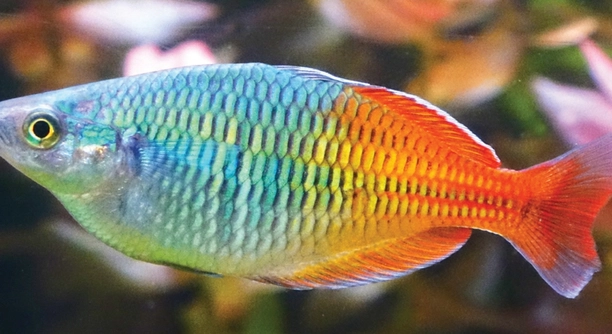
Are your rainbow fish suddenly swimming sideways, leaving you unsure about what’s going on in their tank? This behavior might look strange at first, but it’s not uncommon among freshwater aquarium fish.
The most common reason your rainbow fish swim sideways is due to swim bladder issues, often caused by overfeeding, constipation, or sudden water changes. This condition affects their buoyancy and makes it difficult for them to swim normally.
Understanding what causes swim bladder trouble and how tank conditions affect your fish will help you prevent and manage this unusual behavior.
Common Causes of Sideways Swimming in Rainbow Fish
Rainbow fish swimming sideways is usually linked to swim bladder problems. The swim bladder helps fish stay balanced and control their position in the water. When something affects this organ, swimming becomes difficult. Overfeeding is a common cause, as it can lead to constipation, which puts pressure on the swim bladder. Poor water quality, like sudden changes in temperature or pH levels, can also cause stress that impacts a fish’s health. Injuries, internal infections, or genetics might also play a role, although these are less common. Observing your fish closely can help you identify the issue quickly.
In many cases, feeding too much or offering improper food leads to digestive problems that affect buoyancy.
Making small changes in care can help bring your rainbow fish back to normal. Watch for floating food and uneaten bits, and consider offering a more varied diet, like blanched peas or daphnia, to ease digestion.
How to Help Your Rainbow Fish Swim Normally Again
Improving water quality should be your first step. Test for ammonia, nitrite, nitrate, and pH regularly and perform water changes to keep levels stable. Feed your fish smaller amounts once or twice daily, and remove any leftovers quickly to prevent build-up.
If constipation is suspected, try fasting your fish for 24–48 hours. After fasting, offer a small piece of deshelled, cooked pea. This can help clear the digestive tract and ease pressure on the swim bladder. Avoid feeding dry flakes or pellets during this time, as they can swell in the stomach and worsen the problem. Keep the tank at a consistent temperature between 74–78°F to reduce stress. If symptoms persist, isolate the affected fish in a separate tank with clean, warm water and minimal disturbances. In more serious cases, an internal infection may be involved, and treatment with aquarium-safe antibiotics might be needed. Always monitor your fish closely during this time.
Preventing Future Swim Bladder Problems
Feed your rainbow fish small, frequent meals instead of one large feeding. This reduces the risk of overfeeding and helps their digestion stay regular. Choose high-quality, varied foods to support their overall health and balance.
Keep the tank clean and stable. Perform weekly water changes of about 25%, and always use dechlorinated water at the same temperature as the tank. Test the water regularly to monitor ammonia, nitrite, nitrate, and pH levels. Fluctuations in these parameters can stress your fish, making them more prone to swim bladder issues. Avoid overcrowding, as it leads to excess waste and poor water quality. Keep decorations and plants well-rinsed and avoid sharp objects that might injure your fish. Use a filter appropriate for your tank size, and ensure good water flow without creating strong currents that may affect your fish’s swimming ability.
Introduce live or frozen food like brine shrimp or daphnia once or twice a week. These protein-rich options help with digestion and mimic a more natural diet for your rainbow fish. Watch how your fish react after feeding and adjust their diet if necessary. If they float or swim awkwardly, try offering more plant-based options or skipping a day of feeding.
When to Separate the Affected Fish
If one rainbow fish continues swimming sideways despite changes in care, it’s best to move it to a separate tank. This helps reduce stress and allows you to monitor the fish closely without interference from others.
Use a clean, cycled hospital tank with consistent water temperature. Keep lighting low and avoid sudden movements around the tank to prevent added stress.
Signs It’s Time to Consult a Vet
If your rainbow fish shows no improvement after dietary changes, water adjustments, and isolation, a more serious issue may be involved. Signs like bloating, darkened color, or loss of appetite can point to internal infections or organ problems. Consulting an aquatic vet ensures proper diagnosis and treatment.
Observing Behavioral Changes
Keep track of how your fish swims, eats, and interacts over time. Noticing changes early helps you act quickly and prevent the issue from getting worse.
FAQ
Why is my rainbow fish swimming sideways?
Rainbow fish typically swim sideways due to swim bladder problems. This condition affects their buoyancy and causes abnormal swimming patterns. The issue can arise from overfeeding, constipation, or poor water quality. Stress, injuries, or even genetic factors may also play a role. Close monitoring of feeding habits, water quality, and the fish’s behavior can help identify the root cause.
How can I prevent swim bladder issues in my rainbow fish?
Preventing swim bladder problems involves maintaining good tank conditions. Regular water changes, monitoring water temperature, and keeping the pH stable are essential. Avoid overfeeding by offering small, frequent meals. Also, remove any leftover food from the tank promptly to avoid decay, which can harm water quality.
What should I do if my rainbow fish is swimming upside down?
Swimming upside down could indicate a severe swim bladder issue or another health problem. First, check water parameters to ensure they are within safe levels. If the water is fine, fast the fish for a few days to help clear any digestive issues. If symptoms persist, consult an aquatic vet.
Can swim bladder problems be cured?
Swim bladder problems can often be managed and improved, especially when caught early. Proper diet, maintaining stable water conditions, and isolating the affected fish can help. In some cases, the condition might resolve on its own. However, if there is no improvement, it may require medical intervention, such as antibiotics or specialized treatments.
How long can a rainbow fish survive with swim bladder problems?
The survival of a rainbow fish with swim bladder issues depends on the severity of the condition and how quickly the problem is addressed. If treated early and with appropriate care, many fish can recover. However, without proper treatment, the condition can worsen, leading to further health complications.
What foods should I feed my rainbow fish to prevent swim bladder problems?
A varied diet is key to keeping your rainbow fish healthy. Offer a mix of high-quality flakes, pellets, and occasional live or frozen foods like brine shrimp and daphnia. Blanched peas can help clear the digestive tract and ease constipation. Avoid overfeeding, as excessive food can lead to bloating and swim bladder issues.
Is it safe to use aquarium medications for swim bladder problems?
Using aquarium medications can be effective in treating certain causes of swim bladder issues, such as infections or parasites. However, it’s essential to identify the exact cause before using medication. Overuse or incorrect application can worsen the condition. Always consult a vet or aquatic specialist for advice on the proper course of treatment.
How can I tell if my rainbow fish is constipated?
Constipation in rainbow fish is often accompanied by bloating and abnormal swimming. If your fish shows signs of difficulty swimming, especially floating sideways or upside down, constipation could be the cause. Offering a small piece of cooked, deshelled pea can help clear the digestive system and alleviate the issue.
Can other fish in the tank catch swim bladder problems?
Swim bladder issues are not contagious in the same way as diseases caused by bacteria or parasites. However, poor water quality or high-stress conditions can affect all the fish in the tank, potentially leading to similar issues. It’s essential to maintain a healthy environment for all your fish to prevent stress-related health problems.
Should I remove my sick rainbow fish from the tank?
Isolating a sick rainbow fish is often the best option, especially if it is showing signs of stress, infection, or swim bladder problems. This will prevent it from being further stressed by the other fish and allow you to monitor its condition closely. Keep the hospital tank clean and maintain stable water conditions to support recovery.
Final Thoughts
Swim bladder problems in rainbow fish are often the result of overfeeding, poor water quality, or digestive issues. This condition can cause your fish to swim sideways, upside down, or have difficulty staying balanced in the water. The good news is that many of these problems can be managed with a few simple adjustments to your fish care routine. By maintaining stable water conditions, providing a balanced diet, and monitoring your fish’s behavior, you can reduce the risk of swim bladder issues and promote overall health.
If your rainbow fish does develop swim bladder problems, early intervention is key. In many cases, fasting the fish for a couple of days or offering a small amount of cooked pea can help relieve constipation and ease the pressure on the swim bladder. It’s important to remove any uneaten food from the tank to prevent water quality issues and avoid feeding dry pellets or flakes that can cause digestive blockages. If the problem persists, isolation in a hospital tank with clean water and minimal stress can allow for better monitoring and quicker recovery.
However, not all swim bladder problems are easily solved, and some may be a result of deeper health issues. If your fish does not show improvement despite making adjustments, it’s a good idea to consult an aquatic vet for further diagnosis. Whether caused by an infection, injury, or an ongoing environmental issue, professional help can guide you in the right direction for treatment. Taking the time to understand the needs of your rainbow fish and staying proactive with tank maintenance can help ensure they live a long, healthy life.

Hello,
If you enjoy the content that we create, please consider saying a "Thank You!" by leaving a tip.
Every little bit helps us continue crafting quality advice that supports the health, happiness, and well-being of pets around the world, for pets of all shapes, sizes, and species.
We really appreciate the kindness and support that you show us!