
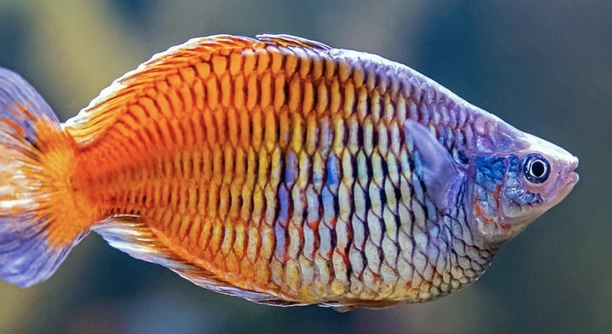
Do your rainbow fish seem to stick to one area of the tank rather than exploring the entire space?
The most likely reasons your rainbow fish aren’t using the whole tank include stress, insufficient hiding spots, or environmental factors like water quality and temperature. It’s essential to ensure they feel comfortable and safe in their environment.
Creating a more enjoyable and stimulating environment can encourage your rainbow fish to explore the tank. Keep reading to learn more about how to make these adjustments and improve their overall well-being.
Stress and Overcrowding
If your rainbow fish aren’t using the whole tank, stress could be a significant factor. Overcrowding, for example, limits the space the fish feel they can claim as their own. When fish feel crowded, they tend to stay near the area where they feel safest, often in corners or behind decorations. This behavior is especially common in smaller tanks that lack proper space. Stress can also arise from rapid changes in water conditions, light cycles, or even the presence of other aggressive fish. To avoid this, make sure there is enough room for each fish to move freely and establish its territory.
A tank that’s too small can create anxiety in fish. Always keep the tank size appropriate for the number of fish you have.
Creating an environment that feels safe and comfortable will help your fish utilize all areas of the tank. Adding plants or hiding spots can make your fish feel secure while encouraging them to explore. Maintaining stable water conditions and a proper light cycle are also key factors. If your fish feel threatened by other tank mates, separation may be necessary. By reducing the sources of stress, you’ll see a significant improvement in their behavior. You can even consider rearranging tank decor periodically to offer new territories and stimulation for your rainbow fish.
Water Quality and Temperature
Water quality plays a large role in the behavior of your fish. If the water conditions are off, your rainbow fish may avoid certain areas of the tank. Poor water quality can cause irritation or discomfort, leading fish to stay in one area they feel more comfortable in. A consistent temperature is also vital. If the water is too cold or too hot, it will discourage your fish from moving around. Checking water parameters such as pH, ammonia levels, and temperature is essential for healthy fish behavior.
Maintaining good water quality and temperature can reduce stress and help your fish feel more confident swimming across the tank.
A stable water temperature between 74-78°F (23-25°C) is ideal for rainbow fish. To maintain this, invest in a reliable aquarium heater and thermometer. Regular water changes are necessary to keep ammonia and nitrite levels low. Fish also need well-oxygenated water to thrive, so make sure your filtration system is efficient. If the water quality or temperature fluctuates, your rainbow fish will likely stay in the areas they feel more comfortable, often close to filters or heaters. Additionally, consider using a water conditioner to neutralize any harmful substances in tap water. By maintaining a clean, stable environment, you’ll notice your rainbow fish exploring more of their tank.
Tank Size and Space
A tank that’s too small can make your rainbow fish feel restricted, limiting their ability to swim freely. Without enough space, they might stick to the areas where they feel safest. To ensure they use the entire tank, aim for a tank that offers plenty of room for swimming and exploration.
For a single rainbow fish, a 30-gallon tank is the minimum recommended size. If you have more than one, increase the size accordingly. In a cramped tank, the fish may feel trapped and avoid moving much. When choosing a tank, always consider the number of fish and their activity levels. More space allows the fish to swim comfortably, reducing stress and promoting natural behavior. Adding decorations like plants or driftwood can give the fish more areas to explore, making the tank feel less intimidating and more like a natural habitat.
A well-sized tank encourages fish to move around, especially when they have plenty of open swimming space. Adding plants and hiding spots gives your rainbow fish more areas to claim as their own without feeling overcrowded. Too many decorations in a small tank can increase stress, so balance is key.
Tank Mates
Rainbow fish can sometimes avoid using the whole tank if there are tank mates that they don’t get along with. Aggressive or territorial fish can limit your rainbow fish’s movement, forcing them to stay in one area where they feel safe. If the environment feels hostile, they’ll avoid exploring.
If your rainbow fish are being chased or bullied by tank mates, it’s important to separate them. Peaceful, non-aggressive fish are ideal tank mates for rainbow fish. Avoid mixing them with overly aggressive species, as this can cause stress and hinder their natural behavior. Consider the temperament of each fish before adding them to your aquarium. If aggression is an issue, introducing more hiding spots and plants may provide some relief.
Adding other peaceful species that swim in different areas of the tank can also help. This way, your rainbow fish won’t feel threatened and will be more willing to explore different parts of the tank. If issues persist, removing aggressive fish may be the best solution to ensure your rainbow fish feel comfortable moving around.
Lighting and Tank Setup
Inadequate lighting can affect the behavior of your rainbow fish. Fish may shy away from certain areas of the tank if lighting is too harsh or too dim. Make sure the lighting mimics natural day and night cycles to help them feel more comfortable.
Use a timer to keep lighting consistent, providing a 12-hour light cycle. Bright, unnatural lighting can stress fish, while too little light might make them hesitant to explore. Try using LED lights designed for aquariums that allow you to adjust intensity. Setting up the tank with areas of both light and shade can offer your fish the choice of where they feel most comfortable.
Balancing the light levels is important for your fish’s overall health. The right lighting can encourage your rainbow fish to swim freely throughout the tank, creating a more natural environment. Adjusting the lights to match your fish’s needs will help ensure they aren’t hiding away due to discomfort.
Feeding Habits
If your rainbow fish are only staying in one area, feeding habits might be contributing. Fish often stick to feeding zones, so they may associate certain spots with food. This can cause them to avoid exploring other parts of the tank.
Ensure that food is spread out across the tank rather than placed in one spot. This encourages the fish to explore and move around. A varied feeding schedule also helps them stay active. Avoid overfeeding as it may create excess waste, which can degrade water quality and further limit movement. By making mealtime more dynamic, you give your fish the opportunity to engage with their environment more.
Tank Maintenance
Regular maintenance is crucial for keeping the tank healthy and attractive for your fish. Dirty water, algae buildup, or malfunctioning equipment can make your rainbow fish avoid certain areas. Keeping everything clean is essential for encouraging natural behavior.
Keep an eye on the water quality, filter, and heater. Regular water changes and cleaning prevent issues like high ammonia levels or unwanted algae. Checking the filter regularly ensures that the water stays clean and oxygenated, which encourages fish to swim freely.
FAQ
Why are my rainbow fish always hiding?
Rainbow fish may hide due to stress, water quality issues, or inappropriate tank mates. If they feel threatened or uncomfortable, they seek hiding spots to feel safer. Ensure your tank has plenty of plants, decorations, and enough space to reduce stress. Additionally, check your water parameters and make sure the temperature is stable. Aggressive tank mates can also cause them to hide. If this is the case, consider separating the fish or rearranging the tank to create new territories.
How can I make my rainbow fish feel more comfortable in the tank?
To make your rainbow fish feel more comfortable, provide hiding spots such as plants, rocks, and driftwood. Keep the water clean and maintain proper temperature and pH levels. A calm environment without aggressive tank mates will encourage them to explore the whole tank. You can also introduce a gentle filter to avoid strong currents, as rainbow fish prefer moderate water flow.
Do rainbow fish need a lot of space to swim?
Yes, rainbow fish are active swimmers and need adequate space. A larger tank, around 30 gallons for a small group, allows them to swim freely. If the tank is too small, they might feel cramped and stay in one corner. When choosing a tank, always consider the number of fish and ensure there’s enough room for them to move comfortably.
Can rainbow fish live with other species?
Rainbow fish can live peacefully with many other species, as long as they aren’t overly aggressive. Good tank mates include peaceful fish like tetras, guppies, and Corydoras catfish. Avoid placing them with fin-nippers or aggressive fish. Keeping peaceful tank mates will help your rainbow fish feel secure and encourage them to explore their environment.
How often should I clean my rainbow fish tank?
You should clean your rainbow fish tank regularly, doing partial water changes every week or two. Remove any uneaten food, clean the filter, and vacuum the substrate to keep the water quality high. Algae should also be scrubbed from the tank walls when it starts to build up. Regular maintenance ensures your fish are in a healthy environment and promotes natural behavior.
What temperature should the water be for rainbow fish?
Rainbow fish thrive in temperatures between 74°F and 78°F (23°C to 25°C). Keeping the water within this range helps them stay active and comfortable. Sudden temperature changes can stress the fish and make them less likely to explore the tank. Use a reliable aquarium heater to maintain a consistent temperature.
Are rainbow fish sensitive to water changes?
Yes, rainbow fish can be sensitive to sudden water changes. Rapid changes in water temperature, pH, or hardness can cause stress and make them reluctant to swim around. To prevent this, always acclimate your fish slowly when adding new water or doing water changes. It’s important to ensure the new water matches the temperature and pH of the tank.
Why aren’t my rainbow fish eating?
Rainbow fish may stop eating due to stress, poor water quality, or illness. If they’re not eating, check the water parameters to ensure they are ideal. Also, consider the type of food you’re offering. Try offering a variety of foods, such as flakes, pellets, and live or frozen options. If the problem persists, check for signs of illness and consult a vet if necessary.
How many rainbow fish can I keep in one tank?
The number of rainbow fish you can keep depends on the size of the tank. For a 30-gallon tank, you can comfortably keep 6-8 rainbow fish. As they are active swimmers, providing enough space for them to move around is crucial. Overcrowding leads to stress and poor health. If you plan to keep a larger group, make sure to upgrade the tank size accordingly.
Can rainbow fish breed in a community tank?
Rainbow fish can breed in a community tank, but they need the right conditions. You’ll need to provide plants and soft water to encourage breeding. If other fish are too aggressive or overly active, they might disturb the spawning process. To successfully breed rainbow fish, consider setting up a separate breeding tank with suitable water conditions and a spawning area.
Do rainbow fish need a lot of light?
Rainbow fish prefer moderate light levels. Too much light can stress them out, while too little light may affect their activity. Use a timer to mimic natural day-night cycles and avoid leaving the lights on too long. A consistent light cycle of 10-12 hours is ideal, with subdued lighting in areas where your fish can retreat if needed.
How long do rainbow fish live?
Rainbow fish typically live for around 5 to 8 years if cared for properly. To ensure a long, healthy life, provide good water quality, a stable environment, and a balanced diet. With regular tank maintenance and attention to their needs, rainbow fish can be a joy to keep for many years.
Can rainbow fish handle high light intensity?
Rainbow fish do best with moderate light. Excessive light can cause stress, leading them to hide or become inactive. If the light is too intense, consider adding floating plants to diffuse the light or use a dimmer setting on your aquarium lights. This creates a more comfortable environment for your fish.
What kind of food do rainbow fish prefer?
Rainbow fish are omnivores and enjoy a varied diet. They will eat high-quality flakes, pellets, and live or frozen food like brine shrimp, bloodworms, and daphnia. Offer a mix of plant-based foods like spirulina and algae, as well as protein-rich foods, to maintain their health. Feed small portions to avoid overfeeding.
Can rainbow fish live with goldfish?
Rainbow fish should not be kept with goldfish. Goldfish are cold-water fish, while rainbow fish require warmer water. Goldfish can also be slower swimmers and might not be able to compete for food, leaving rainbow fish stressed. It’s best to keep rainbow fish with other tropical species that have similar water temperature and tank conditions.
Final Thoughts
Rainbow fish are beautiful and active creatures, and it’s important to create an environment that allows them to thrive. If your rainbow fish aren’t using the whole tank, it’s usually a sign that something in their habitat isn’t right. Stress, overcrowding, poor water quality, or even the wrong tank mates can all lead to this behavior. By addressing these factors, you can help your fish feel more comfortable and encourage them to explore the entire tank. It’s essential to regularly check water conditions and provide enough space for them to swim freely.
Tank size plays a key role in your rainbow fish’s activity. A small tank can make them feel cramped, while a larger tank gives them more freedom to move around. Even in a larger tank, the way it’s arranged matters. Adding plants, hiding spots, and decorations helps your fish feel safe while also providing stimulation. You don’t want to overcrowd the tank with too many decorations or fish, as this can lead to stress. It’s also important to be mindful of the lighting, temperature, and water quality. Regular maintenance will keep the tank in a condition that supports your fish’s health and happiness.
By paying attention to their needs, your rainbow fish will have the chance to thrive in a well-balanced environment. If you take the time to adjust factors like tank size, water quality, and tank mates, your fish will feel more at ease and begin using the whole tank. Creating a comfortable and stimulating environment is key to ensuring they lead a healthy and active life. With a little care and observation, you’ll see your rainbow fish swimming happily across every part of their tank.

Hello,
If you enjoy the content that we create, please consider saying a "Thank You!" by leaving a tip.
Every little bit helps us continue crafting quality advice that supports the health, happiness, and well-being of pets around the world, for pets of all shapes, sizes, and species.
We really appreciate the kindness and support that you show us!