
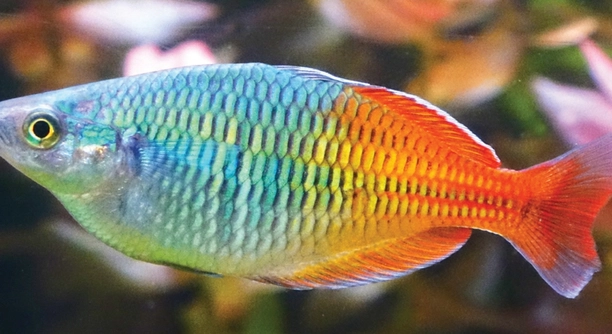
Rainbow fish are known for their beautiful colors and lively nature, but if your fish is refusing to school, it can be puzzling. This behavior can be caused by various factors, and it’s important to understand what might be going on.
The most common reason why your rainbow fish is not schooling is due to stress. This can be caused by poor water conditions, territorial behavior, or a lack of proper companions. Identifying and correcting these issues can help restore normal schooling behavior.
Addressing these concerns early on can make a big difference. Ensuring a healthy environment will support your fish’s natural instincts and social behavior.
Water Quality and Stress
Poor water quality is one of the top reasons why your rainbow fish might refuse to school. They are very sensitive to changes in water conditions, including temperature, pH levels, and ammonia. When these factors aren’t balanced, fish can become stressed, leading them to act differently. Make sure to regularly check the water’s temperature and levels to ensure they’re within the ideal range for your rainbow fish. Consistent water changes and proper filtration can go a long way in maintaining a healthy environment. If the water conditions aren’t right, your fish will likely avoid the group and swim alone.
A healthy tank with good water quality is key to reducing stress and supporting social behavior. By testing and maintaining optimal levels, you can help your rainbow fish feel comfortable and secure in their environment.
When water quality is maintained, rainbow fish are more likely to feel safe and may return to schooling behavior. Poor water conditions can make them anxious, and they will prefer isolation. Regular water changes are crucial for their well-being and to encourage a happy school of fish.
Tank Size and Fish Companions
If your tank is too small, it could lead to your rainbow fish avoiding others. Fish need space to move around freely, especially when they’re in a school. If the tank is overcrowded or too cramped, your fish will feel stressed, which might cause them to break from the group. A tank that offers plenty of space for swimming is important for their mental health and natural instincts.
Rainbow fish thrive when they are in the company of others. However, if there’s too much competition for space or food, they may act defensively. Make sure there’s enough room for each fish to find a spot to swim and relax without feeling crowded.
In addition to tank size, fish companions also play a role. If your rainbow fish is the only one of its kind in the tank, it might not school with others. A group of rainbow fish is essential for encouraging social behavior. Adding a few more rainbow fish to the tank could make a big difference in their willingness to school. Having a balanced tank with enough space and companions is key to bringing your rainbow fish back into a school.
Tank Mates and Compatibility
Not all tank mates are suitable for rainbow fish. Aggressive or overly territorial species can disrupt the peaceful nature of rainbow fish. If they feel threatened by other fish, they may isolate themselves from the school. It’s important to choose tank mates that are non-aggressive and similar in size to your rainbow fish.
When selecting tank mates, consider peaceful fish like tetras or small catfish. These species are less likely to challenge the rainbow fish for territory and will allow them to feel secure. Avoid larger, aggressive species that might cause stress. If possible, keep an eye on any new fish and observe their interactions to ensure no one is being bullied or threatened.
The key to creating a harmonious environment is a mix of calm and peaceful fish. Ensuring your rainbow fish has compatible companions will help them feel comfortable and encourage schooling behavior. By carefully choosing tank mates, you reduce the risk of territorial conflicts and allow your fish to thrive in a stress-free setting.
Health Issues
Health problems can also lead to your rainbow fish avoiding the school. If your fish is sick or injured, it might separate itself to rest or hide. Common health issues, such as parasites or fin rot, can cause discomfort and make the fish less active. It’s important to monitor your rainbow fish for any signs of illness.
If you notice that your rainbow fish is swimming erratically, has visible lesions, or is not eating, it could be a sign of a health issue. Treating these conditions promptly can help your fish recover and regain its social behavior. In some cases, isolating the affected fish in a quarantine tank may prevent the spread of disease to other fish in the community tank.
Preventing illness is much easier than treating it. Maintaining good water quality and avoiding overcrowding are essential steps in ensuring the overall health of your fish. Regularly inspect your fish for signs of sickness and take appropriate action if needed. A healthy fish is more likely to socialize and school with others.
Water Temperature
Rainbow fish are sensitive to water temperature, and if it fluctuates too much, they may refuse to school. Ideal water temperature for rainbow fish ranges between 72-78°F (22-26°C). Consistent temperature is key for their comfort and well-being. A heater with a reliable thermostat can help maintain stable conditions.
If the temperature is too low or too high, your fish might become stressed and avoid interacting with others. Make sure to use a thermometer to regularly check the temperature of the water. If needed, adjust your heater to keep the environment within the ideal range for your fish.
Maintaining a stable water temperature not only helps prevent stress but also supports healthy growth and behavior in your rainbow fish. When the temperature is ideal, your fish will be more likely to school and display natural social interactions.
Overfeeding
Overfeeding your rainbow fish can lead to unhealthy conditions in the tank, which can cause stress. Leftover food in the tank can decompose, affecting water quality. A clean tank with regular feeding schedules is essential for preventing overfeeding, and ensuring your fish feel safe and comfortable.
Rainbow fish do well with small, frequent feedings. Overfeeding can lead to bloating, stress, and a less active fish. Make sure to feed only what they can consume in a few minutes and remove any uneaten food. This will prevent poor water quality and unnecessary stress on the fish.
Lighting
Lighting plays a significant role in the behavior of rainbow fish. If the lighting is too bright or harsh, it can cause stress and disrupt their schooling behavior. It’s essential to have moderate lighting that mimics their natural environment, which helps them feel at ease.
Rainbow fish thrive with a gentle light cycle. Avoid placing your tank in a spot with direct sunlight, as this can cause rapid temperature fluctuations and increase algae growth. A timer for your tank lights ensures a regular day-night cycle, which can help regulate your fish’s behavior.
FAQ
Why is my rainbow fish swimming alone?
Rainbow fish naturally school in groups, but if one is swimming alone, it’s often a sign of stress or discomfort. Poor water quality, incompatible tank mates, or health issues can cause your fish to separate from the group. It’s important to check water parameters, ensure proper tank mates, and look out for signs of illness. If the water conditions or tank setup aren’t ideal, rainbow fish might choose isolation. Consider improving these factors to encourage your fish to rejoin the school.
How can I tell if my rainbow fish is stressed?
Signs of stress in rainbow fish include erratic swimming, hiding more than usual, loss of appetite, and faded colors. They may also show unusual behaviors like rubbing against objects or spending too much time near the surface. These signs indicate that something in their environment is making them uncomfortable, such as poor water quality, overcrowding, or an unsuitable tank mate. Addressing the cause of stress, like improving water conditions or removing aggressive fish, can help reduce these symptoms.
Do rainbow fish need other rainbow fish to school?
Yes, rainbow fish are social creatures and prefer to school with others of their kind. They feel more secure and active when surrounded by their own species. If there aren’t enough rainbow fish in the tank, they may become shy and avoid swimming together. It’s recommended to keep at least 6-8 rainbow fish to encourage schooling behavior. A larger group helps them feel safer and more confident in their environment, promoting natural schooling behavior.
What can I do if my rainbow fish is showing signs of illness?
If your rainbow fish is ill, the first step is to isolate it in a quarantine tank to prevent the spread of disease. Look for symptoms such as abnormal swimming, lesions, or changes in appetite. Check the water quality and temperature to ensure there’s no underlying environmental cause. Depending on the symptoms, you may need to treat the illness with medications. Always consult with a veterinarian or experienced fish keeper to identify the problem and find the appropriate treatment.
Can rainbow fish school with other species?
Rainbow fish typically prefer schooling with others of their species, but they can sometimes school with other peaceful, similar-sized species. Tetras, for example, can make good companions as they share similar behaviors. However, it’s important to ensure that the other species don’t stress your rainbow fish by being too aggressive or dominant. Always monitor interactions closely and adjust tank mates if necessary.
How can I encourage my rainbow fish to school?
To encourage your rainbow fish to school, create a stress-free environment. Maintain optimal water quality, ensure the tank is large enough, and avoid overcrowding. Keep a consistent light cycle to simulate natural conditions and use peaceful tank mates. Also, consider adding more rainbow fish to the tank, as they feel more secure and likely to school in larger groups. A well-maintained tank with plenty of space and proper tank mates is the best way to promote schooling.
What should I do if my rainbow fish is being bullied?
If you notice that your rainbow fish is being bullied, it’s crucial to identify the aggressor. In many cases, larger or more dominant fish may pick on weaker ones, causing stress and isolating the bullied fish. You may need to remove the bully from the tank or rearrange the tank to break up territories. Additionally, adding more hiding spots or plants can help provide refuge for your rainbow fish. Ensuring the tank has enough space and hiding spots for all the fish can reduce aggression.
How often should I clean my tank for rainbow fish?
Rainbow fish thrive in clean, well-maintained tanks. You should clean the tank regularly to maintain water quality. Perform partial water changes every 1-2 weeks, depending on the size of your tank. Remove any uneaten food and vacuum the substrate to remove waste. Make sure your filtration system is working properly, and check for any buildup of algae. Regular cleaning helps maintain a healthy environment, which is essential for your rainbow fish to feel comfortable and school together.
Can I keep rainbow fish with other types of tropical fish?
Yes, rainbow fish can typically be kept with other peaceful tropical fish. Species such as tetras, gouramis, and small catfish tend to coexist well with rainbow fish, as long as they are not aggressive. Avoid keeping them with larger or more territorial fish that could stress your rainbow fish. It’s important to research the specific needs of all species in your tank to ensure compatibility and reduce the risk of conflict.
Are rainbow fish easy to care for?
Rainbow fish are generally easy to care for if their basic needs are met. They require a properly maintained tank, with clean water and appropriate water temperatures. They are not as sensitive as some other species, but they still need a stable environment to thrive. With proper care, rainbow fish can live long and healthy lives, often exhibiting colorful and lively behavior. However, it’s important to avoid overcrowding and to provide suitable tank mates to prevent stress.
Final Thoughts
If your rainbow fish is refusing to school, it’s important to consider the different factors that may be influencing its behavior. Stress is one of the main causes for this change. Poor water quality, sudden changes in temperature, or incompatible tank mates can all lead to your fish isolating itself. By ensuring the tank is properly maintained and that the fish has a peaceful environment, you can help reduce stress and encourage normal schooling behavior. Checking water parameters regularly, providing enough space, and choosing the right tank mates are all key steps to resolving this issue.
In some cases, health problems can also prevent rainbow fish from schooling. Illnesses or injuries may cause them to swim alone, avoiding other fish. Regularly observing your fish for any signs of illness is essential. If you notice any abnormalities, such as unusual swimming patterns or changes in appetite, it’s important to take action quickly. Isolating the sick fish, improving water conditions, and treating health issues can help the fish recover and return to normal behavior. Keeping a close eye on their overall health is just as important as maintaining good tank conditions.
Lastly, the social needs of rainbow fish should not be overlooked. They are naturally social creatures and prefer to be with others of their kind. Ensuring there are enough rainbow fish in the tank—typically 6 to 8—will encourage them to school and feel secure. The more comfortable they are with their tank mates, the more likely they will engage in normal schooling behavior. By providing a proper environment, good health, and compatible companions, you can support your rainbow fish in returning to its natural schooling instincts.

Hello,
If you enjoy the content that we create, please consider saying a "Thank You!" by leaving a tip.
Every little bit helps us continue crafting quality advice that supports the health, happiness, and well-being of pets around the world, for pets of all shapes, sizes, and species.
We really appreciate the kindness and support that you show us!