
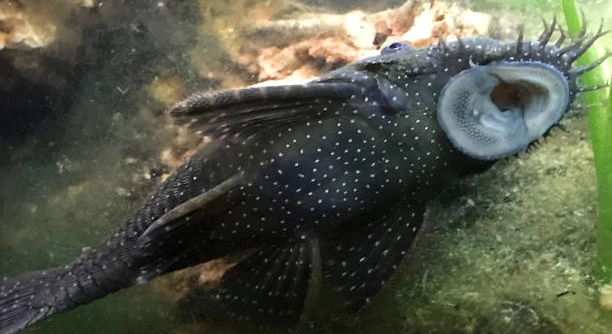
Many aquarium owners are familiar with the frustration of having a pleco that refuses to eat. It’s a common issue, but understanding the possible reasons behind it can help you solve the problem.
The most common causes of a pleco not eating include poor water quality, stress, incorrect diet, or illness. A thorough investigation of their environment and health is crucial for determining the exact reason behind their lack of appetite.
Addressing these issues early can prevent long-term harm and ensure your pleco thrives in its tank.
Poor Water Quality
Water quality plays a big role in your pleco’s health. When the tank water becomes dirty or contaminated, it can stress your fish, causing it to stop eating. High levels of ammonia, nitrites, or nitrates are common causes of poor water quality. Testing the water regularly and performing frequent water changes can improve conditions. Make sure the filter is working efficiently to keep the tank clean.
If the water is constantly dirty, your pleco may feel uncomfortable or even become sick. Keeping the tank clean will create a better environment for your fish to thrive. Ensure the pH level, hardness, and temperature are also within the ideal range for plecos. A stable environment encourages healthy eating habits.
Regular water changes and the right equipment can make a huge difference. It’s also a good idea to add live plants or decorations to your tank to help with filtration and create hiding spots. Clean water encourages your pleco to feed properly and reduces stress, leading to a healthier aquarium.
Stress Factors
Stress can prevent your pleco from eating. Common stressors include loud noises, sudden movements around the tank, or aggressive tank mates. Keeping the aquarium peaceful and undisturbed is important for your pleco’s well-being.
Plecos are sensitive creatures, and too much disruption can make them shy away from food. If your pleco is constantly hiding, consider changing the tank setup. Adding more plants or hiding spots can help them feel secure. Ensuring your pleco feels safe is crucial for its eating habits.
Tank mates can also be a source of stress. Aggressive fish may chase or bully your pleco, leading it to stop eating. Choose peaceful species that won’t disturb your pleco. Keep an eye on the behavior of other fish to make sure they aren’t causing stress.
Incorrect Diet
A poor diet can lead to your pleco refusing to eat. Plecos are primarily herbivores and need a diet rich in plant-based foods. If you’re feeding them the wrong food, like too many proteins, they may lose interest in eating. Make sure to provide a variety of vegetables, algae wafers, and sinking pellets.
Feeding your pleco a balanced diet will keep it healthy and satisfied. Include zucchini, spinach, and cucumber in their diet to encourage natural grazing. Offering a mix of fresh and dried foods can help maintain their interest. If they are picky eaters, try different food types until you find what they like.
Another important factor is how often you feed your pleco. Overfeeding can lead to a build-up of uneaten food, which can spoil the water and affect your pleco’s health. Stick to a regular feeding schedule, ensuring you don’t overfeed while also not letting them go hungry.
Illness or Health Problems
If your pleco isn’t eating, illness could be a factor. Common signs of illness include unusual swimming behavior, lethargy, or changes in appearance. If you notice these symptoms, it might be time for a check-up. Illnesses can cause a loss of appetite, so addressing them early is important.
In some cases, parasites or internal infections may be affecting your pleco. A visit to the vet who specializes in fish can help pinpoint the issue. A diagnosis might lead to proper medication or changes to the tank setup to help your pleco recover. It’s essential to act quickly if your fish appears ill.
Your pleco’s health depends on the quality of its environment and diet. Stress and poor water quality can lead to health problems. Monitor their behavior carefully and seek treatment if necessary. Proper care can help your pleco get back to eating and thriving again.
Overfeeding
Overfeeding your pleco can cause problems with its appetite. When too much food is given, it can rot in the tank, affecting water quality and making your pleco less likely to eat. It’s better to stick to small, regular feedings.
Ensure you’re only offering enough food that your pleco can eat within a few hours. Remove any leftover food to prevent it from contaminating the tank. Feeding smaller amounts more frequently can be beneficial for your pleco’s appetite and overall health.
Tank Size
A tank that’s too small can make your pleco feel cramped and stressed, leading to a loss of appetite. Plecos require plenty of space to swim and explore. The bigger the tank, the better.
If your pleco is in a small tank, consider upgrading to one that offers more room. Plecos can grow quite large, and they need the space to feel comfortable. A larger tank also helps maintain water quality and provides more hiding spots, which can help your pleco feel secure and eat more.
Water Temperature
If the water temperature is too high or too low, your pleco may stop eating. Plecos are sensitive to temperature changes and need a stable environment to thrive. Ensure the tank stays within the recommended temperature range.
Keeping the temperature steady prevents stress and helps regulate your pleco’s metabolism. A reliable aquarium heater can help maintain the right temperature. Make sure to check it regularly with a thermometer. This simple step can improve your pleco’s appetite and overall health.
FAQ
Why is my pleco not eating after a water change?
It’s common for plecos to temporarily stop eating after a water change. The change in water quality, temperature, or chemistry can stress them out, causing a brief loss of appetite. Additionally, the movement around the tank during the water change can also make them feel unsettled. Give it some time, but keep an eye on water parameters to ensure they’re within the ideal range. If the problem persists, check the temperature and oxygen levels in the tank.
How often should I feed my pleco?
Plecos don’t need to be fed every day, and overfeeding can harm both your pleco and the tank environment. Generally, feeding them 2-3 times a week is sufficient. Feed them only what they can consume in 2-3 hours, then remove any leftover food. Plecos are natural scavengers, so they will also graze on algae, which helps reduce the need for extra feedings.
Can plecos eat too many algae wafers?
Yes, plecos can eat too many algae wafers, especially if they are high in protein or other additives. These wafers are meant to supplement their diet, not be the sole food source. A balanced diet with a variety of fresh vegetables, like zucchini or cucumber, is better for your pleco’s long-term health. Too many algae wafers can lead to obesity or digestive issues.
Is it normal for my pleco to eat only at night?
Plecos are nocturnal creatures, so it’s completely normal for them to feed mostly at night. They naturally prefer darker, quieter environments, making the nighttime ideal for feeding. If your pleco is eating at night, it doesn’t necessarily mean there is a problem. Ensure there’s enough food in the tank during the evening hours, and remove any leftovers in the morning.
Can I feed my pleco live food?
Live food can be a good addition to your pleco’s diet, but it should not be the main source. Live foods like brine shrimp, earthworms, or small insects can offer variety and enrichment, but they should be offered occasionally. Too much live food, especially protein-rich options, can lead to imbalance in your pleco’s diet. Stick to a more plant-based menu to keep your pleco healthy.
Why is my pleco not eating algae?
If your pleco is not eating algae, it could be due to a variety of reasons. The algae in the tank might not be the right type or may be too old for your pleco to find appetizing. Ensure there’s enough algae growth or add some algae wafers to encourage them to eat. If your pleco still isn’t eating, consider checking the tank’s water quality and temperature to make sure it’s within their preferred range.
How can I reduce stress for my pleco?
Reducing stress for your pleco involves creating a calm and stable environment. Avoid sudden changes in water parameters, temperature, or lighting. Provide plenty of hiding spots with decorations or plants, as plecos prefer to feel secure. Ensure your pleco isn’t being bullied by tank mates, and keep the noise around the tank to a minimum. A peaceful atmosphere will help your pleco eat more regularly.
Do plecos need a specific water pH to eat properly?
Yes, the pH level of the water can affect your pleco’s appetite. Plecos typically prefer a pH between 6.5 and 7.5, but this can vary depending on the species. A water pH outside of their comfort range can lead to stress and loss of appetite. Regular water testing will help you keep the pH in check, which is crucial for your pleco’s health and feeding behavior.
How can I tell if my pleco is sick and not just picky?
Signs of illness in plecos include lethargy, irregular swimming, spots or lesions on their body, clamped fins, and a lack of interest in food for an extended period. If your pleco shows these symptoms, it’s important to check the water quality and observe for other health issues. If there’s no improvement, consider consulting a veterinarian who specializes in fish.
Can plecos go without food for a few days?
Plecos can survive without food for a few days, especially if they have access to algae or natural grazing opportunities. However, prolonged periods without food can weaken them and affect their health. It’s always best to provide a balanced diet and not rely solely on algae in the tank. If you’re leaving for a few days, make sure to provide enough food for them to graze on during that time.
Final Thoughts
Understanding why your pleco isn’t eating is an important step in ensuring its health and well-being. Whether it’s related to water quality, stress, diet, or illness, addressing the root cause of the issue can help get your pleco back on track. It’s important to regularly check the tank’s environment, including water parameters, temperature, and cleanliness, to provide the best possible living conditions. Keeping the water clean and maintaining stable conditions is key for your pleco’s overall health. A happy, healthy pleco is more likely to eat well and thrive in your aquarium.
Another key factor is making sure you’re feeding your pleco the right foods in the right amounts. Plecos are primarily herbivores and need a balanced diet that includes vegetables, algae wafers, and sinking pellets. Overfeeding or feeding too much protein can be harmful. Offering a variety of foods can help encourage your pleco to eat, especially if it is a picky eater. If your pleco continues to refuse food despite offering different options, it may be a sign of an underlying health issue. In that case, a check-up with a vet who specializes in fish may be necessary.
Ultimately, the key to a healthy, well-fed pleco is creating a stable, stress-free environment. Ensure that the tank is large enough for your pleco to move around freely, with plenty of hiding spots. Avoid overstocking your tank, as too many fish can lead to stress and competition for food. Monitor your pleco’s behavior and adjust its care as needed. By taking care of these aspects and being patient, you can help your pleco regain its appetite and ensure it remains a healthy part of your aquarium.

Hello,
If you enjoy the content that we create, please consider saying a "Thank You!" by leaving a tip.
Every little bit helps us continue crafting quality advice that supports the health, happiness, and well-being of pets around the world, for pets of all shapes, sizes, and species.
We really appreciate the kindness and support that you show us!