
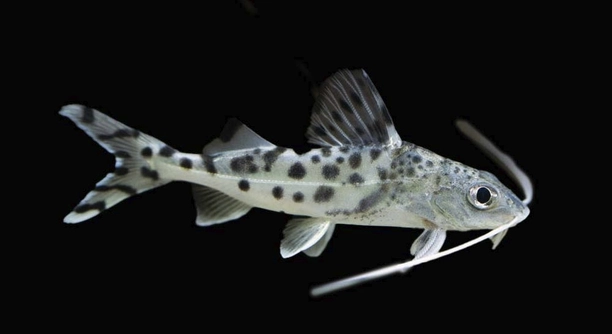
Many aquarium owners enjoy adding new fish to their tanks. However, sometimes a pictus catfish may ignore the newcomers for a while. This behavior can seem confusing at first but is quite common in home aquariums.
Pictus catfish often ignore new tankmates due to their cautious nature and territorial instincts. They need time to assess unfamiliar fish, avoid stress, and establish their own space before interacting. This behavior helps maintain tank harmony and their own safety.
Understanding why your pictus acts this way will help you create a more peaceful tank environment and support your fish’s well-being.
Understanding Pictus Catfish Behavior
Pictus catfish are known for being active and social but also cautious when introduced to new tankmates. They rely heavily on their senses to detect changes in their environment. When new fish arrive, pictus will often observe quietly from a distance rather than engage immediately. This is their way of assessing if the newcomers pose any threat. Stress is another important factor. Sudden movements or unfamiliar fish can make pictus feel unsafe, causing them to hide or ignore others. Over time, as the fish settle and the tank environment becomes stable, pictus will usually grow more comfortable and start interacting. They prefer a tank with plenty of hiding spots and moderate lighting, which helps reduce their stress and encourages social behavior. Keeping the water clean and stable is also key since pictus catfish are sensitive to changes in water quality, which can affect their willingness to socialize.
Pictus catfish need patience and a calm environment to feel safe around new tankmates.
With some care and time, your pictus will gradually accept new fish. It helps to introduce tankmates slowly and ensure there is enough space to avoid competition. Observing your pictus closely during this period can help you notice signs of stress or aggression. Avoid overcrowding the tank and provide hiding places like plants or decorations. If your pictus seems very shy, try lowering the tank’s lighting or keeping a gentle water flow to make the environment less stressful. Over weeks, the pictus catfish often becomes more active and curious about the other fish, eventually swimming alongside them and sharing the space peacefully.
Common Reasons for Ignoring New Tankmates
Pictus catfish might ignore new tankmates due to natural instincts or environmental factors. These fish are territorial and prefer familiar company, making sudden changes uncomfortable. Stress caused by poor water quality or inadequate tank setup can also cause withdrawal. Sometimes, pictus may simply not recognize the new fish as part of their group right away, especially if the newcomers are very different in size or behavior.
Changes in their surroundings or tankmates can cause pictus catfish to stay distant.
If your pictus avoids new tankmates for an extended time, it may signal stress or health issues. Check water parameters like temperature, pH, and ammonia levels to ensure optimal conditions. A well-maintained tank encourages fish to interact more naturally. Providing hiding spots and space reduces territorial disputes and anxiety. Introducing new fish gradually can ease tension. Feeding routines also matter—consistent feeding helps pictus feel secure. Observing the body language of your pictus and new fish is important; signs like hiding, rapid breathing, or aggression should be addressed quickly. By creating a calm, stable environment, pictus catfish are more likely to accept new companions and thrive in a shared tank.
Understanding Pictus Catfish Behavior
Pictus catfish are known for being active and social but also cautious when introduced to new tankmates. They rely heavily on their senses to detect changes in their environment. When new fish arrive, pictus will often observe quietly from a distance rather than engage immediately. This is their way of assessing if the newcomers pose any threat. Stress is another important factor. Sudden movements or unfamiliar fish can make pictus feel unsafe, causing them to hide or ignore others. Over time, as the fish settle and the tank environment becomes stable, pictus will usually grow more comfortable and start interacting. They prefer a tank with plenty of hiding spots and moderate lighting, which helps reduce their stress and encourages social behavior. Keeping the water clean and stable is also key since pictus catfish are sensitive to changes in water quality, which can affect their willingness to socialize.
Pictus catfish need patience and a calm environment to feel safe around new tankmates.
With some care and time, your pictus will gradually accept new fish. It helps to introduce tankmates slowly and ensure there is enough space to avoid competition. Observing your pictus closely during this period can help you notice signs of stress or aggression. Avoid overcrowding the tank and provide hiding places like plants or decorations. If your pictus seems very shy, try lowering the tank’s lighting or keeping a gentle water flow to make the environment less stressful. Over weeks, the pictus catfish often becomes more active and curious about the other fish, eventually swimming alongside them and sharing the space peacefully.
Common Reasons for Ignoring New Tankmates
Pictus catfish might ignore new tankmates due to natural instincts or environmental factors. These fish are territorial and prefer familiar company, making sudden changes uncomfortable. Stress caused by poor water quality or inadequate tank setup can also cause withdrawal. Sometimes, pictus may simply not recognize the new fish as part of their group right away, especially if the newcomers are very different in size or behavior.
Changes in their surroundings or tankmates can cause pictus catfish to stay distant.
If your pictus avoids new tankmates for an extended time, it may signal stress or health issues. Check water parameters like temperature, pH, and ammonia levels to ensure optimal conditions. A well-maintained tank encourages fish to interact more naturally. Providing hiding spots and space reduces territorial disputes and anxiety. Introducing new fish gradually can ease tension. Feeding routines also matter—consistent feeding helps pictus feel secure. Observing the body language of your pictus and new fish is important; signs like hiding, rapid breathing, or aggression should be addressed quickly. By creating a calm, stable environment, pictus catfish are more likely to accept new companions and thrive in a shared tank.
Tank Environment and Compatibility
Pictus catfish prefer tanks with plenty of hiding spots and open swimming areas. They feel more secure when there are caves, plants, or decorations to retreat to when stressed. Proper tank setup helps reduce anxiety and encourages natural behavior.
Compatibility with other fish is important. Pictus usually get along with peaceful species of similar size. Avoid aggressive or overly territorial fish that can intimidate or harm them.
Feeding and Social Interaction
Pictus catfish are bottom feeders but also appreciate occasional sinking pellets or frozen foods. A consistent feeding schedule helps them feel secure and reduces stress. When food is available, they tend to be more social and less shy around tankmates.
Feeding times are a good opportunity to observe how your pictus interacts with others. They often become more active and curious when food is present, making it easier to notice changes in behavior or health.
Signs of Stress in Pictus Catfish
Stress in pictus can show as hiding, loss of appetite, or erratic swimming. These signs indicate that the fish is uncomfortable or unwell. Monitoring these behaviors helps prevent health issues.
A stable tank environment and gentle introductions of new fish are key to keeping stress levels low for your pictus catfish.
FAQ
Why does my pictus catfish ignore new tankmates for weeks?
Pictus catfish are naturally cautious and need time to feel safe around new fish. They observe quietly at first to understand if the newcomers are a threat. Stress from sudden changes or unfamiliar fish can cause them to hide or keep distance. Over several weeks, as the tank becomes stable and they grow comfortable, they usually start interacting more. Giving them space, proper hiding spots, and consistent conditions helps speed up this process.
Can my pictus catfish get along with all types of fish?
No, pictus catfish do best with peaceful, non-aggressive tankmates of similar size. Aggressive or very territorial fish can intimidate or stress them, causing withdrawal or health problems. Avoid very small fish that might be seen as prey, as pictus have sharp barbels and may unintentionally harm smaller companions. Choosing compatible species helps keep the tank peaceful and supports natural social behavior.
How should I introduce new fish to a tank with pictus catfish?
Introduce new fish slowly and carefully. Quarantine the new fish first to prevent disease. When adding them to the tank, rearrange some decorations to reset territory boundaries, reducing aggression. Monitor interactions closely during the first days. Make sure the tank is large enough to allow space for everyone. Providing extra hiding places helps pictus feel safe and less threatened by changes.
Is it normal for pictus catfish to hide a lot when new fish arrive?
Yes, hiding is a common response to stress or uncertainty. Pictus catfish hide to avoid conflict and observe the new fish quietly. This behavior helps them feel secure. If hiding continues for weeks without improvement, check water quality and tank setup to ensure they are comfortable. Adjusting lighting and flow may also encourage them to be more active.
What role does water quality play in pictus behavior toward new tankmates?
Water quality is crucial. Poor water conditions cause stress, which makes pictus catfish more likely to hide and ignore others. Maintaining stable temperature, pH, ammonia, and nitrate levels creates a healthy environment. Clean water helps pictus feel safe and improves their willingness to interact. Regular water changes and monitoring help keep the tank stable.
Can feeding affect how pictus catfish behave with new tankmates?
Yes, feeding times can reduce stress and encourage social behavior. Pictus catfish become more active and curious when food is available. A consistent feeding schedule makes them feel secure and less defensive. Offering sinking pellets or frozen foods that reach the bottom attracts their attention and helps them associate tankmates with positive experiences.
How long does it usually take for pictus catfish to accept new tankmates?
It varies but usually takes several weeks. Some pictus are quicker to adapt, while others may take longer depending on their personality and tank conditions. Patience is important. Creating a calm environment and avoiding sudden changes can shorten adjustment time. Watch for gradual signs of interaction like swimming closer or sharing space peacefully.
What should I do if my pictus catfish never interacts with new tankmates?
If your pictus remains distant for months, review tank conditions first. Check water quality, tank size, and compatibility of fish. Sometimes, pictus prefer solitary living and may tolerate rather than socialize with others. Ensure they have enough hiding spots and space. If signs of stress or illness appear, consider consulting a fish expert or veterinarian.
Are there specific tank decorations that help pictus catfish feel comfortable?
Yes, caves, dense plants, and driftwood provide safe hiding places. These help reduce stress and encourage natural behavior. Open swimming spaces combined with cover allow pictus to explore while feeling protected. Avoid sharp or rough decorations that might injure their delicate barbels. A well-decorated tank supports their comfort and acceptance of tankmates.
Do pictus catfish communicate with other fish in the tank?
Pictus catfish mainly communicate through body language and movement. They use their barbels to sense their surroundings and pick up on chemical cues. While they don’t vocalize, subtle signs like fin position or swimming patterns show their mood. Understanding these signals can help you notice if they feel threatened, curious, or relaxed around new fish.
When it comes to keeping pictus catfish with new tankmates, patience is key. These fish are naturally cautious and need time to feel comfortable with changes in their environment. It’s normal for a pictus to ignore new fish at first because they are trying to understand if the newcomers are safe. They rely on their senses to assess the situation and avoid stress or danger. Giving them space and keeping the tank peaceful helps them adjust in their own time. Trying to rush this process can cause unnecessary stress and make your pictus more withdrawn.
A stable tank environment plays a big role in how well your pictus catfish accept new companions. Clean water, proper temperature, and good hiding spots create a safe place for your fish. When their surroundings are comfortable, pictus are more likely to explore and interact with others. Providing places to hide, like plants or caves, helps reduce their stress during introductions. It’s also important to choose tankmates carefully. Fish that are too aggressive or too small can cause problems. Peaceful fish of similar size are usually the best choice for living alongside pictus catfish. Taking these steps helps build trust between your pictus and new tankmates.
Overall, understanding your pictus catfish’s nature helps improve their well-being and tank harmony. These fish may need time and a calm setting before they accept new friends. Observing their behavior closely can guide you in making adjustments to the tank setup or fish choices. Small changes like rearranging decorations or adjusting feeding schedules can make a difference. Remember, pictus catfish thrive when stress is low and their environment is stable. With proper care and patience, your pictus can become a happy and active part of your aquarium community.

Hello,
If you enjoy the content that we create, please consider saying a "Thank You!" by leaving a tip.
Every little bit helps us continue crafting quality advice that supports the health, happiness, and well-being of pets around the world, for pets of all shapes, sizes, and species.
We really appreciate the kindness and support that you show us!