
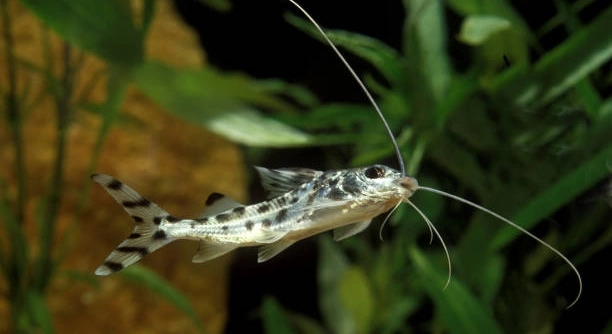
Is your Pictus Catfish often found gasping at the water’s surface? This behavior can be worrying for any fish owner. Understanding why it happens is important to keep your fish healthy and comfortable in its tank environment.
Gasping at the surface in Pictus Catfish is commonly caused by low oxygen levels or poor water quality. These fish rely on well-oxygenated water, and if conditions deteriorate, they instinctively seek the surface where oxygen is higher. Immediate attention to tank maintenance is necessary.
Knowing the reasons behind this behavior helps you take better care of your fish. This article will explain common causes and practical steps to improve your catfish’s well-being.
Low Oxygen Levels in the Tank
Low oxygen levels are a common reason why your Pictus Catfish may be gasping at the surface. These fish need enough oxygen in the water to breathe properly. If the water is stagnant or overcrowded, oxygen can quickly run low. Sometimes, poor water circulation or a lack of plants and aeration equipment can cause oxygen depletion. Without enough oxygen, fish struggle to get the air they need and swim to the surface where oxygen is more available. Keeping the tank clean and ensuring good water movement can help maintain healthy oxygen levels. It’s important to check your filtration system regularly and avoid overstocking the aquarium. A well-maintained tank environment helps your Pictus Catfish stay active and healthy.
Regularly testing oxygen levels and water quality can prevent gasping behavior in your fish.
When oxygen is low, adding an air stone or improving water circulation can make a big difference. Proper tank care ensures your catfish will thrive.
Water Quality Issues
Water quality is critical for your Pictus Catfish’s health. Poor water quality, often caused by a buildup of waste or leftover food, can stress your fish and lead to surface gasping. High levels of ammonia, nitrites, or nitrates in the water are harmful and reduce oxygen availability. Regular water changes help remove these toxins and keep the environment safe. It is essential to test water parameters frequently, especially if you notice any changes in your fish’s behavior. Maintaining a clean tank with stable conditions reduces stress and keeps your Pictus Catfish comfortable. Using a good filtration system and avoiding overfeeding are key steps. Watching your catfish carefully for signs of distress can help catch problems early before they worsen. Consistent care supports a healthy tank environment that your fish need to thrive.
Temperature and Stress
Sudden changes in water temperature can cause stress for your Pictus Catfish. Stress lowers their ability to absorb oxygen, which may lead to gasping at the surface. Keeping the temperature stable is key to preventing this problem.
Ideal temperatures for Pictus Catfish range between 74°F and 79°F (23°C to 26°C). Fluctuations outside this range can disturb their metabolism and breathing. Using a reliable heater and thermometer helps maintain a steady environment. Avoid placing the tank near windows or vents where temperature swings are common. Stress from temperature changes weakens the fish’s immune system, making it more vulnerable to illness and poor water conditions. Monitoring the tank closely ensures your catfish remains comfortable and healthy.
Temperature stress often combines with other issues like poor water quality or low oxygen. Addressing all factors together will improve your fish’s well-being and reduce surface gasping.
Breathing Adaptations and Behavior
Pictus Catfish sometimes gulp air at the surface as a natural behavior. They have sensitive barbels that help detect oxygen levels, so gasping can indicate their response to changes. This behavior is a signal to check the tank conditions carefully.
Although they mainly breathe through their gills, Pictus Catfish can take in some oxygen from the surface when needed. This adaptation helps them survive in less-than-ideal environments temporarily. However, frequent gasping is not normal and usually means the tank needs attention. Improving water quality, temperature stability, and oxygen levels will reduce the need for this behavior. Understanding your catfish’s natural habits helps you recognize when it’s a sign of stress rather than normal activity. Observing your fish regularly can prevent small problems from becoming serious health concerns.
Overfeeding and Waste Build-Up
Overfeeding your Pictus Catfish can quickly pollute the tank. Uneaten food decomposes and increases waste, lowering water quality. This creates a harmful environment that can cause gasping at the surface.
Removing leftover food and feeding only what your fish can eat in a few minutes helps keep the tank cleaner. Regular gravel cleaning also prevents waste build-up.
Tank Size and Overstocking
A tank that is too small or overcrowded can cause stress and low oxygen levels. Pictus Catfish need enough space to swim freely and healthy water conditions to thrive. Providing at least a 30-gallon tank and avoiding overstocking helps maintain good oxygen levels and reduces gasping behavior.
Signs of Illness to Watch For
If your Pictus Catfish continues gasping despite good water conditions, illness may be a factor. Watch for clamped fins, lethargy, or discoloration as signs to investigate further.
Why is my Pictus Catfish gasping at the surface?
Gasping at the surface usually means your Pictus Catfish is struggling to get enough oxygen. This often happens when oxygen levels in the tank are low due to poor water circulation, overcrowding, or high temperatures. It can also be a sign of stress from water quality issues or illness. Checking and improving tank conditions is the first step to help your fish breathe easier.
How can I improve oxygen levels in my aquarium?
Improving oxygen levels can be done by increasing water movement and surface agitation. Using an air stone, upgrading your filter, or adding a small powerhead can boost circulation. Avoid overstocking your tank and make sure there is enough open surface area for gas exchange. Live plants can also help oxygenate the water but be sure not to overdo it as they consume oxygen at night.
Can temperature affect my Pictus Catfish’s breathing?
Yes, temperature affects how much oxygen water holds. Warmer water holds less oxygen, which can stress your fish. Keep your tank temperature stable between 74°F and 79°F (23°C to 26°C) to avoid sudden drops or rises that can harm your catfish. Use a reliable heater and thermometer to maintain consistent temperatures.
Is gasping always a sign of illness?
Not always. Gasping can be a natural behavior if your fish is briefly taking in surface air. However, frequent or prolonged gasping usually points to environmental problems or health issues. If you notice other symptoms like clamped fins, loss of appetite, or unusual swimming, it’s best to check for illness and consider consulting a vet or experienced aquarist.
How often should I test my aquarium water?
Testing your water at least once a week is recommended, especially if you notice your fish gasping. Monitor levels of ammonia, nitrites, nitrates, pH, and oxygen if possible. Consistent testing helps catch problems early and lets you act before conditions become dangerous.
What water parameters are ideal for Pictus Catfish?
Pictus Catfish prefer a pH between 6.5 and 7.5 and soft to moderately hard water. Ammonia and nitrites should always be zero, and nitrates kept below 20 ppm. Stable water parameters reduce stress and help keep your catfish healthy and less likely to gasp at the surface.
How does overfeeding cause gasping?
Overfeeding leads to leftover food sinking and decomposing, which increases waste and harmful chemicals in the water. This reduces oxygen and raises toxins, forcing your fish to gasp at the surface. Feeding small amounts and removing uneaten food prevents this problem.
What size tank is best for Pictus Catfish?
A minimum of 30 gallons is recommended for one or two Pictus Catfish. They are active swimmers and need space. Larger tanks provide more stable water conditions and better oxygen levels, which lowers the chance of surface gasping caused by stress.
Can plants help reduce gasping behavior?
Live plants can improve oxygen levels during the day through photosynthesis and help absorb harmful chemicals. However, at night, plants consume oxygen, so balance is important. Too many plants or poor lighting can create oxygen dips. Choose hardy plants and maintain good water flow to benefit your fish.
What immediate actions should I take if my Pictus Catfish is gasping?
Check water temperature and quality first. Perform a partial water change if ammonia or nitrites are high. Increase aeration with an air stone or filter upgrade. Remove any uneaten food and ensure the tank is not overcrowded. These steps often help reduce gasping quickly.
When should I seek professional help for my catfish?
If gasping continues despite fixing water and tank conditions, or if your fish shows other signs of illness like unusual spots, lethargy, or loss of appetite, seek advice from a vet or aquarium specialist. Early treatment can prevent serious health problems.
Can Pictus Catfish survive short periods of low oxygen?
They can tolerate brief low oxygen but prolonged lack of oxygen causes stress, weakens their immune system, and can lead to death. Preventing low oxygen conditions with proper tank care is essential for their long-term health.
Does tank cover affect oxygen levels?
A tightly sealed tank can reduce gas exchange at the surface. Leaving some space or using a mesh cover allows fresh air to enter, improving oxygen levels. Avoid fully closing the tank lid unless you have strong aeration and filtration.
How does stress impact my fish’s breathing?
Stress from poor water conditions, sudden changes, or aggressive tank mates can make your Pictus Catfish breathe faster or gasp. Stress lowers their ability to use oxygen efficiently. Reducing stress by maintaining stable tank conditions helps normal breathing.
Are there any special equipment recommendations to reduce gasping?
An air stone connected to an air pump is a simple way to increase oxygen. Filters with adjustable flow rates improve circulation. Powerheads can boost water movement in larger tanks. Investing in good equipment makes a noticeable difference in fish health.
Can water changes help prevent gasping?
Yes, regular water changes remove toxins and refresh oxygen levels. Changing 20-30% of the water weekly is a good routine. More frequent changes may be needed if water tests show high ammonia or nitrates.
How does tank location influence oxygen levels?
Placing the tank in direct sunlight or near heating vents can raise water temperature and reduce oxygen. Avoid locations with fluctuating room temperatures. A stable environment supports better oxygen availability.
Is gasping more common in certain times or conditions?
Gasping often increases during warm weather or when tank maintenance is neglected. Higher temperatures lower oxygen, and waste buildup worsens conditions. Regular care reduces these risks.
What signs show my water circulation is poor?
If water looks still, debris settles quickly, or you see surface film buildup, circulation may be weak. Weak flow means less oxygen exchange, increasing gasping risk. Upgrading pumps or filters can improve this.
How important is tank cleaning for my catfish’s breathing?
Cleaning removes waste that harms water quality and oxygen. Skipping cleaning can quickly lead to toxic buildup and oxygen depletion. A clean tank is essential to prevent gasping and keep your fish healthy.
When your Pictus Catfish is gasping at the surface, it is usually a sign that something in the tank needs attention. This behavior is often linked to oxygen levels or water quality problems. Fish rely on good water conditions to breathe properly, so keeping the tank clean and well-maintained is very important. Simple steps like testing water regularly, performing water changes, and ensuring proper aeration can make a big difference. Paying close attention to the tank environment helps prevent stress and health problems for your catfish.
Temperature stability is another key factor to watch. Sudden changes or extremes in temperature can affect your fish’s ability to absorb oxygen and cause discomfort. Maintaining a steady temperature within the recommended range creates a more comfortable habitat. Overfeeding and overcrowding should also be avoided, as they contribute to poor water conditions and low oxygen levels. Feeding your catfish only what it can eat and providing enough space in the tank are important to reduce gasping behavior.
Finally, understanding your Pictus Catfish’s natural habits can help you notice when gasping is a normal behavior or a sign of trouble. Sometimes fish take in air at the surface briefly, but frequent or prolonged gasping usually indicates a problem that needs fixing. Keeping a close eye on your fish’s behavior and tank conditions will help you respond quickly. Good care, clean water, stable temperature, and proper oxygen levels are the best ways to keep your Pictus Catfish healthy and comfortable in your aquarium.

Hello,
If you enjoy the content that we create, please consider saying a "Thank You!" by leaving a tip.
Every little bit helps us continue crafting quality advice that supports the health, happiness, and well-being of pets around the world, for pets of all shapes, sizes, and species.
We really appreciate the kindness and support that you show us!