
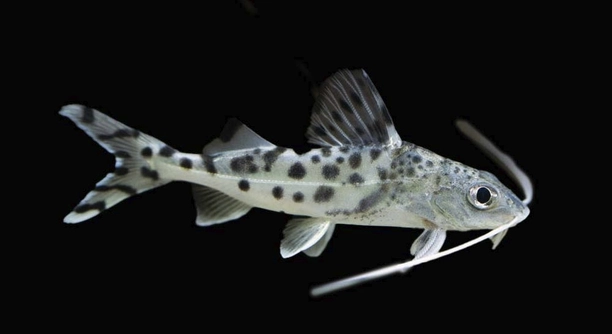
Pictus catfish are known for their active swimming and shy nature. Many owners expect these fish to use hides for resting and safety. However, it is common to notice that some pictus catfish avoid entering these shelters altogether.
Pictus catfish may refuse to enter hides due to stress, poor hide placement, or environmental factors such as water quality and lighting. These elements can affect their sense of security and comfort, leading to avoidance behaviors.
Understanding why your catfish behaves this way can improve their habitat and well-being. This article will explain key reasons and offer practical advice to encourage your fish to use their hides.
Understanding Stress Factors in Pictus Catfish
Pictus catfish are sensitive to their surroundings. Stress can come from many sources like sudden changes in water temperature, poor water quality, or loud noises near the tank. When stressed, these fish become cautious and may avoid using their hides because they no longer feel safe. Overcrowding is another issue; if the tank is too crowded, pictus catfish may not find enough space to retreat comfortably. Even the presence of more aggressive tank mates can keep them away from hides. It is important to keep the tank environment stable and quiet, as this helps reduce their stress levels. Regular water testing and proper maintenance are crucial. Monitoring your catfish’s behavior daily will also help you spot signs of stress early and adjust the habitat to meet their needs. Creating a calm environment can encourage your pictus catfish to feel secure enough to use their hides more often.
Stress in pictus catfish usually shows through hiding avoidance or erratic swimming. This behavior signals discomfort or insecurity.
Addressing stress involves creating stable water conditions and reducing noise and sudden movements near the tank. Keep tank mates peaceful and ensure enough space. A calm, well-maintained environment helps pictus catfish feel secure and more likely to use their hides regularly. Providing consistent care improves their overall health and behavior.
Proper Placement and Type of Hides
Choosing the right hide and placing it well is essential. Pictus catfish prefer hides that offer enough room and openings they can easily enter and exit. If hides are too small or have narrow entrances, the fish may avoid them. Placement also matters—hides should be located in quieter, dimmer parts of the tank where the fish feel less exposed. Placing hides too close to busy tank areas or strong lights can make them unattractive to your catfish. The material of the hide can affect their comfort, too. Smooth surfaces and natural textures like driftwood or caves mimic their natural habitat. Testing different hide styles and locations can help find what your catfish prefers. A well-placed, comfortable hide encourages resting and reduces stress, promoting healthier behavior.
When selecting hides, avoid sharp edges and overly bright locations.
It’s helpful to observe your fish’s reactions to different hide placements and styles. Adjustments may be necessary until you find the perfect setup. Natural-looking hides often make pictus catfish feel safer. Positioning hides near plants or in shaded tank areas can also provide the sense of security they need. Consistency in placement helps the fish become familiar with their space and use hides regularly. Taking time to arrange hides thoughtfully is a simple but effective way to improve your catfish’s comfort and encourage natural behaviors.
Lighting and Tank Environment
Bright lights can make pictus catfish uncomfortable, causing them to avoid hides. They prefer dimmer, shaded areas where they feel safer.
Adjusting the tank lighting to reduce brightness around hides encourages catfish to explore and rest inside. Using floating plants or placing hides under decorations can create natural shade. Excessive light can stress these fish, so balancing light levels helps their comfort and encourages normal hiding behavior.
Temperature and water flow also impact comfort. Pictus catfish favor stable, moderate temperatures and gentle water currents near hides. Too much water movement can deter them from entering, as they seek calm areas to rest. Tailoring the environment to meet these preferences supports their natural instincts and improves tank harmony.
Tank Mates and Behavior
Aggressive or overly active tank mates can intimidate pictus catfish, making them avoid hides or stay out in the open to keep watch.
Keeping peaceful species with similar activity levels helps reduce stress. If tank mates are too dominant, pictus catfish may feel unsafe even inside hides. Selecting compatible species and monitoring interactions will create a more secure environment. Proper hiding spots spaced around the tank allow catfish to escape if needed, which supports their natural behavior and reduces anxiety. Watching fish behavior closely helps adjust tank mates and hide arrangements for better coexistence.
Feeding Habits and Hiding
Pictus catfish often avoid hides during feeding times because they prefer open spaces to search for food. They may come out more once they feel safe after eating.
Offering food in calm, quiet areas away from hides helps the fish feel less threatened. Regular feeding schedules also build trust and reduce stress around hiding spots.
Tank Size and Space
A small tank limits swimming space and may cause pictus catfish to avoid hides. They need enough room to explore comfortably and retreat without feeling trapped.
Ensuring the tank is appropriately sized with open swimming areas and well-placed hides supports natural behavior and reduces anxiety. Overcrowding disrupts their comfort and causes hiding avoidance.
Water Quality Maintenance
Poor water quality can stress pictus catfish, making them avoid hides. Regular water changes and monitoring parameters improve their health and confidence.
Keeping water clean and stable is essential for promoting safe, comfortable tank conditions that encourage hiding and resting behaviors.
FAQ
Why does my pictus catfish swim around the hide but never go inside?
Sometimes pictus catfish may swim near hides without entering because they are still unsure if the space is safe. They might be watching for any sudden movements or changes in the environment. It can also be related to water flow or lighting that makes the hide less comfortable. Observing their behavior over several days can help determine if they are gradually gaining confidence to enter the hide.
How can I make my pictus catfish feel safe enough to use hides?
Creating a calm and stable environment is key. Ensure water quality is excellent, and reduce bright lighting near the hides. Place the hides in quiet, shaded corners where the fish can retreat without feeling exposed. Avoid sudden changes in tank setup, and keep tank mates peaceful to reduce stress. Sometimes, adding plants around hides can offer extra cover and comfort.
Is it normal for pictus catfish to avoid hides sometimes?
Yes, it is normal for pictus catfish to avoid hides at times, especially if they feel secure swimming openly or during feeding. Each fish has a unique personality, and some may prefer staying out in the open more than others. If they seem active and healthy, occasional hiding avoidance is not usually a problem.
Could the type of hide affect whether my pictus catfish will use it?
Definitely. Pictus catfish prefer hides that are roomy enough for easy entry and exit with smooth surfaces. Hides that are too small, narrow, or made from uncomfortable materials can discourage use. Natural textures like driftwood or caves work well. Trying different hide types can help identify what your fish prefers.
Can tank lighting prevent my catfish from using hides?
Bright or harsh lighting can make hides less appealing. Pictus catfish are nocturnal and shy, so dim or indirect lighting near hides helps them feel secure. Using floating plants or placing hides in shaded tank areas can reduce light intensity and encourage hiding.
Does water flow impact hiding behavior?
Yes, strong water currents near hides can deter pictus catfish. They prefer calm water when resting or hiding. Adjusting filter outlets or adding decorations that break the flow near hides can create a more comfortable environment for them to settle.
How do tank mates influence pictus catfish’s hiding habits?
Aggressive or overly active tank mates can intimidate pictus catfish, causing them to avoid hides or stay constantly alert. Choosing peaceful species and providing multiple hiding spots gives catfish places to escape and feel safe. Monitoring fish interactions ensures a balanced tank environment.
What signs show my pictus catfish is stressed?
Signs include erratic swimming, staying in open water without resting, refusing food, and hiding excessively or not at all. Stress can result from poor water conditions, bullying by tank mates, or environmental changes. Regular observation helps catch stress early and take corrective action.
Should I rearrange hides if my catfish refuses to use them?
Yes, moving hides to quieter, darker, or less trafficked parts of the tank may help. Sometimes small changes in placement make a big difference. Avoid frequent drastic rearrangements, as stability is important for your fish’s comfort.
How important is tank size for hiding behavior?
Tank size matters because pictus catfish need space to swim freely and retreat. Overcrowded tanks limit hiding options and increase stress, leading to avoidance. Providing a large enough tank with multiple hiding places supports natural behaviors and reduces anxiety.
Final thoughts on why your pictus catfish may refuse to enter hides focus on understanding their natural behavior and environment. These fish are naturally shy and cautious, but they also need to feel completely safe to use hiding spots. Stress, poor water quality, strong lighting, and aggressive tank mates can all contribute to them avoiding hides. By carefully observing your fish and making small adjustments to their tank, you can create a more welcoming environment that encourages them to explore and rest inside their hides. Patience is important, as it may take time for your catfish to become comfortable with any changes.
Creating a stable and calm environment is key to helping pictus catfish feel secure. Proper hide placement, using natural materials, and reducing bright lights near hides can make a big difference. Additionally, maintaining good water quality and a moderate, steady temperature supports their health and comfort. Tank mates also influence behavior, so selecting peaceful fish and providing enough space helps reduce stress and promotes normal hiding. Regular maintenance and observation allow you to catch problems early and adjust the setup as needed, helping your catfish thrive.
Ultimately, pictus catfish are unique individuals with their own preferences and habits. Some may hide more than others, and occasional avoidance of hides is normal if they feel safe swimming openly. The goal is to provide a habitat that meets their needs and lets them show their natural behaviors comfortably. Taking the time to understand these needs and care for your fish properly ensures they remain healthy and happy in their home. The more attention you give to their environment and behavior, the better chance they have to feel secure enough to use their hides regularly.

Hello,
If you enjoy the content that we create, please consider saying a "Thank You!" by leaving a tip.
Every little bit helps us continue crafting quality advice that supports the health, happiness, and well-being of pets around the world, for pets of all shapes, sizes, and species.
We really appreciate the kindness and support that you show us!