
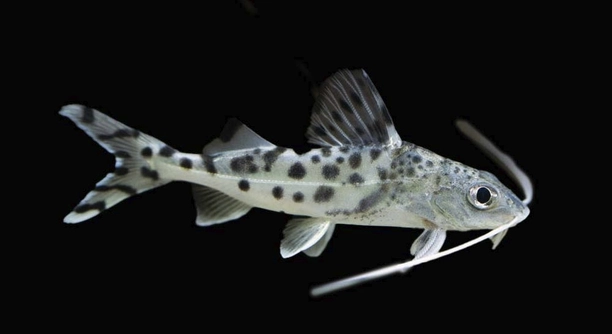
Is your pictus catfish twitching more than usual, leaving you uncertain about what might be going on in its tank?
Twitching in pictus catfish is often caused by stress, poor water conditions, parasitic infections, or sudden changes in their environment. Identifying the exact trigger is essential for maintaining your fish’s health and comfort.
From unseen tank issues to natural behaviors, several factors could be at play—and knowing them can help you take the right steps moving forward.
Poor Water Quality
Poor water quality is one of the most common causes of twitching in pictus catfish. These fish are sensitive to their environment, especially changes in ammonia, nitrite, and nitrate levels. Dirty water can irritate their skin and gills, leading to twitching or sudden jerky movements. If your tank hasn’t been cleaned regularly or if the filtration system isn’t working properly, these conditions can develop quickly. Regular testing of water parameters is important, and keeping levels within a safe range helps reduce stress on your catfish. A proper filtration system, partial water changes, and avoiding overfeeding can all support a healthy tank. If you notice your pictus catfish twitching, test the water immediately and look for any spikes or unusual readings. Most issues can be managed if caught early. Keeping a routine can help you stay ahead of problems and prevent health concerns that might affect your fish’s behavior.
Twitching caused by poor water quality will usually improve after correcting the tank conditions. It’s one of the easier causes to fix.
A sudden change in water temperature can also create discomfort. Always make sure the temperature stays between 72–80°F. Use a reliable heater and thermometer, and avoid large swings during water changes. Stability is key for their well-being.
External Parasites
External parasites can cause constant twitching, flashing, or rubbing against tank objects. Parasites like ich or flukes attach to the skin or gills, irritating your catfish and causing these behaviors.
If you suspect a parasite, act quickly. Signs like white spots, frayed fins, or labored breathing can indicate infection. Start by isolating the affected fish if possible and increase water temperature slightly, depending on the parasite. Many aquarists use treatments like copper-based medications or aquarium salt to manage the problem, but it’s essential to use the right product for the type of parasite involved. Never treat without knowing what you’re dealing with. A microscope diagnosis or professional advice can help confirm what you’re treating. Parasites often spread quickly in tanks, so early action can help protect the rest of your fish. Prevent future outbreaks by quarantining new fish and maintaining clean water conditions. Always monitor your catfish during and after treatment.
Stress From Tank Mates
Stress from aggressive or overly active tank mates can lead to twitching in pictus catfish. These fish prefer peaceful environments and can become anxious when constantly chased or harassed by others in the tank.
If your catfish shares its space with larger or more territorial species, it may be feeling overwhelmed. Fast swimmers or nippy fish can also cause stress by disturbing its natural rhythm. Over time, this stress affects behavior and may lead to physical signs like twitching or hiding. To help your pictus catfish feel more secure, try adding plants or hiding spots, and observe tank dynamics closely. If conflict continues, it may be necessary to rehome certain fish or place your catfish in a calmer tank. Always research compatibility before adding new species to your aquarium to avoid behavioral problems and long-term health issues.
Long-term stress weakens the immune system and increases the chance of illness. Some catfish may become less active, eat less, or twitch often. It’s important to act quickly before the behavior becomes a sign of deeper problems. Even if the water quality is fine, ongoing tension in the tank can still affect your fish. Rearranging the tank layout or offering more space can help reduce pressure from other fish. Creating a more peaceful tank is always worth the effort.
Inconsistent Water Temperature
Inconsistent temperatures are a common source of stress. Even small changes outside their comfort range can affect your pictus catfish’s health and cause twitching or restlessness.
These fish do best with steady temperatures between 72–80°F. If the heater fluctuates or fails to maintain a consistent temperature, your catfish may respond by twitching or darting around the tank. Changes during water changes can also create sudden drops or spikes that are hard on your fish’s system. Always use a reliable aquarium heater and thermometer to monitor and maintain temperature. Avoid placing tanks in areas exposed to drafts or direct sunlight, which can cause fluctuations. Using a separate container to match the temperature during water changes helps keep conditions stable. If temperature issues continue, consider upgrading your equipment or using a backup system. Stability is one of the most important factors for a healthy pictus catfish.
Ammonia or Nitrite Spikes
Sudden spikes in ammonia or nitrite levels can irritate your pictus catfish’s gills, leading to twitching or erratic movement. These toxins build up when waste isn’t properly filtered or when the tank is overstocked.
Testing your water weekly helps catch these spikes early. Use a liquid test kit for accurate results.
Natural Nocturnal Activity
Pictus catfish are naturally more active at night, and some twitching or quick movements may be part of their normal behavior. If your fish is healthy and all tank conditions are stable, this activity is usually nothing to worry about.
Residue From Water Treatments
Some water conditioners or medications leave behind residues that may cause mild irritation. If twitching starts after treatment, do a partial water change and run activated carbon in your filter to remove any lingering substances.
FAQ
Can twitching be completely normal in pictus catfish?
Yes, twitching can be normal in certain situations. Pictus catfish are known for their active and energetic swimming patterns, especially at night when they are most alert. Occasional twitching or quick darting movements can simply be a part of their regular behavior. If your fish is eating well, breathing normally, and showing no signs of distress, twitching may not be a concern. However, if the twitching becomes frequent, intense, or is paired with other symptoms like rubbing, hiding excessively, or labored breathing, it’s best to check the tank conditions and observe for possible health issues.
What should I check first if my pictus catfish starts twitching?
Start by checking your water parameters. Test for ammonia, nitrite, nitrate, pH, and temperature. Even a small imbalance in these can trigger irritation and cause twitching. Ammonia and nitrite should be at 0 ppm, nitrates should be kept under 40 ppm, and the temperature should stay between 72–80°F. A reliable test kit will give you accurate readings. If water parameters look fine, observe tank behavior. Look for signs of aggression, parasites, or other stress factors. Address the most obvious problem first, and make only gradual changes to avoid worsening the issue.
How can I tell if the twitching is from parasites or stress?
Twitching caused by parasites often includes additional signs like scratching against tank surfaces, white spots, clamped fins, or changes in breathing. The movements are usually more urgent and repeated. Stress-related twitching tends to be less repetitive and may occur when the fish is near other aggressive tank mates or after environmental changes. If you’re unsure, try recording the behavior to compare with common symptoms online or consult a local fish store or vet experienced in aquatic pets. Treatment for parasites should only be started when you’re confident that’s the cause.
Is it safe to treat the tank without knowing the exact cause?
No, it’s not recommended to treat without understanding the cause. Unnecessary medication can harm the fish, disrupt the tank’s cycle, and add stress. Some treatments are specific to certain conditions, and using the wrong one may delay proper care or worsen symptoms. Always test your water and observe the fish before deciding on treatment. If parasites or infections are suspected, isolate the fish if possible and use medications suited to the condition. When in doubt, consult a professional or research treatment options carefully before taking action.
How often should I clean the tank to prevent twitching?
A weekly cleaning routine is ideal. Change 20–30% of the water each week and vacuum debris from the substrate. Clean your filter monthly (unless the manufacturer suggests otherwise), but avoid cleaning everything on the same day to preserve beneficial bacteria. Regular maintenance helps prevent the buildup of harmful substances like ammonia or nitrite, which are common causes of twitching. Stick to a consistent schedule, avoid overfeeding, and monitor your tank’s population to keep conditions stable and safe for your pictus catfish.
Can twitching be caused by boredom or lack of stimulation?
Pictus catfish are naturally active and enjoy exploring their surroundings. A tank with limited hiding spots, dull lighting, or little environmental enrichment might not meet their needs. While boredom alone doesn’t usually cause twitching, it can contribute to restlessness or odd swimming patterns. Add driftwood, plants, or tunnels to provide stimulation and hiding areas. This not only keeps your fish more engaged but also reduces stress by offering shelter and a more natural environment. Be mindful of space, though—these fish need room to swim freely.
Should I separate my pictus catfish if it’s twitching a lot?
It depends on the situation. If other fish are bothering your catfish or if you suspect a contagious illness, separating the fish can be a good short-term solution. A hospital tank allows you to observe and treat without affecting the rest of the tank. However, if twitching is mild and there are no signs of infection or aggression, moving the fish may cause more stress. Only isolate when necessary and be sure the quarantine tank is properly cycled and maintained. Keep a close eye on behavior in both tanks.
Is twitching painful for my fish?
Twitching is a response to discomfort, but it’s hard to measure fish pain in the same way as in humans. Most often, twitching is a sign that something in the environment is bothering the fish, whether it’s poor water quality, illness, or external stress. Ignoring these signs could lead to more serious health problems. Treat any change in behavior as important and try to fix the cause. Your fish may not show pain like a mammal would, but their behavior is a key signal that something isn’t right.
FAQ
Can twitching be completely normal in pictus catfish?
Yes, twitching can be normal in certain situations. Pictus catfish are known for their active and energetic swimming patterns, especially at night when they are most alert. Occasional twitching or quick darting movements can simply be a part of their regular behavior. If your fish is eating well, breathing normally, and showing no signs of distress, twitching may not be a concern. However, if the twitching becomes frequent, intense, or is paired with other symptoms like rubbing, hiding excessively, or labored breathing, it’s best to check the tank conditions and observe for possible health issues.
What should I check first if my pictus catfish starts twitching?
Start by checking your water parameters. Test for ammonia, nitrite, nitrate, pH, and temperature. Even a small imbalance in these can trigger irritation and cause twitching. Ammonia and nitrite should be at 0 ppm, nitrates should be kept under 40 ppm, and the temperature should stay between 72–80°F. A reliable test kit will give you accurate readings. If water parameters look fine, observe tank behavior. Look for signs of aggression, parasites, or other stress factors. Address the most obvious problem first, and make only gradual changes to avoid worsening the issue.
How can I tell if the twitching is from parasites or stress?
Twitching caused by parasites often includes additional signs like scratching against tank surfaces, white spots, clamped fins, or changes in breathing. The movements are usually more urgent and repeated. Stress-related twitching tends to be less repetitive and may occur when the fish is near other aggressive tank mates or after environmental changes. If you’re unsure, try recording the behavior to compare with common symptoms online or consult a local fish store or vet experienced in aquatic pets. Treatment for parasites should only be started when you’re confident that’s the cause.
Is it safe to treat the tank without knowing the exact cause?
No, it’s not recommended to treat without understanding the cause. Unnecessary medication can harm the fish, disrupt the tank’s cycle, and add stress. Some treatments are specific to certain conditions, and using the wrong one may delay proper care or worsen symptoms. Always test your water and observe the fish before deciding on treatment. If parasites or infections are suspected, isolate the fish if possible and use medications suited to the condition. When in doubt, consult a professional or research treatment options carefully before taking action.
How often should I clean the tank to prevent twitching?
A weekly cleaning routine is ideal. Change 20–30% of the water each week and vacuum debris from the substrate. Clean your filter monthly (unless the manufacturer suggests otherwise), but avoid cleaning everything on the same day to preserve beneficial bacteria. Regular maintenance helps prevent the buildup of harmful substances like ammonia or nitrite, which are common causes of twitching. Stick to a consistent schedule, avoid overfeeding, and monitor your tank’s population to keep conditions stable and safe for your pictus catfish.
Can twitching be caused by boredom or lack of stimulation?
Pictus catfish are naturally active and enjoy exploring their surroundings. A tank with limited hiding spots, dull lighting, or little environmental enrichment might not meet their needs. While boredom alone doesn’t usually cause twitching, it can contribute to restlessness or odd swimming patterns. Add driftwood, plants, or tunnels to provide stimulation and hiding areas. This not only keeps your fish more engaged but also reduces stress by offering shelter and a more natural environment. Be mindful of space, though—these fish need room to swim freely.
Should I separate my pictus catfish if it’s twitching a lot?
It depends on the situation. If other fish are bothering your catfish or if you suspect a contagious illness, separating the fish can be a good short-term solution. A hospital tank allows you to observe and treat without affecting the rest of the tank. However, if twitching is mild and there are no signs of infection or aggression, moving the fish may cause more stress. Only isolate when necessary and be sure the quarantine tank is properly cycled and maintained. Keep a close eye on behavior in both tanks.
Is twitching painful for my fish?
Twitching is a response to discomfort, but it’s hard to measure fish pain in the same way as in humans. Most often, twitching is a sign that something in the environment is bothering the fish, whether it’s poor water quality, illness, or external stress. Ignoring these signs could lead to more serious health problems. Treat any change in behavior as important and try to fix the cause. Your fish may not show pain like a mammal would, but their behavior is a key signal that something isn’t right.

Hello,
If you enjoy the content that we create, please consider saying a "Thank You!" by leaving a tip.
Every little bit helps us continue crafting quality advice that supports the health, happiness, and well-being of pets around the world, for pets of all shapes, sizes, and species.
We really appreciate the kindness and support that you show us!