
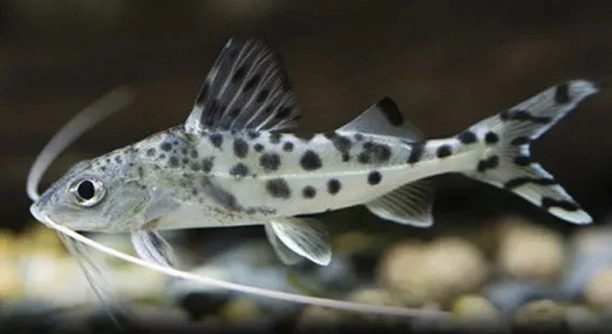
Is your Pictus catfish suddenly swimming upside down in its tank? This unusual behavior can be surprising for any fish owner. Understanding why this happens is important for keeping your pet healthy and comfortable in its environment.
Pictus catfish swim upside down mainly due to swim bladder issues or stress caused by poor water conditions. The swim bladder controls buoyancy, and when it malfunctions, the fish loses balance and may invert. Addressing water quality and diet often resolves this.
Recognizing the causes behind this behavior helps you provide better care and avoid long-term health problems for your catfish. This article will guide you through the main reasons and practical solutions.
Common Causes of Upside-Down Swimming in Pictus Catfish
When your Pictus catfish starts swimming upside down, the most common cause is a problem with its swim bladder. This organ helps the fish control its buoyancy and stay balanced in the water. If the swim bladder is damaged or infected, the fish will have trouble staying upright. Another factor can be poor water quality. High levels of ammonia, nitrites, or nitrates create stress, which affects the fish’s health and behavior. Overfeeding or feeding the wrong diet may also lead to swim bladder problems, as excess food can cause bloating and digestive issues. Additionally, sudden changes in temperature or water chemistry may confuse the fish and disrupt its normal swimming patterns. It’s important to regularly test the water and keep the tank clean to maintain a stable environment. Observing your fish’s behavior closely can help identify early signs of distress before the problem worsens.
Maintaining stable water parameters and a balanced diet can prevent many swim bladder-related issues. Clean water is essential.
Keeping your Pictus catfish healthy involves consistent care. Avoid overfeeding by providing small amounts of food two to three times daily. Remove uneaten food promptly to reduce waste buildup. Regular water changes help keep toxins low and oxygen levels high. Using a water testing kit ensures parameters like pH, ammonia, nitrite, and nitrate remain within safe limits. If your fish shows signs of illness, isolating it in a quarantine tank can prevent spreading diseases. Adding aquarium salt in small doses may also help reduce stress and improve gill function. By monitoring diet, water quality, and temperature, you give your catfish the best chance to swim normally and stay active.
How to Help Your Catfish Swim Normally Again
Identifying and correcting environmental or health issues is the first step to restoring your catfish’s swimming behavior.
Treatment depends on the cause. For swim bladder problems linked to diet, fasting your fish for one or two days followed by feeding shelled peas can aid digestion and reduce bloating. Improving water quality with frequent water changes helps relieve stress. If a bacterial infection is suspected, using appropriate antibiotics prescribed by a vet or aquarium specialist may be necessary. Providing a stable temperature close to the species’ natural habitat range also supports recovery. Patience is key, as healing can take several days to weeks. During this time, minimize disturbances and maintain consistent care. Observing gradual improvement indicates the treatments are working, but if the problem persists, seeking professional advice is recommended.
With proper care and attention, your Pictus catfish can return to healthy swimming behavior, adding enjoyment to your aquarium.
Preventing Upside-Down Swimming in Pictus Catfish
Regular tank maintenance is crucial for preventing swim bladder issues and stress. Keep water clean by performing weekly partial water changes of about 20-30%. Avoid sudden temperature shifts, as Pictus catfish prefer stable environments between 74°F and 79°F.
A balanced diet is also important. Feed your catfish high-quality sinking pellets or frozen foods like bloodworms and brine shrimp. Avoid overfeeding by giving only what the fish can consume within a few minutes. Overfeeding can cause digestive problems, leading to swim bladder troubles.
Proper tank setup matters as well. Provide enough space, a gentle water flow, and hiding spots. Stress from overcrowding or aggressive tank mates can trigger abnormal behavior. Monitoring your fish and tank conditions regularly helps catch problems early, improving the chances your catfish stays healthy and swims correctly.
Signs That Your Pictus Catfish Needs Immediate Attention
If your catfish remains upside down for long periods or shows other signs of distress, prompt action is necessary. Signs include loss of appetite, lethargy, or visible physical changes like bloating or discoloration.
Ignoring these symptoms can worsen your fish’s condition. Immediate steps include testing water quality and isolating the fish to reduce stress. Adjust the environment and consider treatment options like fasting or medication if needed. Consulting an aquatic veterinarian or experienced specialist helps ensure proper diagnosis and care. Acting quickly increases the likelihood your Pictus catfish will recover and return to normal swimming behavior.
Common Mistakes to Avoid
Overfeeding is a frequent mistake that leads to swim bladder issues in Pictus catfish. Feeding too much or too often causes digestive problems and bloating.
Another error is neglecting water quality. Poor tank maintenance results in harmful toxins that stress your fish and impact its health.
Tank Setup Tips for Healthy Swimming
Ensure your tank has enough space; a minimum of 30 gallons is recommended for Pictus catfish due to their active nature. Use a gentle filter that provides good water circulation without strong currents. Include plenty of hiding places using plants, rocks, or decorations to reduce stress. Maintain stable water parameters, keeping temperature, pH, and ammonia levels within ideal ranges. Proper tank setup supports your catfish’s comfort and reduces abnormal behaviors like swimming upside down.
When to Consult a Professional
If symptoms persist despite treatment, professional advice is necessary.
FAQ
Why is my Pictus catfish swimming upside down suddenly?
This usually happens due to swim bladder problems. The swim bladder helps the fish control buoyancy. When it malfunctions because of injury, infection, or digestive issues, the fish loses balance and may swim upside down. Stress from poor water quality or sudden changes in the tank can also trigger this behavior.
How can I fix swim bladder problems in my catfish?
Start by improving water quality with regular changes and testing. Fast your fish for a day or two to clear digestive blockages. Feeding shelled peas can help relieve bloating. If infection is suspected, medication prescribed by a specialist might be needed. Keep the tank temperature stable and avoid stressing the fish during recovery.
Is upside-down swimming always a sign of illness?
Not always. Sometimes, young Pictus catfish swim upside down briefly as a natural behavior. However, if it continues or is accompanied by other signs like lethargy or loss of appetite, it usually means a health or environmental issue.
Can diet cause my catfish to swim upside down?
Yes. Overfeeding or feeding inappropriate food can cause digestive problems leading to swim bladder issues. Providing a balanced diet with quality sinking pellets and occasional frozen foods while avoiding excess is key to preventing this.
How often should I clean my Pictus catfish tank?
Partial water changes of 20-30% weekly are recommended. This keeps ammonia, nitrites, and nitrates low and maintains a healthy environment. Clean filters regularly, but avoid full tank cleans that disturb beneficial bacteria.
What water temperature is best for Pictus catfish?
Pictus catfish thrive in temperatures between 74°F and 79°F (23°C to 26°C). Keeping the water stable within this range helps prevent stress and swim bladder problems.
Can stress cause my catfish to swim upside down?
Yes. Stress from overcrowding, aggressive tank mates, poor water quality, or sudden changes in the environment can affect your catfish’s health. Stress weakens their immune system and can lead to abnormal swimming behavior.
Should I isolate my catfish if it swims upside down?
Isolating the fish can reduce stress and prevent the spread of potential infections to other tank mates. Quarantine tanks also make treatment easier. However, make sure the isolation tank has similar water conditions to avoid additional stress.
How long does it take for a Pictus catfish to recover?
Recovery time varies depending on the cause and treatment. Minor swim bladder issues may improve within a few days with proper care. More severe problems or infections could take weeks. Patience and consistent maintenance are important.
When should I seek professional help?
If your catfish shows no improvement after treatment or develops additional symptoms like swelling, discoloration, or severe lethargy, consult an aquatic veterinarian or experienced specialist. Early diagnosis helps avoid permanent damage.
Can tank decorations affect my catfish’s swimming?
Yes. Sharp or rough decorations may injure your catfish, causing stress or infections that affect swimming. Also, overcrowded tanks with too many decorations can limit space and increase stress. Provide enough hiding spots while keeping swimming areas open.
Is upside-down swimming reversible in Pictus catfish?
In many cases, yes. With proper care, water quality management, and diet adjustments, swim bladder issues can be resolved, allowing the fish to swim normally again. Persistent problems may need veterinary attention.
Are there any medications safe for treating swim bladder issues?
Medications should only be used when an infection or bacterial problem is confirmed. Antibiotics prescribed by an aquatic specialist are the safest choice. Avoid overuse of medication as it can harm beneficial bacteria and stress your fish further.
Can water hardness or pH cause swim bladder problems?
Extreme or fluctuating pH and water hardness levels can stress fish and contribute to swim bladder issues. Maintain stable pH around 6.5 to 7.5 and moderate hardness for best results with Pictus catfish.
What is the best diet for a healthy Pictus catfish?
High-quality sinking pellets formulated for bottom feeders work well. Supplement with frozen or live foods like bloodworms, brine shrimp, or daphnia. Avoid overfeeding and remove uneaten food quickly to maintain water quality.
Does temperature fluctuation worsen upside-down swimming?
Yes. Rapid temperature changes stress fish and disrupt metabolism, which can worsen swim bladder conditions. Use a reliable heater and thermometer to keep temperature steady.
How important is oxygen in preventing swimming problems?
Oxygen levels directly affect fish health. Low oxygen can cause stress and abnormal behavior. Ensure good water movement and aeration in the tank to maintain sufficient oxygen.
Can poor filtration cause my Pictus catfish to swim upside down?
Poor filtration leads to toxin buildup and low oxygen, stressing your fish. Use an efficient filter suitable for your tank size and clean it regularly to keep water safe.
Are there natural remedies for swim bladder issues?
Fasting and feeding shelled peas are common natural remedies to ease digestion. Some fishkeepers use aquarium salt in low doses to reduce stress and improve gill function. These should be used cautiously and alongside proper water maintenance.
How do I know if my catfish is stressed?
Signs include erratic swimming, hiding more than usual, loss of appetite, or clamped fins. Stress often precedes swim bladder problems and should be addressed quickly.
Final Thoughts
Understanding why your Pictus catfish is swimming upside down is essential for providing the best care possible. This behavior usually points to swim bladder issues, which affect the fish’s ability to maintain proper buoyancy. Problems with the swim bladder can arise from many causes, such as poor water quality, overfeeding, infections, or stress. Recognizing these causes early helps prevent more serious health complications. Consistently monitoring water parameters and feeding habits is the foundation of a healthy aquarium environment for your catfish.
Taking simple steps like regular water changes, avoiding overfeeding, and maintaining stable temperature can greatly reduce the chances of your catfish swimming upside down. Creating a calm environment with adequate space and hiding spots lowers stress levels, which also contributes to better overall health. When problems arise, fast action is important. Fasting the fish briefly, improving water quality, and providing a balanced diet can often help restore normal behavior. In some cases, medical treatment may be necessary. Quarantining affected fish can protect others and allow focused care.
Being patient and attentive is important while caring for a Pictus catfish facing swim bladder challenges. Recovery takes time, and consistent care will support your fish’s return to normal swimming. Avoiding common mistakes like overfeeding and poor tank maintenance prevents recurring problems. When issues persist or worsen, consulting an aquatic specialist ensures proper diagnosis and treatment. With proper care, your Pictus catfish can regain its health and enjoy a comfortable, active life in your aquarium.

Hello,
If you enjoy the content that we create, please consider saying a "Thank You!" by leaving a tip.
Every little bit helps us continue crafting quality advice that supports the health, happiness, and well-being of pets around the world, for pets of all shapes, sizes, and species.
We really appreciate the kindness and support that you show us!