
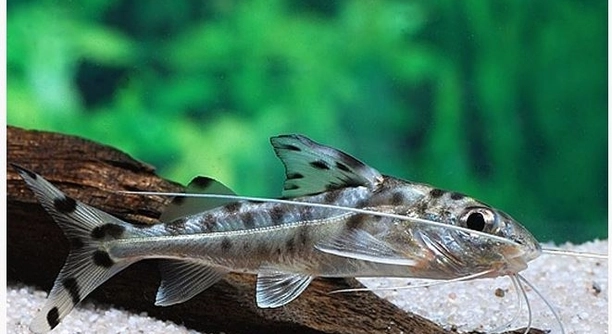
Is your Pictus Catfish always resting at the bottom of the tank, even when everything else seems normal in your setup?
The most common reason your Pictus Catfish stays near the bottom is due to its natural behavior. Pictus Catfish are bottom-dwellers by nature and prefer hiding in caves, under rocks, or along the substrate.
Although this behavior is normal, there are a few things to consider if it becomes excessive or seems unusual. Understanding their habits can help you better care for them and maintain a healthy tank environment.
Natural Behavior of Pictus Catfish
Pictus Catfish are naturally inclined to stay near the bottom of their tank. In the wild, they live in rivers where they navigate along the bottom in search of food and safety. Their whiskers, or barbels, help them feel around for small bits of food, and they tend to stay close to surfaces for comfort. This behavior continues in home aquariums. Many people worry when their fish don’t swim in open water, but for Pictus Catfish, this isn’t usually a sign of something wrong. They are active, but much of their activity takes place along the bottom or in hidden spaces. If the tank has enough hiding spots and smooth substrate, your catfish is likely doing just fine. It’s important not to confuse resting or hiding with illness, especially if your fish is still eating, has clear eyes, and shows no visible signs of distress or injury.
A catfish that hides often but eats well and swims normally at night is usually healthy.
Pay attention to how active your Pictus Catfish is during the evening or nighttime hours. These fish are nocturnal, so much of their activity happens after the lights go out.
When Behavior Could Signal a Problem
If your Pictus Catfish is always motionless or looks stressed, it may be reacting to something in the tank.
Changes in water quality are a leading reason for abnormal behavior. If ammonia or nitrite levels are too high, it can cause stress and lead your fish to become inactive or stay hidden all the time. Low oxygen levels in the water can also be a problem, especially in tanks with poor circulation. In some cases, your Pictus Catfish may not be getting enough space to swim freely. These fish need plenty of room and hiding spots to feel secure, and a crowded tank can increase stress. Another possible reason is the presence of aggressive tank mates. Even if there is no direct fighting, other fish may intimidate your catfish into staying near the bottom all the time. It’s a good idea to check the behavior of other tank inhabitants and see how they interact. Always test your water regularly, and make sure the filter and heater are working as they should.
Tank Setup and Environmental Needs
A tank that meets your Pictus Catfish’s needs can help them feel safer and more active. A poor setup may cause them to stay hidden or inactive most of the time.
Pictus Catfish do best in tanks that are at least 55 gallons or more. These fish are fast swimmers and enjoy having space to move around. Use a soft, sandy substrate to protect their sensitive barbels. Sharp gravel can injure them and cause discomfort, which may keep them glued to the bottom. Provide hiding places like caves, driftwood, and PVC pipes so they have safe spots to rest. They also prefer dim lighting or shaded areas in the tank. Bright lights may keep them from being active during the day. Adding some live plants can also help diffuse light and offer natural hiding spaces, which can encourage more natural movement and behavior.
A strong filter helps maintain water quality and circulation. These fish need clean, well-oxygenated water to thrive. Test the water weekly for ammonia, nitrite, nitrate, and pH. Use a thermometer to monitor temperature and keep it between 74°F and 80°F. Sudden changes can stress them out. Also, make sure your tank lid fits securely—Pictus Catfish are known to jump if startled or stressed.
Social Behavior and Tank Mates
Pictus Catfish are peaceful but can be shy around aggressive or overly active tank mates. If they feel threatened, they often retreat to the bottom and stay there.
They generally do well with other non-aggressive fish that are similar in size. Avoid placing them with slow-moving fish that might get nipped, or very small fish that can be mistaken for food. Ideal tank mates include peaceful cichlids, larger tetras, gouramis, or other bottom-dwellers like loaches. Keeping more than one Pictus Catfish can also help, as they tend to be more confident when kept in small groups. However, make sure your tank is big enough to give each fish space. Overcrowding can cause stress, which may increase hiding behavior. When the tank is calm and balanced, Pictus Catfish often become more active, especially during feeding times or in the evening when the lights are dim.
Feeding Habits and Schedule
Pictus Catfish are scavengers and eat mostly at night. If food is only offered during the day, they might miss out, especially in a busy tank. Use sinking pellets or wafers that reach the bottom where they naturally feed.
Offer food shortly after turning off the tank lights. This helps them feel safe while eating. Feeding at the same time each night builds a routine and reduces stress. Uneaten food should be removed to avoid water quality problems.
Signs of Illness to Watch For
If your Pictus Catfish is unusually still or not eating, it could be a sign of illness. Other things to look for include torn fins, white spots, rapid gill movement, or color fading. These signs may indicate parasites, infections, or poor water conditions. Treating early can prevent more serious issues.
When to Seek Help
If behavior doesn’t improve after water changes or adjustments to the tank, consider consulting an aquatic vet.
FAQ
Why does my Pictus Catfish only come out at night?
Pictus Catfish are nocturnal, which means they’re most active after dark. In the wild, they feed and explore during nighttime hours to avoid predators. Bright lighting during the day can make them feel exposed, so they choose to stay hidden or rest. You can encourage more daytime activity by dimming the tank lights or using floating plants to provide shade. Still, it’s completely normal for them to stay hidden during the day and swim more actively at night.
Is it okay if my Pictus Catfish stays in one spot all day?
Yes, it’s usually okay. These fish often find a spot they like and stay there to feel safe, especially during the day. As long as they’re eating, swimming normally at night, and show no signs of illness or stress, it’s part of their normal behavior. If your fish suddenly becomes inactive all the time or avoids food, it might be worth checking your water parameters or observing for other signs of trouble.
Do Pictus Catfish need to be kept in groups?
They can be kept alone, but they often do better in small groups of their own kind. Keeping two or more together may help them feel more confident and reduce stress, especially in larger tanks with enough hiding places. However, if space is limited or the tank is already heavily stocked, a single Pictus Catfish can still do well as long as the environment is stable and peaceful.
Can Pictus Catfish live with shrimp or small snails?
No, Pictus Catfish are likely to eat small tank mates like shrimp or snails. Their natural behavior is to search the bottom for food, and anything small enough to fit in their mouth could become a snack. It’s safer to house them with similarly sized or larger fish to prevent accidental feeding on smaller creatures.
How do I know if my Pictus Catfish is stressed?
Signs of stress include rapid breathing, constant hiding, darting, lack of appetite, faded color, or rubbing against objects. Stress can come from poor water quality, overcrowding, or aggressive tank mates. To reduce stress, check water parameters regularly, maintain a consistent environment, and make sure your catfish has enough space and shelter.
What temperature range is best for Pictus Catfish?
Keep the tank temperature between 74°F and 80°F. Sudden temperature changes can cause stress and health issues. Using a reliable heater and thermometer helps maintain a stable temperature. Avoid placing the tank in direct sunlight or drafty areas where fluctuations are more likely.
Why is my Pictus Catfish swimming frantically?
Sudden, frantic swimming may be caused by poor water quality, stress, or sudden changes in lighting or temperature. It can also be a response to loud noise or movement near the tank. Test your water immediately and make sure nothing has changed in the environment. If it continues, rule out illness or bullying from other fish.
What should I feed my Pictus Catfish?
Use sinking pellets, wafers, and frozen or live foods like bloodworms or brine shrimp. Since they eat at the bottom, make sure food reaches the substrate. Feed them once a day, preferably in the evening, and avoid overfeeding to prevent leftover food from affecting water quality.
How big do Pictus Catfish get?
They usually grow to about 4 to 5 inches long in home aquariums, but they can sometimes reach 6 inches. Because of their size and active swimming, they need a tank that’s at least 55 gallons to stay comfortable and healthy.
Can Pictus Catfish jump out of the tank?
Yes, they are known to jump, especially when startled or stressed. Always keep a secure lid on the tank to prevent accidents. Check that there are no small gaps where they might escape, especially if they’re new to the tank or if water conditions suddenly change.
FAQ
Why does my Pictus Catfish only come out at night?
Pictus Catfish are nocturnal, which means they’re most active after dark. In the wild, they feed and explore during nighttime hours to avoid predators. Bright lighting during the day can make them feel exposed, so they choose to stay hidden or rest. You can encourage more daytime activity by dimming the tank lights or using floating plants to provide shade. Still, it’s completely normal for them to stay hidden during the day and swim more actively at night.
Is it okay if my Pictus Catfish stays in one spot all day?
Yes, it’s usually okay. These fish often find a spot they like and stay there to feel safe, especially during the day. As long as they’re eating, swimming normally at night, and show no signs of illness or stress, it’s part of their normal behavior. If your fish suddenly becomes inactive all the time or avoids food, it might be worth checking your water parameters or observing for other signs of trouble.
Do Pictus Catfish need to be kept in groups?
They can be kept alone, but they often do better in small groups of their own kind. Keeping two or more together may help them feel more confident and reduce stress, especially in larger tanks with enough hiding places. However, if space is limited or the tank is already heavily stocked, a single Pictus Catfish can still do well as long as the environment is stable and peaceful.
Can Pictus Catfish live with shrimp or small snails?
No, Pictus Catfish are likely to eat small tank mates like shrimp or snails. Their natural behavior is to search the bottom for food, and anything small enough to fit in their mouth could become a snack. It’s safer to house them with similarly sized or larger fish to prevent accidental feeding on smaller creatures.
How do I know if my Pictus Catfish is stressed?
Signs of stress include rapid breathing, constant hiding, darting, lack of appetite, faded color, or rubbing against objects. Stress can come from poor water quality, overcrowding, or aggressive tank mates. To reduce stress, check water parameters regularly, maintain a consistent environment, and make sure your catfish has enough space and shelter.
What temperature range is best for Pictus Catfish?
Keep the tank temperature between 74°F and 80°F. Sudden temperature changes can cause stress and health issues. Using a reliable heater and thermometer helps maintain a stable temperature. Avoid placing the tank in direct sunlight or drafty areas where fluctuations are more likely.
Why is my Pictus Catfish swimming frantically?
Sudden, frantic swimming may be caused by poor water quality, stress, or sudden changes in lighting or temperature. It can also be a response to loud noise or movement near the tank. Test your water immediately and make sure nothing has changed in the environment. If it continues, rule out illness or bullying from other fish.
What should I feed my Pictus Catfish?
Use sinking pellets, wafers, and frozen or live foods like bloodworms or brine shrimp. Since they eat at the bottom, make sure food reaches the substrate. Feed them once a day, preferably in the evening, and avoid overfeeding to prevent leftover food from affecting water quality.
How big do Pictus Catfish get?
They usually grow to about 4 to 5 inches long in home aquariums, but they can sometimes reach 6 inches. Because of their size and active swimming, they need a tank that’s at least 55 gallons to stay comfortable and healthy.
Can Pictus Catfish jump out of the tank?
Yes, they are known to jump, especially when startled or stressed. Always keep a secure lid on the tank to prevent accidents. Check that there are no small gaps where they might escape, especially if they’re new to the tank or if water conditions suddenly change.

Hello,
If you enjoy the content that we create, please consider saying a "Thank You!" by leaving a tip.
Every little bit helps us continue crafting quality advice that supports the health, happiness, and well-being of pets around the world, for pets of all shapes, sizes, and species.
We really appreciate the kindness and support that you show us!