
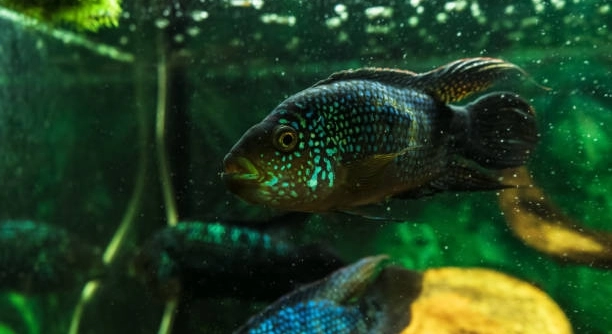
Have you ever noticed your Jack Dempsey fish ignoring the pellets you carefully place in its tank? Many owners face this issue despite providing a clean and well-maintained environment for their pet fish.
Jack Dempsey fish may refuse to eat pellets due to a variety of factors including poor water conditions, stress, improper pellet size, sudden dietary changes, or illness. Addressing these elements systematically can restore their feeding behavior effectively.
Understanding why your fish turns away from pellets can help improve feeding habits and ensure its overall health and well-being in the tank.
Water Quality Issues
Poor water quality is one of the main reasons Jack Dempsey fish refuse pellets. If the water has high ammonia, nitrite, or nitrate levels, your fish can become stressed and lose interest in eating. Even small fluctuations in temperature or pH can make them uneasy. Many owners focus on cleanliness but forget that chemicals from uneaten food or decaying plants also affect appetite. Regular testing and partial water changes help maintain a stable environment. Filtration plays a big role, and gentle water flow is better than strong currents, as Jack Dempseys prefer calmer areas. Observing the fish’s behavior, like hiding or sluggish swimming, often signals water-related stress. Consistent tank maintenance builds trust with the fish, making them more likely to accept pellets. Avoid overfeeding, as leftover food decomposes quickly, worsening water quality. Keeping a routine for feeding and cleaning supports a healthier, more willing fish over time.
Monitoring water conditions daily can prevent stress and maintain a feeding routine, encouraging Jack Dempsey fish to eat pellets reliably.
A stable tank environment not only improves appetite but also reduces disease risk. Fish adapt to consistent water parameters, and they feel safer exploring the tank for food. Over time, proper care results in healthier, more active fish that are easier to feed. Small adjustments, like checking temperature and pH weekly, make a noticeable difference. Clean tanks and proper filtration create a balanced habitat where the fish thrive. Stress-free fish are more responsive to pellets, and observation helps spot problems early. Feeding at the same time daily establishes routine. Gradual dietary changes also prevent refusal. Water clarity, oxygen levels, and low toxins all play a role. A calm environment encourages exploration and acceptance of new foods. Over time, the fish’s appetite improves naturally without forcing it. Consistency is key to long-term feeding success and overall health.
Pellet Size and Texture
Jack Dempsey fish can be picky about pellet size and texture. Too large or hard pellets may be ignored, while very small ones can be swallowed too quickly, causing discomfort. Proper sizing matters for effective feeding.
Pellets should match the fish’s mouth size and natural feeding habits. Sinking pellets are often preferred as Jack Dempseys hunt near the bottom. Some fish prefer softer or moistened pellets, especially when newly introduced. Mixing textures can stimulate interest, as fish respond to variety. Observing how your fish takes food can guide your pellet choice. Rotating pellet types prevents boredom and encourages regular feeding. Gradual changes from flakes to pellets or from small to larger sizes can improve acceptance. Nutritional content also matters; balanced pellets with protein levels suited to carnivorous fish support health and appetite. Testing different brands helps identify preferences, ensuring the fish eats consistently.
Over time, adjusting pellet size and texture improves feeding success. It also reduces food waste and keeps the tank cleaner. Consistent observation ensures you meet your fish’s preferences without overfeeding. Properly chosen pellets support growth, color, and overall vitality. Monitoring how pellets are consumed helps prevent choking or slow eating, which can affect appetite. Combining sinking and floating options encourages natural hunting behavior. Softened pellets or pre-soaked options can entice reluctant eaters. Regular rotation maintains interest in meals, promoting routine feeding and healthier fish. By paying attention to these details, pellet feeding becomes a smooth, stress-free process for both the fish and the owner.
Stress and Tank Environment
Stress can cause Jack Dempsey fish to refuse pellets. Overcrowding, aggressive tank mates, or sudden changes in lighting or decorations can make them nervous and uninterested in eating. A calm environment encourages regular feeding and reduces refusal.
Providing hiding spots and maintaining a stable tank layout helps the fish feel secure. Stress often shows through hiding, sluggish movement, or rapid gill activity. Reducing disturbances, keeping consistent water parameters, and limiting sudden changes support appetite. Even small adjustments, like gentle filtration or dimmed lights during feeding, can improve pellet acceptance. Ensuring tank mates are compatible and spacing decorations to reduce territorial fights also helps. Observing behavior closely allows you to identify stress triggers and correct them quickly. A relaxed fish is more likely to explore and accept food, leading to better growth and overall health.
Stress impacts more than appetite. Long-term stress weakens the immune system, making the fish prone to illness. Stress also causes erratic swimming and color dullness. By maintaining a consistent environment, removing threats, and monitoring interactions, feeding issues can be minimized. Soft lighting, hiding areas, and low-traffic zones in the tank give Jack Dempseys confidence to feed. Gradual introductions of new fish or decorations prevent shock. Feeding at the same time daily creates routine, which also reduces stress. Over time, these practices encourage consistent eating habits. A calm, predictable tank supports healthier, more active fish that readily accept pellets and enjoy a stable habitat.
Sudden Diet Changes
Abrupt changes in diet can make Jack Dempsey fish ignore pellets. Switching from live or frozen food to pellets too quickly can cause refusal and confusion. Gradual transitions work best for acceptance.
Introducing pellets slowly by mixing them with familiar foods helps the fish adapt. Start with a small amount of pellet blended with their usual diet, then gradually increase the pellet portion over several days. Sudden removal of favorite foods can backfire, leading to stress and feeding refusal. Watching how the fish responds helps adjust the transition pace. Patience and observation are key to success. Some fish may need a week or more to fully accept pellets. Offering variety in protein sources and alternating feeding methods also encourages interest. Proper pacing ensures nutritional needs are met while preventing rejection.
Consistency is crucial when changing diets. Abrupt removal of preferred foods can make fish reluctant eaters. Slowly increasing pellets while reducing live or frozen options allows adaptation. Observing their response ensures the transition does not cause stress. Some Jack Dempseys take longer than others, so patience is required. Using feeding techniques like hand-feeding or lightly moistening pellets can further ease acceptance. Variety in pellet types, textures, and flavors also maintains interest. Maintaining a calm tank environment during changes supports adaptation. Over time, these steps help fish adjust successfully to a new diet, improving feeding reliability and overall health.
Illness or Health Issues
Sick Jack Dempsey fish often refuse pellets. Signs like lethargy, faded color, or unusual swimming indicate health problems. Addressing illness early prevents long-term feeding issues and supports recovery.
Parasites, bacterial infections, or internal issues can reduce appetite. Treating the underlying problem often restores pellet acceptance. Monitoring behavior and water conditions helps identify illness before it worsens.
Overfeeding
Overfeeding can make Jack Dempsey fish ignore pellets. Too much food fills them, reducing hunger and interest in regular meals.
Consistent portion control ensures they stay motivated to eat. Feeding small amounts multiple times a day can prevent leftovers and maintain appetite.
Lighting and Tank Activity
Bright lights or frequent disturbances during feeding can stress fish. Dimmed lights and a quiet environment improve feeding response.
FAQ
Why is my Jack Dempsey ignoring pellets after eating live food?
Jack Dempsey fish can develop a preference for live or frozen foods because they are more natural, flavorful, and stimulating. Pellets lack the movement and scent of live food, which may make them less attractive. Gradually mixing pellets with their familiar foods can help them adjust. Start by offering a small amount of pellets alongside live or frozen food, then slowly increase the pellet portion over several days. This method reduces stress and encourages acceptance. Some fish may take a week or more to fully transition. Patience is essential, and observing their response helps determine the right pace. Using softer or pre-soaked pellets can also make the texture more appealing.
Can water temperature affect pellet feeding?
Yes, water temperature directly affects appetite. Jack Dempseys are tropical fish and prefer temperatures between 75°F and 82°F (24°C to 28°C). Water that is too cold slows metabolism and reduces hunger, while water that is too warm can increase stress and suppress feeding. Maintaining a stable temperature is crucial. Using a reliable heater and thermometer ensures consistent conditions. Even small daily fluctuations can cause reluctance to eat. If the fish stops taking pellets, checking the temperature is one of the first steps. Consistent tank conditions encourage a healthy appetite and make the fish more willing to try new foods.
How often should I feed my Jack Dempsey?
Feeding small amounts two to three times a day is ideal. Overfeeding can lead to leftover food decomposing, poor water quality, and reduced interest in pellets. Observing the fish during feeding helps determine the right portion size. Only offer what can be eaten in five minutes. Adjust portions as the fish grows or as their activity levels change. Consistent feeding schedules help the fish develop a routine and improve acceptance of pellets. Avoid skipping days or changing times frequently, as unpredictability can stress the fish and reduce appetite.
Can tank mates affect pellet feeding?
Yes, aggressive or overly active tank mates can intimidate Jack Dempsey fish, making them hesitant to eat. Territorial conflicts or bullying can cause stress and reduce interest in food. Providing hiding spots and separating aggressive fish can improve feeding behavior. Observing interactions during feeding helps identify problem fish. Adjusting the tank layout and spacing decorations can reduce tension. Ensuring the Jack Dempsey has a calm, secure area for feeding encourages pellet consumption. Stress-free fish are more likely to explore and accept new foods.
Should I change pellet brands if my fish refuses them?
Changing pellet brands can help if your fish shows no interest. Texture, size, and nutritional content vary between brands, and some may appeal more to your Jack Dempsey. Introduce new pellets gradually, mixing them with familiar ones to prevent sudden rejection. Observe how the fish reacts to different options. Rotating brands occasionally can prevent boredom and encourage feeding. Softened pellets or those designed for carnivorous fish may be particularly effective. Consistent observation and small adjustments lead to better acceptance over time.
What is the best way to introduce pellets to a picky eater?
Start by offering pellets in small amounts alongside familiar foods. Moisten them slightly to improve texture and scent. Feed in a quiet, calm environment to reduce stress. Observe how the fish responds and adjust portions gradually. Rotate pellet types to maintain interest.
Can illness prevent my Jack Dempsey from eating pellets?
Yes, illness often suppresses appetite. Look for signs such as faded colors, unusual swimming, or lethargy. Addressing health issues promptly usually restores interest in food. Water quality, parasites, and bacterial infections are common causes. Early treatment supports recovery and improves feeding behavior.
Do lighting conditions affect pellet feeding?
Bright lights or frequent disturbances can make Jack Dempseys hesitant to eat. Feeding in dimmed light or a calm environment helps them feel secure. Reducing sudden movements near the tank can also encourage pellet acceptance.
Is it normal for Jack Dempsey fish to take time adjusting to pellets?
Yes, adjustment can take days or even weeks. Patience, consistent feeding schedules, and gradual transitions from familiar foods improve acceptance. Observing behavior and small adjustments in pellet size or texture help encourage regular eating habits.
How can I prevent pellet refusal in the future?
Maintain stable water conditions, avoid overfeeding, and offer consistent feeding schedules. Gradually introduce dietary changes and monitor tank environment for stressors. Using appropriate pellet size and texture ensures long-term feeding success. Regular observation and small adjustments keep the fish healthy and willing to eat.
This FAQ addresses common problems and solutions, ensuring that Jack Dempsey fish develop healthy feeding habits while maintaining overall well-being.
Jack Dempsey fish can be picky eaters, and it is normal for them to refuse pellets at times. Several factors can affect their appetite, including water quality, tank environment, stress, and diet changes. Maintaining clean water with stable temperature, pH, and chemical levels is essential. Even small changes in water parameters can make the fish uneasy and less willing to eat. Regular water testing and partial water changes help prevent problems. A calm tank with hiding spots, minimal disturbances, and compatible tank mates also supports feeding. Observing the fish’s behavior provides important clues about its comfort and health. When a fish is stressed, it may hide, swim erratically, or refuse food. Creating a stable and predictable environment encourages the fish to explore and accept pellets over time.
Pellet size and texture also play a major role in feeding success. Jack Dempseys often prefer pellets that match their mouth size and natural hunting behavior. Sinking pellets are generally more effective because these fish hunt near the bottom of the tank. Sometimes softer or pre-soaked pellets work better, especially for fish that are new to this type of food. Gradually introducing pellets by mixing them with familiar live or frozen food can help a reluctant fish adjust. Sudden dietary changes often cause rejection, so patience is necessary. Observing how the fish reacts to different pellets allows adjustments to size, texture, and type. Rotating pellet types and maintaining variety can prevent boredom, making the fish more likely to feed regularly. Overfeeding should also be avoided, as leftover food can decay, reduce water quality, and discourage the fish from eating. Controlled feeding and consistent schedules help maintain appetite and overall health.
Health issues must always be considered when a Jack Dempsey refuses pellets. Illnesses, parasites, or internal problems can reduce appetite and make a fish reluctant to eat. Signs of sickness include faded color, sluggish movement, or unusual swimming patterns. Addressing any health problems promptly often restores feeding habits. Stress, environmental disturbances, or aggressive tank mates can also impact appetite. Feeding in a quiet, low-light environment and ensuring the fish has secure areas in the tank helps encourage eating. Gradual transitions, careful observation, and consistent care make the difference between a picky eater and a fish that reliably accepts pellets. Over time, these practices improve feeding behavior, overall health, and the fish’s well-being, making it easier to maintain a happy, thriving Jack Dempsey in your tank.

Hello,
If you enjoy the content that we create, please consider saying a "Thank You!" by leaving a tip.
Every little bit helps us continue crafting quality advice that supports the health, happiness, and well-being of pets around the world, for pets of all shapes, sizes, and species.
We really appreciate the kindness and support that you show us!