
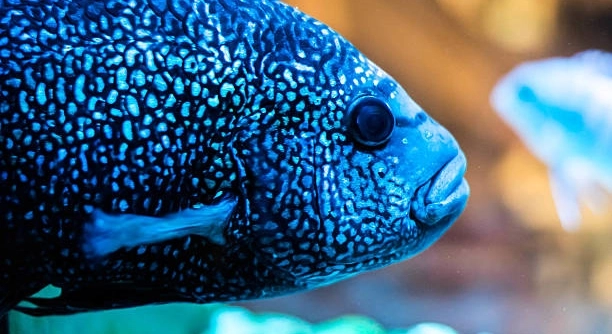
Do you ever notice your Jack Dempsey fish following your every move in the tank, its eyes fixed on you as you go about your day? This behavior can feel both curious and slightly unnerving at times.
Jack Dempsey fish observe their owners primarily as a means of monitoring potential threats and assessing their environment. This species demonstrates territorial awareness and heightened sensitivity to movement, which results in the persistent gaze often directed toward humans nearby.
Understanding why your fish behaves this way can help you create a more comfortable and balanced tank environment, ensuring both its well-being and your peace of mind.
Understanding Jack Dempsey Behavior
Jack Dempsey fish are naturally territorial and attentive. They watch their surroundings closely, often focusing on movements outside the tank. This behavior is not aggression but an instinctive way to stay aware of changes in their environment. In a home tank, this includes observing you as you move near or around it. The fish may also associate your presence with feeding times or activity in the tank. Over time, your Jack Dempsey becomes familiar with daily routines, which strengthens its observation habits. This attentive gaze helps the fish feel secure and maintain control over its space, even in an enclosed environment. Recognizing this behavior as natural can help owners approach their fish with patience, rather than interpreting it as unusual or threatening. Creating a stable, predictable environment encourages comfort and reduces unnecessary stress for the fish.
Watching closely is part of how your fish interacts with its environment.
Providing hiding spots and consistent routines allows your Jack Dempsey to observe without stress, promoting both confidence and calm behavior. A tank with varied decorations, rocks, and plants gives the fish areas to retreat, reducing constant focus on external movements. Feeding at predictable times ensures the fish associates your presence with positive experiences. Sudden changes, like rearranging decorations or loud disturbances, can increase attention or agitation. By understanding these instincts, owners can create a balanced environment where observation becomes a natural, non-stressful behavior. Consistency and careful management of the tank’s setup allow the fish to feel secure, which benefits its long-term health and reduces unnecessary anxiety. Observing these patterns can help predict responses and maintain harmony in the aquarium, while fostering a stable routine for both the fish and owner.
Feeding and Interaction Patterns
Your Jack Dempsey may watch you for feeding cues or activity signals.
Feeding habits significantly influence the fish’s attentiveness. When the fish learns that your presence often means food, it becomes alert and focused whenever you approach the tank. Timing and consistency are key; irregular feeding can increase vigilance and stress, making your fish more likely to watch constantly. Additionally, hand movements, shadows, or tapping near the tank can heighten this alertness. Interaction extends beyond feeding: the fish notices water changes, cleaning routines, and tank maintenance, all of which affect its perception of safety. Maintaining calm, predictable interactions reduces unnecessary stress while allowing the fish to remain naturally observant. Over time, these routines reinforce trust, decreasing anxiety-driven staring and creating a calmer, more confident fish. Observing these responses provides insight into the fish’s behavior patterns and helps owners adapt care strategies that support well-being and natural instincts.
Tank Environment and Its Effect
Tank setup directly influences your Jack Dempsey’s behavior. Open spaces may cause more staring, while hiding spots reduce stress. Proper lighting and stable water conditions also help the fish feel secure and less reactive to your movements.
A well-structured tank gives the fish control over its environment. Plants, rocks, and decorations provide areas to retreat when feeling observed or threatened. This reduces constant attention on outside activity and promotes natural exploration. In tanks without cover, the fish may fixate on movement as a way to monitor potential disturbances. Maintaining clean water and stable temperature encourages calm behavior, making the fish less likely to watch excessively. Observing these environmental effects allows better care and a balanced tank.
Adjusting your tank setup can improve both the fish’s comfort and your enjoyment. Subtle changes, like adding plants or rearranging rocks, help the fish feel more secure. Avoid frequent or drastic alterations, as these can increase alertness. Ensuring stable water parameters, such as pH, temperature, and filtration, prevents stress that may cause the fish to watch more intently. Combining environmental enrichment with predictable routines encourages natural behavior while reducing excessive focus on external activity. A thoughtful tank setup creates a calm, healthy space where your Jack Dempsey can thrive and display natural curiosity without anxiety.
Social and Territorial Influences
Jack Dempsey fish watch closely to assert territorial boundaries and monitor companions. Presence of other fish affects attentiveness, sometimes increasing focus on nearby activity.
Territorial instincts drive the fish to observe all movements near its space. Aggressive or dominant behaviors emerge if other fish approach, making it more vigilant. The fish evaluates whether intruders pose a threat, which can explain why it watches humans as well. Introducing tank mates gradually and ensuring sufficient space minimizes stress. Even small changes in the aquarium, such as new fish or rearranged decorations, can trigger heightened observation. Understanding these social and territorial behaviors helps maintain harmony, reduces unnecessary staring, and promotes a stable environment where the fish feels secure while interacting naturally with companions.
Light and Activity Levels
Lighting affects how alert your Jack Dempsey appears. Bright or inconsistent lighting can make the fish watch more often, while soft, steady light encourages calm behavior.
Daily activity in the room influences attention. Movement near the tank, like walking by or rearranging items, naturally draws the fish’s gaze, which is part of its instinctive observation patterns.
Feeding Timing and Habits
Consistent feeding schedules reduce unnecessary staring. When the fish learns to expect food at certain times, it focuses less on random movements and more on the routine. Overfeeding or irregular timing can increase alertness, making the fish more likely to follow your every movement. Understanding these patterns helps maintain calm behavior and a balanced tank environment.
Water Quality
Stable water parameters are essential. Poor water conditions can stress the fish, increasing vigilance and constant observation of surroundings.
FAQ
Why does my Jack Dempsey fish stare at me all the time?
Jack Dempsey fish are naturally alert and territorial. They observe movements in and around their environment to stay aware of potential changes or threats. In a home aquarium, your presence becomes part of their surroundings, and they focus on you instinctively. Regular routines, feeding, and interaction reinforce this behavior.
Is it normal for them to follow my movements?
Yes, it is normal. Following movement is a survival instinct. Jack Dempsey fish use visual cues to assess activity near their territory. This behavior does not indicate aggression, but rather curiosity and environmental monitoring. Consistent tank conditions and predictable routines help reduce stress-related staring.
Can their staring mean aggression?
Occasionally, yes. Aggression is usually displayed toward other fish rather than humans. If your Jack Dempsey shows flaring fins, sudden lunges, or territorial displays at tank mates, the staring may indicate dominance or defense. Observing behavior in combination with body language clarifies intent.
Does feeding influence their attention?
Absolutely. Fish quickly learn to associate humans with feeding times. When approaching the tank, your Jack Dempsey may fixate on you, expecting food. Irregular feeding schedules increase vigilance, while consistent timing reduces unnecessary attention and keeps behavior predictable.
Will they stop watching if I ignore them?
Not entirely. Their natural instincts drive them to observe changes in their environment. Ignoring the fish may slightly reduce excitement, but the species will continue monitoring for activity, especially near feeding or water changes. Environmental enrichment is more effective than avoidance.
Do other fish in the tank affect their behavior?
Yes. Territorial or aggressive tank mates can heighten observation. Jack Dempsey fish assess both humans and companions to maintain control over their space. Proper spacing, hiding spots, and gradual introductions minimize stress and help the fish focus less on constant vigilance.
Can tank setup change how much they watch me?
Definitely. Open tanks with few hiding spots make the fish more observant. Adding plants, rocks, or other decorations gives security and reduces constant focus on movement. Balanced lighting and minimal sudden disturbances also encourage calmer behavior.
Is this staring harmful?
No, it is a natural part of the species’ behavior. Persistent observation does not indicate illness. Stress from poor water quality or sudden changes can amplify staring, so monitoring overall health is important. Proper care ensures this behavior remains normal and non-stressful.
How can I make my Jack Dempsey feel more comfortable?
Create a stable and enriched environment. Include hiding spots, maintain consistent water parameters, feed on a predictable schedule, and avoid sudden tank changes. This reduces stress and excessive staring, allowing the fish to engage naturally with its surroundings while maintaining calm behavior.
Will they ever stop watching entirely?
No, observation is instinctive. Even in optimal conditions, Jack Dempsey fish remain alert and monitor their environment. Their gaze is a reflection of natural curiosity, territorial awareness, and learned routines, which continue throughout their life in the aquarium.
Does their gaze indicate affection?
While fish do not show affection like mammals, persistent attention may indicate recognition and comfort with familiar routines. They associate humans with feeding and activity patterns, which creates a sense of security rather than emotional attachment.
Can stress make them stare more?
Yes. Poor water quality, inconsistent feeding, overcrowding, or sudden changes can increase alertness. Stress heightens vigilance, so the fish will focus on any movement nearby. Maintaining stable conditions reduces stress-induced staring and promotes healthy behavior.
Should I worry if they stare constantly?
Not usually. Continuous observation is typical for this species. Monitor water quality, feeding habits, and tank setup to ensure comfort. If combined with aggressive or unusual behavior, it may indicate environmental stress rather than a behavioral issue.
How do they perceive humans in the tank?
Jack Dempsey fish view humans as part of their environment. Movements, shadows, and interactions signal activity or potential threats. Over time, they learn predictable routines, associating humans with feeding and maintenance rather than danger, which reinforces attentive yet non-aggressive behavior.
Can adding decorations reduce staring?
Yes. Plants, rocks, and other structures provide visual cover and retreat areas. This allows the fish to feel secure, lowering the need to focus on external movement. Environmental enrichment is more effective than ignoring the fish for reducing constant observation.
Do they stare more at certain times of day?
Observation often peaks around feeding times or during household activity. Jack Dempsey fish are sensitive to light changes and movement, so periods of higher activity naturally draw their attention. Maintaining consistent feeding and lighting routines helps moderate this behavior.
Is it normal for juvenile Jack Dempseys to stare more?
Yes. Younger fish are more vigilant as they learn their environment and establish territories. Observation is a survival mechanism. As they mature and routines stabilize, staring may become less intense, though it remains a natural part of their behavior.
How does water temperature affect their attention?
Fluctuating or inappropriate water temperature can increase stress and alertness. Stable temperature within the recommended range for Jack Dempsey fish promotes calm behavior. Sudden drops or rises may heighten vigilance, causing the fish to watch humans more frequently.
Can I train them to focus less?
While not trainable like mammals, consistent routines, predictable feeding, and stable tank conditions reduce unnecessary alertness. The fish may still observe, but predictable patterns help minimize stress-induced staring. Behavioral management focuses on environmental stability rather than direct training.
Does tank size impact observation?
Yes. Smaller tanks limit retreat areas, increasing attention on surrounding activity. Larger, well-structured tanks provide space and hiding spots, allowing the fish to feel secure and distribute attention naturally between surroundings, tank mates, and humans without constant staring.
Will they stare at other pets too?
Sometimes. Jack Dempsey fish react to movement near the tank, including other animals. Sudden motion or shadows can attract attention, as the fish instinctively monitors all potential changes in its environment for safety and territorial awareness.
Are there signs of stress I should watch for?
Yes. Signs include rapid swimming, fin clamping, hiding excessively, or aggression toward tank mates. Staring can increase under stress, but should be considered alongside other indicators to assess overall well-being and tank conditions.
How do I know if staring is curiosity or stress?
Observe accompanying behaviors. Calm swimming, routine feeding, and exploration indicate curiosity. Flaring fins, rapid movements, and hiding suggest stress. Context and tank conditions help distinguish natural observation from stress-induced behavior.
Does human interaction ever comfort them?
Indirectly, yes. Predictable presence and consistent routines provide reassurance. The fish associates humans with feeding and stable patterns, creating a sense of security even if direct interaction does not result in emotional attachment.
Can tank lighting reduce excessive staring?
Yes. Soft, steady lighting reduces stress and over-alertness. Sudden bright lights or frequent changes increase vigilance. Maintaining consistent illumination encourages calm behavior and allows the fish to observe naturally without heightened anxiety.
What is the long-term effect of constant observation?
In a healthy environment, it poses no harm. Persistent watching is instinctual. Ensuring proper care, enrichment, and consistent routines prevents stress, allowing the fish to maintain natural behaviors without negative effects on health or temperament.
How do Jack Dempseys learn routines?
Through repetition and association. Regular feeding, maintenance schedules, and consistent environmental cues teach the fish to recognize patterns. This learned behavior influences observation, making them attentive yet predictable in their focus on human activity.
Can temperature, lighting, and feeding together affect staring?
Yes. These factors collectively impact alertness. Stable conditions across all three reduce unnecessary vigilance, whereas inconsistencies in any area increase observation and stress. Managing these elements creates a calm, secure environment for the fish.
Does staring indicate intelligence?
To some extent. Observation is a cognitive behavior, allowing the fish to assess threats, learn routines, and respond to environmental changes. While not comparable to mammals, it demonstrates awareness and adaptability within its habitat.
How do tank decorations influence social behavior?
They provide territorial boundaries and hiding spaces. This reduces conflicts with tank mates and lessens the need to watch constantly. Properly arranged decorations create distinct zones, allowing natural social interactions while promoting calm, confident behavior.
Can I reduce staring by changing my behavior?
Yes, indirectly. Approaching the tank calmly, minimizing sudden movements, and following predictable routines help the fish feel secure. While instinctive observation continues, these practices reduce stress-related staring and create a more comfortable environment.
Do Jack Dempseys recognize individual humans?
They likely recognize patterns rather than faces. The fish associates humans with movement, feeding, and routine. Recognition is based on consistent cues rather than true identification, shaping behavior and attention levels in response to familiar activity.
Is constant staring a sign of illness?
Not usually. Observation is normal. However, combined with lethargy, color changes, or unusual swimming, it may indicate health issues. Monitoring water quality and tank conditions ensures that staring reflects natural behavior rather than stress or illness.
Can adding tank mates reduce staring?
Sometimes. Compatible companions can provide social stimulation, redirecting focus from humans. Aggressive or overcrowded conditions, however, increase alertness. Careful selection and gradual introduction help balance social interaction and observation patterns.
Does tank location affect behavior?
Yes. Tanks near high traffic or frequent movement may cause increased observation. Placing the aquarium in a quieter area with steady lighting and minimal disturbances promotes calm behavior and reduces excessive attention toward humans.
Can the fish stare more at night?
Unlikely if lighting mimics natural cycles. Jack Dempseys are diurnal and tend to rest during low-light periods. Artificial lighting that disrupts these cycles can increase vigilance, so maintaining day-night patterns supports normal behavior.
How important is routine for calm behavior?
Very important. Predictable feeding, lighting, and maintenance schedules reduce stress and unnecessary observation. Consistency allows the fish to feel secure, balancing natural vigilance with comfort in its environment.
Will they stop staring as they age?
Observation decreases slightly with maturity and stable routines but never disappears. It is an instinctive behavior that remains part of their natural awareness throughout life.
Does water clarity affect attention?
Yes. Murky or dirty water increases alertness, as the fish relies more on movement cues to understand its environment. Clear water supports calm observation and natural interaction patterns.
How do I know if staring is harmless?
If the fish swims normally, eats well, and explores its environment, staring is harmless. Combine this with good tank conditions and enrichment to ensure natural, non-stressful behavior.
Can playing near the tank influence behavior?
Yes. Sudden movements or shadows attract attention. Calm, predictable presence helps reduce stress-induced observation while allowing the fish to maintain natural curiosity and environmental monitoring.
Does tank size and layout together affect staring?
Absolutely. Larger, well-decorated tanks give security and reduce constant focus on external activity. Proper layout balances territorial needs with hiding spots, promoting calm observation and natural behavior.
Is it possible to misinterpret their gaze?
Yes. Persistent staring may seem unusual but is generally instinctive. Observing body language, context, and tank conditions clarifies whether attention is natural curiosity, territorial awareness, or stress-related.
Are there behaviors that indicate happiness?
Active swimming, exploring, and feeding eagerly indicate comfort. Calm attention toward surroundings, including humans, shows the fish feels secure, while excessive hiding or aggression may suggest stress.
Does tank decoration influence observation patterns?
Yes. Strategic placement of plants, rocks, and hiding spots creates zones for retreat and exploration, reducing constant focus on humans. A well-decorated tank encourages natural behavior and confidence.
How do I manage multiple stress factors?
Maintain stable water conditions, feeding routines, lighting, and tank structure. Gradual introductions of new fish or decorations reduce combined stress, keeping observation instinctive rather than heightened by anxiety.
Will they stare less if the room is quiet?
Yes. Reduced movement and noise lower alertness. Jack Dempseys respond to activity near their tank, so quieter surroundings encourage calmer, more relaxed behavior.
Can seasonal changes affect behavior?
Mildly. Changes in lighting, temperature, or household activity may alter attention patterns. Maintaining consistent tank conditions minimizes these seasonal effects, ensuring stable, predictable observation.
Is staring more common in males or females?
Both genders exhibit similar behaviors. Territorial instincts influence attention, with males sometimes showing slightly more vigilance around tank mates, but staring at humans occurs in both sexes due to environmental monitoring.
Does human interaction impact stress levels?
Yes. Calm, predictable presence reduces stress. Abrupt or frequent movements increase vigilance. Maintaining consistency in feeding and tank maintenance supports comfortable observation without anxiety.
Can enrichment alone reduce staring?
Enrichment helps redirect focus but does not eliminate natural vigilance. Hiding spots, decorations, and interactive elements allow the fish to feel secure while maintaining instinctive observation patterns.
How long do they typically stare at one point?
Varies by individual and environment. Some may focus for several minutes, others for shorter periods. Attention depends on activity in the room, feeding schedules, and comfort within the tank.
Are some fish naturally more attentive?
Yes. Individual temperament influences observation. Some Jack Dempseys are naturally curious or alert, while others remain calmer. Consistent routines and enriched environments help balance behavior across different temperaments.
Does human presence reduce stress over time?
Predictable presence does. Fish learn to associate humans with feeding and stability. This familiarity reduces stress-driven staring, allowing natural observation without heightened alertness.
How do I distinguish between curiosity and fear?
Observe posture and behavior. Relaxed swimming and exploration indicate curiosity, while flaring fins, hiding, and rapid movements suggest fear or stress. Context and tank conditions clarify intent.
Can water flow affect attention?
Yes. Strong currents may increase vigilance or cause stress. Moderate, consistent flow promotes calm behavior, allowing the fish to monitor surroundings without overexertion.
Do Jack Dempseys ever lose interest in watching?
They may reduce focus if environmental enrichment and routines satisfy curiosity and security needs. Observation never fully disappears, as it remains part of their instinctive behavior.
Is it safe to tap on the tank occasionally?
Tapping can increase alertness or stress. Minimal and predictable interaction is safer. Consistent routines reduce unnecessary staring while avoiding disruption to natural behavior patterns.
Can temperature fluctuations cause excessive staring?
Yes. Sudden changes elevate stress and vigilance. Stable temperature is crucial for maintaining calm, predictable observation and overall health.
Do Jack Dempseys communicate through staring?
Indirectly. Staring conveys territorial awareness or environmental monitoring rather than social communication. Combined with body language, it signals attention and assessment rather than emotion.
How can I tell if my fish is stressed or simply attentive?
Look for accompanying signs: lethargy, hiding, color changes, and aggression indicate stress. Calm swimming, routine eating, and exploration suggest normal attentiveness.
Can introducing new objects reduce staring?
Yes. Decorations, plants, or hiding spots give the fish focus elsewhere, reducing fixation on humans. Environmental enrichment promotes security and natural behavior patterns.
Does feeding style influence attention?
Yes. Predictable feeding reduces stress and unnecessary observation. Inconsistent or irregular feeding increases vigilance, making the fish watch humans more intently.
Are younger fish more likely to stare?
Yes. Juveniles are learning their environment and establishing territory. They often observe more until routines stabilize and confidence grows.
Does human activity outside the tank matter?
Yes. Movement, noise, and shadows draw attention. Predictable patterns reduce stress and unnecessary staring while allowing natural observation.
Can water changes affect behavior?
Yes. Sudden or irregular water changes increase vigilance. Gradual, consistent maintenance minimizes stress and excessive observation.
Does tank location impact observation?
Yes. Busy areas increase alertness. Quiet, stable locations promote calmer behavior and reduce constant focus on human movement.
Is staring more frequent during feeding?
Yes. Fish associate humans with food, increasing attention at mealtimes. Regular schedules help moderate this behavior.
Can they learn to recognize specific movements?
Yes. Repeated cues like feeding gestures or cleaning motions become familiar, shaping attention patterns without eliminating instinctive observation.
Do Jack Dempseys ever stare at reflections?
Yes. Reflections can trigger territorial responses or curiosity. Providing consistent surroundings helps minimize fixation on mirror images.
Is staring related to tank cleanliness?
Yes. Dirty or murky water increases vigilance. Clear, well-maintained tanks encourage calm, natural observation.
Can they stare more if stressed by other fish?
Yes. Aggressive or dominant tank mates heighten alertness, increasing attention toward humans and surroundings. Proper introductions and spacing reduce stress.
Does age affect staring patterns?
Mature fish may show slightly less intensity, but observation remains instinctive. Consistent routines maintain predictable behavior throughout life.
Can I change staring through environment adjustments?
Yes. Stable routines, hiding spots, proper tank size, and minimal disturbances help reduce stress-driven staring while maintaining natural curiosity.
Does diet impact behavior?
Indirectly. Poor nutrition or inconsistent feeding increases stress and vigilance. Balanced, regular feeding supports calm, natural observation.
Can lighting alone reduce staring?
Soft, steady lighting reduces alertness. Sudden or bright changes increase vigilance. Consistency helps maintain calm behavior.
Do Jack Dempseys ever show boredom through staring?
Yes. In under-stimulating environments, staring may increase. Adding enrichment and hiding spots reduces boredom-related vigilance while encouraging natural exploration.
Are there differences in staring between tank sizes?
Yes. Smaller tanks lead to more attention on movement. Larger, well-decorated tanks distribute focus and provide security, reducing excessive observation.
How can I encourage natural behavior alongside observation?
Provide hiding spots, consistent feeding, enriched environments, and minimal disturbances. This balances instinctive vigilance with comfort and exploration.
Does tank cover influence behavior?
Yes. Overhead covers reduce shadows and sudden light changes, promoting calm observation and security.
Can water temperature alone reduce attention?
Maintaining stable, appropriate temperature prevents stress-induced alertness, allowing the fish to monitor its environment naturally without excessive staring.
Do Jack Dempseys ever watch for curiosity rather than threat?
Yes. Observation can be driven by learning routines, exploring objects, or monitoring changes, not just threats. Calm, enriched environments support this natural curiosity.
How long does it take for behavior to stabilize?
Typically a few weeks after consistent feeding, tank setup, and stable conditions. Individual temperament may extend or shorten this period.
Can observation indicate happiness indirectly?
Yes. Calm, attentive behavior alongside normal eating, swimming, and exploring suggests the fish feels secure and content.
Does interaction frequency affect staring?
Predictable, calm interactions reduce stress-driven attention. Sud
Final Thoughts
Jack Dempsey fish are naturally attentive and territorial, which explains why they often watch their owners closely. This behavior is instinctive rather than unusual or aggressive. In the wild, these fish constantly monitor their surroundings for threats and changes. In a home aquarium, your movements, routines, and presence become part of the environment they observe. This staring is a reflection of their awareness and curiosity, not a sign of hostility. Understanding that this behavior is normal can help reduce any concern or misinterpretation when your fish seems to be watching you at all times.
Providing a stable and enriched environment is key to supporting calm behavior. Hiding spots, plants, and decorations give the fish a sense of security and reduce the need to constantly monitor external activity. Consistent feeding schedules and predictable tank maintenance routines also play an important role. Fish quickly learn to associate your presence with these activities, which can reduce stress-driven attention. Maintaining proper water conditions, such as temperature, pH, and cleanliness, further encourages a relaxed and natural behavior. When all these factors are balanced, your Jack Dempsey can observe its surroundings without unnecessary stress or heightened alertness.
It is important to remember that observation is a normal part of the Jack Dempsey’s behavior and will continue throughout its life. Even in the calmest and most stable environment, the fish will watch movements in and around the tank. This natural attention helps it feel secure, understand its space, and respond appropriately to its surroundings. Rather than trying to stop this behavior, providing an environment that meets its needs ensures the fish remains healthy, confident, and comfortable. Over time, the fish will develop predictable routines and reduce unnecessary vigilance, creating a balanced and harmonious tank. By focusing on consistent care and environmental enrichment, you support both the fish’s instincts and long-term well-being, allowing its natural curiosity to exist alongside calm and stress-free behavior.

Hello,
If you enjoy the content that we create, please consider saying a "Thank You!" by leaving a tip.
Every little bit helps us continue crafting quality advice that supports the health, happiness, and well-being of pets around the world, for pets of all shapes, sizes, and species.
We really appreciate the kindness and support that you show us!