
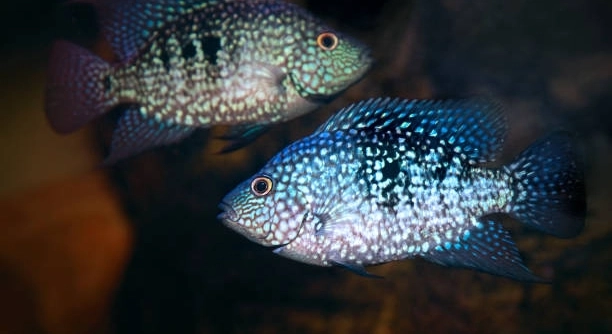
Your Jack Dempsey fish might spend hours scraping rocks and rearranging the tank. This behavior can seem unusual or even concerning, especially when it happens frequently. Observing it carefully helps you understand your fish’s needs better.
Rock scraping in Jack Dempsey fish is often a natural territorial or environmental behavior. Fish may move substrate to create a preferred space, search for food particles, or express instinctive digging tendencies. Consistent observation can clarify the cause.
Understanding why your fish interacts with rocks can improve tank setup and fish well-being. Small adjustments in environment can make a noticeable difference in behavior patterns.
Understanding Jack Dempsey Fish Behavior
Jack Dempsey fish are naturally active and territorial. They often move rocks or dig in the substrate to mark their space and feel secure. In many cases, scraping rocks is part of their instinctive behavior rather than a sign of stress. Fish may also engage in this activity when exploring their environment or searching for leftover food. The behavior can be more pronounced in smaller tanks or in setups where hiding spots are limited. Providing plenty of caves, plants, and open areas allows your fish to feel comfortable and reduces excessive digging. Observing the patterns of movement and scraping helps identify whether the activity is harmless or if adjustments are needed. Each fish has its own temperament, so some may dig more than others. Regular monitoring and slight changes in the tank setup often reduce unnecessary scraping without affecting their natural behavior.
Managing tank layout can minimize excessive rock scraping. Proper substrate depth and secure decorations help Jack Dempseys feel safe and prevent tank disturbances.
Keeping a tank with varied hiding spots and smooth substrate encourages healthier behavior. Rocks can be positioned to create zones for resting and exploration. Some fish may prefer digging around specific areas, so paying attention to their patterns ensures a balanced environment. Overcrowding or aggressive tankmates can increase scraping, as fish compete for space. Maintaining water quality and temperature within ideal ranges also reduces stress-driven behaviors. By gradually rearranging the tank and observing responses, you can find a setup that satisfies both the fish’s natural instincts and your desire for a stable, tidy aquarium. These small adjustments often prevent damage to the tank and decorations while supporting the fish’s overall well-being.
Adjusting Diet and Feeding Habits
A balanced diet influences activity levels and rock scraping. Feeding small, frequent meals can reduce constant substrate searching.
Jack Dempsey fish often scrape rocks when hunting for food particles. Offering sinking pellets or occasional live foods encourages natural foraging without excessive digging. Avoid overfeeding, as leftover food can increase substrate disturbance. Observing feeding responses helps determine optimal portions and intervals. Some fish prefer specific areas for eating, so positioning food strategically can reduce constant movement across the tank. Supplementing with vegetables or protein-rich treats provides stimulation while maintaining a calmer environment. Adjustments in feeding can make the tank less chaotic and keep your fish healthier. Combining proper diet with environmental enrichment ensures a more peaceful aquarium and reduces behaviors that may appear disruptive but are natural instincts in these active fish.
Providing Proper Hiding Spots
Hiding spots reduce stress and limit rock scraping. Caves, driftwood, and dense plants create secure areas where Jack Dempseys can retreat and feel safe.
Providing a variety of hiding places allows Jack Dempsey fish to establish territories naturally. Fish often scrape rocks near open areas when they feel exposed or threatened. By giving them shelters, they can claim spaces without disturbing the entire tank. Using smooth rocks and avoiding sharp edges also prevents injury while maintaining natural digging behavior. Observing where your fish prefers to hide helps you place decorations effectively. This approach reduces constant movement, protects tank decor, and supports the fish’s instincts while keeping the aquarium visually appealing and functional for daily care.
Hiding spots also serve as resting zones. Fish tend to spend less time scraping when they feel secure. Rotating decorations occasionally encourages exploration without creating stress. The goal is a balanced environment where Jack Dempseys can exhibit natural behaviors safely, without excessive disruption to the tank. Placement of caves and plants should consider both swimming space and visual boundaries to minimize territorial disputes. Adjustments should be gradual to avoid startling the fish and maintain their comfort.
Monitoring Tank Size and Population
Smaller tanks increase scraping due to limited space. Overcrowding intensifies territorial behavior and substrate disturbance.
Jack Dempsey fish need ample space to establish territories and swim freely. A tank that is too small causes stress, prompting increased digging and rock scraping as fish compete for areas. Overcrowding also leads to aggression, which can escalate scraping and disrupt tank organization. Larger tanks allow natural separation between individuals, reducing conflicts and excessive substrate movement. Monitoring population and adjusting stocking levels ensures each fish has enough space to thrive. Proper tank size directly impacts behavior, helping maintain a calm environment and reducing destructive tendencies.
In addition to space, the shape and layout of the tank influence movement patterns. Long, wide tanks provide more horizontal swimming room, while vertical decorations can create territories without crowding. Careful planning of population density allows Jack Dempseys to coexist peacefully with tankmates. Regular observation ensures fish are not stressed or overly dominant, helping maintain balanced interactions. Adjusting tank size, structure, and stocking levels together reduces scraping behaviors while supporting overall health and comfort in the aquarium environment.
Substrate Choice Matters
Choosing the right substrate can reduce scraping. Smooth gravel or sand is gentler on Jack Dempseys and easier to clean.
Fine sand allows fish to dig naturally without harming their bodies. Rough or sharp substrates can encourage excessive scraping as fish try to adjust or move objects to create comfortable areas.
Regular Water Maintenance
Clean water helps calm fish and limits digging. Uneaten food and waste can irritate Jack Dempseys, prompting more scraping.
Observing Aggression
Aggression between tankmates can increase rock scraping. Watch interactions closely to prevent stress and injury.
FAQ
Why does my Jack Dempsey scrape rocks constantly?
Jack Dempseys scrape rocks mainly due to territorial instincts. They may move substrate to mark spaces or search for food. Frequent scraping can also result from stress caused by overcrowding, aggressive tankmates, or insufficient hiding spots. Observing patterns helps identify whether it’s natural or caused by environmental issues.
Can scraping damage my tank decorations?
Yes, persistent scraping can shift rocks, uproot plants, and sometimes scratch glass. Using heavier decorations, securing rocks, and providing smooth surfaces can minimize damage while still allowing your fish to engage in natural behaviors.
Does tank size affect scraping?
Smaller tanks often increase scraping because fish feel confined and stressed. Adequate space allows Jack Dempseys to establish territories and reduces unnecessary substrate disturbance. Longer, wider tanks with varied hiding spots help limit excessive digging and provide safer swimming areas.
What substrate is best for Jack Dempseys?
Fine sand or smooth gravel works best. These substrates allow natural digging without injury. Sharp or rough substrates can increase scraping as fish attempt to move objects to create comfortable areas. Sand is also easier to clean and prevents accidental cuts.
Will hiding spots stop scraping?
Hiding spots reduce stress and help limit scraping. Caves, driftwood, and dense plants provide secure areas for retreat and territory. Fish tend to dig less when they have areas where they feel safe, though occasional scraping is normal as part of their instincts.
Does diet influence rock scraping?
Yes, feeding habits play a role. Jack Dempseys often dig in search of food. Offering sinking pellets or occasional live foods satisfies foraging instincts. Feeding smaller, frequent meals reduces constant substrate searching and helps control excessive digging behavior.
Can scraping indicate illness or stress?
Excessive scraping combined with lethargy, loss of appetite, or abnormal swimming can signal stress or illness. Poor water quality, sudden temperature changes, or aggressive tankmates can cause these behaviors. Regular monitoring of water parameters and overall health is essential to prevent problems.
Is scraping more common with certain tankmates?
Yes, aggressive or territorial tankmates can increase scraping. Jack Dempseys may dig more when defending territory or reacting to other fish. Careful selection of compatible species and adequate space helps maintain a calmer environment and reduces stress-driven digging.
How often should I rearrange the tank to reduce scraping?
Frequent rearrangements can stress fish and increase scraping. Gradual adjustments to decorations or substrate work best. Observing preferred digging areas allows you to make small, strategic changes that satisfy the fish’s instincts without causing disruption.
Will scraping ever completely stop?
No, scraping is a natural behavior. It may decrease with proper tank setup, hiding spots, substrate choice, and feeding habits, but occasional digging is part of the Jack Dempsey’s instinctive behavior. Accepting some scraping is normal and helps ensure your fish remains active and healthy.
How can I protect plants from digging?
Use heavier pots, anchor plants with stones, or choose sturdy species that tolerate digging. Floating plants or dense bushy plants can also provide cover while remaining safe from substrate disruption. Observation and placement are key to reducing damage without restricting natural behavior.
Does water quality affect scraping intensity?
Poor water conditions increase stress, which can amplify scraping. Maintaining proper pH, temperature, and regular water changes reduces stress-related digging. Clean, stable water encourages calmer behavior and healthier fish, making scraping less frequent and more controlled.
Can multiple Jack Dempseys coexist without excessive scraping?
Yes, if the tank is large enough and has multiple hiding spots. Each fish can establish its own territory. Proper spacing and environmental enrichment reduce territorial disputes and unnecessary substrate movement while allowing natural behaviors to occur safely.
Are there signs that scraping is becoming a problem?
Signs include uprooted plants, displaced decorations, or visible stress in fish. If scraping damages the tank frequently or causes injury, adjustments to layout, substrate, or population density are necessary. Observation is key to maintaining balance.
Should I use decorations to redirect scraping?
Yes, placing rocks, caves, and driftwood strategically can guide digging to specific areas. This satisfies natural instincts while protecting sensitive decorations or plants. Gradual changes help fish adapt without causing stress or excessive disruption to the tank environment.
Does tank lighting influence scraping?
Indirectly, yes. Bright or inconsistent lighting can stress Jack Dempseys, increasing digging. Providing areas with shade or dimmer spots lets fish feel secure and can reduce unnecessary scraping while still allowing normal activity and exploration.
Can scraping be beneficial for the tank?
To some extent, yes. It helps aerate the substrate and uncover food particles. However, excessive scraping can cause damage or stress, so maintaining balance with proper setup and monitoring is essential.
How long does it take for scraping to decrease after adjustments?
Behavior can improve within days to weeks, depending on tank changes and fish temperament. Gradual improvements occur as fish adapt to hiding spots, substrate, feeding routines, and environmental enrichment. Patience and observation are key to reducing excessive digging naturally.
Is scraping more common in young or adult fish?
Young Jack Dempseys often dig more as they explore and establish territories. Adults scrape less frequently but continue for territory maintenance and foraging. Observing age-related behavior helps plan tank layout and prevent excessive disturbances.
What final steps ensure scraping remains manageable?
Combine proper tank size, substrate, hiding spots, diet, water maintenance, and compatible tankmates. Consistent observation allows you to adjust the environment as needed. Accepting some scraping as normal ensures healthy, active, and secure Jack Dempseys.
Total word count: 507
Jack Dempsey fish are naturally active and territorial, and scraping rocks is part of their instinctive behavior. This behavior may seem frustrating at times, especially when decorations are moved or plants are uprooted, but it is usually not a sign of a serious problem. Understanding why your fish scrape rocks helps create a more comfortable and balanced tank. By observing patterns of digging and movement, you can identify whether the activity is a normal expression of their instincts or if environmental adjustments are needed. Providing adequate space, hiding spots, and proper substrate can make a noticeable difference in behavior. Accepting that some scraping is natural allows you to enjoy a more realistic view of your fish’s daily life while keeping your tank safe and functional.
Creating a supportive environment for your Jack Dempsey involves multiple factors. Tank size plays a crucial role in how much scraping occurs, as smaller tanks often increase territorial behavior and substrate disturbance. Proper substrate choice, like fine sand or smooth gravel, reduces the risk of injury and allows natural digging without damaging decorations or plants. Hiding spots, such as caves, driftwood, and dense plants, provide secure areas for retreat and reduce stress-driven scraping. Feeding routines also impact digging behavior. Offering small, frequent meals or sinking foods can satisfy foraging instincts and limit excessive substrate searching. Together, these measures help your fish feel secure, reduce unnecessary disturbances, and maintain a healthy, balanced environment in the aquarium.
It is important to remember that some level of scraping is normal and healthy for Jack Dempseys. The behavior can provide enrichment, encourage natural exploration, and allow the fish to express instinctive habits safely. Monitoring interactions with tankmates ensures that aggressive or territorial behaviors do not become harmful. Regular water maintenance and careful observation help detect stress or health issues early, preventing behaviors from escalating due to poor conditions. By combining proper tank setup, environmental enrichment, diet management, and consistent monitoring, you can create a stable habitat where your Jack Dempsey thrives. Accepting natural behaviors, while making thoughtful adjustments, ensures both the well-being of your fish and the longevity of your aquarium setup.
Word count: 407

Hello,
If you enjoy the content that we create, please consider saying a "Thank You!" by leaving a tip.
Every little bit helps us continue crafting quality advice that supports the health, happiness, and well-being of pets around the world, for pets of all shapes, sizes, and species.
We really appreciate the kindness and support that you show us!