
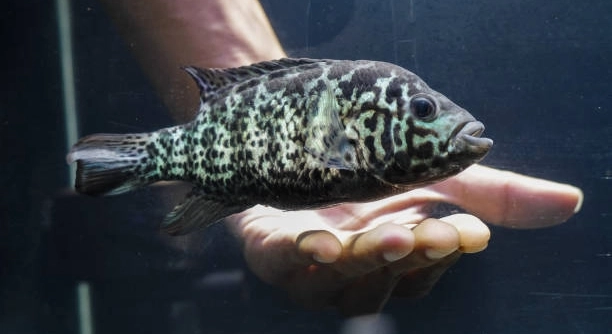
Is your Jack Dempsey fish laying on its side and acting unlike its usual bold self, creating concern about its health, comfort, and aquarium conditions that may be affecting its balance and overall wellbeing today.
The primary reason a Jack Dempsey fish lays on its side is stress or illness, commonly linked to poor water quality, swim bladder dysfunction, injury, or temperature imbalance, all of which disrupt normal buoyancy, muscle control, and energy levels significantly.
Learning why this behavior occurs helps protect your fish, improve tank conditions, and support long-term strength, stability, and recovery success.
Poor Water Conditions and Stress
I noticed that when water conditions decline, Jack Dempsey fish often show it quickly through unusual resting behavior. Ammonia, nitrite, and nitrate buildup irritate gills, reduce oxygen intake, and increase stress. Inconsistent temperature or sudden changes also strain the nervous system. When stress becomes overwhelming, muscle control weakens and balance suffers. Laying on the side is often the result of exhaustion rather than laziness. Poor filtration, infrequent water changes, and overcrowding raise waste levels fast. Even small tanks can become unstable within days. Stress hormones remain elevated, leaving the fish unable to correct its posture. Over time, this constant strain suppresses immune response and slows recovery. Clean, stable water supports buoyancy, breathing, and normal movement. Without it, the fish conserves energy by remaining still, which appears alarming but signals an environment that needs immediate correction. This pattern should never be ignored by any attentive owner watching closely daily at home.
Water testing offers clear insight into hidden stressors affecting posture. Regular changes, reliable heaters, and proper filtration restore balance quickly. I have seen improvement within days once parameters stabilize and oxygen levels increase, allowing the fish to regain strength and controlled movement. Consistency matters more than speed here for recovery.
Stress rarely acts alone, and prolonged exposure often opens the door to physical complications. Fin damage, internal swelling, and fatigue can develop quietly. When a Jack Dempsey struggles to maintain position, energy is diverted from digestion and repair. Appetite commonly drops, leading to further weakness. I always focus on stabilizing the environment before assuming disease. Once stress lowers, the fish often resumes upright swimming on its own. This response helps distinguish environmental problems from medical ones. Observing behavior during feeding and light cycles provides helpful clues. Improvement after adjustments usually confirms stress as the main factor rather than infection alone.
Illness and Swim Bladder Issues
Illness becomes a concern when posture issues persist despite stable water conditions. Swim bladder dysfunction, bacterial infections, or internal injury can interfere with buoyancy control. In these cases, the fish may tilt, sink, or rest sideways while breathing appears labored. This signals deeper physical imbalance that needs attention promptly now.
When internal health is affected, supportive care becomes essential. I approach these situations slowly and carefully to avoid added stress. Isolating the fish in a hospital tank allows close monitoring and controlled treatment. Gentle aeration and stable temperature reduce strain on weakened systems. Swim bladder problems may result from constipation, injury, or infection. Fasting briefly and offering easily digestible foods can help relieve pressure. If bacterial illness is suspected, appropriate medication should be used with precision. Overmedication often worsens outcomes. I have learned that patience matters during recovery. Some Jack Dempsey fish regain balance gradually rather than suddenly. Observing breathing, eye clarity, and fin position helps track progress. Consistent lighting and minimal disturbance support healing. While not every case resolves fully, early intervention improves comfort and function. Addressing symptoms while maintaining water quality gives the fish the best chance to stabilize and regain natural posture over time. Improvement may take weeks, and setbacks can occur without warning. I remind myself that healing is rarely linear. Keeping records of behavior, feeding, and treatments helps guide decisions. This steady approach supports calm care and reduces unnecessary changes, which often stress sensitive fish during fragile recovery periods at home tanks environments overall stability.
Injury and Physical Trauma
Physical injury can cause a Jack Dempsey fish to rest on its side without obvious illness. Aggression, sharp décor, or sudden handling may strain muscles or damage the spine. When movement hurts, the fish limits swimming and chooses stillness to reduce discomfort during recovery periods at home aquariums with care.
I have seen injuries develop quietly after territorial disputes or sudden tank changes. Jack Dempseys are strong but not immune to impact. A forceful collision can affect balance and coordination. Damaged fins or scales may heal quickly, while internal strain lasts longer. The fish may favor one side to avoid pain. Reduced activity often follows. Providing soft hiding spaces and removing sharp objects supports healing. Lighting kept low helps calm behavior. I avoid unnecessary netting during this time. Observation matters more than intervention. As swelling decreases, posture often improves gradually, signaling muscle recovery and renewed confidence over time steadily returning.
Injury related posture issues require patience rather than medication. I focus on stable water and minimal stress. Feeding smaller portions prevents aggressive movement. Protein supports tissue repair, but excess worsens water quality. Tank mates should be separated if aggression persists. I watch for redness, swelling, or refusal to eat. These signs suggest deeper damage. Most minor injuries resolve within weeks. The key is preventing repeated trauma. Once the fish feels safe, upright swimming slowly returns. This change often appears first during feeding, when motivation overcomes discomfort and confidence rebuilds naturally with time, steady care and calm routines daily at home.
Age and Long Term Weakness
Age can influence balance, especially in older Jack Dempsey fish. Muscle tone weakens, reaction time slows, and energy levels drop. I notice resting behavior increase with age, even in clean tanks. Laying on the side may reflect fatigue rather than disease. Recovery from stress also takes longer. Gentle care and consistent routines become increasingly important as the fish matures and monitoring small changes helps maintain comfort and stability long term at home tanks environments daily.
Long term weakness develops gradually and is often overlooked. I have learned to compare behavior over months rather than days. Aging fish rest more and swim less forcefully. Appetite may remain steady while stamina declines. Supporting nutrition becomes essential. I offer high quality foods and avoid overfeeding. Clean water reduces strain on aging organs. Strong currents should be reduced to limit exhaustion. Decorations must allow easy movement. While age cannot be reversed, comfort can be improved. Recognizing normal aging versus illness prevents unnecessary treatment. This approach keeps the fish calm, stable, and able to function within its changing physical limits without forcing intense activity or stressful adjustments, supporting longevity and daily wellbeing in familiar home aquariums with attentive care routines over time consistently maintained gently.
Diet and Digestive Stress
Improper diet can affect balance and energy levels in Jack Dempsey fish over time. Overfeeding, poor quality food, or lack of variety may lead to digestive stress. This strain can press on internal organs, making swimming uncomfortable and causing the fish to rest sideways during long periods of daily inactivity.
I pay close attention to feeding routines when posture changes appear. Heavy meals can worsen pressure inside the body. Offering smaller portions and sinking foods helps digestion. Consistent feeding times reduce stress. Once digestion improves, many fish regain strength and begin swimming upright again with steadier movement over following days.
Tank Setup and Environmental Layout
Tank setup plays a major role in how a Jack Dempsey moves and rests. Slippery substrates, strong currents, or poor layout force the fish to work harder to stay balanced. I have found that excessive flow leads to fatigue quickly. Decorations placed too tightly restrict turning space. Providing open swimming areas and secure resting spots helps posture. Moderate water flow supports natural movement without constant resistance. Substrate that allows stable contact reduces slipping. When the environment supports natural behavior, the fish expends less energy and maintains upright swimming more easily. Small adjustments often bring noticeable improvement within a short period.
Lighting and Daily Rhythm
Lighting and daily activity cycles also influence resting behavior. Sudden light changes can disorient fish and increase stress. I keep lighting consistent and avoid abrupt shifts. Predictable day and night patterns allow better rest, stronger orientation, and improved balance during active hours which supports overall stability and calmer behavior daily.
FAQ
Why is my Jack Dempsey fish suddenly laying on its side?
This usually points to stress, illness, or environmental issues. Poor water quality, temperature fluctuations, or overcrowding can weaken balance. Illnesses like swim bladder problems, infections, or internal injuries may also cause the fish to tilt. Observing appetite, breathing, and activity can help identify the source.
Can diet cause my Jack Dempsey to lie on its side?
Yes. Overfeeding, constipation, or low-quality food can create internal pressure that affects buoyancy. I feed smaller, high-quality portions and occasionally fast the fish to allow digestion. Sinking pellets or softened foods reduce strain and help restore normal swimming posture gradually.
How do I know if it’s a swim bladder issue?
A swim bladder problem is usually visible through unbalanced swimming, tilting, or floating sideways. The fish may struggle to rise or sink properly. Pausing feeding for a short period and providing easily digestible food often helps. Persistent imbalance, swelling, or labored breathing may require veterinary attention.
Can tank mates cause this behavior?
Yes. Aggressive tank mates may injure your Jack Dempsey or stress it, leading to resting on its side. I sometimes isolate injured or stressed fish in a quiet hospital tank to allow recovery without harassment. Reducing aggression prevents repeated injuries and helps the fish regain strength safely.
How important is water quality?
Water quality is critical. Ammonia, nitrite, and nitrate buildup, along with low oxygen levels, can weaken the fish and impair muscle control. I test water regularly and perform consistent changes to maintain safe levels. Stable temperature and filtration improve posture and overall activity naturally over time.
Can aging cause resting behavior?
Yes. Older Jack Dempseys lose muscle tone and stamina. I notice they rest more often and recover slowly from stress. Gentle care, consistent feeding, and calm surroundings support comfort. While aging can’t be reversed, careful management helps maintain strength and upright swimming for longer periods.
Should I medicate my fish if it lays on its side?
Not immediately. I only medicate when illness is confirmed or symptoms worsen. Overmedication can stress the fish further. First, I address water quality, diet, and tank conditions. If signs like redness, swelling, or labored breathing persist, targeted treatment under proper guidance is safer and more effective.
How can I improve its environment?
Ensure there is space for free swimming and areas to rest safely. I remove sharp decorations, reduce strong currents, and maintain consistent lighting. This reduces stress, prevents injury, and supports better balance. Simple layout changes often yield quick improvements in swimming posture and overall activity.
Is this behavior reversible?
In most cases, yes. Once stress, environmental issues, or minor injuries are addressed, the fish often regains upright swimming. Recovery depends on the cause and severity. I track behavior daily, provide proper nutrition, and maintain stable conditions. Patience and careful observation are key to seeing improvement.
When should I seek professional help?
If symptoms persist despite optimal conditions, if swelling or abnormal breathing occurs, or if the fish refuses food, professional advice is necessary. I have learned that early intervention can prevent complications. A veterinarian or aquatic specialist can provide diagnosis and treatment for issues beyond routine care.
How long does it take for recovery?
Recovery varies. Minor stress or digestive issues may resolve in days, while injuries or swim bladder problems may take weeks. I monitor daily, adjusting care as needed. Consistency in feeding, water quality, and tank environment supports steady improvement. Patience is crucial for full recovery and regaining normal swimming patterns.
Can I prevent this behavior in the future?
Yes. Regular water maintenance, proper feeding routines, calm tank mates, and safe decorations reduce stress and injury risk. I keep routines predictable, observe behavior closely, and avoid sudden changes in temperature or lighting. Prevention ensures your Jack Dempsey remains active, balanced, and healthy long term.
Final Thoughts
Observing a Jack Dempsey fish laying on its side can feel alarming, but it is often a signal that something in its environment or routine needs attention. Fish are sensitive to changes in water quality, temperature, diet, and tank layout, and even minor issues can affect balance and energy levels. Stress, poor water conditions, or digestive problems are common reasons for this behavior, while age or minor injuries can also play a role. Recognizing these factors early allows for timely adjustments that support recovery and prevent more serious complications. In my experience, keeping a close eye on daily behavior, feeding habits, and swimming patterns provides valuable insight into the fish’s health and overall comfort. Simple actions like checking water parameters, maintaining a stable temperature, and offering high-quality food can make a noticeable difference. Providing a calm, predictable environment also reduces unnecessary strain, allowing the fish to regain strength naturally over time.
Patience and careful observation are essential when addressing this behavior. It is important to resist rushing to medication or dramatic interventions unless illness or infection is confirmed. Many cases resolve once environmental and dietary factors are improved. I have seen Jack Dempsey fish recover gradually when water quality is stabilized, the tank layout supports free movement, and stress from tank mates or excessive handling is minimized. Even age-related weakness or minor injuries can improve with consistent care and attention. During this period, monitoring activity, appetite, and posture helps track progress and adjust care as needed. Recovery is rarely instant, and setbacks may occur, so steady, calm management is key. Maintaining an organized routine, regular water testing, and careful feeding schedules provides stability that directly contributes to the fish’s ability to swim upright and regain confidence in its environment.
Understanding the causes and responses to this behavior ensures better long-term care and overall wellbeing for a Jack Dempsey fish. Each fish responds differently, and observing patterns over time is more helpful than reacting to isolated incidents. I have found that simple adjustments—like improving water quality, offering digestible food, reducing aggressive tank interactions, and creating safe resting areas—often produce the most significant improvements. Consistency in daily routines, attention to environmental details, and gentle care help prevent recurring problems and support the fish’s health as it ages. By maintaining these practices, the fish can recover its natural posture, swim actively, and maintain energy levels. Caring for a Jack Dempsey fish requires attention, patience, and understanding of its behavior, but the results are rewarding. A balanced environment, proper nutrition, and careful monitoring allow the fish to thrive, minimizing stress and ensuring stability and comfort in its home tank.

Hello,
If you enjoy the content that we create, please consider saying a "Thank You!" by leaving a tip.
Every little bit helps us continue crafting quality advice that supports the health, happiness, and well-being of pets around the world, for pets of all shapes, sizes, and species.
We really appreciate the kindness and support that you show us!