
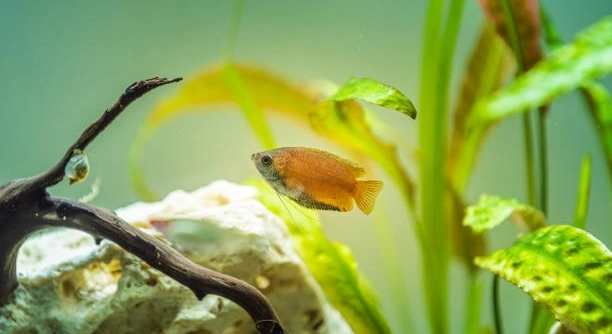
Are your gouramis spending more time resting than swimming in their tanks lately? Observing this change can feel concerning for any aquarist who cares about the health and daily activity of their fish.
Increased sleep in gouramis is often linked to environmental factors, stress, illness, or dietary changes. Adjusting water quality, tank conditions, and feeding routines can help regulate their activity levels and promote healthier patterns.
Understanding the reasons behind this behavior can improve your fish’s well-being and help maintain a balanced, thriving aquarium environment.
Understanding Gourami Sleep Patterns
Gouramis naturally have periods of rest, often slowing their movement and hiding among plants or decorations. Observing their patterns is important because it helps distinguish normal sleep from signs of distress. Factors such as light cycles, tank size, and water temperature can influence their activity. For example, sudden changes in lighting or irregular day-night cycles may lead to extended rest periods. Stress from overcrowding or incompatible tank mates can also make gouramis less active. Paying attention to behavior during feeding and movement around the tank provides insight into their health. Maintaining a calm environment with stable conditions often encourages a more regular activity rhythm.
Monitoring sleep behavior allows for early detection of potential issues. Subtle shifts in patterns may indicate stress, illness, or environmental changes affecting your fish.
Keeping a consistent schedule with gentle lighting transitions, adequate hiding spots, and stable water conditions supports natural sleep cycles. Adjusting feeding times and monitoring tank mates’ interactions helps maintain balance. If extended inactivity persists, checking water parameters and observing for disease symptoms ensures timely intervention. Regular observation improves overall health and promotes a calm, active tank environment.
Environmental Factors Affecting Activity
Water quality is critical for gouramis’ well-being. Poor conditions can make them lethargic.
Stable temperature, clean water, and balanced pH levels significantly impact energy levels. Sudden changes in water chemistry can stress your fish, causing them to rest more than usual. Maintaining filtration and regular water changes helps prevent toxins from building up, which directly supports activity. Decorations, plants, and hiding spaces reduce stress and create a secure environment. Even minor fluctuations in lighting or tank placement can affect sleep patterns. Observing how your gouramis respond to these factors allows for timely adjustments. Proper tank setup is essential for their natural behavior.
Consistent environmental care ensures gouramis remain healthy and active. A well-maintained tank prevents stress-related inactivity. Paying attention to water chemistry, temperature stability, and adequate oxygenation fosters a balanced environment. Adjusting tank layout with plants and hiding spots creates comfort while supporting natural swimming habits. Avoid overcrowding and ensure compatible tank mates to reduce stress-induced resting. Regularly monitoring behavior helps detect early signs of illness or stress. Simple maintenance practices, such as routine water changes, careful feeding, and monitoring pH, contribute to long-term health. Understanding environmental influence on activity enables aquarists to provide optimal care and promote healthy sleep patterns, ensuring gouramis thrive in a stable, secure setting.
Dietary Influences on Gourami Rest
Feeding habits directly affect gourami activity. Overfeeding or underfeeding can lead to lethargy, making them rest more than usual.
A balanced diet is essential for maintaining energy levels. Gouramis require a mix of high-quality flakes, pellets, and occasional live or frozen foods. Overfeeding can cause digestive issues, bloating, and reduced activity. Conversely, insufficient nutrition leads to weakness and extended rest periods. Monitoring portion sizes and feeding frequency ensures your gouramis receive proper nutrition. Rotating food types and providing occasional treats supports natural behavior. A consistent feeding routine reinforces energy patterns and reduces stress-related inactivity.
Quality food and regular feeding times help maintain stable activity. Avoiding sudden diet changes and providing a varied menu prevents boredom and health issues. Observing how your gouramis respond to different foods allows adjustments to meet their needs. Ensuring proper nutrition promotes active swimming, normal rest cycles, and overall vitality, contributing to a healthier and more responsive aquarium community.
Health Issues That Cause Excessive Sleep
Illness can make gouramis appear unusually inactive, and early detection is key.
Common health problems include bacterial infections, parasites, and swim bladder disorders. These conditions often reduce energy levels and cause extended periods of rest. Observing behavior like reduced feeding, unusual swimming patterns, or changes in color helps identify potential issues. Prompt action, including water testing and treatment, can prevent worsening conditions. Stress from tank mates or poor environment may exacerbate health problems. Maintaining cleanliness, stable water parameters, and a suitable diet supports the immune system.
Preventive care is critical to avoid inactivity caused by illness. Quarantining new fish, monitoring water quality, and watching for early symptoms help maintain a healthy tank. Treatment may involve medicated foods or water treatments depending on the condition. Addressing minor signs quickly prevents serious complications. Supporting immunity through optimal diet, low stress, and environmental stability ensures gouramis recover more effectively. Regular observation allows early identification of illness, keeping your fish active and maintaining the balance of the aquarium ecosystem.
Stress and Its Impact on Sleep
Stress in gouramis can result from overcrowding, aggressive tank mates, or sudden environmental changes. Increased resting is often a response to feeling unsafe.
Minimizing stress involves providing adequate space, compatible companions, and consistent conditions. Hiding spots and gentle lighting help gouramis feel secure, encouraging normal activity levels.
Water Temperature and Activity Levels
Water temperature directly affects metabolism and energy. Cooler temperatures slow activity, leading to extended rest, while warmer water boosts movement and alertness. Maintaining stable, species-appropriate temperatures is essential for healthy behavior and predictable sleep patterns.
Light Cycles and Rest Patterns
Gouramis rely on regular light-dark cycles to regulate sleep. Irregular lighting can confuse their internal rhythm, causing them to rest more or at unusual times. Consistent lighting schedules support natural behavior and overall health.
Tank Size Considerations
A small or overcrowded tank can limit movement, causing gouramis to rest more. Adequate space is necessary for exercise, comfort, and reducing stress.
FAQ
Why is my gourami sleeping more than usual?
Gouramis often sleep more due to environmental changes, stress, illness, or dietary issues. Sudden shifts in lighting, water temperature, or tank layout can make them less active. Stress from aggressive or overcrowded tank mates may also cause extended rest periods. Monitoring behavior and adjusting conditions helps restore normal activity.
How can I tell if my gourami is sick or just resting?
Signs of illness include reduced appetite, unusual swimming patterns, faded colors, or labored breathing. Healthy rest involves normal positioning, occasional movement, and responsiveness to surroundings. Observing feeding behavior and overall activity over several days provides a clearer picture of their health status.
Can diet affect how much my gourami sleeps?
Yes, diet plays a significant role in energy levels. Overfeeding can cause digestive discomfort and lethargy, while underfeeding leads to weakness and extended resting. Providing balanced food, including high-quality flakes, pellets, and occasional live or frozen foods, ensures proper nutrition and supports normal activity.
Does water quality influence my gourami’s rest?
Poor water quality often leads to lethargy. High ammonia, nitrite, or nitrate levels, sudden pH changes, or low oxygen can stress gouramis, increasing rest. Regular testing, water changes, and proper filtration are essential to maintain stable conditions and promote active behavior.
How does tank size impact sleep patterns?
Small or overcrowded tanks limit movement and increase stress, causing gouramis to rest more. A larger tank with enough swimming space and hiding spots encourages natural activity, reduces stress, and supports a healthy sleep cycle.
Can lighting affect my gourami’s sleep?
Yes, irregular light cycles can confuse gouramis’ internal rhythms, leading to extended or irregular rest periods. Consistent lighting that mimics natural day-night cycles helps regulate activity and sleep, keeping them healthy and alert.
Is stress from other fish a reason my gourami sleeps more?
Stress from aggressive tank mates or overcrowding can make gouramis less active. Providing compatible companions, adequate space, and safe hiding spots reduces stress and encourages normal swimming behavior.
How long should a gourami sleep each day?
Gouramis typically rest several hours daily, often during darker periods. Extended rest may indicate environmental or health issues. Monitoring behavior, water quality, and diet helps ensure sleep remains within a normal range.
Can temperature changes affect my gourami’s activity?
Yes, temperature directly impacts metabolism. Cooler water slows activity, causing more rest, while warmer water increases energy. Maintaining a stable, species-appropriate temperature is crucial for normal behavior and healthy sleep cycles.
What should I do if my gourami continues sleeping excessively?
Check water quality, tank conditions, diet, and possible stress factors. Observe for signs of illness and consider consulting a veterinarian specializing in fish if inactivity persists. Timely adjustments and monitoring support recovery and overall well-being.
How can I improve my gourami’s energy and activity?
Provide a stable environment, balanced diet, regular light cycles, sufficient space, and compatible tank mates. Consistent maintenance and careful observation help maintain healthy energy levels and natural rest patterns.
Are older gouramis more likely to sleep more?
Yes, aging gouramis may naturally become less active and sleep longer. However, sudden increases in rest in younger fish should be checked for environmental or health causes. Monitoring overall behavior ensures changes are not due to stress or illness.
Does hiding behavior always mean my gourami is sick?
Not always. Gouramis naturally seek shelter during rest or when stressed. Frequent hiding combined with other symptoms like loss of appetite or unusual swimming may indicate illness, requiring closer observation.
Can changing the tank layout affect sleep?
Yes, rearranging decorations or plants can temporarily increase resting as gouramis adjust. Gradual changes help reduce stress, while providing stable hiding spots and familiar areas encourages normal activity.
How often should I monitor my gourami’s behavior?
Daily observation is ideal. Monitoring feeding habits, swimming patterns, and rest periods allows early detection of stress, illness, or environmental issues, supporting timely intervention and healthier fish overall.
Can adding plants help reduce excessive sleep?
Yes, live or artificial plants provide hiding spots and reduce stress, making gouramis feel secure. Feeling safe encourages more natural swimming and balanced rest periods, improving overall well-being in the tank.
Is occasional extended sleep normal?
Occasional longer rest periods can be normal, especially after active feeding or environmental changes. Consistent patterns, however, should be maintained. Persistent excessive sleep may indicate a problem requiring attention.
How do I know if my gourami’s sleep pattern is healthy?
Healthy sleep involves regular rest periods, responsiveness to surroundings, normal feeding behavior, and active swimming between rest. Monitoring patterns over time ensures sleep remains within a natural range and indicates overall well-being.
Can stress from water changes make my gourami sleep more?
Yes, sudden water changes or adjustments in temperature, pH, or hardness can stress gouramis. Performing gradual changes and maintaining stable conditions minimizes disruption to their activity and sleep cycles.
What is the best way to encourage normal activity?
Stable environment, balanced diet, compatible tank mates, adequate space, hiding spots, and consistent light cycles all support natural behavior. Regular observation and small adjustments help maintain healthy activity levels and normal sleep patterns.
Gouramis are naturally sensitive fish, and observing their behavior closely is important for maintaining their health. Extended periods of rest are often a sign that something in their environment, diet, or health may need attention. Many factors can influence sleep patterns, including water quality, tank size, temperature, diet, and the presence of other fish. Small changes in any of these areas can cause noticeable differences in activity levels. Paying attention to these signals allows you to address potential problems early and create a more stable, comfortable environment for your fish. Regular monitoring of your gourami’s behavior helps you distinguish between normal resting patterns and signs that may require intervention.
Maintaining a consistent routine in your aquarium plays a major role in supporting healthy behavior. Stable water parameters, proper filtration, and a balanced diet all contribute to maintaining energy levels. Providing sufficient hiding spots and ensuring tank mates are compatible helps reduce stress, which can otherwise lead to excessive rest. Light cycles that mimic natural day and night rhythms also encourage regular sleep patterns. Even small adjustments, such as rearranging decorations gradually or introducing plants, can improve the comfort of the tank and encourage normal activity. By observing and responding to these environmental and dietary factors, you can help your gouramis maintain a predictable and healthy sleep schedule.
Understanding the reasons behind increased sleep in gouramis allows for better care and a more balanced tank ecosystem. Health issues, stress, or dietary problems often manifest as extended resting, but they can usually be addressed with careful observation and adjustment. Creating a stable and safe environment, providing proper nutrition, and maintaining water quality are key to promoting active and healthy fish. Regular observation, combined with preventive measures like gradual water changes and monitoring for signs of illness, ensures your gouramis remain energetic and thrive in their tank. Being attentive to these details not only supports their overall well-being but also enhances your experience as a caretaker, creating a calm, balanced, and healthy aquatic environment for your gouramis to live comfortably.

Hello,
If you enjoy the content that we create, please consider saying a "Thank You!" by leaving a tip.
Every little bit helps us continue crafting quality advice that supports the health, happiness, and well-being of pets around the world, for pets of all shapes, sizes, and species.
We really appreciate the kindness and support that you show us!