
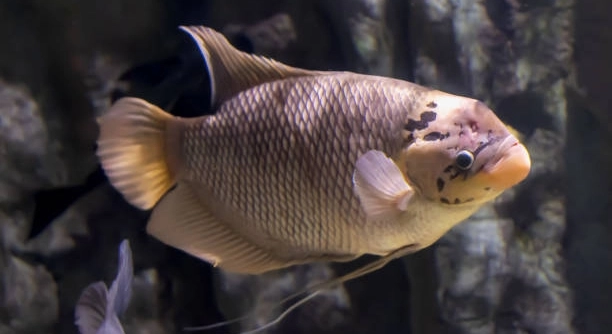
Gouramis are colorful and peaceful fish, often kept in home aquariums. They enjoy exploring their environment and interacting with objects, including decorations and equipment like thermometers. Their curious nature can sometimes lead to unexpected behaviors.
Gouramis may attack a thermometer primarily due to territorial instincts or stress. They can perceive the thermometer as a foreign object invading their space, prompting them to nip, push, or attack it. Ensuring proper placement and environment can reduce this behavior.
Observing these interactions can reveal more about your gourami’s habits and help maintain a calm, healthy aquarium environment.
Understanding Gourami Behavior
Gouramis are naturally curious fish. They explore their tanks by inspecting decorations, plants, and equipment. A thermometer is often shiny or reflective, which can catch their attention. Sometimes, they mistake it for another fish or a threat. This behavior is more common in male gouramis, who are territorial. They defend their space vigorously, especially during breeding periods or when the tank feels crowded. Stress can also trigger attacks. Poor water conditions, lack of hiding spots, or sudden changes in lighting may increase aggression. Observing your gourami closely helps identify triggers. By adjusting the environment, such as adding plants or repositioning objects, you can reduce attacks. Interacting with the tank regularly also familiarizes them with equipment, making them less likely to react aggressively. Over time, your gourami learns that the thermometer is harmless, resulting in calmer behavior. Understanding these habits makes tank management smoother and enhances the fish’s overall well-being.
Placing the thermometer in a low-traffic area of the tank helps minimize attacks and stress. Proper positioning ensures your gourami feels secure.
Watching how your gourami explores can be fascinating. Their movements reveal moods and preferences, giving insight into maintaining a peaceful environment in the tank.
Preventing Thermometer Attacks
Keeping gouramis from attacking a thermometer starts with careful placement. Avoid areas near feeding spots or territories they claim. A thermometer behind plants or decorations is less likely to draw attention.
Adjusting the tank layout can help significantly. Introducing more hiding spaces, like caves or dense plants, gives your gourami options for retreat, reducing territorial aggression. Avoid overcrowding the tank, as limited space can increase stress and hostility. Regular water changes maintain a stable environment, preventing sudden shifts that trigger aggressive responses. Observing feeding patterns is also important. If the thermometer is near food, gouramis may associate it with competition, prompting nips or pushes. Gradually familiarizing them with new equipment by placing it in view without immediate interaction can help. Consistency in lighting and routine reduces surprise reactions, making the thermometer less interesting as a perceived threat. Combining environmental enrichment, careful placement, and routine care minimizes attacks, allowing you to monitor water conditions effectively without disturbing your fish’s comfort or safety.
Signs Your Gourami Is Stressed
Stress in gouramis often shows through unusual behavior. Constant nipping at objects, hiding more than usual, or chasing tank mates can indicate discomfort. Changes in color or appetite also signal stress.
Stress can come from several factors. Poor water quality, sudden temperature changes, or overcrowded tanks make gouramis uneasy. They may see a thermometer as an unfamiliar object, adding to their anxiety. Even minor disturbances, like tapping the glass or rearranging decorations, can heighten stress. Providing a calm environment, stable water conditions, and enough space helps your gourami feel secure, reducing aggressive interactions with tank objects.
Recognizing early stress signs is key. When your gourami frequently attacks a thermometer, it is often a sign that adjustments are needed. Adding hiding spots, plants, or rearranging objects can help. Observing behavior patterns over time also helps identify triggers. Stress management improves not only their comfort but also overall health and lifespan. Small changes make a significant difference in calming territorial tendencies and maintaining peace in the tank.
Choosing the Right Thermometer
Placement of the thermometer affects how your gourami reacts. Keep it away from areas where they swim or feed regularly to reduce attention. Dense plants or decorations nearby can make it less noticeable.
Selecting a thermometer that blends with the tank environment can prevent attacks. Slim, non-reflective thermometers or digital options are less likely to trigger aggression. Avoid shiny or brightly colored devices that draw attention. Regularly checking water parameters without sudden movements helps your gourami feel safe. Some gouramis may need time to adjust; consistent placement and minimal disturbance reduce stress. Observation helps determine the safest spot in the tank for monitoring temperatures.
Proper placement is only part of the solution. The thermometer should be easy to read while staying out of the gourami’s main territory. Combining a discreet device with a well-arranged tank creates a calm environment. Avoid overcrowding and maintain stable water conditions to further reduce aggressive behavior. Over time, your gourami will learn to ignore the thermometer, allowing accurate monitoring without constant attacks or stress. Careful selection, positioning, and observation work together to maintain both fish comfort and effective tank management.
Reducing Aggression
Consistent feeding schedules help gouramis feel secure. When they know when and where food appears, they are less likely to attack objects like thermometers.
Adding plants and decorations creates natural barriers. These reduce territorial disputes and make the thermometer less noticeable, calming your gourami.
Using Tank Accessories
Floating logs, caves, and dense foliage give gouramis hiding spots. They can explore safely without fixating on the thermometer. Well-placed accessories reduce stress and promote natural behavior, keeping them occupied.
Monitoring Water Conditions
Regular water checks prevent sudden changes that may trigger aggression. Stable temperature, pH, and cleanliness keep gouramis calm.
FAQ
Why does my gourami keep attacking the thermometer even after I moved it?
Gouramis are creatures of habit and can take time to adjust to new objects in their tank. Even if the thermometer is repositioned, your fish may still see it as a foreign intruder. Persistent attention often decreases over days or weeks with consistent placement and minimal disturbances.
Can stress make a gourami more aggressive toward objects?
Yes, stress significantly influences behavior. Poor water quality, sudden temperature shifts, overcrowding, and lack of hiding spots make gouramis feel threatened. Under stress, they may nip at anything in their territory, including thermometers, decorations, or even tank glass. Reducing stressors improves their behavior quickly.
Do male gouramis attack more than females?
Male gouramis tend to be more territorial, especially during breeding periods. They defend their space vigorously, which can include attacking unfamiliar objects. Female gouramis are usually less aggressive, though individual temperament and tank conditions still play a role in behavior.
Will my gourami harm itself by attacking the thermometer?
Frequent nipping or bumping rarely causes serious harm if the thermometer is smooth and securely fixed. However, rough surfaces, sharp edges, or broken equipment could injure your fish. Always inspect aquarium tools to prevent accidental damage.
Does the type of thermometer matter?
Yes, selecting the right thermometer can reduce attacks. Slim, non-reflective, or digital thermometers are less likely to attract attention. Avoid bright colors or reflective surfaces that might be mistaken for rivals or prey. Placement also plays a key role in minimizing interest.
How long does it take for a gourami to stop attacking a thermometer?
Adjustment varies with each fish. Some gouramis may lose interest within days, while others take weeks. Consistent tank conditions, stable routines, and minimal disturbance help them learn the thermometer is harmless. Patience is essential for reducing aggression.
Can adding plants really help with aggression?
Yes, plants create barriers and hiding spots. Gouramis feel safer with natural cover, which reduces territorial behavior. Dense foliage or decorations make the thermometer less noticeable and distract the fish, promoting calm interactions with their environment.
Is overcrowding a reason for attacking behavior?
Overcrowding increases stress and territorial disputes. When space is limited, gouramis feel pressured to defend their areas more aggressively. Ensuring adequate tank size and proper stocking helps reduce conflicts with both tank mates and objects like thermometers.
Does feeding influence how gouramis react to equipment?
Feeding routines impact behavior. Gouramis that are well-fed on a consistent schedule are less likely to attack nearby objects. If a thermometer is near feeding spots, they may associate it with competition and react aggressively. Adjust placement to avoid overlap with feeding areas.
Should I use multiple thermometers to prevent attacks?
Using multiple thermometers can sometimes help by reducing focus on one device, but only if they are placed thoughtfully. Ensure they are unobtrusive, blend with the environment, and do not crowd swimming space. The goal is distraction and comfort, not more objects to provoke aggression.
Can water quality affect aggression toward thermometers?
Absolutely. Dirty water or fluctuating parameters increase stress, making gouramis more defensive. Regular water changes, proper filtration, and monitoring temperature and pH levels keep fish calm and less likely to attack equipment unnecessarily.
Is it normal for gouramis to be curious about new objects?
Yes, curiosity is natural. Gouramis explore by nipping or nudging unfamiliar items. Attacking the thermometer is often a combination of curiosity and territorial instinct. Over time, repeated exposure without threat usually reduces this behavior naturally.
Are there signs my gourami is too stressed from attacking objects?
Watch for lethargy, loss of appetite, faded colors, or excessive hiding. These are signals that stress is affecting their health. Addressing tank conditions, environment, and equipment placement can improve both behavior and well-being.
Can rearranging the tank help stop attacks?
Yes, careful rearrangement can redirect attention. Moving plants, adding hiding spots, or adjusting decorations helps gouramis feel secure. However, sudden drastic changes may increase stress, so gradual adjustments work best to prevent aggression.
Does the thermometer type influence curiosity levels?
Yes, reflective, shiny, or bright thermometers attract more attention. Non-reflective, slim, or digital thermometers are less stimulating, reducing attacks. The device’s design, color, and placement all play a role in how your gourami perceives it.
Is male gourami aggression seasonal?
Aggression peaks during breeding periods, which vary by species and conditions. Males become highly territorial and may attack objects within their perceived space. Outside breeding times, aggression usually lessens but individual temperament still matters.
How can I safely introduce new equipment to the tank?
Introduce new items gradually. Place them in the tank without immediate interaction to let gouramis observe from a distance. Consistent placement and minimal disruption help fish accept new equipment without stress or attacks.
Will aggressive behavior toward thermometers affect other tank mates?
Yes, aggression can spill over. Territorial behavior may extend to other fish, especially in confined tanks. Reducing focus on the thermometer through hiding spots and careful placement prevents conflicts and keeps all tank inhabitants calmer.
How do I know if my gourami is simply curious or stressed?
Curiosity is usually brief and exploratory, while stress leads to repeated attacks, hiding, or color changes. Monitoring patterns over time helps distinguish the cause and allows for appropriate adjustments in the tank setup and environment.
Can temperature fluctuations trigger thermometer attacks?
Yes, sudden changes in water temperature make gouramis feel threatened. They may attack the thermometer as a reaction to the unfamiliar condition. Keeping temperature stable reduces stress and decreases aggressive behavior toward equipment.
Do gouramis ever stop being aggressive toward equipment completely?
Many gouramis eventually lose interest in harmless objects. Patience, consistent routines, environmental enrichment, and proper placement usually result in calm behavior. Some fish may retain mild curiosity but rarely cause harm once they understand the object poses no threat.
Final Thoughts
Gouramis are beautiful and interesting fish, but they can be unpredictable when it comes to interacting with objects in their tank. Attacking a thermometer is often a natural response rooted in curiosity and territorial instincts. It is not usually a sign of illness or extreme aggression, but it does indicate that the fish is noticing and reacting to something unfamiliar in its environment. Understanding why your gourami behaves this way is the first step in reducing stress for both the fish and the tank owner. Observing behavior carefully allows you to identify triggers and make adjustments that encourage calm, healthy interactions. Small changes, like moving the thermometer slightly or adding hiding spots, can make a noticeable difference.
Maintaining a stable and comfortable tank environment is essential for minimizing aggressive behaviors. Water quality, temperature stability, and appropriate tank size all contribute to your gourami’s sense of security. Overcrowding and sudden changes in lighting or decorations can heighten stress, causing more frequent attacks on the thermometer or other objects. Adding plants, decorations, and caves provides natural boundaries and retreat areas, helping your gourami feel safe. Consistent feeding routines also contribute to calm behavior, as the fish can predict when and where food will appear, reducing territorial tension. By observing patterns and responding with thoughtful adjustments, you can create an environment where your gourami explores without feeling threatened, leading to a calmer and more enjoyable tank.
Patience is important when helping your gourami adjust. Some fish take longer than others to stop fixating on a thermometer, and repeated exposure without threat usually results in reduced interest. Choosing the right type of thermometer, placing it carefully, and keeping the tank clean and well-maintained all support this process. Even when a gourami continues to show mild curiosity, it is generally harmless if the equipment is safe and smooth. Over time, most gouramis learn to coexist with thermometers and other devices without aggressive behavior. Understanding their instincts and responding thoughtfully allows you to maintain a healthy tank, reduce stress for your fish, and enjoy watching them thrive in a balanced, peaceful environment.

Hello,
If you enjoy the content that we create, please consider saying a "Thank You!" by leaving a tip.
Every little bit helps us continue crafting quality advice that supports the health, happiness, and well-being of pets around the world, for pets of all shapes, sizes, and species.
We really appreciate the kindness and support that you show us!