
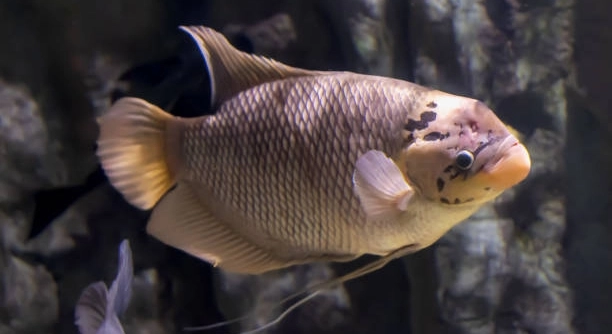
Many aquarists enjoy watching their gourami gracefully swim around the tank. Sometimes, however, these fish spend most of their time near the surface, catching attention and raising concern about their well-being and environment.
The primary reason your gourami hovers at the top is low oxygen levels or poor water quality. Gouramis instinctively move upward to access higher oxygen concentrations, ensuring their survival, and this behavior can also signal stress or illness that requires attention.
Observing this pattern in your fish can provide valuable insights into the tank’s overall health and help prevent long-term problems.
Understanding Oxygen Levels in Your Tank
Gouramis rely heavily on oxygen to thrive, and when oxygen levels drop, they instinctively move toward the surface where air exchange is more efficient. Tanks with poor circulation or overcrowded conditions can lead to insufficient oxygen, causing the fish to hover near the top. Temperature also plays a role, as warmer water holds less oxygen, making it harder for fish to breathe comfortably. Regular water changes, proper aeration, and avoiding overstocking can significantly improve oxygen availability. Observing your gourami’s breathing patterns, such as rapid gill movement or frequent surface visits, can indicate when oxygen levels are too low. By maintaining steady oxygen levels, you create an environment where your fish can swim freely throughout the tank. Even small adjustments like adding an air stone or adjusting filter flow can prevent this behavior and reduce stress, contributing to better overall health and activity. Monitoring these factors is crucial for long-term well-being.
Low oxygen often makes gouramis hover near the surface more frequently. This is a clear signal to improve tank aeration and water movement.
Ensuring proper oxygen levels is more than just preventing surface hovering. Healthy oxygen distribution supports metabolic functions, encourages natural swimming behaviors, and strengthens the immune system. Poor oxygen can lead to stress, making fish more vulnerable to infections and diseases. Aeration devices, careful stocking, and temperature control are essential tools. Regularly testing oxygen levels and observing fish behavior helps maintain a stable and healthy environment, reducing long-term complications and improving overall vitality.
Water Quality and Its Impact
Dirty or unbalanced water can cause gouramis to stay at the top of the tank. Ammonia, nitrites, and nitrates irritate their gills, making breathing difficult.
Maintaining water quality involves regular testing and partial water changes. Removing uneaten food and debris helps reduce toxins and keeps the tank stable. Filtration should be appropriate for tank size and species, ensuring effective waste removal. Overfeeding and poor maintenance quickly degrade water quality, leading to stress behaviors like surface hovering. Using conditioners to remove chlorine or heavy metals can also improve the environment. Consistency is key—fluctuating parameters are more stressful than slightly higher levels that remain stable. A clean, well-filtered tank promotes natural swimming, healthy appetite, and vibrant colors. By observing your gourami’s reactions and adjusting maintenance routines, you can prevent prolonged surface hovering and keep your fish comfortable in every corner of the tank. Regular monitoring ensures long-term stability and fish happiness.
Diet and Feeding Habits
Overfeeding or poor diet can make gouramis stay near the surface. Uneaten food decomposes quickly, reducing water quality and affecting oxygen levels, which can cause this behavior.
A balanced diet is crucial for gouramis’ health. Feeding small portions multiple times a day helps prevent leftover food from polluting the tank. Live or frozen foods like brine shrimp and bloodworms provide essential nutrients, while high-quality flakes or pellets ensure a varied diet. Avoiding overfeeding not only protects water quality but also prevents obesity and digestive issues. Monitoring how your fish eat can give clues about their health and behavior.
Inconsistent feeding schedules or sudden diet changes can stress gouramis. They may float at the top searching for food if they feel hungry or dissatisfied. Consistent meals and gradual changes in diet help maintain comfort. Observing feeding response, appetite, and swimming patterns can indicate if the diet is appropriate. Small adjustments, like rotating food types or offering occasional treats, can improve overall activity. A well-fed gourami is less likely to linger at the surface, moving naturally throughout the tank and displaying vibrant behavior.
Tank Size and Environment
Small or overcrowded tanks force gouramis to stay near the top. Limited space and insufficient hiding spots create stress and reduce free swimming.
Proper tank size is essential for comfort and health. Gouramis need room to explore, exercise, and establish territories. Providing plants, decorations, and open swimming areas helps reduce stress and encourages natural behavior. Overcrowding leads to competition for oxygen, food, and space, causing anxiety and surface hovering. Monitoring fish density and adding adequate enrichment creates a balanced environment. Choosing the right tank and setting it up thoughtfully ensures that your gouramis can thrive without constant stress, supporting their long-term health and activity levels.
Stress and Tankmates
Aggressive or overly active tankmates can stress gouramis, causing them to stay near the top. Stress affects breathing and reduces their willingness to explore lower areas of the tank.
Providing peaceful companions and avoiding overcrowding helps gouramis feel secure. Observing interactions between fish can prevent constant stress and promote natural swimming behavior.
Temperature Fluctuations
Sudden changes in water temperature can make gouramis uncomfortable and force them toward the surface. Stable, species-appropriate temperatures reduce stress and support normal activity. Regularly checking and adjusting heaters ensures the tank environment remains consistent. Maintaining steady temperatures also improves metabolism, immunity, and overall health.
Disease and Health Issues
Gouramis hovering at the top can signal illness, such as gill infections or parasites. Early detection improves recovery chances and prevents further stress in the tank.
Lighting and Tank Placement
Bright or poorly positioned lighting may make gouramis feel exposed, encouraging surface hovering. Adjusting light intensity and providing shaded areas lets them feel safer and move naturally.
FAQ
Why does my gourami keep hovering at the top even though the water looks clean?
Even if the water appears clear, it can still have low oxygen or invisible toxins like ammonia or nitrites. Gouramis instinctively go to the surface where oxygen is higher. Regular water testing and partial changes help keep the tank safe and comfortable for them.
Can overfeeding make my gourami hover at the surface?
Yes. Uneaten food decomposes quickly, reducing oxygen and producing harmful substances. Overfeeding can also cause digestive discomfort. Feeding small, measured portions and removing leftovers promptly helps prevent this behavior and keeps the water healthier.
Is my tank too small for my gourami?
Tank size matters. Gouramis need space to swim and explore. Crowded tanks reduce oxygen, increase stress, and force fish to stay near the surface. Providing adequate space and proper decorations encourages natural movement.
Could stress from tankmates cause this behavior?
Aggressive or fast-moving tankmates can intimidate gouramis. Stress affects breathing and prompts them to hover near the surface. Pairing them with peaceful species and giving them hiding spots can reduce anxiety and improve comfort.
Does water temperature affect my gourami’s position?
Yes. Sudden drops or spikes in temperature can make gouramis uncomfortable. Stable, species-appropriate temperatures allow normal activity and reduce surface hovering. Heaters and thermometers help maintain consistency.
Can lighting make gouramis stay at the top?
Bright or poorly placed lighting can make gouramis feel exposed. Surface hovering is a response to feeling unsafe. Providing shaded areas or adjusting light intensity encourages them to explore lower parts of the tank.
Could my gourami be sick?
Hovering at the top can indicate health issues like gill infections, parasites, or swim bladder problems. Early detection and treatment are important. Watching for other signs like lethargy, discoloration, or abnormal swimming helps identify illness.
How do I improve oxygen levels in the tank?
Adding an air stone, increasing filter flow, or reducing overcrowding improves oxygen availability. Cooler water holds more oxygen, so regulating temperature also helps. Observing breathing patterns can indicate when oxygen is sufficient.
Will plants affect this behavior?
Live plants can help by adding oxygen and providing hiding spots. However, decaying plants reduce water quality, which can encourage surface hovering. Regular maintenance ensures plants benefit the tank without harming the fish.
How often should I test water parameters?
Weekly testing for ammonia, nitrites, nitrates, and pH helps maintain a healthy environment. Immediate adjustments prevent stress and surface-hovering behavior. Consistent monitoring creates a stable tank that supports long-term fish health.
Can changing diet stop surface hovering?
A varied and balanced diet reduces stress and supports overall health. Introducing live or frozen foods occasionally, along with high-quality flakes or pellets, ensures nutrients are adequate. Consistent feeding schedules prevent hunger-driven surface activity.
Is surface hovering normal behavior sometimes?
Occasional surface visits are normal, especially when exploring or taking gulps of air. Persistent hovering, rapid gill movement, or refusal to swim down indicate an underlying issue with oxygen, water quality, stress, or health.
Does water movement affect hovering?
Yes. Stagnant water reduces oxygen distribution and encourages surface hovering. Proper filter flow, aeration, and occasional water circulation improve comfort, allowing gouramis to explore the tank fully.
How do I know if the behavior is serious?
Frequent surface hovering combined with labored breathing, lethargy, or appetite loss is a warning sign. Prompt water testing, observation of tankmates, and health checks help identify and fix the problem before it worsens.
Can adding decorations help?
Yes. Plants, caves, and hiding spots give gouramis a sense of security. Feeling safe encourages movement away from the surface and reduces stress-related behaviors. Regular cleaning ensures decorations don’t harm water quality.
Is it okay if only one gourami does this?
Yes. Individual temperament, health, or stress levels can differ. Observing other behaviors and testing the environment ensures the issue is not related to tank conditions affecting all fish.
Will improving water quality alone solve it?
Improving water quality addresses one major cause, but other factors like temperature, tankmates, or diet may also contribute. A combination of proper maintenance and attention to all environmental needs ensures the behavior stops.
How long does it take to correct this behavior?
Depending on the cause, improvements can be seen in a few days to a couple of weeks. Consistent maintenance, oxygen adjustments, and careful feeding help gouramis return to normal swimming habits.
Are gouramis sensitive to sudden changes?
Yes. Sudden changes in temperature, water parameters, or tank layout can stress them. Gradual adjustments minimize surface-hovering behavior and support overall well-being.
Does surface hovering affect long-term health?
If it continues due to stress, poor water quality, or disease, it can impact health, reducing immunity and increasing vulnerability. Addressing the underlying causes protects the fish and maintains normal behavior.
Gouramis are sensitive fish that show their needs and discomfort through their behavior, and hovering at the top of the tank is one of the clearest signs. This behavior is often related to environmental factors, such as low oxygen levels, poor water quality, or inappropriate temperature. When gouramis spend a lot of time near the surface, it usually means they are trying to access higher oxygen or escape stressors in the lower parts of the tank. Observing this behavior carefully can give insight into the health of both the fish and the tank. Small, consistent adjustments to water quality, oxygenation, and tank setup often lead to noticeable improvements. Even minor changes, like adding an air stone, improving filtration, or adjusting the tank’s temperature, can create a more comfortable environment. Recognizing these subtle signals early prevents prolonged stress and ensures the fish remain healthy over the long term.
Feeding habits and diet also play an important role in the behavior of gouramis. Overfeeding or inconsistent feeding can contribute to water pollution, which in turn reduces oxygen availability and causes fish to linger near the surface. Maintaining a consistent feeding schedule and providing a balanced diet helps prevent both water quality issues and stress-induced behaviors. Live or frozen foods combined with high-quality flakes or pellets meet nutritional needs while encouraging natural foraging behavior. In addition, monitoring how your gouramis eat and interact with their food gives clues about their overall health. Behavioral changes such as refusing food, swimming erratically, or remaining near the top for extended periods often indicate that adjustments are needed. Attention to diet, combined with regular tank maintenance, creates a more stable and healthy environment, allowing the gouramis to swim freely throughout the tank without feeling the need to hover at the surface constantly.
Tank size, layout, and tankmates also affect gourami behavior. Crowded tanks, lack of hiding spots, and aggressive or fast-moving fish can all increase stress and push gouramis toward the surface. Providing ample space, creating shaded areas, and carefully selecting compatible tankmates allows the fish to feel safe and secure. Decorations and live plants not only improve the aesthetic of the tank but also give the gouramis places to explore, hide, and rest, which reduces stress and encourages natural swimming patterns. Regular observation of the fish, combined with attention to environmental conditions, ensures that any issues are caught early. Maintaining proper tank conditions, balanced feeding, and a calm environment creates a setting where gouramis are more likely to thrive, swim naturally, and display normal, healthy behavior. By addressing these factors consistently, the fish’s quality of life improves, and surface-hovering behavior becomes much less frequent.

Hello,
If you enjoy the content that we create, please consider saying a "Thank You!" by leaving a tip.
Every little bit helps us continue crafting quality advice that supports the health, happiness, and well-being of pets around the world, for pets of all shapes, sizes, and species.
We really appreciate the kindness and support that you show us!