
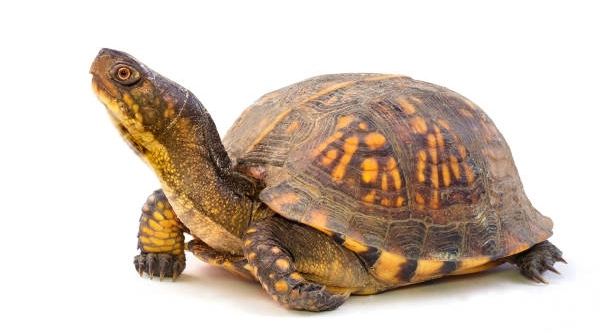
Your box turtle’s behavior of scratching the tank walls may seem puzzling. It could be due to several environmental or physical factors that influence their actions. Understanding the root cause can help address this issue effectively.
Box turtles may scratch tank walls due to factors like stress, improper habitat conditions, or natural instincts. They may be seeking more space, marking territory, or attempting to escape. Ensuring a comfortable and enriching environment can reduce this behavior.
Addressing these factors will improve your turtle’s well-being and help prevent ongoing scratching. Proper care can lead to a more relaxed and happy pet.
Stress and Anxiety
Stress can lead your box turtle to scratch the tank walls. When turtles are feeling anxious, they may engage in repetitive behaviors like scratching. This is often due to factors such as loud noises, sudden movements, or changes in their environment. Turtles are sensitive creatures, and even small disturbances can cause them stress. If your turtle is in a high-traffic area, it may become overwhelmed by the constant movement and noise around it. Another cause of stress is the lack of proper hiding spots in the tank. Turtles need places to retreat to, especially if they feel threatened or uncomfortable.
Providing a quiet, calm space with hiding spots can help reduce stress. Place your turtle’s tank in a low-traffic area where they won’t feel constantly disturbed. Adding more plants or rocks for hiding can also create a more secure environment.
A stress-free turtle will be more content and less likely to scratch. Ensuring that its space is quiet, safe, and comfortable will go a long way in keeping your turtle happy.
Inadequate Tank Size
Turtles often scratch at the tank walls because they feel confined in a too-small enclosure. Box turtles require space to move freely, as they are naturally curious and active animals. A cramped tank can cause frustration, leading them to scratch as a way to escape.
Providing a larger tank or expanding their space will give your turtle room to explore and help reduce wall scratching. Make sure the enclosure is at least 40 gallons for one turtle, but larger tanks are always better for their overall well-being.
Lack of Environmental Enrichment
Without enough stimulation, turtles will often start scratching. In the wild, they explore their surroundings and search for food, but in captivity, they can get bored. Scratching is a way for them to express frustration or look for something more engaging. Adding varied textures, rocks, and logs can create a more interesting environment for your turtle. These additions will also give them opportunities to climb, dig, and hide.
Turtles need constant mental and physical stimulation to thrive. Adding a mix of natural elements such as leaves, soil, and branches encourages them to explore and remain active. Without this, your turtle may resort to scratching the tank walls.
Enrichment items like plants or hiding spots also mimic the diversity of their natural habitat. This will give them a more satisfying environment and minimize the repetitive scratching behavior. Providing new items or changing the layout periodically keeps your turtle engaged and curious.
Temperature and Humidity Issues
Turtles are sensitive to changes in temperature and humidity. If the tank environment isn’t maintained properly, they might scratch the walls. Too high or low of a temperature can make them feel uncomfortable and anxious. They will often try to escape or scratch the tank to find a more suitable space. Ensuring your tank has the right temperature gradient (around 75-85°F) will help your turtle stay comfortable and reduce stress.
Humidity is equally important. Box turtles thrive in humid environments, typically between 50-70%. Too little moisture in the tank can lead to dehydration, making your turtle more restless. Scratching may then become a way to signal distress.
Adding a humidity gauge can help you keep track and adjust the conditions when needed. A shallow water dish in the tank can also help with humidity and hydration. By maintaining the right balance, your turtle will feel at ease and less likely to scratch the tank.
Overcrowding
Overcrowding in the tank can cause stress for your box turtle, leading to scratching. When too many turtles are in one space, they may feel cramped and compete for resources like food and hiding spots. This discomfort can lead to repetitive behaviors such as scratching at the walls.
Keeping the tank to a reasonable size for the number of turtles ensures that each one has enough space to move around. It’s important to monitor their interactions and make sure there is no territorial behavior. Adequate space reduces stress and promotes a more peaceful environment.
Insufficient Lighting
Proper lighting is essential for your turtle’s health and well-being. Without UVB light, turtles cannot properly metabolize calcium, leading to health issues that may cause stress. In response, your turtle may scratch at the walls, trying to escape the discomfort.
Providing a UVB light source is crucial for their physical health. These lights help turtles regulate their biological processes, including digestion and shell health. By ensuring the light is positioned correctly and on for the proper amount of time each day, you can avoid causing unnecessary stress for your turtle.
Health Problems
If your box turtle is scratching excessively, it may be due to underlying health problems. Shell rot, skin infections, or parasites could be causing irritation, making your turtle restless. Scratching may be a way for them to relieve discomfort.
A thorough checkup from a veterinarian is the best course of action. If your turtle is dealing with an infection or irritation, proper medical treatment is necessary. Keeping your turtle’s environment clean and free from bacteria can help prevent health issues.
FAQ
Why does my box turtle scratch the tank walls?
Scratching can be a sign of stress, boredom, or discomfort. Box turtles may scratch the walls in search of more space, an escape route, or a better environment. Poor tank conditions, such as improper temperature, humidity, or a lack of enrichment, can also cause this behavior. A more suitable habitat, with plenty of space and engaging elements like plants or rocks, can reduce scratching.
How can I reduce my turtle’s scratching behavior?
To help reduce scratching, make sure your turtle’s tank is large enough and has the proper temperature and humidity levels. Adding hiding spots, rocks, and plants will help provide enrichment and keep them occupied. Also, avoid overcrowding and make sure the tank is placed in a quiet area with minimal disturbances.
Can scratching indicate health problems in box turtles?
Yes, excessive scratching can sometimes point to health issues like shell rot, skin infections, or parasites. If scratching is accompanied by other signs like swelling, lethargy, or a decrease in appetite, it’s a good idea to consult a veterinarian. Health problems should be addressed immediately to prevent further discomfort.
How do I set up a proper environment for my box turtle?
A proper environment for your box turtle includes a spacious tank with appropriate temperature and humidity. The tank should have a warm side (75-85°F) and a cooler side (65-75°F). Include a shallow water dish, hiding spots, and plenty of plants and rocks to simulate their natural habitat. Proper UVB lighting is also essential.
Is it normal for a box turtle to scratch at the walls of its tank?
While occasional scratching can be normal, continuous or repetitive scratching usually indicates a problem. This could be stress, lack of space, improper conditions, or a health issue. Pay attention to your turtle’s behavior and ensure its environment is ideal.
How much space does a box turtle need in its tank?
A single box turtle needs at least a 40-gallon tank, but larger tanks are better. For multiple turtles, the tank size should increase to allow enough space for each one to move freely. A cramped environment can cause stress, leading to behaviors like scratching.
What are the best types of enrichment for box turtles?
Enrichment for box turtles includes adding rocks, branches, plants, and logs to the tank. These items allow your turtle to climb, hide, and explore. Changing the layout periodically will keep them engaged and reduce the likelihood of repetitive behaviors like scratching.
Can temperature fluctuations cause scratching?
Yes, sudden temperature fluctuations can cause stress and lead to scratching. Box turtles need a consistent temperature range. Make sure the tank maintains temperatures between 75-85°F, with a cooler side for resting. A temperature gradient ensures your turtle can regulate its body heat and remain comfortable.
How do I know if my turtle is stressed?
Signs of stress in turtles include scratching, hiding excessively, pacing, and refusing food. Stress can also lead to more visible signs like rapid breathing or changes in behavior. If your turtle is showing signs of stress, assess its environment and consider making improvements, such as adding more hiding spots or adjusting temperature and humidity.
Can a lack of UVB lighting cause scratching?
Yes, inadequate UVB lighting can lead to health problems like metabolic bone disease, which may cause discomfort and stress. Turtles need UVB light to metabolize calcium properly. Without it, they may scratch the tank walls as a sign of discomfort or frustration. Ensure the tank has a proper UVB light source.
Why is my turtle scratching at the walls even with a proper setup?
If your turtle is scratching despite having a suitable setup, it could be a sign of boredom, territorial behavior, or health issues. Even with proper conditions, turtles still need regular interaction and enrichment. If the scratching continues, it’s worth considering whether there may be an underlying health problem or if the tank layout could be changed for more engagement.
Final Thoughts
Box turtles are fascinating creatures, but their behavior, such as scratching the walls of their tank, can often be a sign of underlying issues. Understanding the reasons behind this behavior is essential to creating a more comfortable and healthy environment for your turtle. Whether it’s stress, boredom, or physical discomfort, addressing the root cause can make a significant difference in how your turtle behaves. Ensuring that the tank is large enough, the temperature and humidity levels are appropriate, and the turtle has enough enrichment to keep it engaged are key steps in managing scratching behavior.
In some cases, scratching may indicate a more serious health concern, such as shell rot or skin infections. If the behavior persists, it is important to rule out any medical issues by consulting a veterinarian. Regular health check-ups are essential for your turtle’s long-term well-being. If you notice any other concerning symptoms, like lethargy, a loss of appetite, or swelling, immediate attention from a professional is needed. A healthy turtle is less likely to engage in repetitive, stress-driven actions like scratching.
Creating a suitable habitat for your box turtle goes beyond just addressing scratching. Turtles need a balanced environment to thrive—this means proper lighting, humidity, temperature, and a varied habitat that simulates their natural surroundings. With the right care and attention, your turtle can live a long, happy life without resorting to excessive scratching or other stressful behaviors. Remember, your turtle’s happiness and health are directly linked to the environment you provide. By taking the time to make necessary adjustments, you ensure your turtle’s comfort and well-being.

Hello,
If you enjoy the content that we create, please consider saying a "Thank You!" by leaving a tip.
Every little bit helps us continue crafting quality advice that supports the health, happiness, and well-being of pets around the world, for pets of all shapes, sizes, and species.
We really appreciate the kindness and support that you show us!