
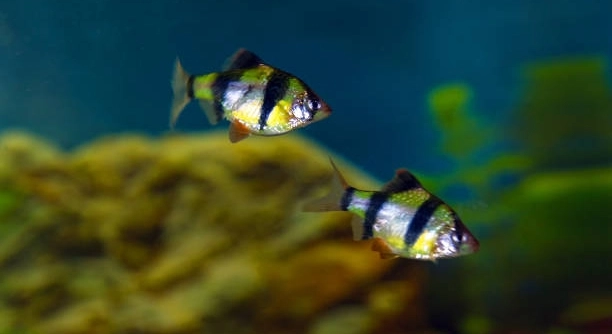
Barbs are popular aquarium fish known for their lively behavior and vibrant colors. Many hobbyists enjoy keeping them, but sometimes barbs refuse to share their tank with other fish. This behavior can be puzzling and frustrating for fishkeepers.
Barbs may refuse tankmates due to territorial instincts, aggression, or stress caused by overcrowding and incompatible species. These factors disrupt the social balance and lead to conflicts that prevent peaceful coexistence. Understanding these causes is key to managing their behavior effectively.
Recognizing why your barb acts this way can help improve your aquarium’s harmony and keep your fish healthier and happier.
Understanding Barb Territorial Behavior
Barbs naturally establish territories in their environment. When space is limited, they become more defensive and may refuse to tolerate other fish nearby. This behavior is stronger in smaller tanks or when the aquarium is overcrowded. Territorial disputes often lead to chasing, nipping, and stress. Barbs especially dislike fish that invade their space or compete for food. Knowing how much space your barbs need can reduce conflicts. A larger tank with plenty of hiding spots helps them feel secure. Decorations such as plants and rocks create natural boundaries. This encourages peaceful coexistence by allowing each fish to claim its own area. Proper tank management can prevent many issues related to aggression.
Territorial behavior is more noticeable during feeding times or breeding seasons.
Providing enough space and resources supports a calmer tank environment, making it easier for barbs to accept tankmates.
Aggression and Compatibility Issues
Barbs can be aggressive toward certain fish species, especially slow-moving or long-finned ones. They may nip fins or chase tankmates they see as easy targets. This aggression often results from natural instincts and their active swimming style. Choosing compatible tankmates is crucial. Avoid keeping barbs with species that are timid or have delicate fins. Ideal companions are other fast swimmers or similarly sized fish that can hold their own. Mixing incompatible species can increase stress for all fish involved, reducing their overall health. Observing your tank’s dynamics regularly helps identify problems early. Adjusting the fish population or tank setup might be necessary to maintain peace.
Incompatible species cause stress, leading to illness and poor water quality.
Selecting the right tankmates prevents aggression and fosters a balanced, healthy aquarium.
Stress and Environmental Factors
Stress can cause barbs to reject tankmates or become aggressive. Poor water quality, sudden changes, or overcrowding increase their stress levels.
Maintaining clean water and stable conditions is vital. Regular water tests and partial water changes help keep the environment healthy. Barbs are sensitive to rapid shifts in temperature, pH, or ammonia levels. Overcrowding limits swimming space and raises stress, so avoid adding too many fish. Stress weakens their immune system, making them more prone to illness. Keeping the tank balanced and comfortable allows barbs to behave more calmly around other fish.
Providing enough hiding spots and avoiding sudden disruptions also lowers stress. Calm barbs are more likely to accept tankmates peacefully.
Tank Setup and Space
Tank size directly affects barb behavior. Smaller tanks increase aggression due to limited space. For most barb species, a minimum of 30 gallons is recommended. Larger tanks provide more room to swim and reduce territorial disputes.
Proper tank decorations divide the space into zones, giving fish places to retreat. Plants, rocks, and driftwood create natural boundaries, reducing conflicts. Overcrowding leads to competition for resources, making barbs more defensive. A spacious, well-decorated tank encourages natural behavior and reduces stress. Planning your tank layout carefully can help barbs coexist with others more easily. Adjusting tank size and decor based on the number and species of fish is essential for maintaining peace.
Social Dynamics Among Barbs
Barbs naturally swim in groups, and their social structure affects how they accept tankmates. Keeping them in small groups reduces aggression.
Without a proper group, barbs may become more territorial or stressed. Group size matters for their behavior.
Importance of Group Size
A minimum group of six barbs is recommended to help spread out aggression and encourage natural schooling behavior. When kept in a sufficient group, barbs focus more on each other and less on other tankmates. This reduces the chance they will single out other fish for harassment. Smaller groups or solitary barbs tend to become more aggressive and stressed. Proper group size also helps barbs feel secure, lowering tension in the tank and improving overall fish health. Keeping enough barbs together supports peaceful coexistence with other species.
Feeding Competition
Feeding times often trigger aggression.
FAQ
Why does my barb nip at other fish?
Barbs nip at other fish mainly due to their active and territorial nature. They may see slow-moving or long-finned fish as easy targets, leading to fin nipping. This behavior can also stem from boredom or lack of stimulation in the tank. Providing enough space, proper tankmates, and environmental enrichment can reduce this behavior.
How many barbs should I keep together?
Keeping at least six barbs together is best. In groups, they spread out their energy and aggression among themselves, reducing the chance they’ll pick on other tankmates. Smaller groups or single barbs tend to be more aggressive and stressed.
What tank size is ideal for barbs?
A minimum of 30 gallons is recommended for most barb species. Larger tanks provide space for swimming and help reduce territorial disputes. Tank size should increase based on the number of barbs and other fish present.
Can barbs live peacefully with other species?
Yes, but compatibility is key. Barbs do best with fast-moving, similarly sized fish that can handle their energetic nature. Avoid slow or long-finned fish prone to fin nipping. Proper tank setup and group size also help promote peace.
Why do barbs refuse tankmates suddenly?
Sudden refusal can result from stress caused by changes in water quality, temperature, or overcrowding. Illness or injury can also make barbs more defensive. Maintaining stable conditions and monitoring their health helps prevent this.
How do I reduce aggression among barbs?
Provide enough space, proper group size, and hiding spots. Feeding them regularly and keeping water quality high also helps. Avoid overcrowding and incompatible species. Regular observation lets you spot and address aggression early.
Are there signs my barbs are stressed?
Yes. Signs include hiding more than usual, loss of appetite, erratic swimming, or excessive fin nipping. Stress lowers their immunity, so quick action to improve tank conditions is important.
What should I feed barbs to keep them healthy?
A balanced diet of high-quality flakes, pellets, and occasional live or frozen foods like brine shrimp or bloodworms works well. Variety helps maintain health and reduces aggressive behavior linked to hunger.
Can tank decorations affect barb behavior?
Yes, decorations create boundaries and hiding spots that reduce territorial fights. Plants, rocks, and driftwood help establish zones and make the tank more natural. A well-decorated tank leads to calmer barbs.
How often should I test the water?
Testing water weekly is ideal to keep track of ammonia, nitrites, nitrates, and pH levels. Consistent monitoring helps prevent stress and aggression caused by poor water quality.
Barbs are lively and sometimes aggressive fish that need careful attention to thrive in a community tank. Understanding their natural behavior is key to creating a peaceful environment. They have strong territorial instincts and a need for space, which can cause conflicts if not managed properly. Providing a large enough tank with plenty of hiding spots helps reduce stress and aggression. It also allows them to feel secure, which encourages better social behavior. Grouping barbs together in sufficient numbers lets them spread out their energy, lessening the chance they will harass other tankmates. Paying attention to their social needs is just as important as tank size and setup.
Stress plays a big role in why barbs may refuse tankmates or act aggressively. Poor water conditions, overcrowding, and sudden changes all increase their stress levels, making them less tolerant of other fish. Keeping the tank clean and stable is essential. Regular water testing and maintenance keep harmful substances like ammonia and nitrites low, which protects fish health. Avoiding overcrowding by limiting the number of fish also helps. When barbs are stressed, they become more territorial and less willing to share space. Watching their behavior closely allows you to catch problems early and make changes before the situation worsens.
Choosing the right tankmates is another important factor. Barbs do best with fast, active fish that can handle their energetic swimming style and occasional nipping. Slow-moving or long-finned fish often become targets and can cause tension in the tank. When the species are well matched, and the environment is properly set up, barbs are more likely to accept tankmates peacefully. Taking these points into account makes a big difference in creating a balanced aquarium. Careful planning and regular care improve the quality of life for your barbs and all your fish.

Hello,
If you enjoy the content that we create, please consider saying a "Thank You!" by leaving a tip.
Every little bit helps us continue crafting quality advice that supports the health, happiness, and well-being of pets around the world, for pets of all shapes, sizes, and species.
We really appreciate the kindness and support that you show us!