
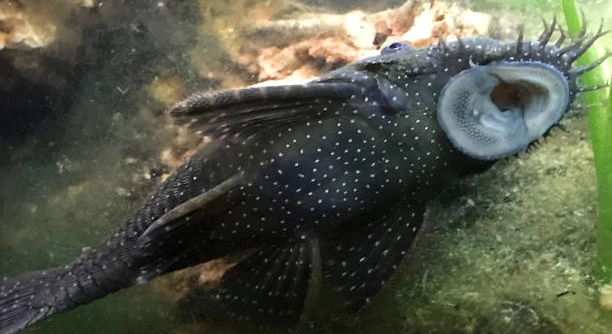
Do you ever find yourself checking on your pleco, only to notice it’s ignoring the hiding spot it once loved?
The most common reason a pleco avoids its favorite hiding spot is due to changes in its environment, such as water parameters, light exposure, or territorial stress. These factors can make the area feel unsafe or uncomfortable.
From subtle shifts in tank setup to unexpected interactions with other fish, several reasons may be influencing your pleco’s sudden behavior change.
Common Reasons Your Pleco Avoids Its Hiding Spot
Plecos are shy by nature and rely on stable hiding places to feel secure. If your pleco has suddenly stopped using its usual spot, it’s likely due to changes in its tank environment. This could include a shift in lighting, altered water parameters like pH or temperature, or even the growth of algae in the area. Sometimes, tank mates may become more active or territorial, causing your pleco to feel unsafe. Decorations can also shift slightly during cleanings or rearrangements, making the space less appealing. Even subtle vibrations from nearby electronics or new filters can have an effect. Plecos are sensitive to their surroundings, and a small change can make a big difference in how they behave. Keeping things consistent and observing your pleco’s behavior over time can help you understand what’s changed and what it might need to feel comfortable again.
Make sure the hiding spot hasn’t become too exposed due to shifted plants or moved decor.
Sometimes, a pleco’s hiding spot becomes less appealing simply because it no longer offers the right coverage or shadow. If nearby plants were trimmed or shifted, the once-dark corner might now seem too open or bright. Plecos prefer dim, covered spaces where they can retreat during the day. Adding more cover—like floating plants, caves, or driftwood—can restore the appeal of that spot. Also, double-check that nothing has blocked the entrance or made it harder to access. Something as simple as a small rock falling out of place can discourage your pleco. It’s also possible that poor water flow in that area has led to a buildup of waste or detritus, making it uncomfortable. Keeping the tank clean and arranging decor thoughtfully can go a long way in keeping your pleco feeling secure and relaxed.
Stress, Health, and Environmental Factors
Stress is a common cause of behavioral changes in fish, including hiding less or choosing new spots.
A stressed pleco may begin to act out of character, and this stress can be linked to multiple things. Sudden noises, an overly bright tank, or tank mates becoming more aggressive can leave your pleco feeling uneasy. Water quality is another major factor—high ammonia or nitrate levels can quickly affect a fish’s comfort. Changes in temperature can also cause a pleco to relocate. It’s important to regularly test your tank water, especially if your pleco’s behavior changes. Health issues like parasites, minor injuries, or poor diet can also play a role. If your pleco seems lethargic, isn’t eating well, or has visible signs of stress like color changes, it might be worth checking with a vet who specializes in fish. Keep feeding consistent, reduce loud noises or disruptions near the tank, and allow your pleco time to settle. A calm, balanced environment helps a pleco return to normal habits.
Lighting and Tank Placement
Lighting that’s too bright can make your pleco avoid open or exposed areas. They prefer dim spots where they can feel hidden. If lights are left on too long or are too strong, it may discourage them from using their usual hiding place.
Try adjusting your tank lighting to mimic natural light patterns. Use dimmer lights or install floating plants to help diffuse brightness. Also, make sure the tank is not placed near windows, televisions, or other light sources that turn on and off at random. Sudden light changes can startle plecos and cause them to avoid areas they once used. A consistent lighting schedule can help keep them calm. Set a timer so your pleco knows when to expect light and when it’s time to rest. Plecos are mostly active at night, so they appreciate darker areas to relax during the day.
Tank placement also plays a big part in your pleco’s comfort. If the tank is near constant foot traffic, loud sounds, or vibrations, your pleco might not feel safe enough to stay in one spot. They often react to sudden movement or shaking by hiding in new places or staying still for long periods. It helps to place the tank somewhere quieter, away from daily disruptions. A low-traffic area can help your pleco feel more secure and reduce sudden stress. If the tank is near speakers, a TV, or even a slamming door, those small stressors add up. Observing how your pleco behaves during busy hours may reveal more than expected.
Competition and Territory
Other fish in the tank may be entering your pleco’s space, which makes it feel unsafe. Plecos are territorial, especially at night, and if other fish start lingering around their hiding spots, they may abandon them altogether.
If you’ve added new tank mates or if others have grown larger and more confident, they might be challenging your pleco’s usual area. Even peaceful fish can become curious or territorial over time. Some fish like cichlids or loaches may try to take over the same cave or hollow your pleco uses. In these cases, it’s helpful to add more hiding places so there’s less competition. Spread them around the tank to give each fish its own space. A variety of caves, driftwood, and decorations can reduce the need for any one fish to dominate an area. Watching who visits the hiding spot when the pleco’s not using it can give you clues about territorial issues.
Temperature and Water Flow
Plecos prefer stable, warm water between 74°F and 80°F. If the temperature drops too low or fluctuates often, they may avoid certain areas of the tank. A digital thermometer can help you track any small changes you might miss.
Strong water flow near the hiding spot can also be uncomfortable. If a filter or bubbler is pushing too much current toward the area, it may discourage your pleco from settling there. Try adjusting the direction of the flow or placing decor to help block or redirect it more gently.
Decor and Tank Layout
Sometimes the overall layout of the tank just doesn’t feel right to your pleco anymore. If items were moved, cleaned, or replaced recently, the tank might feel unfamiliar. Plecos remember their surroundings and can react to even small changes. Try returning decorations or plants to where they were before, or at least close. Adding a few extra shaded spots helps as well. Driftwood is especially good because it provides shelter and a surface for algae. Keeping the layout balanced, with quiet zones and shaded corners, can help your pleco regain trust in its hiding space.
When to Watch for Health Concerns
If your pleco stops hiding and also seems weak, is breathing fast, or not eating, it might be sick. These signs shouldn’t be ignored. A change in hiding behavior is sometimes the first clue that something deeper is going on.
FAQ
Can plecos get bored of their hiding spots?
Yes, plecos can lose interest in a hiding spot if it no longer feels safe or comfortable. This doesn’t mean they’re bored in a human sense, but rather that the environment no longer meets their needs. Something as simple as a new object in the tank, a plant being trimmed, or lighting changes can affect how they view their space. Plecos are creatures of habit, but they also adjust based on what makes them feel secure. If a spot becomes too exposed or feels different, they may stop using it and search for a better place.
Do plecos need more than one hiding spot?
It’s a good idea to provide at least two or three hiding spots in different areas of the tank. This gives your pleco more control over its space and helps reduce stress. If one area becomes too busy with other fish or gets too much light, your pleco can move to a different, more peaceful spot. Try to mix materials—like driftwood, stacked rocks, and caves—to give some variety. This also helps mimic their natural environment, where they would have many shaded areas to hide under. More hiding spots mean less chance of your pleco feeling trapped or exposed.
What kind of hiding spots do plecos prefer?
Plecos like hiding places that feel snug and dark. They are bottom-dwellers and enjoy resting in shaded, enclosed areas where they feel protected. Caves made of smooth stone, hollow logs, or even ceramic tubes work well. Natural driftwood is a favorite because it provides cover and helps with digestion for some species. The spot should be roomy enough for the pleco to fit, but not so open that it feels exposed. Placement is also important—keep hiding spots near the tank floor and away from strong water flow or bright lighting.
Can tank mates keep a pleco from using its hiding spot?
Yes, other fish can definitely impact your pleco’s behavior. Some fish may become territorial and claim a cave or shaded area that your pleco once used. Others might simply pass by too often, which can make the pleco feel uneasy. Even non-aggressive fish can affect your pleco’s comfort if they’re very active or crowd the hiding spot. Keeping an eye on how other fish behave around your pleco can help you decide if tank dynamics need to be adjusted. Adding more hiding places usually helps reduce this kind of pressure.
Do plecos hide less as they get older?
Not usually. In fact, adult plecos often hide more consistently once they’ve found a spot they like. Juvenile plecos might explore more, moving from one hiding place to another. As they mature, they tend to settle into routines and stick to areas that feel familiar. If an older pleco suddenly stops using its regular hiding spot, it’s worth checking for environmental changes, water quality issues, or signs of stress. A sudden change in behavior can sometimes point to discomfort or illness, especially in fish that usually follow a routine.
Can lighting schedules help with pleco hiding behavior?
Yes, having a consistent light schedule helps plecos feel more secure. They’re nocturnal and prefer darker spaces during the day. If lights turn on and off at random, it can disrupt their sense of safety. Use a timer to create regular light and dark periods. Ideally, the tank should have 8 to 10 hours of light per day, followed by darkness to simulate night. Avoid bright lights that shine directly into their hiding areas. Soft or dim lighting, paired with shaded zones in the tank, will make your pleco more likely to relax in its favorite spots.
What should I do if my pleco still won’t go back to its hiding spot?
Start by checking the basics: water temperature, pH, ammonia, and nitrate levels. Make sure nothing has blocked the entrance or changed the feel of the spot. Observe other fish to see if they’re bothering your pleco. You can also try adjusting the lighting or moving the hiding spot slightly to see if that helps. If all else fails and the pleco seems stressed or sick, consult an aquatic vet or experienced aquarist. Sometimes, a fresh hiding space in a quieter corner of the tank is all it takes to make them feel at ease again.
Final Thoughts
Caring for a pleco means learning how they behave and what makes them feel secure. If your pleco suddenly stops using a hiding spot it once loved, it’s usually a sign that something has changed in the tank. This could be the lighting, water temperature, or even how close the tank is to daily activity. It might also mean that another fish is bothering it, or that the spot no longer feels as safe as it used to. These changes may seem small to us, but for a pleco, even a slight shift in the environment can be enough to make it stay away. That’s why it’s important to take the time to observe and adjust things slowly and carefully.
Plecos are quiet and steady fish, and they don’t often show big reactions like other species might. So when you notice a change in behavior—like avoiding a familiar hiding place—it’s worth looking into. Checking water parameters, lighting, and tank layout can help reveal the issue. Adding more hiding spots and reducing stress from tank mates can also make a big difference. Sometimes, all it takes is a bit of shade or a better spot away from water flow to get your pleco back to normal. It’s also helpful to remember that each pleco is a little different. What works for one may not work for another, so don’t be afraid to try a few small changes to find what suits your fish best.
In the end, a pleco that feels safe and secure will usually return to its favorite hiding spot—or find a new one it likes even more. Regular maintenance, stable tank conditions, and thoughtful placement of decorations can go a long way in keeping your pleco happy. There’s no need to rush the process. Take your time and watch your pleco’s behavior closely. When they feel safe, they’ll show it by settling back into their routines. Paying attention to these little details not only helps your pleco feel better but also strengthens your understanding as a fish keeper. A calm, balanced tank leads to a healthy pleco—and that’s something worth working toward.

Hello,
If you enjoy the content that we create, please consider saying a "Thank You!" by leaving a tip.
Every little bit helps us continue crafting quality advice that supports the health, happiness, and well-being of pets around the world, for pets of all shapes, sizes, and species.
We really appreciate the kindness and support that you show us!