
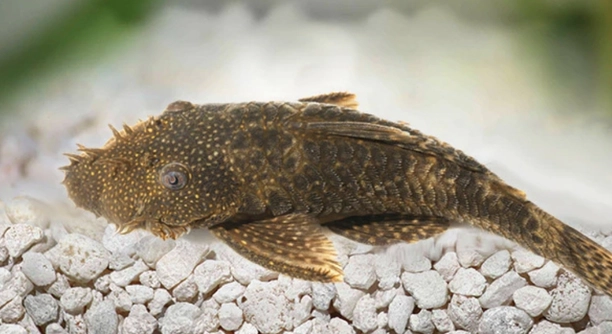
Plecos are fascinating creatures to have in your aquarium. However, it can be concerning when your pleco isn’t swimming during the day as expected. Understanding its behavior is important for ensuring your pet stays healthy and happy.
The main reason a pleco may not swim during the day is because they are nocturnal by nature. They tend to be more active at night, searching for food and exploring their environment. This behavior is normal and expected.
Understanding your pleco’s habits can help you create the best environment for it. Make sure to observe its actions and ensure it feels comfortable and secure in its tank.
Why Plecos Swim Less During the Day
Plecos are known for being active during the night, which is when they usually feed and explore. It’s important to remember that this behavior is natural and linked to their nocturnal instincts. During the day, they may prefer hiding in caves or resting near plants. These fish feel more secure when they can retreat to dark, quiet places, which helps reduce stress. If you notice your pleco hiding for long periods, it doesn’t necessarily mean there’s something wrong. However, ensure there are no issues with water quality or tank mates that could be causing stress.
While it’s normal for plecos to be less active during the day, the environment still plays a significant role. They tend to swim more freely if the tank mimics their natural habitat. Proper lighting and hiding spots will help them feel secure. Additionally, a tank with sufficient space and vegetation encourages healthy behavior and overall well-being.
Creating a comfortable environment and understanding their behavior will lead to a healthier, happier pleco. You can always observe your pleco during its active hours to ensure it’s eating and moving properly.
How to Encourage Your Pleco to Be More Active
A well-lit tank with plenty of hiding spots can help increase your pleco’s activity level.
Plecos are naturally shy, but with the right setup, they can feel more comfortable during the day. Having a mix of light and shadow in their tank gives them the freedom to choose when and where to swim. Ensure that there are adequate hiding spots like caves or driftwood to help them feel secure during daylight hours. Also, provide them with an appropriate diet, as hunger can encourage activity. If your pleco is not eating, it could be a sign of stress or poor water quality, which might also cause inactivity.
As a nocturnal fish, your pleco might never be as active during the day as some other species, but with patience, you can make sure it’s living comfortably. By creating a calm, balanced environment, you’re helping it thrive.
Tank Setup for Plecos
A proper tank setup plays a big role in encouraging your pleco to feel comfortable. This includes providing hiding spaces like caves, plants, or driftwood. These elements not only mimic their natural environment but also give your pleco a place to retreat when it feels vulnerable. The setup should allow them to move around freely while having a safe zone.
In addition to hiding spots, water quality is essential. Make sure the tank is kept clean with regular water changes. Plecos are sensitive to poor water conditions, which can cause stress and impact their behavior. Use a filter that creates gentle water flow, as strong currents can also discourage activity. Lighting is another factor; plecos tend to be more active at night when there’s less light. So, avoid harsh lighting during the day, as it might make them more inclined to stay hidden.
It’s also important to maintain a consistent water temperature, as fluctuating temperatures can cause discomfort and inactivity. Keeping the tank at the right temperature helps keep your pleco healthy and reduces stress. With the right setup, your pleco will feel more secure and, in turn, may become a bit more active during the day.
Diet and Feeding Schedule
What you feed your pleco can affect its behavior, including how active it is. Plecos are herbivores and thrive on a diet of algae, vegetables, and specialized pellets. Offer a variety of foods to ensure they’re getting the nutrients they need. If they’re not eating enough, it may lead to inactivity.
In the wild, plecos spend a lot of time grazing on algae, so providing algae wafers or blanched vegetables like zucchini or spinach will encourage natural behaviors. It’s also important to feed them in the evening, as this is when they are most likely to be active. Avoid overfeeding, as uneaten food can pollute the tank, creating unhealthy conditions.
When feeding your pleco, make sure the food sinks to the bottom of the tank, as this is where they typically look for food. Monitor how much they’re eating and adjust portions accordingly. If your pleco consistently ignores the food, it may be a sign of stress or poor water quality that needs attention.
Water Quality and Temperature
Maintaining clean water is essential for your pleco’s well-being. Make sure to perform regular water changes and check the water parameters, such as pH, ammonia, nitrites, and nitrates. Poor water quality can lead to stress and inactivity, affecting your pleco’s overall health.
Plecos are sensitive to sudden changes in temperature. They thrive in stable conditions, typically between 74°F and 80°F (23°C to 27°C). Any drastic shifts can cause discomfort and make them less active. A consistent water temperature ensures they are healthy and less likely to hide during the day.
Tank Mates
Tank mates can significantly affect your pleco’s behavior. If your pleco is constantly stressed by aggressive or territorial fish, it may avoid swimming during the day. Always choose peaceful tank mates that won’t crowd or intimidate your pleco.
Plecos tend to do well with other peaceful species, especially if the tank is large enough for everyone to have their space. However, avoid keeping them with aggressive fish that may compete for food or space. If your pleco feels threatened by its tank mates, it will likely spend most of its time hiding.
Lighting Conditions
Lighting plays a key role in your pleco’s behavior. Too much light during the day can cause stress and make them retreat into hiding spots. Consider reducing the light intensity or providing shaded areas where your pleco can escape the light when it needs to feel secure.
FAQ
Why is my pleco hiding all the time?
Plecos are naturally shy and nocturnal. It’s normal for them to seek out dark and quiet spaces during the day. If your pleco is hiding most of the time, it could simply be feeling more secure in a sheltered spot. However, it’s important to check water quality and ensure there are no aggressive tank mates causing stress.
Can plecos swim during the day?
Yes, plecos can swim during the day, but they are primarily active at night. They may come out to feed or explore if they feel comfortable. Most plecos spend the daylight hours resting or hiding. As long as the tank conditions are appropriate, occasional daytime swimming is normal.
What should I do if my pleco isn’t eating?
If your pleco isn’t eating, first check the water quality. Poor water conditions can affect their appetite. Also, ensure the food provided is appropriate for their diet, such as algae wafers or blanched vegetables. If they still refuse food, consider giving them a bit of time to adjust, or consult a vet if you suspect illness.
How do I encourage my pleco to come out during the day?
To encourage your pleco to swim more during the day, provide hiding spots that mimic their natural environment. Reduce light intensity, as plecos tend to be more active in dim lighting. Also, avoid overcrowding the tank with aggressive fish, which could cause your pleco to hide more often.
Why does my pleco stay at the bottom of the tank?
Plecos are bottom-dwelling fish by nature. They prefer to stay near the substrate, where they can graze on algae and find shelter. If your pleco spends most of its time at the bottom, it’s likely behaving naturally. However, if it’s constantly staying in one spot, check the water quality and tank setup to ensure everything is comfortable.
Is my pleco sick if it’s not swimming much?
Not necessarily. If your pleco isn’t swimming much, it may simply be following its nocturnal behavior. However, if you notice other signs of illness like a loss of appetite, discoloration, or unusual behavior, check the water quality and consider a visit to a vet. Stress, water quality issues, or poor tank mates can also lead to inactivity.
Can I keep multiple plecos in the same tank?
You can keep multiple plecos in the same tank, but it’s important to consider the size of your tank and the species of pleco. Larger species may become territorial, especially if there’s limited space. Always ensure there are enough hiding spots and territories for each pleco to feel secure.
What is the best tank size for a pleco?
Plecos need plenty of space to thrive. A tank size of at least 30 gallons is recommended for smaller species, while larger species may require 75 gallons or more. The bigger the tank, the more room your pleco will have to move around and feel comfortable, reducing stress and encouraging healthy behavior.
How often should I feed my pleco?
Plecos should be fed once or twice a day, with a variety of foods. Offer algae wafers, vegetables like zucchini or spinach, and occasional protein-rich foods like shrimp. Overfeeding can lead to water quality issues, so only provide what your pleco can consume in a few hours.
Do plecos need a filter in their tank?
Yes, plecos benefit from a filter to maintain water quality. They produce a lot of waste, so having a filter helps keep the water clean and oxygenated. Make sure the filter’s flow is not too strong, as plecos prefer gentle currents. Regular water changes are still necessary to maintain optimal conditions.
Why is my pleco turning brown?
Plecos can change color due to several factors. Stress, poor water conditions, or changes in diet can cause discoloration. In some cases, a pleco may darken as it matures. If the color change is accompanied by other symptoms like lethargy or loss of appetite, it could indicate a health problem, so check water quality and monitor for other signs of illness.
How long do plecos live?
Plecos can live for quite a long time, typically anywhere from 10 to 20 years, depending on their species. Proper care, including a clean tank, a balanced diet, and a stress-free environment, will help ensure your pleco lives a long and healthy life. Make sure to provide the proper tank size as they grow.
Why is my pleco swimming upside down?
If your pleco is swimming upside down, it could be a sign of swim bladder issues. This condition can be caused by overfeeding, poor water quality, or a bacterial infection. Check the water parameters and ensure your pleco isn’t eating too much. If the behavior persists, consult a vet for a proper diagnosis.
Should I be concerned if my pleco is not using its fins?
If your pleco isn’t using its fins, it could be a sign of injury, illness, or poor water quality. It’s important to observe for any physical changes like fin rot or swelling. Ensuring the tank is clean and free of sharp objects can help prevent injuries. If the condition doesn’t improve, seek professional help.
Can plecos live with other fish?
Yes, plecos are generally peaceful fish that can live with other species. However, they may not get along with very aggressive or territorial fish. Choosing tank mates that are calm and compatible is important to prevent stress. Keep an eye on interactions to make sure everyone is getting along.
How do I know if my pleco is stressed?
Stressed plecos often exhibit behaviors like hiding more than usual, refusing food, or swimming erratically. Poor water quality, aggressive tank mates, or insufficient hiding spots are common stressors. If you notice your pleco acting out of character, assess the tank environment and make adjustments to reduce stress.
What type of water do plecos prefer?
Plecos prefer slightly acidic to neutral water, typically with a pH of 6.5 to 7.5. They also require well-oxygenated water with stable temperatures. It’s essential to regularly test the water and make adjustments as needed to maintain a healthy environment for your pleco.
How can I tell if my pleco is eating enough?
A healthy pleco will actively graze on algae and will consume most of the food you offer. If you notice that your pleco isn’t eating or is losing weight, it may indicate a problem. Ensure they’re getting enough food and check the water quality to eliminate potential stress factors.
Final Thoughts
Plecos are unique and fascinating fish that often prefer to keep a low profile during the day. Their natural behavior of staying hidden or swimming at night makes them a bit of a mystery, but this is completely normal. As long as your pleco is eating, swimming during the night, and hiding when it needs to, there’s likely nothing to worry about. However, if you notice that your pleco is consistently hiding or displaying unusual behaviors during the day, it may be time to check the water quality and overall tank environment to ensure they feel safe and secure.
Water quality plays a huge role in a pleco’s comfort. It’s important to test your tank regularly for ammonia, nitrites, nitrates, and pH levels. Keeping the tank clean and performing routine water changes can help ensure your pleco stays healthy and active. When the water quality is poor, plecos may become stressed, leading them to hide more often. By providing proper tank conditions and maintaining a stable environment, you can help your pleco feel comfortable and avoid unnecessary stress.
Lastly, always pay attention to your pleco’s interactions with tank mates. If you notice any aggression or signs of stress due to other fish, it might be a good idea to rearrange the tank or find more compatible tank mates. Plecos thrive in peaceful environments where they have enough space and hiding spots. In the right conditions, plecos can live long, healthy lives, contributing to a balanced and thriving aquarium. Understanding their behavior and meeting their needs is key to making sure your pleco stays happy and active, even during the daytime.

Hello,
If you enjoy the content that we create, please consider saying a "Thank You!" by leaving a tip.
Every little bit helps us continue crafting quality advice that supports the health, happiness, and well-being of pets around the world, for pets of all shapes, sizes, and species.
We really appreciate the kindness and support that you show us!