
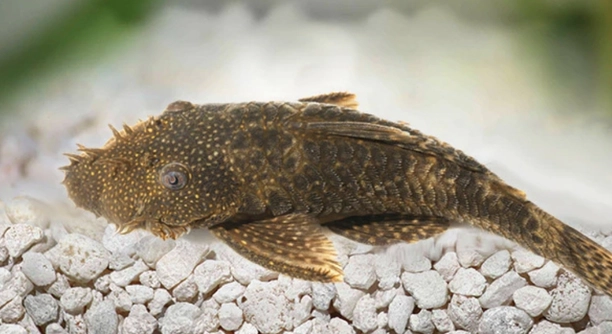
Your pleco may not be settling into the tank as expected, which could be a bit frustrating for you as an aquarium owner. It’s important to understand what’s happening to help ensure your fish thrives in its environment.
The primary reason your pleco might not be adjusting to the tank is stress from environmental factors such as water conditions, tank mates, or an unfamiliar habitat. Changes in water temperature, pH, or tank setup can affect your pleco’s behavior.
Identifying and addressing these factors will help your pleco feel more comfortable and settled. With the right approach, your pleco can start enjoying its new home.
Water Conditions Are Key
Your pleco’s behavior can often be traced back to water conditions. Plecos are sensitive to changes in water temperature, pH, and hardness. If any of these factors are off, your pleco may struggle to adjust. Check the temperature regularly, ensuring it stays within the ideal range for your pleco, typically between 74°F and 80°F (23°C – 27°C).
Make sure the pH level of the water is between 6.5 and 7.5, which is ideal for most pleco species. If your water has high levels of chlorine or ammonia, this can also cause stress, leading to poor adjustment.
Maintaining a consistent environment helps your pleco settle in quickly. Regular water changes, proper filtration, and using water conditioners will improve the tank’s overall health. Keeping the water clean is essential not only for the pleco but also for the overall ecosystem in your tank.
Tank Size and Setup
Your pleco might not feel settled if the tank is too small or lacks hiding spaces.
Plecos are active swimmers, and they need plenty of space to thrive. A larger tank allows for more natural behaviors and better overall health. Ideally, a 20-gallon tank or larger is recommended.
Additionally, adding caves, driftwood, and plants will give your pleco spots to hide when feeling stressed. Plecos often appreciate a sense of security, and providing these hiding places can make a huge difference in their comfort. A well-planted tank also mimics their natural habitat, which can help them feel more at ease.
Creating the right environment for your pleco will encourage it to explore and settle into its new home. If there aren’t enough spaces for it to retreat, your pleco might feel overwhelmed, increasing its stress levels. Make sure your tank setup offers variety and enough space for your pleco to move around freely.
Tank Mates Matter
Plecos are peaceful, but not all tank mates are compatible. Aggressive fish or overly active species can intimidate your pleco, causing stress and making it reluctant to settle. Ensure your pleco’s tank mates are calm and non-aggressive.
Fish like bettas, cichlids, or overly active species can make your pleco feel threatened. Choose peaceful tank mates that are not territorial and won’t compete for food. Ideally, other bottom-dwellers or larger, slower fish work well with plecos. When your pleco feels safe, it’s more likely to adjust to its new environment.
Watch for signs of aggression from tank mates. If your pleco hides excessively or seems reluctant to eat, it could be due to tank mate stress. Monitor behavior and make changes if necessary. The right tank mates will help create a balanced and peaceful atmosphere for your pleco to thrive.
Overfeeding or Undernourishing
Feeding your pleco the wrong foods or overfeeding can cause problems with its adjustment to the tank. Plecos are algae eaters and need a balanced diet. Too much commercial fish food can upset their digestive system.
While they do enjoy sinking pellets and algae wafers, they need variety. Make sure to include fresh vegetables like zucchini or cucumber in their diet to maintain health. Overfeeding can lead to excess waste in the tank, which affects water quality. A clean environment is important for your pleco’s comfort and wellbeing.
It’s essential to feed your pleco in moderation and observe how much it consumes. Overfeeding leads to water pollution, while underfeeding can stress your pleco. Finding the right balance will ensure your pleco stays healthy and calm, making it more likely to settle into the tank.
Stress from Tank Changes
Frequent changes in the tank setup can make your pleco feel unsettled. They prefer stability and may have trouble adjusting if you’re constantly rearranging decorations or changing the water conditions. Keep changes minimal.
Rearranging the tank frequently can disrupt your pleco’s sense of security. If you must move things around, do so gradually, allowing your pleco time to adjust. Constant changes add unnecessary stress, which may prevent your pleco from feeling at home. Keep the environment stable to reduce anxiety.
Plecos need time to acclimate to their environment. Sudden changes in tank decoration or water conditions can stress them out, making it harder for them to relax and adjust. Try to limit changes and keep the tank environment as consistent as possible.
Overcrowding
Overcrowding can cause issues for your pleco, as too many fish can limit its space and food. Plecos thrive in tanks with fewer, carefully selected tank mates. A crowded tank leads to competition for resources, which can increase stress.
If you notice your pleco hiding more often or behaving differently, it could be because it feels cramped. Ensure the tank has adequate space for all inhabitants and doesn’t feel overcrowded. A spacious tank allows your pleco to feel less stressed, giving it room to roam and explore.
A well-planned tank will help your pleco thrive. Giving your pleco space to move freely will allow it to feel more secure and make it easier to settle. Avoid overcrowding to reduce stress levels and ensure the health of all your fish.
Poor Water Filtration
Inadequate filtration can negatively affect your pleco’s health and behavior. Plecos prefer clean, well-oxygenated water. If the filtration system is insufficient or the water isn’t circulating properly, it may make your pleco uneasy.
Make sure your filter is suitable for the size of the tank and provides adequate water flow. Plecos thrive in tanks with clean, filtered water, so investing in a good filtration system is crucial for their comfort. A properly filtered tank helps to maintain stable water conditions, keeping your pleco happy.
FAQ
Why is my pleco hiding all the time?
Plecos are nocturnal creatures, so it’s normal for them to hide during the day. However, excessive hiding could also be a sign of stress or discomfort. It’s important to check the water conditions, tank mates, and the general environment. If the pleco is hiding more than usual, it may be trying to avoid aggressive tank mates, or the water conditions could be unsuitable. Make sure to provide hiding spots like caves or driftwood for your pleco to feel secure. A pleco that feels safe will come out more often.
How can I tell if my pleco is sick?
Sick plecos might show signs like reduced activity, loss of appetite, or unusual swimming behavior. If your pleco is scratching against objects in the tank or has visible lesions or discoloration, it could be a sign of illness. Observe your pleco for any changes in its behavior and physical appearance. Additionally, watch for changes in its eating habits or if it becomes lethargic. If you notice these symptoms, it’s a good idea to check water quality and seek advice from an aquarium professional.
Can plecos live with other fish?
Yes, plecos can live with other fish, but choosing the right tank mates is key. Plecos are generally peaceful, but they may become stressed if housed with aggressive or overly active fish. Smaller fish that are more territorial or fast-moving, like bettas or goldfish, can cause stress for plecos. Instead, try keeping plecos with other calm, non-aggressive species, such as peaceful catfish, tetras, or guppies. Be mindful of the pleco’s size when selecting tank mates, as larger plecos may intimidate smaller fish.
Why is my pleco not eating?
If your pleco is not eating, the first thing to check is the water conditions. Poor water quality can cause a lack of appetite. Plecos also rely on algae and other plant matter for nutrition, so make sure there’s enough for them to graze on. Offer them algae wafers, vegetables like zucchini or cucumber, and other sinking pellets designed for plecos. If your pleco still refuses to eat after a few days, it could be stressed, ill, or dealing with poor tank conditions. Make sure the environment is calm, stable, and clean.
How do I get my pleco to breed?
Breeding plecos requires specific conditions. Ensure your pleco tank mimics the natural environment with stable water parameters, proper filtration, and a suitable tank size. You’ll need a separate breeding area or caves, as plecos prefer to lay eggs in dark, secure spaces. The water temperature should be slightly warmer than usual (around 80°F or 27°C) to trigger breeding behavior. Make sure both males and females are healthy and well-fed before trying to breed them. While it can be tricky, keeping the right environment will encourage your plecos to breed.
What’s the best diet for my pleco?
Plecos are primarily herbivores, but their diet can be supplemented with high-quality sinking pellets designed for bottom feeders. Provide algae wafers, fresh vegetables like zucchini, cucumber, or spinach, and occasional protein-rich foods like shrimp or worms. Their diet should be varied to keep them healthy and ensure they get the necessary nutrients. Overfeeding can lead to poor water quality, so it’s important to feed in moderation. Watch your pleco’s eating habits and adjust their food intake accordingly to avoid stress and health issues.
Can plecos live in cold water?
Plecos are tropical fish and prefer warm water temperatures between 74°F and 80°F (23°C – 27°C). They can tolerate short-term fluctuations, but prolonged exposure to cold water can lead to stress and illness. If you live in a colder climate, make sure to use a heater to maintain a stable temperature in the tank. Cold water can weaken your pleco’s immune system and affect its overall health. Keeping the water in the optimal range ensures that your pleco remains healthy and comfortable in its environment.
What kind of filtration do plecos need?
Plecos produce a lot of waste, so a strong filtration system is essential. You’ll need a filter that’s rated for your tank size and capable of handling the bioload from the pleco and any other fish in the tank. A filter that provides good water circulation will also help keep the tank oxygenated. Make sure the filter doesn’t create too much current, as plecos prefer calm water. Regular maintenance of the filter and the tank’s water quality is crucial to prevent problems like algae growth and to keep your pleco healthy.
Why is my pleco turning brown?
Some plecos naturally change color depending on their environment, age, or health. However, if your pleco is turning brown, it could be due to stress, poor water conditions, or a lack of proper diet. Brown coloration can also be a sign of stress from tank changes, poor water quality, or incompatible tank mates. Ensure your pleco is getting a balanced diet and that the water quality is optimal. If the brown color persists, consider checking for underlying health issues or environmental stress factors.
How long do plecos live?
Plecos can live for many years with proper care. On average, they can live 10 to 15 years, and some species may live even longer if kept in ideal conditions. Providing a stable environment, a balanced diet, and regular maintenance will ensure your pleco lives a long, healthy life. It’s also important to monitor tank conditions regularly, as changes in water temperature, pH, or tank mates can shorten their lifespan. Proper care and attention can help you enjoy your pleco for many years to come.
Final Thoughts
Taking care of a pleco can be a rewarding experience, but it requires attention to detail. These fish have specific needs that, if met, can help them thrive in your tank. A healthy pleco is an active and beautiful addition to any aquarium. It’s important to monitor water quality, maintain a proper tank setup, and choose appropriate tank mates. Plecos are generally hardy, but they do better when the environment is stable and stress-free. By understanding what they need, you can ensure they remain healthy and comfortable for years to come.
Remember, plecos are bottom feeders and need plenty of food that suits their natural diet. They will graze on algae, but offering them additional vegetables and sinking pellets will help them get the necessary nutrients. A balanced diet is crucial to their well-being. Also, while plecos are low-maintenance in terms of care, they can become stressed or anxious if their tank conditions change too drastically. They rely on a calm and predictable environment. If you notice any unusual behavior, such as hiding more often or changes in appetite, it could be a sign of stress or poor water quality.
Finally, the health and happiness of your pleco depend on a few simple but important factors: maintaining clean water, ensuring the tank is large enough, and providing a peaceful setting with compatible tank mates. With the right care and attention, your pleco will not only settle into the tank but also contribute to the overall balance and beauty of your aquarium. A little effort goes a long way in creating a comfortable home for these peaceful creatures. By keeping an eye on their behavior and environment, you can avoid most common issues and enjoy your pleco for many years.

Hello,
If you enjoy the content that we create, please consider saying a "Thank You!" by leaving a tip.
Every little bit helps us continue crafting quality advice that supports the health, happiness, and well-being of pets around the world, for pets of all shapes, sizes, and species.
We really appreciate the kindness and support that you show us!