
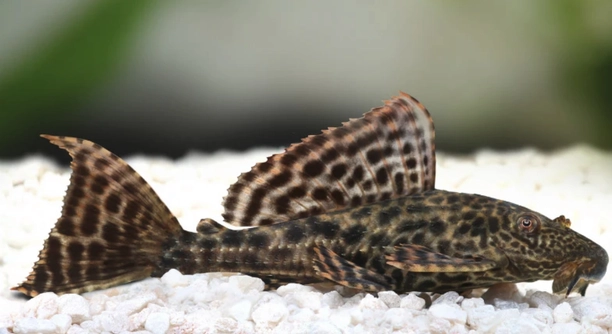
Is your pleco refusing to eat during feeding time, even though you’ve tried different foods and made sure the tank is clean?
The most common reason a pleco won’t eat at feeding time is stress from environmental factors such as poor water quality, improper temperature, or lack of hiding spots. Addressing these issues can significantly improve feeding behavior.
Understanding what affects your pleco’s appetite can make a big difference in their health and routine. Let’s look at what could be going wrong and how to fix it.
Common Reasons Your Pleco May Not Be Eating
Plecos are sensitive to changes in their environment, and even small issues can affect their appetite. Water quality is one of the biggest factors—ammonia spikes, pH imbalances, or high nitrate levels can stress them out. Make sure the tank is properly cycled, and test water regularly. Temperature also matters. If it’s too cold or too warm, plecos may stop eating. Some plecos are shy and need quiet, dark spaces to feel safe enough to come out and feed. Another thing to consider is diet. Many plecos are not just algae eaters—they need a mix of veggies, sinking pellets, and even protein. If they’re only being offered one type of food, they might not be interested. Feeding time should also match their natural behavior. Since many plecos are nocturnal, food left out during the day might go unnoticed. Try feeding them after lights go out to encourage better response.
Not all plecos eat the same. Some prefer driftwood or need specific nutrients that are missing from basic tank setups.
It’s important to observe your pleco’s behavior closely. If it’s hiding all day or showing no interest in food, it might be reacting to stress or discomfort. Tweak one thing at a time to see what helps.
What You Can Do to Help
Start by checking water parameters with a reliable test kit. Clear water isn’t always clean, and unstable conditions may stop your pleco from feeding.
Once the water checks out, focus on the feeding routine. Offer food when the lights are off, and try a variety of options. Blanched zucchini, cucumber slices, and algae wafers are good starters. Also, make sure your pleco is the right type for your setup. Bristlenose plecos, for example, have different needs than common plecos. Look into whether they require wood in their diet or if they need more plant matter. Adding driftwood can help both diet and comfort. Observe how they behave when the tank is quiet. If they only come out late at night, adjust feeding to that time. Keep other fish from outcompeting them for food by feeding in separate areas. A hiding spot near food can also help them feel secure while eating. Keep trying small changes, and you’ll likely see a difference.
Other Factors That Might Affect Feeding
Lighting can make plecos feel exposed, especially if there’s no shade or shelter in the tank. Bright lights during feeding time may cause them to hide rather than eat.
Tankmates also influence feeding. Aggressive or fast-swimming fish can stress plecos or outcompete them for food. If your pleco is in a community tank, observe whether it’s being bullied or simply can’t get to the food fast enough. Separating food in different areas of the tank may help. Overfeeding the tank can also reduce appetite. Rotting food affects water quality and may make your pleco avoid eating.
Medications or recent changes in the tank can reduce interest in food. If you’ve recently treated the tank for anything, your pleco might need a few days to adjust. Some fish also eat less during molting phases or when they’re settling into a new home. Keep the tank calm and monitor behavior closely.
How to Encourage Better Eating Habits
Use sinking foods that are rich in vegetables and easy to chew. Soft blanched veggies like zucchini or peas work well. Let them cool before adding them to the tank, and remove leftovers after a few hours.
Adding shaded areas or caves gives plecos a better sense of security. This encourages them to come out and feed more often. Try placing food near these spots so they don’t need to search too far. Feeding them after lights go off is often more successful. If you want to watch them eat, consider using a dim blue light at night. Some owners also use feeding clips to secure food in place, which prevents it from floating away. Keep a feeding schedule, and avoid switching foods too often. Once your pleco feels comfortable and knows when to expect food, it’s more likely to eat regularly. Patience and consistency often bring the best results.
Seasonal and Behavioral Changes
Some plecos eat less when the seasons shift, especially if room temperature changes affect the tank water. Lower temperatures can slow down their metabolism, causing them to eat less than usual.
New environments or rearranged tank decor may throw off their routine. Plecos often take time to adjust before resuming normal feeding.
When to Be Concerned
If your pleco hasn’t eaten for several days and is showing signs like sunken eyes, weight loss, or clamped fins, it may be sick. Infections, parasites, or internal issues could be at play. In these cases, it’s best to isolate the fish and contact a vet familiar with aquatic animals. Also, check for signs of bloating or discoloration, which can indicate digestive problems or bacterial infections. Don’t delay treatment if behavior seems abnormal for more than a few days. Early action can help your pleco recover faster and prevent issues from spreading to other fish.
Foods to Avoid
Avoid feeding plecos only algae wafers or flakes. These alone don’t meet their full dietary needs and can lead to deficiencies over time.
FAQ
Why is my pleco not eating even though the water quality is fine?
If your pleco is still refusing food despite clean water, stress from other factors might be the issue. Tankmates, environmental changes, or even lighting can affect its appetite. For instance, overly bright lighting can make plecos feel exposed and stressed. Try adjusting the lighting to a dimmer level and provide hiding spots, like caves or plants. A more secure environment can encourage feeding. It’s also possible your pleco prefers specific types of food or feeding times that aren’t aligned with what you’ve been offering.
What is the best food for a pleco?
Plecos are omnivores, so they need a varied diet. High-quality sinking pellets made for plecos provide essential nutrients. Additionally, they thrive on blanched vegetables like zucchini, cucumber, and peas. You can also offer driftwood to aid digestion, as some plecos rely on it. Algae wafers are great as well but should not be the only food source. Ensure you’re giving a good mix of plant-based foods and occasional protein. This diversity keeps your pleco healthy and satisfied.
Can I feed my pleco too much?
Yes, overfeeding is a common problem. Plecos tend to eat what’s offered, even when they’re full, leading to excess waste and poor water quality. This can also cause health problems like bloating or constipation. To avoid this, only feed your pleco the amount it can consume in a few hours, and remove any uneaten food. Keeping a consistent feeding schedule will help manage how much they eat and maintain healthy tank conditions.
Is my pleco not eating because it’s stressed?
Stress can absolutely affect a pleco’s appetite. Factors like high traffic around the tank, aggressive tankmates, or sudden changes in water temperature can cause anxiety. Make sure your pleco has a calm, quiet environment with plenty of hiding spots. Reduce disturbances around the tank and ensure that other fish aren’t crowding it during feeding time. Sometimes, it may take a little while for a pleco to settle into a new home or adjust to changes.
How do I know if my pleco is sick?
Signs that your pleco may be sick include a lack of appetite for several days, unusual swimming behavior, visible wounds, or bloated appearance. If the pleco is lethargic or hiding constantly, this could also indicate illness. Check for any abnormal spots, swelling, or discoloration, which can suggest bacterial or parasitic infections. If these symptoms persist, it’s best to consult with an aquarium vet to diagnose and treat the issue early.
Why is my pleco eating other fish food but not the food I offer?
Plecos can be picky eaters. If they’re eating food meant for other fish but ignoring their own, it could be a preference issue. Some plecos may prefer certain types of food, like protein-rich options, or might be more active during certain times of day. If they’re eating food that sinks faster or is easier to access, they may simply favor it over what you offer. Experiment with different types of food and ensure you’re offering it at the right time (e.g., when the lights are off if they’re nocturnal).
Can I feed my pleco meat?
Yes, plecos can eat some animal-based foods. They do well with occasional protein sources, such as shrimp, worms, or fish flakes with protein content. However, they should not be fed animal protein exclusively, as they need a balance of plant-based foods too. Overdoing meat can cause digestive problems or obesity. Keep a good balance and offer protein as a treat rather than a staple of their diet.
How often should I feed my pleco?
Plecos are typically fed once a day or every other day, depending on their size and the tank’s bio-load. Baby plecos or active ones may need more frequent feedings, while adult plecos can go longer without food. It’s important to only feed what they can eat in a few hours to avoid polluting the tank. Always remove any leftover food to maintain water quality. Establishing a routine feeding time helps your pleco know when to expect food, which can encourage better eating habits.
Can a pleco go without eating for a while?
Plecos can survive for a short time without eating, but it’s not ideal. Most plecos can go without food for a few days, but prolonged periods of fasting can cause malnutrition, especially if they don’t have access to natural algae or other food sources. If your pleco isn’t eating, it’s important to determine why. If it’s due to stress, illness, or environmental factors, addressing those issues can restore its appetite. Regular feeding is crucial for their long-term health.
How can I improve my pleco’s diet?
To improve your pleco’s diet, make sure to offer a variety of foods. Include sinking pellets, blanched vegetables, algae wafers, and even occasional protein like bloodworms or shrimp. Add driftwood to provide additional fiber for digestion. Keep the diet balanced with enough plant-based foods to match their omnivorous nature. Regularly check the water quality and adjust feeding habits based on your pleco’s preferences. If you notice your pleco avoiding certain foods, try offering alternatives or changing up the routine.
Final Thoughts
Understanding why your pleco isn’t eating can take some time and observation. Plecos are generally easygoing, but like all fish, they have specific needs that must be met. Water quality, tankmates, and even the time of day can impact their feeding behavior. If your pleco isn’t eating, it’s important to check water parameters, especially ammonia, nitrite, and nitrate levels. These can quickly become harmful if neglected and might be the reason your pleco isn’t interested in food. Regular water testing and maintenance can help prevent many common feeding issues.
Diet also plays a key role in ensuring your pleco eats properly. While plecos are known for eating algae, they need a varied diet to stay healthy. This includes vegetables like zucchini and peas, as well as sinking pellets and occasional protein. If you’ve been offering the same food every day, consider switching things up to keep their interest. Some plecos, especially the more shy varieties, may prefer food after lights out or near a hiding spot. Making small changes to the feeding routine can sometimes make a big difference.
If your pleco’s appetite doesn’t improve, it might be dealing with stress or an illness. Stress can be caused by things like aggressive tankmates, poor water conditions, or changes in the tank’s environment. Keep an eye out for any signs of disease, like bloating, discoloration, or lethargy. If these signs appear, it’s crucial to address them quickly. In some cases, a trip to the vet or quarantine may be needed. Remember, plecos can be sensitive, so providing a calm, clean, and comfortable environment is key to their well-being.

Hello,
If you enjoy the content that we create, please consider saying a "Thank You!" by leaving a tip.
Every little bit helps us continue crafting quality advice that supports the health, happiness, and well-being of pets around the world, for pets of all shapes, sizes, and species.
We really appreciate the kindness and support that you show us!