
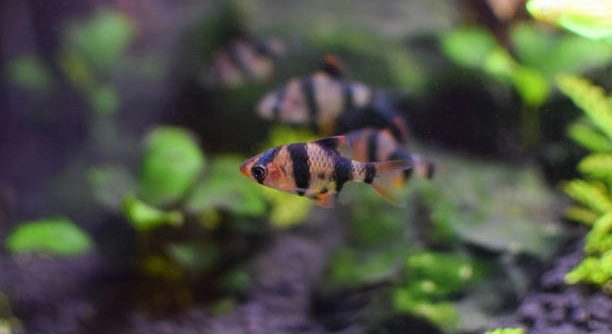
Do your tiger barbs often swim in strange circular patterns, leaving you wondering if their behavior is normal or something to worry about?
Tiger barbs swim in spirals due to a combination of social interaction, environmental exploration, and natural schooling behavior. This movement pattern helps them communicate, establish hierarchy, and stay stimulated in their tank environment, especially when space or enrichment is limited.
Understanding this behavior will help you create a more comfortable and engaging habitat for your tiger barbs, ensuring they remain active and healthy.
What Spiral Swimming Says About Their Behavior
Tiger barbs often swim in spirals when they’re excited, socializing, or responding to changes in their environment. This behavior is natural for them and often linked to their active, group-oriented nature. Spiraling may occur more frequently when they are introduced to new tank mates, during feeding time, or when they’re exploring unfamiliar surroundings. It can also be a way for them to release extra energy, especially in tanks that lack stimulation or variety. This movement can look strange at first, but it’s typically not a sign of illness unless accompanied by other symptoms like clamped fins or labored breathing.
If your tiger barbs are healthy, spiraling isn’t something to worry about. It’s often their way of interacting with each other or their surroundings.
Providing decorations, plants, and enough space will keep their environment enriching and encourage positive, active behavior without overwhelming them.
When Spiral Swimming Becomes a Concern
Spiral swimming can sometimes signal a problem, especially if it’s paired with stress or imbalance.
If you notice a tiger barb spiraling alone or showing signs of confusion or floating difficulties, it could point to a swim bladder issue or a reaction to poor water quality. Sudden changes in pH, temperature, or the introduction of harmful chemicals may also affect their balance. Always monitor ammonia, nitrate, and nitrite levels, and be sure to perform regular water changes. If only one fish is affected, consider isolating it in a separate tank to prevent further stress and allow observation. Feeding peas (with the skin removed) can sometimes help if constipation is the cause. However, if symptoms persist, it may be necessary to consult with a specialist to rule out infections or internal damage. Early intervention helps keep your fish healthy and avoids unnecessary complications. Keeping their environment clean and stable is key.
Creating the Right Environment
Tank conditions play a big role in how tiger barbs behave. A small or bare tank can lead to stress, boredom, and erratic swimming. They need space, hiding spots, and stimulation to stay active and healthy in a balanced way.
Aim for a tank that holds at least 20 gallons for a small group of tiger barbs. Use plants, rocks, and driftwood to break up the space and offer hiding spots. Tiger barbs are active swimmers, so avoid overcrowding or narrow spaces that limit movement. Strong filtration and regular water changes help keep the tank clean, which supports healthy swimming patterns. Always check that the water temperature stays between 74–79°F, with a stable pH between 6.5 and 7.5. Stability is key. When conditions stay consistent, your tiger barbs are less likely to act stressed and more likely to swim calmly, even if they still enjoy their spiraling habits.
Lighting also matters more than you may think. Avoid overly bright light that can cause discomfort or anxiety in tiger barbs. Instead, aim for moderate lighting and include shaded areas with plants. This balance encourages natural swimming patterns and helps the fish feel secure. Calm, confident fish are usually the healthiest and most active.
Social Structure and Tank Mates
Tiger barbs are schooling fish and thrive in groups of at least six. When kept in smaller numbers, they may show aggression, nip fins, or become stressed. A balanced group helps reduce territorial behavior and encourages cooperative swimming, including spiraling.
Adding the right tank mates is just as important as maintaining group size. Avoid pairing tiger barbs with slow-moving or long-finned fish, as they may nip out of boredom or dominance. Ideal companions include other active, similarly sized species like zebra danios, loaches, or certain types of tetras. These tank mates keep the energy level even and help prevent one species from becoming overwhelmed. Watch for signs of stress or conflict and adjust the tank community as needed. Spiraling can sometimes result from tension between fish, so a well-matched tank supports more peaceful interactions and better behavior overall. A harmonious group creates a calm tank, which leads to healthier fish.
Feeding Habits and Effects
Feeding habits can influence how tiger barbs behave in the tank. Overfeeding or irregular feeding times may cause stress or excitement, which can lead to frantic or spiral swimming during or after meals.
A consistent feeding schedule with balanced portions helps reduce this. Feed once or twice daily, using high-quality flakes or pellets.
Recognizing Stress Triggers
Spiral swimming may increase when tiger barbs are exposed to loud noises, sudden movements, or frequent tank disturbances. Stress can also result from frequent changes in lighting, temperature, or water parameters. Minimizing disruptions and keeping a stable routine reduces stress-related behavior and keeps the fish calm.
FAQ
Why do my tiger barbs swim in circles after feeding?
This is usually due to excitement or overstimulation. Tiger barbs are energetic and often become more active after eating. If they swim in circles or spirals right after a meal, it’s likely a burst of energy rather than a health issue. However, it’s important not to overfeed them, as this can cause digestive issues that may also affect their swimming. Stick to small portions once or twice a day, and watch for signs like bloating or floating problems, which may indicate something more serious.
Is spiral swimming always a normal behavior?
Not always. Spiral swimming is often part of their playful, energetic nature, especially in groups. But if the behavior becomes constant, or if a fish appears to be struggling, disoriented, or unable to swim straight, it might be a sign of a health issue. Causes can include swim bladder problems, water quality issues, or stress. Observe the fish closely and check for any other symptoms, such as faded color, clamped fins, or gasping at the surface. If symptoms continue, test the water and consider isolating the fish for treatment.
Can poor water conditions cause spiraling?
Yes, poor water quality is one of the most common stress triggers for fish, including tiger barbs. High levels of ammonia, nitrites, or nitrates can affect their buoyancy and coordination. Changes in temperature or pH can also impact their behavior. A fish living in unstable water conditions may swim oddly or show signs of stress. Keep up with regular tank maintenance, perform water changes weekly, and always use a reliable test kit to monitor water levels. Stable, clean water is essential for both health and normal swimming patterns.
How many tiger barbs should be kept together?
Tiger barbs should be kept in groups of at least six. Keeping too few can lead to bullying or isolation, as they are naturally social and active fish. A larger group helps balance their energy and reduces aggression. When in a healthy group, tiger barbs tend to swim together in playful, coordinated patterns, including spiraling. A proper school helps them feel secure and lowers the chances of stress-based behavior. If space allows, more than six is even better, as it promotes a stable social structure within the tank.
Can spiraling be a sign of bullying or aggression?
Yes, in some cases. If one fish is being chased or isolated by others, it might swim in circles to avoid confrontation or because of stress. This is more likely if the group is too small or if the tank has aggressive individuals. Watch the group dynamic and try to keep the school size balanced. Rearranging tank decorations can also help break up territories and reduce aggressive behavior. If needed, remove the aggressive fish or add more barbs to spread out the focus of attention.
What should I do if only one fish is spiraling?
If one tiger barb is spiraling while the others swim normally, check that fish for signs of illness or injury. Look at its fins, gills, and coloration. Swim bladder issues, infections, or internal problems can all cause abnormal swimming. First, test the water to rule out environmental stress. If the fish shows other symptoms, consider moving it to a separate tank for observation and treatment. Feeding the fish a cooked, peeled pea can sometimes help with digestion-related swim problems. If there’s no improvement, a specialist may be needed.
Do tiger barbs spiral when bored?
Yes, boredom can contribute to unusual or repetitive swimming. A bare or unstimulating tank may leave them with little to do, causing them to chase each other or swim in circles. Adding plants, hiding spaces, and new decorations can help break the monotony and give them places to explore. Keep the layout varied but not overcrowded. You can also occasionally rearrange items in the tank to spark curiosity. A well-decorated tank with enough room helps reduce boredom and supports healthier, more natural behaviors in tiger barbs.
Are certain foods linked to spiral swimming?
Spiral swimming isn’t usually caused by specific foods, but some types can increase the risk of swim bladder problems. Low-quality flakes or high-fat treats may lead to constipation or bloating, which can affect buoyancy. Feed your tiger barbs a balanced diet that includes flakes, pellets, and occasional protein sources like bloodworms or brine shrimp. Make sure portions are small and easy to eat. If you notice irregular swimming after feeding, adjust the diet or feeding method—soaking dry food in tank water before feeding can help reduce air intake.
Final Thoughts
Spiral swimming in tiger barbs is often a natural behavior tied to their energy, social habits, and tank conditions. These fish are very active and like to swim in groups, so their movement can sometimes seem random or overly energetic. In many cases, spiraling is a sign of playfulness, excitement, or a way to explore their surroundings. As long as the fish look healthy and behave normally otherwise, there’s usually no need to worry. It’s important to know what’s normal for your specific group of fish so you can notice any changes early.
Still, there are times when spiral swimming could mean something is wrong. If the behavior is paired with other signs like clamped fins, loss of color, floating problems, or sudden changes in how they interact with other fish, it may point to a health or environmental issue. Water quality problems, stress, or illness can all affect how tiger barbs swim. Testing the water, checking their diet, and making sure the tank is large enough and well-maintained are all small steps that can make a big difference. It’s also helpful to keep a regular care routine, including feeding and cleaning, to create a calm and safe environment for the fish.
Watching tiger barbs swim, especially when they spiral as a group, can be a fun and interesting part of keeping an aquarium. Their behavior often tells you a lot about how they feel in their space. A well-decorated tank with enough room, proper tank mates, and clean water encourages healthy habits and reduces the chances of stress-related behavior. If you stay consistent and pay attention to their routine, you’ll quickly notice if anything seems off. Keeping tiger barbs healthy doesn’t need to be complicated—it just takes a bit of attention, care, and understanding of their natural behavior.

Hello,
If you enjoy the content that we create, please consider saying a "Thank You!" by leaving a tip.
Every little bit helps us continue crafting quality advice that supports the health, happiness, and well-being of pets around the world, for pets of all shapes, sizes, and species.
We really appreciate the kindness and support that you show us!