
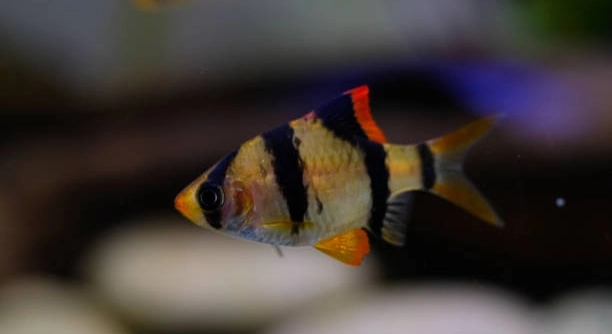
Tiger barbs are popular aquarium fish known for their active swimming and striking colors. Sometimes, their behavior changes suddenly, puzzling many fish owners. Understanding these shifts is important for keeping them healthy and happy in a home tank.
Sudden behavior changes in tiger barbs are typically caused by environmental stress, illness, or social dynamics within the tank. Factors such as water quality, temperature fluctuations, and changes in tankmates often trigger these shifts. Monitoring these elements can help identify the cause.
Recognizing the reasons behind their behavior helps maintain a balanced and peaceful aquarium environment for your tiger barbs. This article will explain what to watch for and how to respond effectively.
Environmental Stress and Water Quality
Changes in water quality can quickly affect tiger barbs’ behavior. Poor water conditions, such as high ammonia or nitrite levels, can stress the fish and cause sudden aggression or lethargy. Temperature shifts also play a role; tiger barbs prefer stable temperatures between 74 and 78 degrees Fahrenheit. If the water becomes too cold or hot, their activity and mood may change. Additionally, low oxygen levels or poor filtration can lead to discomfort and unusual behavior. Regular testing and maintenance are essential to keep the environment safe. When the water is clean and stable, tiger barbs tend to show their natural, lively behavior.
Maintaining good water quality means testing regularly and performing partial water changes. This helps avoid stress that can alter behavior unexpectedly.
Keeping the tank clean and stable requires attention to several factors: monitoring pH levels, temperature consistency, and ensuring proper filtration. A sudden change in any of these can make tiger barbs uneasy. Even a small imbalance in water chemistry can increase their aggression or cause hiding. I found that keeping a consistent schedule for water checks and cleaning helped reduce stress. Adding plants and decorations also gives tiger barbs places to retreat when they feel overwhelmed. This balance supports their natural social behavior and keeps the tank peaceful.
Social Dynamics and Tankmates
Tiger barbs are schooling fish that thrive with company but may turn aggressive if the group is too small or unbalanced.
If kept alone or with fewer than six, they become more aggressive and stressed. They need to swim in groups of at least six to disperse aggression. Introducing peaceful tankmates can reduce tension, but slow-moving or long-finned fish may become targets. It’s important to choose compatible species that can handle tiger barbs’ active nature. Observing how your fish interact daily helps catch problems early. Adjusting the group size or changing tankmates can calm aggressive behavior quickly. Creating a balanced social environment is key to stable behavior in tiger barbs.
Illness and Health Issues
Behavior changes in tiger barbs often indicate health problems. Signs such as sluggishness, loss of appetite, or hiding suggest illness. Prompt attention is needed to avoid worsening conditions.
Many illnesses cause sudden behavior shifts. Common problems include bacterial infections, parasites, and swim bladder disorders. Poor water quality can weaken the immune system, making fish vulnerable. When a tiger barb acts differently, closely inspect it for visible symptoms like spots, discoloration, or fin damage. Quarantining sick fish and treating with appropriate medication helps prevent spread. Regular observation and good tank hygiene reduce the risk of disease outbreaks.
I once noticed my tiger barbs suddenly hiding and losing interest in food. Testing water parameters revealed a spike in ammonia, which stressed them and led to illness. After fixing the water and treating their tank, their behavior returned to normal. This experience showed me how critical health monitoring is for behavior stability.
Changes in Diet and Feeding Routine
Feeding changes can affect tiger barbs’ mood and activity levels. Sudden diet shifts may cause stress or aggression.
Tiger barbs require a balanced diet of flakes, pellets, and occasional live or frozen foods. If their food is suddenly changed or irregularly offered, their behavior can shift as they adjust. Overfeeding can lead to poor water quality, further stressing the fish. I learned that keeping a consistent feeding schedule and offering a variety of foods keeps them healthy and calm. Watching their reactions to new foods helps identify preferences and avoid dietary stress.
Providing the right nutrition consistently supports their natural behavior and overall well-being. Avoiding sudden diet changes reduces unnecessary stress and promotes a lively, balanced tank environment.
Tank Size and Space
Tiger barbs need enough space to swim freely. Overcrowded tanks cause stress and increased aggression.
A minimum of 20 gallons is recommended for a small group. More space helps reduce competition and keeps behavior stable.
Lighting and Day-Night Cycle
Proper lighting supports natural behavior. Inconsistent or excessive light can confuse tiger barbs, causing stress.
Maintaining a regular day-night cycle with about 8 to 10 hours of light daily helps keep their routine steady and supports healthy activity levels.
Breeding Behavior
During breeding periods, tiger barbs may become more aggressive or territorial.
This change is temporary but important to recognize to avoid unnecessary worry or tank disturbances.
FAQ
Why do tiger barbs suddenly become aggressive?
Tiger barbs often show aggression when they feel stressed, overcrowded, or when their group size is too small. Keeping fewer than six tiger barbs increases aggression because they don’t have enough companions to spread out their natural dominance behaviors. Poor water quality or sudden changes in the tank environment can also trigger aggressive acts. In my experience, increasing the group size and improving water conditions helped reduce fights and restored balance in the tank.
How can I tell if my tiger barbs are sick?
Signs of illness include lethargy, loss of appetite, hiding more than usual, and visible changes like spots or torn fins. If you notice unusual swimming patterns or rapid gill movement, these can also indicate health problems. Early detection is important. I learned that routine tank checks and observing behavior daily helped catch illness before it spread or worsened.
What should I do if my tiger barbs fight too much?
First, check your tank size and group numbers. At least six tiger barbs are needed to minimize aggression. Ensure water parameters are stable and the tank isn’t overcrowded. Adding hiding places and plants can give fish space to avoid conflict. If aggression continues, consider rearranging decorations or separating the most aggressive individuals temporarily.
Can diet changes cause behavior shifts in tiger barbs?
Yes, sudden changes in diet can stress tiger barbs and affect their behavior. They do best with a consistent feeding routine that includes a mix of flakes, pellets, and occasional live or frozen food. Overfeeding can also reduce water quality, indirectly causing stress and aggression. Keeping a steady diet helped me maintain calmer fish.
Why do tiger barbs hide suddenly?
Hiding often means the fish feel stressed or unsafe. Causes include poor water quality, sudden loud noises, or aggressive tankmates. Sometimes, illness or new additions to the tank make them retreat. When my fish hid more, I checked water conditions and rearranged decorations to create safer spots, which helped them feel more comfortable.
How important is tank maintenance for behavior?
Very important. Dirty water or unstable conditions cause stress and can change behavior quickly. Regular water testing and partial water changes keep the environment stable. I follow a weekly maintenance schedule to keep my tiger barbs healthy and active, which makes a noticeable difference in their behavior.
Do lighting and day-night cycles affect tiger barbs?
Yes. Inconsistent or too bright lighting can confuse tiger barbs and cause stress. A regular day-night cycle of 8 to 10 hours of light promotes natural behavior. I use a timer on my aquarium light to keep their schedule consistent, which helps avoid sudden behavior changes.
What role do tankmates play in tiger barb behavior?
Tankmates can impact aggression and stress levels. Tiger barbs are active and sometimes nippy, so slow or long-finned fish may get targeted. Compatible, similarly active fish reduce tension. I learned to avoid keeping very calm or delicate species with tiger barbs to prevent bullying and maintain peace.
Can breeding cause sudden behavior changes?
Yes, breeding periods often bring increased aggression and territorial behavior. These changes are usually temporary but can be intense. Recognizing this helps prevent unnecessary stress. I separated breeding pairs when aggression became too much to protect the other fish.
How do I create a peaceful environment for tiger barbs?
Maintain good water quality, keep a group of six or more, and provide plenty of space and hiding places. Consistent feeding and stable lighting help. Watching their interactions daily and acting early on any signs of stress or aggression supports a calm tank. This approach worked well in my experience.
Tiger barbs are lively and colorful fish that can bring a lot of energy to an aquarium. However, their behavior can sometimes change unexpectedly, which can be confusing or worrying for their owners. These changes often result from factors like water quality, social dynamics, health, or diet. Paying close attention to their environment and daily habits is key to understanding what might be causing these shifts. By doing this, it becomes easier to create a stable and comfortable home for them.
Maintaining good water quality is one of the most important steps in keeping tiger barbs healthy and happy. Regular testing and water changes help prevent stress caused by poor conditions. Providing enough space and the right number of tiger barbs also reduces aggression and promotes natural behavior. Their social needs are unique; they do best in groups of six or more, which helps spread out any aggressive tendencies. Including suitable tankmates and giving them hiding spots further supports a peaceful environment. These simple but consistent efforts often result in fewer behavior problems.
Behavior changes can also signal health issues, so early detection and treatment are vital. Watching for signs like loss of appetite, hiding, or unusual swimming can help catch problems before they worsen. Feeding a balanced diet and maintaining a steady feeding routine supports overall well-being. Lighting and a consistent day-night cycle also play a role in their comfort. Understanding these factors and responding promptly will help ensure your tiger barbs stay active, healthy, and vibrant in your aquarium for a long time.

Hello,
If you enjoy the content that we create, please consider saying a "Thank You!" by leaving a tip.
Every little bit helps us continue crafting quality advice that supports the health, happiness, and well-being of pets around the world, for pets of all shapes, sizes, and species.
We really appreciate the kindness and support that you show us!