
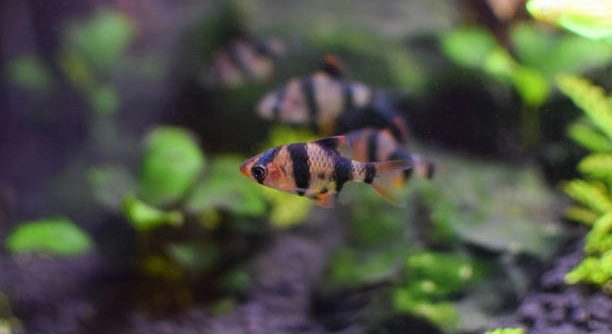
Tiger barbs are active fish that often move quickly around the tank. After feeding, they sometimes stay still for a while, which can seem unusual to many fish keepers. This behavior has a simple explanation linked to their digestion and energy use.
Tiger barbs remain still after feeding to conserve energy and aid digestion. During this resting period, their bodies focus on breaking down food, which requires less movement to optimize metabolic processes and reduce stress on their system.
Understanding this resting behavior can improve how you care for your tiger barbs and ensure they stay healthy and comfortable in their environment.
Why Tiger Barbs Stay Still After Feeding
Tiger barbs are known for their lively and active nature, often swimming energetically through the aquarium. However, right after eating, they tend to pause and stay still. This behavior helps them digest their food properly. During digestion, blood flow increases around their stomach, so less energy is available for swimming. Staying still reduces the strain on their bodies and helps the digestive system work efficiently. It also lowers their risk of injury or stress while their body is focused on breaking down food. This pause can last anywhere from a few minutes to half an hour, depending on the fish’s size and the amount eaten. Watching them remain motionless during this time is perfectly normal and part of their natural routine. It shows their body is working behind the scenes to process nutrients and prepare for their next burst of activity in the tank.
This resting phase is essential for their overall health and helps prevent digestive problems that might arise from constant movement.
By recognizing this pattern, you can better understand your tiger barbs’ behavior and avoid unnecessary worry when they pause after meals. This knowledge allows you to provide a calm environment for them to rest and digest comfortably. You might even notice that they become more energetic once this still period ends, ready to swim and explore again. Offering small, frequent meals rather than one large feeding can support this natural rhythm and keep their digestion smooth. Paying attention to their post-feeding behavior can give you insights into their well-being and help you maintain a healthy aquarium balance.
Factors Affecting Tiger Barb Digestion
Tiger barbs’ digestion speed can vary based on temperature, diet, and activity level.
Water temperature plays a major role in how quickly their bodies process food. Warmer water speeds up metabolism, while cooler water slows it down. Diet quality also affects digestion; easily digestible foods help them stay healthy and avoid digestive issues. If their diet includes hard-to-digest items, they might stay still longer after feeding to manage the extra effort. Their activity level before and after eating impacts digestion too—more swimming means more energy spent, which can affect how long they rest. By controlling these factors, you can support your fish’s natural behavior and ensure they remain comfortable in their tank environment. This careful balance helps promote better digestion and overall health.
Feeding smaller portions more often and maintaining stable water conditions helps tiger barbs stay active and healthy.
How Feeding Habits Influence Resting Behavior
Tiger barbs’ resting after eating depends a lot on how and what they eat. Overfeeding makes digestion harder, so they stay still longer to process food. Smaller, frequent meals help them digest more easily and reduce resting time.
Feeding habits directly impact digestion speed and energy use. If they get too much food at once, it stresses their system and causes longer stillness. Overfeeding can also lead to bloating or swim bladder issues, which makes movement uncomfortable. Balanced portions keep their digestive system working smoothly and help maintain healthy activity levels after meals.
Offering a variety of foods like flakes, pellets, and occasional live or frozen treats supports proper nutrition and digestion. Sticking to a regular feeding schedule helps tiger barbs develop a routine, making their resting periods more predictable. Feeding them in small amounts encourages better digestion and reduces time spent inactive. This approach benefits their overall health and tank behavior.
The Role of Water Quality and Environment
Clean water and a calm environment are crucial for tiger barbs’ digestion and resting behavior. Poor water quality can stress fish, affecting their energy and digestion.
High ammonia or nitrite levels can slow down digestion and make fish less active. Maintaining proper filtration and regular water changes keeps the environment stable, helping tiger barbs digest food efficiently. A calm tank with hiding spots allows them to feel safe while resting after feeding. Stress from aggressive tank mates or loud surroundings can disrupt this natural resting time and cause unhealthy behavior. Ensuring good water quality and a peaceful environment supports both digestion and overall fish well-being.
Signs of Healthy Digestion in Tiger Barbs
Healthy tiger barbs show normal resting after feeding without appearing lethargic. Their color remains vibrant, and they swim actively once digestion is complete.
They continue to eat regularly and show interest in their environment, indicating good digestion and overall health.
Impact of Stress on Resting Patterns
Stress can cause tiger barbs to rest more or less than usual. Stressors like poor water quality, overcrowding, or aggressive tank mates disrupt their digestion and natural behavior. Chronic stress weakens their immune system, making it harder to digest food properly and causing abnormal resting patterns that can signal health issues.
Tips to Encourage Healthy Resting Behavior
Provide a stable environment with clean water and consistent feeding schedules. Avoid overfeeding and keep tank conditions calm to support natural digestion and resting cycles.
Common Misunderstandings About Tiger Barb Behavior
Tiger barbs resting after feeding is often mistaken for sickness, but this is normal unless accompanied by other symptoms.
Why do tiger barbs stay still after feeding?
Tiger barbs stay still after feeding to focus energy on digestion. When they eat, blood flow increases to their digestive organs, reducing the energy available for swimming. Staying still helps them break down food efficiently without extra physical stress. This behavior is normal and shows their body is working to process the meal.
Is it normal for tiger barbs to rest for a long time after eating?
Yes, it can be normal for tiger barbs to rest anywhere from several minutes to about 30 minutes after eating. The length depends on factors like how much they ate, water temperature, and the type of food. If they rest much longer or show other signs of distress, then there may be a problem to address.
Can overfeeding cause tiger barbs to stay still more than usual?
Absolutely. Overfeeding puts extra strain on their digestive system, causing them to remain inactive longer as they work to digest a larger meal. It can also lead to health problems like bloating or swim bladder issues. Feeding smaller portions more frequently helps prevent this.
What types of food are best for tiger barbs to aid digestion?
Tiger barbs do well with a balanced diet of high-quality flakes or pellets designed for tropical fish. Supplementing with occasional live or frozen foods like brine shrimp or bloodworms adds nutrition and variety. Avoid overfeeding and hard-to-digest foods to keep their digestion smooth.
How does water temperature affect their resting after feeding?
Warmer water increases their metabolism, meaning tiger barbs digest food faster and may rest for a shorter time after eating. Cooler water slows metabolism, so resting periods may be longer. Keeping the tank temperature stable within the recommended range (around 74-78°F or 23-26°C) helps maintain healthy digestion.
What role does water quality play in tiger barbs’ post-feeding behavior?
Good water quality is essential. Poor water conditions stress tiger barbs, which can interfere with digestion and make them less active. High levels of ammonia, nitrites, or nitrates can cause discomfort and prolong resting periods. Regular water changes and proper filtration keep their environment safe and support normal behavior.
Can stress from tank mates affect tiger barbs’ digestion and resting?
Yes. Aggressive or overly active tank mates can stress tiger barbs, causing irregular resting patterns and impacting digestion. Stress reduces immune function and can lead to health issues. Providing enough space, hiding spots, and compatible tank mates helps reduce stress and supports normal resting behavior.
Should I be worried if my tiger barb stays still after feeding?
Usually, no. Staying still after feeding is natural and helps with digestion. However, if your fish shows additional symptoms like loss of appetite, gasping at the surface, unusual swimming, or changes in color, it may indicate illness or digestive trouble. Monitoring their behavior over time helps identify if intervention is needed.
How often should I feed tiger barbs to support healthy digestion?
Feeding tiger barbs small amounts two to three times a day is ideal. Frequent, smaller meals reduce digestive stress and keep energy levels steady. Avoid feeding once daily large portions, which can cause overeating and longer resting periods.
What can I do to help tiger barbs digest better after feeding?
Maintain stable water temperature and quality, feed balanced diets in small portions, and provide a calm environment. Avoid overcrowding and aggressive tank mates to reduce stress. These factors support natural digestion and allow tiger barbs to rest comfortably after meals.
Can tiger barbs get digestive problems from poor resting behavior?
If tiger barbs are forced to stay active right after eating or are stressed, digestion can be disrupted, leading to issues like constipation or swim bladder disorders. Allowing them to rest naturally after feeding supports healthy digestion and reduces these risks.
Is it normal for tiger barbs to rest at the bottom or stay in one spot after feeding?
Yes, resting in one spot or near the bottom of the tank is common after feeding. This behavior conserves energy and supports digestion. If the fish looks otherwise healthy and returns to normal activity later, this resting pattern is not a concern.
How can I tell if resting after feeding is a sign of illness?
If resting is combined with other signs such as clamped fins, faded colors, rapid breathing, or refusal to eat over several days, it could indicate illness. Consistent unusual behavior should prompt water tests and possibly consultation with an aquatic vet.
Does tank size affect tiger barbs’ post-feeding resting?
Tank size itself doesn’t directly affect resting, but overcrowding in small tanks causes stress, which can impact digestion and behavior. Providing enough space reduces stress and supports healthy digestion and natural resting after feeding.
What should I avoid feeding tiger barbs to prevent long resting periods?
Avoid feeding large quantities of hard-to-digest foods or overfeeding in general. Avoid low-quality food with fillers or additives that may upset their digestive system. Stick to balanced tropical fish foods and occasional treats to keep digestion smooth and resting times normal.
Can tiger barbs’ age affect how long they stay still after feeding?
Younger or smaller tiger barbs may digest food faster and rest less, while older or larger fish might take more time to process meals. Age-related metabolism differences are normal and affect resting length after feeding.
Is resting after feeding unique to tiger barbs?
No, many fish species show similar resting behavior after eating. It is a natural part of their biology to conserve energy for digestion and recovery. Recognizing this helps avoid misinterpreting normal behavior as a health problem.
Tiger barbs staying still after feeding is a natural and healthy behavior. It helps their bodies focus on digesting food without using extra energy for swimming. This resting period varies from fish to fish but generally lasts from a few minutes up to half an hour. Understanding this helps avoid unnecessary worry when you see your tiger barbs pause after eating. Their stillness means their digestive system is working well, breaking down food to provide energy for their next swim. Recognizing this natural pattern allows you to care for them better and create an environment that supports their health.
Several factors influence how long tiger barbs stay still after feeding. The amount and type of food you give them play an important role. Overfeeding or feeding hard-to-digest foods can make them rest longer as their bodies work harder to process the meal. Water temperature and quality also affect digestion speed and resting behavior. Warmer water speeds up metabolism, leading to shorter resting times, while poor water quality can stress fish and slow down digestion. Keeping a clean tank with stable conditions and feeding balanced meals in small amounts supports their digestion and encourages natural resting patterns.
Paying attention to your tiger barbs’ behavior after feeding helps you notice when something might be wrong. Resting is normal, but if you see signs like loss of appetite, faded colors, or unusual swimming, it may indicate health issues. Providing a calm environment with good water quality and proper nutrition ensures your fish stay healthy and active. Small changes, like feeding them smaller meals or improving tank conditions, can make a big difference in their well-being. Being aware of their resting after feeding helps you care for tiger barbs in the best way possible.

Hello,
If you enjoy the content that we create, please consider saying a "Thank You!" by leaving a tip.
Every little bit helps us continue crafting quality advice that supports the health, happiness, and well-being of pets around the world, for pets of all shapes, sizes, and species.
We really appreciate the kindness and support that you show us!