
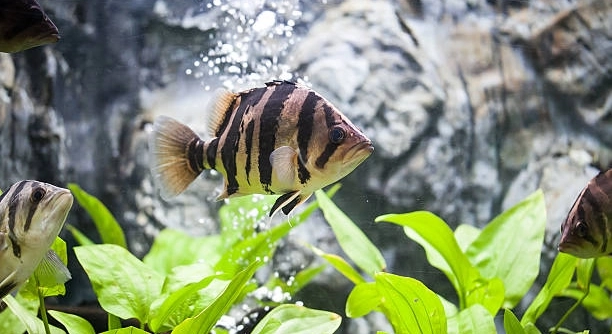
Tiger barbs are lively fish often admired for their bright colors and active swimming. Sometimes, however, they swim in place, which can catch the attention of aquarium enthusiasts. This behavior can seem unusual but has clear reasons behind it.
Swimming in place among tiger barbs is often a sign of territorial behavior or stress. These fish may be establishing dominance, reacting to environmental changes, or sensing nearby threats. It is a natural response to their surroundings rather than a sign of illness.
Recognizing why tiger barbs swim in place helps better understand their needs and behaviors in home aquariums. This insight can improve their care and overall well-being.
Reasons Behind Tiger Barbs Swimming in Place
Tiger barbs swimming in place can be caused by several factors. One common reason is territorial behavior. These fish naturally establish boundaries within the aquarium to protect their space from others. When they swim in place near a certain spot, they may be signaling ownership. Another factor is stress. Changes in water conditions, overcrowding, or sudden movements around the tank can make them uneasy. Swimming in place can also happen if they are waiting for food or reacting to other fish nearby. Sometimes, this behavior is simply part of their normal routine, especially when they feel safe but alert. Understanding these reasons can help in providing the right environment and care to reduce unwanted stress and keep the fish comfortable.
Tiger barbs often swim in place near plants, rocks, or tank decorations to mark their territory or stay alert to other fish.
Creating a calm environment and keeping the tank properly maintained can reduce stress behaviors. Proper tank size and compatible tank mates also play important roles. Keeping feeding consistent helps tiger barbs stay relaxed and less restless. Watching their behavior regularly can reveal if swimming in place is normal or a sign of discomfort. Adjustments to their surroundings can improve their well-being and reduce repetitive swimming in place.
How to Address Swimming in Place Behavior
Observing tiger barbs that swim in place closely can reveal if the behavior is harmful or not. It’s important to make sure the water quality is good by testing for ammonia, nitrites, and nitrates. Maintaining clean water reduces stress and health problems. Also, avoid overcrowding the tank to give each fish enough space to swim freely without feeling threatened. Providing hiding spots and plants creates a secure environment that lowers anxiety. If certain tank mates are aggressive, consider separating them to prevent stress. Feeding tiger barbs a balanced diet at regular times encourages natural activity. These steps help reduce excessive swimming in place and promote a healthier, more active fish behavior.
Keeping an eye on water quality and tank conditions helps ensure tiger barbs remain comfortable and less likely to swim in place excessively.
Adjusting tank conditions, diet, and social dynamics offers a simple way to support your fish’s natural behavior. With proper care, swimming in place will likely decrease as your tiger barbs feel more secure and content in their environment.
Tank Environment and Its Impact
A well-maintained tank environment is essential for tiger barbs to feel secure. Factors like water temperature, pH levels, and tank size directly influence their behavior.
Proper water temperature for tiger barbs ranges between 74°F and 79°F. If the temperature fluctuates too much, it can cause discomfort, leading to unusual swimming patterns like swimming in place. Maintaining stable pH levels around 6.0 to 7.5 is also important, as sudden changes stress the fish. Tank size matters because overcrowding causes territorial disputes and stress, making the fish swim in place as a defensive behavior. Ensuring the tank has plenty of hiding spots with plants or decorations helps them feel safe and reduces anxiety, which minimizes repetitive swimming in place.
Regular water changes and good filtration are necessary to keep the tank clean. A clean, balanced environment supports natural behavior and keeps tiger barbs active and healthy.
Social Behavior of Tiger Barbs
Tiger barbs are schooling fish that thrive in groups of six or more. Their social structure influences their swimming patterns.
In smaller groups or when isolated, tiger barbs may feel insecure, causing them to swim in place as a form of stress or to monitor their surroundings. In larger groups, they establish social hierarchies by chasing or showing dominance, which sometimes leads to swimming in place to assert territory. Aggressive tank mates can increase stress, so compatible companions are essential. Proper social interaction reduces repetitive behaviors and encourages more dynamic swimming. Watching their social dynamics helps in adjusting group size or tank mates for better harmony.
Maintaining the right group size and avoiding aggressive fish helps tiger barbs display healthy social behaviors and reduces stress-related swimming in place.
Feeding Habits and Their Effect
Tiger barbs often swim in place when they expect food. This behavior is common near feeding times.
If they are fed irregularly or not enough, they may become restless and swim in place more frequently. Consistent feeding schedules help reduce this behavior.
Signs of Illness to Watch For
Swimming in place can sometimes indicate health problems. Look for other symptoms like loss of appetite, discoloration, or labored breathing to identify illness early.
Environmental Enrichment Ideas
Adding plants, rocks, and decorations creates stimulation for tiger barbs. This reduces boredom and encourages natural swimming behaviors.
When to Seek Expert Advice
If unusual swimming persists despite good care, consulting a vet or aquarium specialist is important. Early intervention can prevent serious health issues.
FAQ
Why do tiger barbs sometimes swim in place?
Tiger barbs swim in place mainly due to territorial behavior, stress, or anticipation of food. This can be a natural way to mark their space or stay alert. Changes in their environment, such as new tank mates or water quality issues, can also cause this behavior.
Is swimming in place a sign of illness?
Not always. While it can be normal, excessive swimming in place paired with other symptoms like loss of appetite, faded colors, or sluggishness may indicate illness. Monitoring other signs helps determine if veterinary advice is needed.
How can I reduce my tiger barbs’ stress?
Maintaining stable water conditions is key. Keep temperature and pH levels steady, provide enough space, and avoid overcrowding. Adding plants and decorations creates hiding spots. Also, ensure compatible tank mates and a consistent feeding schedule to lower stress.
What is the ideal tank size for tiger barbs?
A minimum tank size of 20 gallons is recommended for a small group of tiger barbs. Larger tanks allow more space for swimming and reduce territorial disputes, which helps prevent stress-related behaviors like swimming in place.
How many tiger barbs should I keep together?
Tiger barbs are schooling fish and feel safest in groups of at least six. Smaller groups or solitary fish often become stressed or aggressive, which can lead to unusual swimming patterns. Proper group size promotes natural social behavior.
Can tank decorations affect swimming behavior?
Yes. Decorations provide hiding spots and boundaries, reducing anxiety and territorial conflicts. Without these, tiger barbs may swim in place as a sign of stress or to mark territory. Adding plants and rocks can encourage healthier activity.
How often should I feed tiger barbs?
Feeding once or twice a day with balanced food is ideal. Overfeeding or inconsistent feeding can cause restlessness or lethargy. Regular feeding schedules help tiger barbs stay active and reduce behaviors like swimming in place due to hunger.
What water parameters are best for tiger barbs?
Maintain water temperature between 74°F and 79°F and pH levels from 6.0 to 7.5. Sudden changes or extremes in these parameters can stress the fish, leading to unusual behaviors. Regular testing and water changes help keep conditions stable.
Are there signs that indicate a need for a vet visit?
Yes. Look for symptoms like persistent lethargy, loss of appetite, abnormal swimming (spinning or erratic movements), white spots, or torn fins. If swimming in place is accompanied by these, consulting an aquatic vet or specialist is recommended.
Can other fish cause tiger barbs to swim in place?
Aggressive or incompatible tank mates can stress tiger barbs. They may swim in place to defend themselves or stay alert. Choosing peaceful, compatible species helps create a calm environment, reducing stress-related behaviors.
Does lighting affect their swimming habits?
Bright or flashing lights can startle tiger barbs, causing nervousness and unusual swimming patterns. Providing a natural light cycle with some shaded areas helps them feel secure and promotes normal swimming activity.
How do I know if swimming in place is normal?
If tiger barbs swim in place occasionally without other negative symptoms and return to regular swimming, it is usually normal. Persistent or excessive swimming in place along with changes in appearance or appetite should be investigated.
What is the best diet for tiger barbs?
A varied diet of high-quality flakes, pellets, and occasional live or frozen foods supports health. Balanced nutrition keeps tiger barbs active and reduces stress that might cause them to swim in place.
Can stress from transportation cause swimming in place?
Yes. After moving to a new tank or during transport, tiger barbs may swim in place due to stress. Giving them time to adjust in a quiet, stable environment helps reduce this behavior over time.
How often should I clean the tank?
Perform partial water changes of about 25% weekly to maintain water quality. Clean the substrate and filters regularly. Good tank maintenance reduces stress and prevents swimming in place caused by poor conditions.
Final Thoughts
Tiger barbs swimming in place is a behavior that can mean different things depending on the situation. It is often linked to natural instincts like marking territory or feeling alert to changes in their surroundings. This behavior may also happen when they expect food or want to stay aware of other fish nearby. In most cases, swimming in place is not a cause for concern. It is important to look at their overall health and tank conditions to better understand why they behave this way. Observing their behavior closely can help determine if it is normal or a sign of stress.
Maintaining a healthy environment is key to keeping tiger barbs comfortable and active. Proper water temperature, pH levels, and tank size all contribute to their well-being. Overcrowding and incompatible tank mates can cause stress, which sometimes shows as repetitive swimming in place. Adding plants and decorations gives them hiding spots, making them feel more secure. Feeding on a regular schedule with a balanced diet also helps reduce restlessness. By paying attention to these factors, you can create a peaceful environment where your tiger barbs are less likely to swim in place out of anxiety.
If swimming in place becomes excessive or is paired with other signs like changes in appetite, color, or energy, it may be a sign of illness or poor tank conditions. In those cases, testing water quality and checking for disease is important. Consulting an aquarium specialist or vet can provide guidance if needed. Overall, understanding the reasons behind this behavior and taking steps to improve the tank environment will support your tiger barbs’ health. A calm and well-maintained tank encourages natural swimming patterns and helps your fish thrive.

Hello,
If you enjoy the content that we create, please consider saying a "Thank You!" by leaving a tip.
Every little bit helps us continue crafting quality advice that supports the health, happiness, and well-being of pets around the world, for pets of all shapes, sizes, and species.
We really appreciate the kindness and support that you show us!