
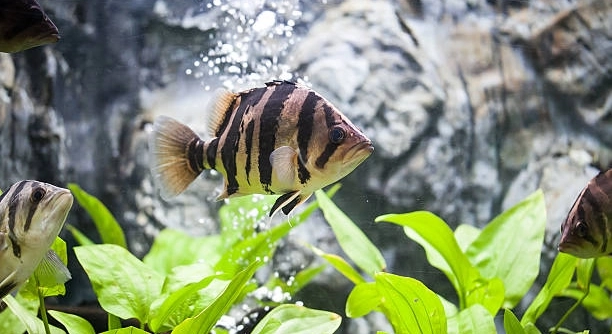
Tiger barbs are popular freshwater fish known for their lively behavior and striking colors. Many aquarists enjoy watching their social patterns in a community tank. Sometimes, these fish form groups that look unusual or unexpected.
Tiger barbs sometimes group weirdly due to factors like stress, tank size, dominance hierarchy, and environmental changes. These influences affect their natural schooling behavior, causing smaller or weaker fish to cluster separately or act differently within the group.
Understanding why tiger barbs behave this way can help you create a healthier, more balanced environment for them to thrive.
Common Causes of Unusual Grouping in Tiger Barbs
Tiger barbs usually swim together in groups to feel safe and reduce stress. When they group weirdly, it’s often a sign something is off in their environment. One common cause is stress caused by overcrowding or a tank that is too small. When the space is limited, the fish can’t swim freely, and some may hide or form smaller groups. Another reason is dominance behavior. Tiger barbs have a social hierarchy, where stronger fish can push weaker ones aside. This can cause weaker fish to group separately or act shy. Changes in water quality or temperature can also affect their behavior, making them cluster unusually. Lastly, illness or injury might cause a fish to separate itself from the group, which looks strange to observers.
Stress, space limits, and social rank changes all influence how tiger barbs group in their tank.
Recognizing these causes helps you adjust tank conditions to improve your fish’s comfort and social behavior.
How Tank Size Affects Grouping
Tank size has a big impact on how tiger barbs behave.
A small tank restricts swimming space, increasing stress and causing fish to form odd groups. They need room to swim freely and show natural behavior. In a cramped environment, aggressive fish dominate, and others may cluster in corners or near decorations to feel safe. On the other hand, a larger tank gives each fish enough space to swim and keep a normal social pattern. Proper tank size helps reduce conflicts and encourages healthy schooling. When buying or setting up a tank for tiger barbs, aim for at least 20 gallons for a small group. This allows enough room for swimming and hiding spots, which improves comfort. Good tank size supports natural behavior and lessens weird grouping in your fish. It also helps maintain better water quality, which affects their overall health.
Ensuring adequate tank size is an easy way to improve your tiger barbs’ social life and wellbeing.
Stress and Social Hierarchy in Tiger Barbs
Stress greatly affects how tiger barbs group themselves. High stress levels can cause them to act differently and separate from the main group.
Stress often comes from overcrowding, poor water quality, or sudden changes in the tank. When stressed, tiger barbs may become aggressive or withdrawn, which affects their natural schooling behavior. The social hierarchy plays a big role too. Dominant fish will chase or nip weaker ones, forcing those fish to hide or form smaller groups to avoid conflict. This behavior is normal but can look strange if you expect them to always swim together evenly. Watching how they interact can help you spot when stress or hierarchy problems are present and take action to improve conditions.
Making sure your tank is calm and balanced helps reduce stress and keeps the group behavior normal.
Impact of Water Quality on Grouping
Poor water quality affects tiger barbs’ health and behavior.
When water parameters like ammonia, nitrite, or nitrate levels rise, fish become uncomfortable and stressed. This leads to unusual grouping as they try to find safer spots in the tank. Keeping water clean with regular changes and monitoring is key to healthy social behavior. Clean water also supports their immune system, reducing disease risks. Fish that feel sick or weak may isolate themselves, which changes how the group looks. Maintaining stable, high-quality water conditions helps tiger barbs stay active, social, and grouped naturally. This is an important step in preventing weird or off grouping patterns in your tank.
Illness and Injury Effects
Illness or injury can cause tiger barbs to isolate themselves from the group. Sick fish often lose energy and swim less, appearing detached from the school.
Injured fish may hide to avoid aggression from others. This behavior changes the usual group pattern and can look strange to observers.
Seasonal and Environmental Changes
Seasonal shifts or changes in tank lighting and temperature can affect how tiger barbs behave. These changes may alter their activity levels and grouping habits. Adjusting the environment slowly helps keep their behavior steady.
Feeding Habits and Grouping
Feeding times influence how tiger barbs gather. When food is introduced, fish may cluster quickly, causing temporary strange group formations as they compete for food.
Tank Decorations and Group Behavior
Decorations impact how tiger barbs form groups. More hiding spots can cause fish to split into smaller groups, while open spaces encourage larger schooling.
Why do tiger barbs sometimes separate from their group?
Tiger barbs separate due to stress, illness, or changes in their environment. Dominant fish may push others away, or sick fish may isolate themselves. Stress from overcrowding or poor water quality can also cause some to hide or swim alone instead of schooling together.
How can I tell if my tiger barbs are stressed?
Signs of stress include unusual hiding, loss of appetite, aggressive behavior, and erratic swimming. If fish group in small clusters or act shy, it might mean they feel unsafe. Testing water quality and observing tank conditions can help identify stress causes.
Does tank size really matter for tiger barb behavior?
Yes, tank size is very important. Tiger barbs need enough space to swim freely and establish their social groups naturally. A small tank causes overcrowding, leading to aggression and weird grouping patterns. A 20-gallon tank or larger is recommended for a small group.
Can poor water quality cause grouping issues?
Definitely. High ammonia, nitrite, or nitrate levels stress fish and affect their health. Stressed or sick fish often separate from the group, hiding or acting differently. Regular water changes and testing keep conditions stable and support healthy social behavior.
Why do dominant tiger barbs behave aggressively?
Dominance helps maintain social order, but it can cause stress for weaker fish. Aggressive fish chase or nip others, forcing them to hide or separate. This natural behavior can lead to unusual groupings but may be reduced with enough space and hiding spots.
Are tiger barbs schooling fish?
Yes, tiger barbs are schooling fish. They feel safer and more comfortable swimming in groups. When conditions are good, they swim tightly together. If their group breaks apart, it usually signals a problem in the tank environment or social structure.
How do tank decorations affect tiger barb grouping?
Decorations provide hiding places, which can cause fish to split into smaller groups. While hiding spots reduce stress, too many barriers may break up the school. A balance between open swimming areas and shelters helps maintain natural group behavior.
What role does feeding play in grouping?
During feeding, tiger barbs may cluster aggressively as they compete for food. This temporary grouping can look chaotic but is normal. Providing multiple feeding spots can reduce competition and keep group behavior calmer.
Can temperature changes affect how tiger barbs group?
Yes, sudden temperature changes stress tiger barbs, affecting their swimming and social patterns. Keeping the temperature stable within their preferred range (74–79°F) helps maintain normal schooling behavior.
How can I help my tiger barbs feel more secure in their tank?
Maintain stable water conditions, provide enough space, and offer hiding spots. Avoid overcrowding and monitor fish interactions to reduce aggression. A calm environment encourages healthy groupings and natural behavior.
What should I do if one tiger barb is injured or sick?
Isolate the sick or injured fish in a separate tank if possible to prevent stress or disease spread. Treat the problem quickly and monitor water quality. Once recovered, the fish can be reintroduced without disrupting the group too much.
Is it normal for tiger barbs to change their grouping over time?
Yes, group patterns can change as fish grow, or when new fish are introduced. Changes in hierarchy or environment can cause shifts. Watch your fish closely to ensure changes don’t indicate stress or poor health.
Tiger barbs are lively fish with natural behaviors that sometimes look unusual to those watching them. When they group in strange ways, it usually means something in their environment or social setting is different. Stress, tank size, water quality, and social hierarchy all play roles in how they form groups. Understanding these factors helps you create a better tank for your fish. When the tank conditions are right, tiger barbs tend to swim together naturally, showing their usual schooling behavior.
Keeping the tank clean and providing enough space is very important. Overcrowded or dirty tanks cause stress, which changes how fish behave. A good-sized tank with hiding spots helps balance their social structure. Aggression and illness can also affect grouping, so it is important to watch your fish for signs of problems. Sick or injured fish often separate themselves, which changes the usual group patterns. By taking care of water quality, temperature, and feeding routines, you support your fish’s health and comfort.
In the end, tiger barbs grouping oddly is often a sign that something needs attention in their tank. Adjusting the environment and monitoring their behavior can help return things to normal. Knowing what to look for and how to respond will make your aquarium a better home for these fish. When they feel safe and healthy, their natural, active schooling behavior is easier to see and enjoy. Taking the time to understand their needs creates a peaceful tank where tiger barbs can thrive.

Hello,
If you enjoy the content that we create, please consider saying a "Thank You!" by leaving a tip.
Every little bit helps us continue crafting quality advice that supports the health, happiness, and well-being of pets around the world, for pets of all shapes, sizes, and species.
We really appreciate the kindness and support that you show us!