
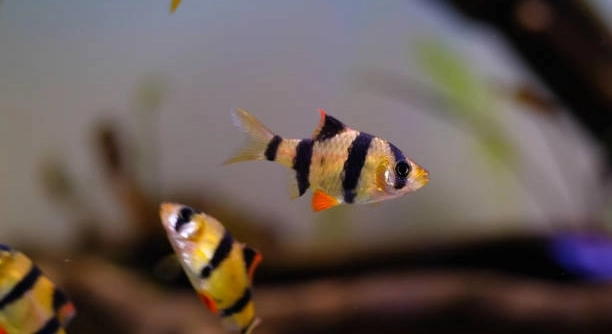
Have you ever noticed your tiger barbs nibbling at the roots of your aquarium plants and wondered what’s really going on beneath the surface?
Tiger barbs sometimes eat plant roots due to a mix of curiosity, nutritional exploration, and environmental factors. Their behavior can be influenced by boredom, hunger, or inadequate diet, prompting them to sample roots as a potential food source.
Understanding their eating habits can help you adjust their diet and tank setup to keep both your plants and fish healthy.
Why Tiger Barbs Bite Plant Roots in Aquariums
Tiger barbs are active fish that enjoy exploring their environment. Sometimes, this curiosity leads them to bite or tug on plant roots. This isn’t always because they’re hungry—it can be due to boredom, lack of stimulation, or even aggression. If your tank doesn’t have enough space, hiding spots, or enrichment, tiger barbs may start picking at plants out of frustration. Their behavior is also influenced by what’s available to eat. If they don’t get enough fiber or variety in their food, they might chew on roots to make up for it. Root structures can also be soft and easy to nibble, making them a natural target. Although they’re not herbivores by nature, tiger barbs will test things with their mouths, especially in planted tanks with fine, delicate root systems. Paying attention to their surroundings and routines can often explain the reason behind this habit.
Some roots are simply easier for them to bite into, especially if they’re already weakened or exposed.
Feeding them regularly with a balanced diet, adding tank décor for stimulation, and choosing hardy plants with tougher roots can help reduce this behavior. Creating the right balance in the tank will keep your plants intact.
What to Do When It Becomes a Problem
If you notice damaged roots or floating plant pieces, it’s time to take action. Over time, constant nibbling can stress or kill live plants, especially those with delicate structures.
Start by checking their diet. Tiger barbs thrive on a mix of flakes, pellets, frozen food, and occasional vegetables like blanched spinach or zucchini. These additions give them the fiber they might otherwise seek in roots. Next, consider how enriched their environment is. Adding rocks, tunnels, or more plants can redirect their attention. Also, keep them in a group of at least six. This helps control aggressive behavior and spreads out their energy. If space is tight, upgrade the tank size. More room allows better swimming patterns and reduces stress. Lastly, select more resilient plants like Java fern, Anubias, or Amazon swords. These can withstand more attention and are less likely to be uprooted or damaged. When changes are consistent and targeted, you’ll usually see improvements within a week or two.
Common Plants Tiger Barbs Tend to Target
Tiger barbs often go for plants with soft, exposed roots or tender leaves. Plants like hornwort, cabomba, and elodea can become easy targets. They’re soft, delicate, and quick to break apart when bitten.
Java moss is another plant that may get picked at, especially when floating freely or loosely anchored. Tiger barbs sometimes pull it apart during playful activity or for nesting behaviors. Vallisneria, with its long, grass-like blades, may also attract attention if it’s not well-rooted. Floating plants like duckweed and frogbit can be disturbed, but they’re usually left alone after some investigation. Avoid very delicate stem plants unless your tank is heavily planted and well-balanced. Heavily rooted and thicker-leafed species tend to survive better. Plants that grow fast and can recover from damage—like hornwort—are good for tanks with active barbs. Just be ready for occasional trimming or replanting when necessary.
Plants with firm leaves and strong root systems can hold up better under constant nibbling. Anubias and Java fern are excellent examples. Their thicker texture discourages biting, and they can be attached to rocks or wood rather than planted directly. These plants add greenery without drawing too much attention from curious tiger barbs.
How to Adjust Tank Conditions
A cramped or unstimulating tank can increase plant damage. Adding more open swimming space, hiding spots, and live decorations can give tiger barbs outlets for their energy. This reduces the chance they’ll attack plants out of boredom.
Lighting and water flow also affect behavior. Too much light can speed up plant decay, making roots soft and tempting. Moderate flow keeps oxygen levels healthy and supports plant growth. Include floating plants to block intense light if needed. Water conditions should be clean and consistent—poor water quality can cause stress, making barbs act out. Use regular feeding times to help set routines. High-protein meals with varied textures keep their mouths busy. Adding tank mates like loaches or snails helps distract attention from the plants. These steps don’t just reduce damage—they improve overall tank balance, which helps your fish feel more at ease and less likely to pick at the roots.
Signs Your Plants Are Being Damaged
Frayed leaves, torn roots, and floating plant parts are early signs. You might also see bite marks or missing sections on softer plants. These usually appear suddenly and continue if no changes are made.
Watch for tiger barbs hovering near specific plants more than usual. If they’re pulling or tugging at roots repeatedly, it’s a clear sign of unwanted behavior.
How Feeding Habits Can Influence Root Nibbling
Feeding tiger barbs too little or offering the same food daily can push them to explore other food sources, like plant roots. A consistent, varied diet makes a big difference. Include high-protein flakes, frozen bloodworms, and occasional plant-based foods like spirulina. These options keep their nutrition balanced while satisfying their chewing urges. You can also try feeding at the same times each day to establish predictable routines. When they’re well-fed, they’re less likely to bother your plants. Skip long gaps between feedings to avoid boredom eating. Pay attention to how quickly they finish food—it gives clues about whether they’re still hungry or just nibbling out of habit.
When to Rearrange or Replace Plants
If a certain plant keeps getting destroyed, it might be time to remove or reposition it. Place delicate plants near hard decor or use mesh guards to protect the roots.
FAQ
Do tiger barbs eat plants on purpose or by accident?
Tiger barbs don’t usually eat plants out of necessity. They’re not true plant eaters, but they will test things with their mouths. If the plant is soft or breaking down, they may bite it to see if it’s food. Sometimes, this is out of boredom, not hunger. If they keep returning to the same plant, it’s likely they find it interesting for its texture or location. Even if it starts as curiosity, repeated biting can turn into a habit if they’re not redirected with better options.
Can I stop this behavior completely?
It’s possible to reduce it, but not always to zero. Tiger barbs are naturally active and curious. With the right tank setup, balanced diet, and enough space, their interest in plant roots usually fades. Using tougher plants and feeding a mix of protein and fiber helps. Even then, some individuals might still nibble now and then. The goal is to manage it so it doesn’t become damaging. If the tank stays stimulating and consistent, your plants will likely stay safe over time.
What are the best plants to use with tiger barbs?
Choose plants with thick leaves and strong roots. Java fern, Anubias, Amazon sword, and hornwort are solid options. These types tend to hold up better and are less tempting to bite. Floating plants like water lettuce or frogbit can also add cover and reduce light, which may help calm your fish. Avoid very soft, stem-based plants that fall apart easily, such as cabomba or water sprite. When in doubt, pick plants that can be anchored to rocks or driftwood, so their roots stay safe from direct contact.
How often should I feed tiger barbs to avoid root nibbling?
Feed them small amounts two to three times per day. Skipping meals or feeding too little makes them more likely to explore other food sources. Make sure to include both meaty and plant-based items. Frozen daphnia, bloodworms, and spirulina flakes are good choices. Rotate their meals to keep them engaged. If you notice them still acting restless or pecking at plants between feedings, try offering small snacks like blanched zucchini or cucumber to redirect that energy.
Is root nibbling harmful to the tiger barbs?
Generally, no. Most plant roots aren’t harmful if bitten in small amounts. The bigger concern is the plants, not the fish. That said, decaying plants can affect water quality, which in turn stresses the fish. Keeping roots healthy and clean is still important. If tiger barbs are constantly biting roots, it may indicate stress, boredom, or dietary gaps. That behavior is a symptom—not a threat to their health unless it’s tied to poor tank conditions.
Do tank size and layout affect this behavior?
Yes, heavily. In small tanks or setups without enough structure, tiger barbs get bored or stressed easily. They may take that out on plants. A tank with open swimming space, hiding areas, and strong filtration helps reduce that. Layout matters too—spreading out plants, décor, and feeding spots lowers tension among fish and keeps their attention off your plants. A crowded or dull tank often causes more problems, including aggression and plant damage.
Should I separate aggressive barbs if they keep biting plants?
If one or two tiger barbs are especially destructive, you can try isolating them in a breeder box for a few days. This sometimes breaks the habit. It also gives you a chance to rearrange the tank or add new features that might stop the pattern. But separating should be a last resort—tiger barbs are schooling fish and do best in groups. More often, increasing stimulation and feeding variety solves the problem without removing any fish.
Can fake plants be a good alternative?
Fake plants can work, but they’re not always a long-term fix. Tiger barbs might still nibble or rub against them. Some plastic plants have sharp edges that can tear fins. Silk plants are safer and look more natural. They won’t get damaged like real ones, but they also don’t help with oxygen or water quality. Use fake plants only when live ones keep getting destroyed and you need a break. Long term, mixing hardy live plants with tank-safe fake ones usually works best.
Final Thoughts
Tiger barbs are energetic fish with curious habits, and root nibbling is just one of the many things they do when exploring their space. While this behavior can be frustrating for plant lovers, it’s often a natural response to their environment. Understanding the reason behind it is the first step to managing it properly. In most cases, tiger barbs aren’t trying to destroy plants—they’re reacting to boredom, hunger, or a lack of stimulation. Paying attention to how they behave around certain plants and watching for signs of damage can help you take early action before the problem gets worse.
The good news is that you don’t have to choose between healthy plants and happy fish. A few simple changes can go a long way. Focus on offering them a mixed diet that includes both protein and fiber. Feed them regularly and keep their meals interesting. Make sure your tank has enough space, hiding spots, and objects to interact with. When they have more to do and eat, they are less likely to chew on your plants. Also, choosing hardy plant species like Anubias or Java fern can make it easier to maintain a good balance. These plants are tougher and less appealing to nibble on, which helps reduce the damage.
If you’ve tried everything and they’re still pulling at roots, don’t get discouraged. Sometimes, small adjustments—like moving a plant, adding a new hiding spot, or changing how often you feed—can have a big effect over time. Every fish is a little different, and it may take some trial and error to find what works in your tank. Keep an eye on both your plants and your fish to notice what’s improving and what still needs attention. With some consistency and care, you can enjoy a well-planted tank without worrying too much about root damage. Creating a setup that works for both your plants and your tiger barbs will make your aquarium feel more stable, and it’ll be easier to manage long term.

Hello,
If you enjoy the content that we create, please consider saying a "Thank You!" by leaving a tip.
Every little bit helps us continue crafting quality advice that supports the health, happiness, and well-being of pets around the world, for pets of all shapes, sizes, and species.
We really appreciate the kindness and support that you show us!