
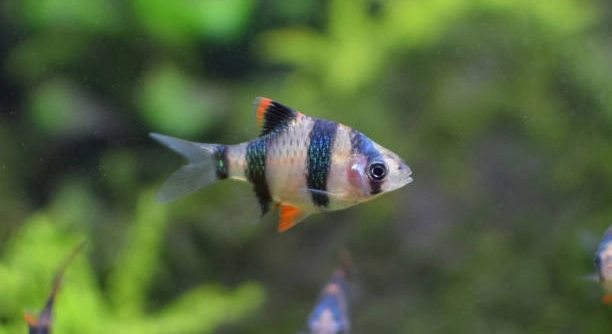
Tiger barbs are lively fish known for their active swimming patterns. Sometimes, they chase each other in circles, which can seem puzzling to aquarium owners. Understanding why this behavior happens can help keep your tank environment balanced and healthy.
The circular chasing behavior in tiger barbs is primarily a form of social interaction and dominance establishment. This activity helps the fish create a hierarchy within their group and is a natural way to reduce aggression by establishing social order without serious harm.
Recognizing these behaviors can improve your care for tiger barbs and make your aquarium experience more enjoyable and peaceful.
Understanding Tiger Barbs’ Social Structure
Tiger barbs live in groups and need to establish a clear social order. When they chase in circles, it is often a way to assert dominance without causing serious injury. This behavior helps keep peace within the group by sorting out who is more dominant. Younger or less confident fish might be chased more often, but this gives them time to learn their place. Circular chasing is a sign that the fish are communicating and managing their relationships naturally. It is not usually a sign of stress or poor tank conditions, but rather a normal part of their social life.
When this behavior stays balanced, the tank environment remains calm and healthy for all fish.
If chasing becomes too frequent or aggressive, it might mean the tank is overcrowded or lacks hiding spots. Adjusting these factors often helps reduce stress and aggression.
Tank Setup to Reduce Excessive Chasing
Providing enough space and places to hide helps tiger barbs feel secure and reduces constant chasing. A tank with plenty of plants, decorations, or caves allows fish to retreat and avoid conflict when needed. A larger tank prevents overcrowding, which can increase stress and aggressive behavior. When fish have room to explore and rest, their interactions become less intense. Keeping a proper number of tiger barbs also matters—too few or too many can upset the social balance. Maintaining clean water and stable conditions supports their overall well-being, reducing tension.
Observing your fish and making these adjustments can improve harmony and enjoyment in your aquarium.
Common Triggers for Circular Chasing
Changes in the tank, such as new fish or rearranged decorations, can trigger more chasing. Stress from these changes makes tiger barbs more active in establishing dominance. Even subtle shifts in the environment may cause them to increase their chasing behavior temporarily.
When new fish are introduced, the existing group needs time to adjust. The newcomers might be chased until they find their place in the hierarchy. Rearranging the tank disrupts familiar territories, prompting fish to re-establish boundaries. Feeding times can also increase activity, as tiger barbs compete for food, leading to short bursts of chasing. Keeping changes minimal and gradual helps reduce these stress triggers.
Regular monitoring allows you to spot when chasing turns into aggression. Early intervention, such as adding hiding spots or rearranging less often, keeps the group balanced and prevents ongoing tension.
How to Manage Aggressive Behavior
If chasing becomes harmful, separate overly aggressive fish to protect others. Adding more hiding spaces gives stressed fish places to retreat. Increasing the number of tiger barbs can sometimes spread out aggression, making it less focused on a single individual. Ensure the tank size suits the group to prevent overcrowding, which often causes stress and aggression. Providing a varied diet also supports healthier, calmer fish.
Behavior may improve by rearranging the environment gradually, avoiding sudden disruptions. Monitoring water quality and keeping conditions stable prevents added stress that could worsen aggression. If problems persist, consulting with an aquatic specialist may help identify specific causes and solutions tailored to your tank setup.
Signs That Chasing Is Becoming a Problem
Chasing becomes a problem when fish show signs of injury or constant stress. Look for torn fins, faded colors, or fish hiding excessively. These signs indicate the behavior is harming the group and requires action.
If aggression continues unchecked, weaker fish may become too stressed to eat or swim normally. This can lead to illness or death.
Balancing Group Size for Healthier Behavior
A group of at least six tiger barbs is ideal to spread out aggression and prevent bullying. Smaller groups often increase chasing toward a single fish. Too many fish can cause overcrowding, which also raises stress and aggression. Finding the right balance keeps the group stable and lessens chasing.
Enrichment Ideas to Distract Tiger Barbs
Adding floating plants, tunnels, or varying decorations helps keep tiger barbs occupied. These distractions reduce the focus on chasing and promote natural exploring behavior. Changing elements regularly keeps their environment interesting.
Monitoring Long-Term Behavior Changes
Keep track of how chasing evolves over time. Adjust tank conditions as needed to maintain harmony.
Why do tiger barbs chase in circles?
Tiger barbs chase in circles mainly to establish a social hierarchy within their group. This behavior is a natural way for them to communicate dominance without causing serious harm. Circular chasing helps reduce direct fights by sorting out roles peacefully, which keeps the group stable and balanced.
Is this chasing behavior normal?
Yes, it is normal for tiger barbs to chase each other occasionally. This is part of their social behavior and usually does not indicate stress or illness. However, the frequency and intensity of chasing should be monitored to ensure it does not become aggressive or harmful.
When does chasing become a problem?
Chasing becomes a problem when fish show injuries like torn fins or when some fish hide excessively. Persistent chasing can stress weaker fish, causing them to lose appetite or become sick. If chasing is aggressive and constant, adjustments to the tank setup or group size may be necessary.
How can I reduce aggressive chasing?
To reduce aggressive chasing, provide plenty of hiding spots and plants in the tank. Make sure the tank is large enough for the number of fish you have. Sometimes increasing the group size to six or more helps spread aggression. Keeping water clean and stable also reduces stress that can worsen chasing.
Can chasing cause injury to tiger barbs?
Yes, excessive chasing can cause physical injuries like fin damage or scales being rubbed off. These injuries can lead to infections if untreated. It’s important to watch for signs of injury and take action to protect the fish, such as separating overly aggressive individuals.
Will rearranging the tank help with chasing?
Rearranging the tank can help by breaking established territories and forcing fish to reset their social order. However, changes should be gradual to avoid adding stress. Too frequent or drastic rearrangements may increase chasing temporarily.
Does tank size affect chasing behavior?
Tank size plays a significant role. Small tanks increase stress and aggression due to limited space. A larger tank provides more room to swim and hide, which reduces tension and chasing behavior. For tiger barbs, a tank of at least 30 gallons is recommended for a small group.
How many tiger barbs should I keep together?
It’s best to keep at least six tiger barbs together. A larger group helps distribute aggression so no single fish is targeted too much. Fewer than six often results in more bullying and chasing, while too many can cause overcrowding and stress.
Does diet influence chasing?
A balanced diet supports overall health and can reduce stress-related aggression. Feeding high-quality food in small amounts multiple times a day prevents competition over food, which can trigger chasing. Avoid overfeeding, as leftover food can pollute the water and cause problems.
Can chasing indicate illness or poor water quality?
Chasing is not usually a direct sign of illness but can increase if fish are stressed by poor water quality. Dirty water or sudden changes in parameters can raise aggression levels. Regular testing and maintenance of water conditions are crucial to keep fish healthy and calm.
Should I separate aggressive fish?
Separating an aggressive fish may be necessary if it continuously harms others. A quarantine or hospital tank can give the aggressive fish a break and help injured fish recover. Reintroduce fish slowly and monitor interactions to prevent further problems.
Are there signs that chasing is just playful?
Playful chasing is usually brief and involves quick movements without causing harm. Fish will chase, then swim apart and rest. When chasing is playful, all fish seem active and healthy with no injuries or hiding behavior.
How long does it take for fish to settle after chasing?
Settling times vary, but typically a few days to a week after introducing new fish or rearranging the tank allows social order to stabilize. If chasing continues aggressively beyond this period, further changes may be needed to reduce stress.
Can adding tank mates help reduce chasing?
Adding compatible tank mates can sometimes divert attention away from chasing. However, introducing new species should be done carefully to avoid creating new conflicts. Choose peaceful, fast-moving fish that can coexist well with tiger barbs.
What environmental factors increase chasing?
Factors like overcrowding, lack of hiding spaces, poor water quality, and sudden changes increase chasing. Maintaining a well-planted tank with stable conditions minimizes stress and aggression. Regular tank cleaning and monitoring are key to a peaceful environment.
Tiger barbs are active and social fish that naturally chase each other in circles as part of their behavior. This chasing helps them set up a social order, which keeps their group balanced and reduces serious fights. Understanding this behavior can help aquarium owners feel more comfortable when they see it and recognize that it is a normal part of how tiger barbs interact. However, it is important to watch how often and how aggressively the chasing happens, as it can sometimes become harmful to the fish involved. Keeping an eye on your fish’s behavior allows you to act quickly if problems arise.
To maintain a healthy environment for tiger barbs, it is important to provide enough space and hiding places in the tank. When fish have room to swim freely and spots to retreat, chasing tends to become less intense. A well-planted tank with decorations that break up open areas works well. Also, having a group of at least six tiger barbs helps spread out aggressive behavior so no single fish is bullied too much. Tank size, water quality, and feeding habits all play a role in reducing stress and aggressive chasing. Regular maintenance and careful observation are key to keeping the fish happy and healthy.
If chasing becomes a problem, there are several simple steps to take. Adding more hiding spots or rearranging decorations can give fish a fresh environment and reduce tension. Sometimes increasing the group size or separating an aggressive fish for a short time helps restore peace. Paying attention to water quality and providing a balanced diet supports the fish’s overall well-being, which reduces stress-driven chasing. While chasing is normal, knowing how to manage it ensures your tiger barbs can live together peacefully and thrive in your aquarium.

Hello,
If you enjoy the content that we create, please consider saying a "Thank You!" by leaving a tip.
Every little bit helps us continue crafting quality advice that supports the health, happiness, and well-being of pets around the world, for pets of all shapes, sizes, and species.
We really appreciate the kindness and support that you show us!