
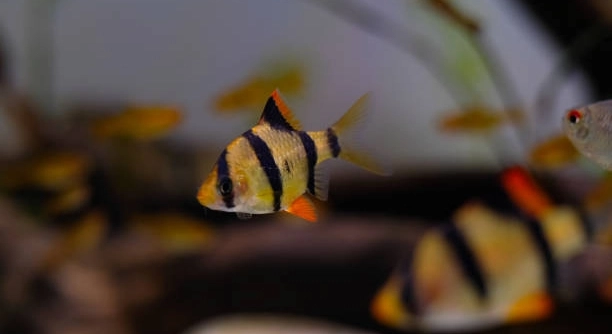
Tiger barbs are popular aquarium fish known for their lively behavior and striking colors. However, many fishkeepers notice that these barbs often nip the fins of other tank mates. Understanding this behavior can help maintain a peaceful aquarium environment.
Tiger barbs nip fins mainly due to their natural schooling instincts and territorial behavior. This fin-nipping serves as a way to establish dominance and social hierarchy within the group, often triggered by overcrowding, boredom, or lack of sufficient stimulation.
Managing tank conditions and providing appropriate companions can reduce fin-nipping and promote harmony. Preventing this behavior improves the well-being of all fish in the aquarium.
Why Tiger Barbs Nip Fins
Tiger barbs nip fins mainly because they are naturally active and competitive fish. In the wild, they swim in schools and use fin-nipping to assert dominance and maintain social order. When kept in aquariums, this behavior can increase if the tank is overcrowded or lacks hiding spots. Stress and boredom also contribute to fin-nipping, as these fish need stimulation to stay calm. Providing enough space and environmental enrichment helps reduce aggressive behavior. It is important to avoid keeping too many tiger barbs together or mixing them with slow-moving fish, which become easy targets. Proper care and understanding of their natural habits can help manage this behavior effectively.
Fin-nipping in tiger barbs often arises from their need to establish dominance and social interaction within their group.
Recognizing these triggers allows fishkeepers to take preventative measures. Ensuring ample space and a varied environment lessens stress and boredom. Keeping the right number of tiger barbs together and pairing them with suitable tank mates reduces aggression. Providing plants, decorations, and hiding places gives fish options to escape and lowers fin-nipping incidents. Regular feeding and maintaining water quality also improve overall fish health, minimizing behavioral problems.
How to Prevent Tiger Barbs from Nipping
Preventing fin-nipping starts with creating a balanced tank environment tailored to tiger barbs’ needs.
The best prevention involves controlling population density and enriching the aquarium. Avoid overcrowding by keeping a school of six or more tiger barbs to diffuse aggression, as lone or few individuals tend to be more aggressive. Choosing fast-moving or similarly active fish as tank mates reduces the chance of fin-nipping. Adding plants and decorations gives fish places to hide or explore, reducing stress. Maintaining clean water and feeding a varied diet also supports fish well-being. Careful observation helps identify early signs of aggression so adjustments can be made before injuries occur. Taking these steps promotes a calmer and healthier aquarium where fin-nipping is less likely.
Tank Setup Tips to Reduce Fin-Nipping
Proper tank setup plays a crucial role in reducing fin-nipping among tiger barbs. Space, hiding spots, and tank mates matter a lot.
A spacious tank gives tiger barbs room to swim freely, which reduces stress and aggression. Adding plenty of plants and decorations creates hiding spots for fish to escape when needed. This prevents weaker fish from becoming easy targets. Smooth decorations and rounded gravel avoid injury if chasing happens. Keeping water clean and stable supports fish health, lowering irritability that can lead to fin-nipping. Lighting should mimic natural conditions, avoiding extremes that may cause discomfort.
Choosing tank mates carefully helps too. Fast, active fish that can keep up with tiger barbs are better suited. Avoid slow or long-finned species, as they often attract nips. A well-thought-out tank setup keeps aggression in check and supports peaceful community living.
Feeding and Enrichment Strategies
A proper feeding routine and environmental enrichment help manage tiger barbs’ behavior and reduce fin-nipping.
Regular feeding with a balanced diet keeps tiger barbs healthy and less aggressive. Including high-quality flakes, pellets, and occasional live or frozen foods adds variety. Overfeeding should be avoided to maintain water quality and prevent obesity. Feeding small amounts multiple times daily keeps them engaged and less likely to target other fish’s fins out of hunger or boredom.
Environmental enrichment includes adding plants, driftwood, and rocks to create a stimulating habitat. This provides places to explore and reduces stress. Using floating plants or open swimming areas mimics their natural environment. Changing decorations periodically can keep the tank interesting for the fish. These strategies promote natural behaviors and reduce destructive actions like fin-nipping.
Identifying Signs of Fin-Nipping
Fin-nipping can cause visible damage like ragged or missing fins on tank mates. Watch for restless swimming and sudden chasing.
If a fish appears stressed or has torn fins, fin-nipping may be occurring. Early detection is key to preventing serious harm.
Treating Injuries from Fin-Nipping
Minor injuries from fin-nipping can heal with proper care. Maintaining excellent water quality helps fish recover quickly. Adding aquarium salt can reduce infection risks. Avoid aggressive tank mates during healing. If wounds worsen, consider isolating the injured fish in a separate hospital tank until fully recovered.
Choosing Compatible Tank Mates
Selecting tank mates that tolerate or match tiger barbs’ activity level reduces fin-nipping. Avoid slow or long-finned fish as they are easy targets. Active species like danios or barbs work well. Proper community balance supports peaceful interactions and less aggression.
Monitoring Behavior Regularly
Regular observation helps catch early signs of aggression or stress. Adjust tank conditions as needed to maintain harmony.
FAQ
Why do tiger barbs nip fins more than other fish?
Tiger barbs are naturally active and territorial fish. Their fin-nipping behavior is linked to establishing dominance and social order within their group. Unlike some calmer species, tiger barbs use nipping as a way to interact and compete. This is especially true when they feel crowded, bored, or stressed. Without enough stimulation or space, their nipping can become more frequent and intense.
Can fin-nipping harm other fish permanently?
Fin-nipping usually causes only minor injuries like torn or ragged fins. These wounds can heal quickly if the water quality is good and the tank environment is calm. However, if fin-nipping is severe or persistent, it can lead to infections or stress, which may affect a fish’s overall health. Early detection and intervention are important to prevent long-term damage.
How many tiger barbs should I keep together to reduce aggression?
Keeping at least six tiger barbs in a school helps distribute aggression more evenly. When in smaller groups or kept alone, they tend to be more aggressive and focused on picking on other fish. A larger group mimics their natural schooling behavior, which reduces stress and decreases fin-nipping incidents.
What are the best tank mates for tiger barbs?
Ideal tank mates are similarly active and fast-swimming fish that can handle the tiger barbs’ lively nature. Good choices include danios, other types of barbs, and some catfish species. Avoid slow-moving fish or those with long, flowing fins, as they are likely targets for nipping.
Can changing the tank environment really stop fin-nipping?
Yes. Adding plants, decorations, and hiding spots reduces stress and boredom. These elements give fish places to explore or escape when aggression arises. Environmental enrichment mimics their natural habitat and helps keep their behavior balanced, which lowers the chance of fin-nipping.
Is fin-nipping a sign of poor health or water quality?
Fin-nipping is mostly behavioral, but poor water conditions can increase stress, making fish more prone to aggression. Maintaining clean water, proper temperature, and stable parameters supports fish health and reduces irritability that can lead to fin-nipping.
Should I separate nippy tiger barbs from other fish?
Separating tiger barbs is not usually necessary if the tank is set up correctly. However, if aggression is extreme or certain fish are being seriously injured, isolating aggressive individuals or injured fish temporarily can help. Adjusting tank conditions and adding more hiding spots can often resolve issues without separation.
How do I treat fish injured by fin-nipping?
Maintain excellent water quality and consider adding aquarium salt to prevent infection. Avoid adding new fish during healing, and keep the injured fish in a calm environment. If wounds worsen, a separate hospital tank may be needed for treatment until full recovery.
Can fin-nipping behavior be trained or stopped completely?
Fin-nipping is a natural behavior for tiger barbs and cannot be completely stopped. However, it can be managed and greatly reduced through proper tank size, group numbers, enrichment, and compatible tank mates. Consistent care and observation help keep aggression under control.
Does feeding frequency affect fin-nipping?
Regular feeding reduces fin-nipping caused by hunger or boredom. Feeding small amounts several times a day keeps tiger barbs occupied and less likely to nip out of frustration. A balanced diet with variety also supports their overall well-being, lowering aggressive tendencies.
Final thoughts on tiger barbs and their fin-nipping behavior highlight the importance of understanding these fish’s natural instincts. Tiger barbs are active and social fish that use fin-nipping as a way to communicate and establish hierarchy. This behavior is normal but can become a problem if tank conditions are not ideal. Overcrowding, lack of hiding places, and boredom increase the chance of aggressive fin-nipping. By recognizing these factors, fishkeepers can create a better environment to reduce stress and aggression.
Creating a healthy, balanced aquarium is key to managing fin-nipping. Providing enough space for tiger barbs to swim freely helps lower tension. Adding plants, rocks, and decorations offers shelter and stimulation, which can distract the fish from nipping each other’s fins. Keeping a proper number of tiger barbs together encourages natural schooling behavior, which reduces aggression. Choosing compatible tank mates that match their energy levels also prevents weaker fish from becoming targets. Paying attention to water quality and feeding habits supports the fish’s overall health and behavior.
It is important to remember that fin-nipping cannot be completely stopped since it is part of how tiger barbs interact. However, by maintaining good tank conditions and meeting their needs, the behavior can be controlled to prevent serious harm. Regular observation allows fishkeepers to identify early signs of aggression and take action quickly. With patience and proper care, tiger barbs can coexist peacefully with other fish, making the aquarium a more enjoyable and healthy space for all its inhabitants.

Hello,
If you enjoy the content that we create, please consider saying a "Thank You!" by leaving a tip.
Every little bit helps us continue crafting quality advice that supports the health, happiness, and well-being of pets around the world, for pets of all shapes, sizes, and species.
We really appreciate the kindness and support that you show us!